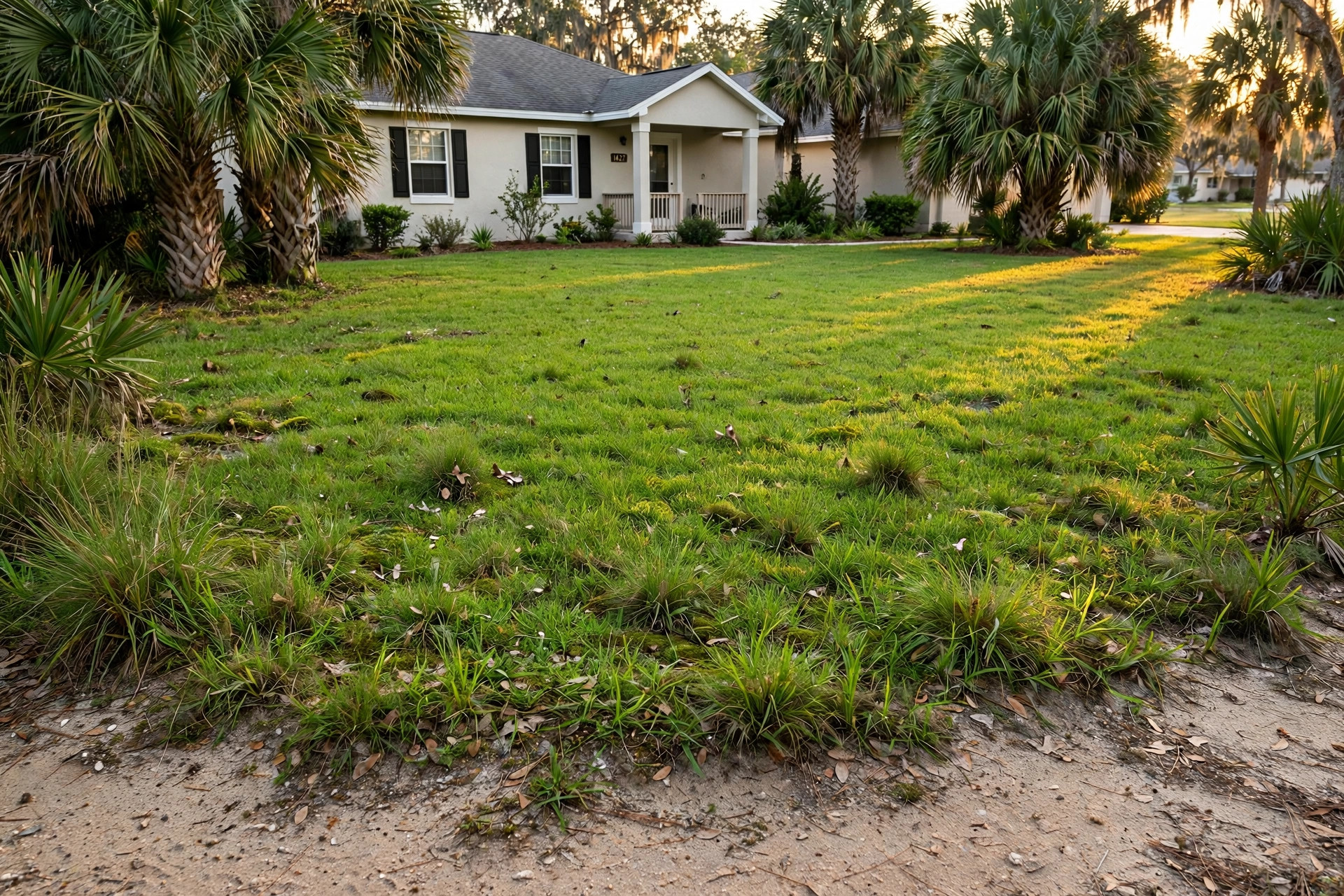
Many Florida homeowners want a green lawn that holds up through the long hot season. The search for native grass seed florida homes usa buyers can use has grown in recent years, because grasses that evolved in this region can take heat, heavy rain, and sandy soil with less work from the owner. A lawn built on native seed will not look like a golf course. It will look like Florida. That is the point. The grass belongs here, and it asks for less water, less fertilizer, and fewer chemicals than the thirsty lawns people try to force into this climate.
This guide walks through the whole subject in plain terms. It explains why native grasses suit Florida, what to look for on a seed bag, which types do well here, what seed costs, how to plant it step by step, and how to care for the lawn after it comes up. It closes with safety notes and answers to common questions.
Why Native Grasses Suit Florida Lawns
Florida is hot, humid, and rainy for much of the year. The soil in most of the state is sand. Sand drains fast and holds few nutrients. Grasses brought in from cooler regions often struggle here. They need constant water, heavy feeding, and steady pest control just to stay alive.
Native and adapted grasses tell a different story. Bahia grass, for example, grows wild across the Southeast and has deep roots that reach water far below the surface. Centipede grass spreads slowly and asks for little fertilizer. These grasses came up in conditions much like your yard, so they meet the climate halfway.
There are practical gains. A native lawn can cut water use by a third or more compared with a high-care lawn. Less fertilizer means less runoff into ponds and canals, which matters in a state built on water. Many gardeners also find that gardening advice sites and planting calendars written for Southern growers give better results than advice written for northern lawns, simply because the seasons here run on a different clock.
A native lawn is also more forgiving. If you miss a watering, it bends instead of breaking. If a dry spell hits, it goes dormant and greens up again when rain returns. For a busy household, that toughness is worth more than a perfect carpet of green.
What to Look for When You Buy Grass Seed: Native Grass Seed Florida Homes Usa
Not every bag labeled “Southern” or “Florida” holds seed that suits your yard. Read the bag with care before you pay.
Read the Label
Every bag of grass seed sold in the United States carries a seed label. The label lists the grass varieties inside, the percentage of each, the germination rate, and the test date. Look for a germination rate above 80 percent and a test date within the last year. Old seed sprouts poorly.
The label also lists weed seed content and inert matter. Weed seed should be near zero. Inert matter, which is chaff and coating, should stay low. A coated seed may look like a bargain, but half the bag’s weight can be coating.
Buy from seed catalogs and garden seed suppliers with clear labels and fresh stock. Avoid bags with torn packaging or no test date at all.
Match the Seed to Your Soil and Shade
Florida yards vary. A lot near the coast may be nearly pure sand, while a lot inland may have clay or muck. Some yards bake in full sun all day. Others sit under live oaks and stay shaded.
Bahia grass loves full sun and poor soil. It is the workhorse of Florida pastures and many home lawns. Centipede grass accepts light shade and acid soil, and it needs less mowing. If your yard has heavy shade, no grass seed will thrive, and you may do better with ground cover or mulch beds. For contrast, many homeowners pair their lawn project with indoor greenery, and guides to indoor plants like fiddle leaf figs show how houseplants fill the shaded corners where grass will not grow.
Check your soil with a simple test kit or your county extension office before you buy. The test tells you the pH and nutrient levels, and it keeps you from feeding a lawn that does not need it.
Native Grass Types for Florida Yards
A few grasses dominate the Florida home lawn. Each has strengths and limits.
Bahia Grass
Bahia is the classic Florida native lawn grass. It grows in a coarse, open texture and sends roots deep into sandy soil. It stands up to drought, heat, and foot traffic. It asks for little nitrogen and mows well at three to four inches.
The trade is looks. Bahia has wide blades and visible seed heads in summer. It will not form the fine, dense carpet that some homeowners want. If your goal is a tough, low-cost lawn, Bahia is hard to beat.
Centipede Grass
Centipede grass is sometimes called the lazy man’s grass, because it needs so little care. It spreads by runners, needs mowing only every week or two, and asks for very little fertilizer. In fact, too much fertilizer harms it.
It prefers acid soil, which much of Florida has, and it handles light shade better than Bahia. It is less tough under heavy foot traffic, and it dislikes alkaline soil. On the right lot, it forms a pleasant medium-green lawn with modest effort.
St. Augustine and Zoysia Notes
St. Augustine grass is not grown from seed in most cases. It is planted as sod or plugs, so it falls outside a seed guide, but many Florida homeowners ask about it. It makes a thick, attractive lawn and takes shade well. Zoysia can be seeded, and some varieties suit Florida, but seed is costly and slow to establish.
Meadow and Wildflower Mixes
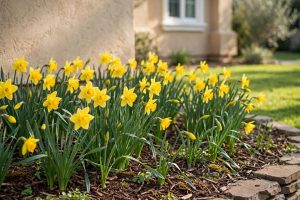
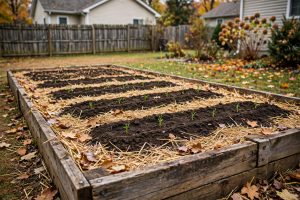
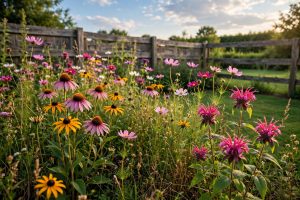
Some homeowners skip the formal lawn and plant a meadow mix of native grasses and wildflowers. These mixes need almost no mowing and draw bees and butterflies. They suit large lots and rural edges better than small suburban yards, where neighbors and rules may expect a kept lawn. Like gardeners who order daffodil bulb packs for Southern gardens to naturalize spring color, meadow growers accept a wilder look in exchange for very low upkeep. Timing a lawn project alongside the vegetable patch also matters, and shoppers who watch for onion sets for fall planting deals know that a garden calendar keeps every bed on schedule.
Cost and Price of Grass Seed
Grass seed is priced by the pound, and the price moves with variety and quality. Common Bahia seed often runs a few dollars per pound in large bags. Centipede seed costs more, sometimes several times the price of Bahia, because it is harder to harvest and slower to produce.
A typical Florida home lot needs far less seed than a farm field. Most lawn grasses are sown at five to ten pounds per thousand square feet. Measure your yard first. Many people overbuy. A 2,000-square-foot lawn at eight pounds per thousand needs sixteen pounds of seed, not a fifty-pound bag.
Watch the cost per pound of pure live seed, not per pound of bag weight. A cheap bag that is half coating can cost more per live seed than a dearer bag of clean seed. Mail-order nurseries and nursery growers often list this figure, and it makes comparison honest.
Add the cost of soil preparation. A soil test is cheap or free through extension services. Lime or sulfur to adjust pH, a starter fertilizer, and straw mulch for covering the seed add to the bill. Even so, a seeded native lawn usually costs far less than sod, which can run many times the price per square foot.
How to Plant Native Grass Seed Step by Step
Timing matters more than most people think. In Florida, the best window for warm-season grass seed is late spring to early summer, when soil temperatures stay above 65 degrees and the rainy season brings steady moisture. Planting in the cool months leads to weak germination and heavy weed pressure.
Start by clearing the area. Remove weeds, old grass, and debris. For a weedy lot, some gardeners spray or solarize the soil a few weeks ahead, then rake it clean. Loosen the top inch or two of soil with a rake so the seed makes good contact.
Spread the seed evenly with a broadcast spreader. Walk in straight passes and overlap slightly. After spreading, rake lightly so most seed sits just under the surface, about a quarter inch deep. Seed left sitting on top dries out and feeds birds.
Water right away, and keep the seedbed moist until germination. This is the stage where most seedings fail. The top half inch of soil must stay damp, which can mean light watering twice a day in Florida heat. Once seedlings reach two inches, cut back to deeper, less frequent watering to train roots downward.
Covering the seed with a thin layer of straw or peat mulch holds moisture and hides seed from birds. Do not bury it under a thick blanket. Light is part of the bargain.
The first mowing comes when the grass reaches about four inches. Set the mower high and cut no more than a third of the blade at once. Bag the clippings the first few times so they do not smother young plants.
Care and Upkeep Through the Year
A native grass lawn asks for less than a conventional lawn, but it still asks for something.
Water deeply and rarely once the lawn is established. An inch of water per week, from rain or the hose, suits most Florida native grasses. Water in the early morning so leaves dry by midday. Evening watering invites fungus.
Mow high. Bahia does best at three to four inches. Centipede likes one and a half to two inches. Tall grass shades the soil, holds moisture, and crowds out weeds. Sharp mower blades cut cleanly; dull blades tear and brown the tips.
Fertilize lightly. Bahia needs only one or two light feedings a year. Centipede needs even less, and excess nitrogen brings disease. A soil test every year or two tells you what the lawn truly needs. Many homeowners find that home garden guides and federal agriculture research agree on this point: most Florida lawns are overfed, not underfed.
Watch for weeds in the first season. A young lawn is open ground, and weeds move fast in Florida. Hand-pull large weeds and spot-treat the rest. Once the grass thickens, it does much of the weed control itself.
Overseeding thin spots each spring keeps the lawn even. Scratch the bare patch, sow seed, cover lightly, and water. Small repairs beat a full replanting.
Safety Notes for Family and Pets
Grass seed itself is not hazardous, but the products around it deserve care. Read every fertilizer and weed-control label before use. Keep children and pets off treated areas until the label says it is safe, usually after watering-in and drying.
Some lawn chemicals are toxic to fish and aquatic life, and Florida yards often drain toward ponds, canals, or wetlands. Choose products labeled safe for use near water when your lot drains that way, and never spread fertilizer before a heavy rain.
Store seed and chemicals in sealed containers out of reach of children and animals. Wear gloves when handling treated seed or granular products, and wash your hands after. These are simple habits, and they keep a weekend project from turning into a problem.
Frequently Asked Questions
When is the best month to plant grass seed in Florida? Late spring through early summer is best for warm-season grasses. Soil is warm, rain is steady, and seedlings grow fast. April through June suits most of the state. Planting in fall or winter gives poor germination.
How long does native grass seed take to sprout? Bahia often sprouts in one to three weeks in warm soil. Centipede is slower and can take three to four weeks. Keep the seedbed moist the whole time. Dry spells during germination kill young sprouts.
Can I plant grass seed over an existing lawn? Yes, this is called overseeding. Mow the old grass short, rake hard to expose soil, spread seed, and water. It works best for thickening thin areas. For a full change of grass type, removing the old lawn first gives better results.
Does native grass seed need fertilizer at planting? A light starter fertilizer helps, but heavy feeding at planting burns young roots. Follow the bag rate and your soil test. Many Florida soils need no phosphorus at all, and excess phosphorus washes into waterways.
Will native grass survive a Florida drought? Established Bahia handles drought well and greens up when rain returns. Centipede is less drought-tough and may need supplemental water in long dry spells. Deep, infrequent watering builds the deep roots that carry grass through dry weather.
Is a seeded lawn cheaper than sod? Almost always. Seed costs a fraction of sod per square foot. Sod gives an instant lawn, while seed takes weeks of care. Homeowners on a budget, or with large lots, usually come out ahead with seed.
A Final Word
A Florida lawn does not have to fight the state it stands in. Native grass seed gives you a lawn that suits the heat, the rain, and the sand, and it asks for less water, less fertilizer, and less worry in return. Choose the right grass for your soil and sun, read the label, plant in the warm season, and water with care while it starts. In a few months you will have a yard that looks like it belongs, because it does.
References
Burpee. (n.d.). Seeds, plants, and gardening supplies. https://www.burpee.com Gardening Know How. (n.d.). Gardening guides and plant care. https://www.gardeningknowhow.com Gurney’s Seed & Nursery Co. (n.d.). Seeds, plants, and garden supplies. https://www.gurneys.com Monrovia. (n.d.). Plants for home gardens. https://www.monrovia.com National Institute of Food and Agriculture. (n.d.). Agricultural research and extension. https://www.nifa.usda.gov Park Seed. (n.d.). Seeds, plants, and gardening supplies. https://www.parkseed.com The Old Farmer’s Almanac. (n.d.). Gardening calendars and advice. https://www.almanac.com The Spruce. (n.d.). Home and garden advice. https://www.thespruce.com
Was this guide helpful?

About Lisa Anderson
The My Garden US editorial team writes practical, in-depth home and garden guides for American homeowners — tested advice, no fluff.