
Finding Onion Sets Planting Deals Near Me
When spring arrives, many gardeners search for onion sets planting deals near me. They want a cheap way to start a garden. Onion sets are small, young onion bulbs. They are grown from seed the year before. Then they are stored through winter. In spring, they are sold in bags at garden centers, farm supply stores, and nurseries.
An onion set looks like a small round bulb. It is usually about half an inch to three quarters of an inch wide. When you plant it, it grows fast. It puts out green tops in a few weeks. By summer, it forms a full bulb. This is the main reason onion sets are popular. They are easier than seeds, which need warm indoor starts. Sets go right into the ground.
A search for onion sets planting deals near me will show many stores in your area. Prices vary from store to store. Some stores sell them by the pound. Others sell them in bags of fifty or one hundred. A bag of fifty sets often costs a few dollars. That is a good deal. Fifty sets can fill a long garden row. The harvest can last a family for months.
Local deals have real value. Local stores stock types that grow well in your region. Onions need the right day length. Long-day onions grow best in the North. Short-day onions grow best in the South. A local nursery will carry the right kind for your state. Online deals may be cheaper per set. But they may ship the wrong type. Buying near home avoids that problem.
Why Onion Sets Matter for the Home Garden: Onion Sets Planting Deals near Me
Onions are a basic food. They go into soups, stews, salads, and many cooked dishes. A home garden can grow more onions than a family can eat. Extra onions store well. In a cool, dry place, they keep for months. Some keep through winter. This makes them one of the best crops for saving money on food.
Onion sets make the crop easy. The hard part is already done. A seed company grew the small bulb for you. Your job is simple. You plant the set. You water it. You weed around it. Nature does the rest. Even a new gardener can grow onions from sets.
What to Look For When You Shop
When you find onion sets planting deals near me, look at the sets before you buy. Good sets are firm. They are dry to the touch. They have no soft spots. They have no mold. They smell like fresh onions. They should not smell sour or rotten.
Check the size of each set. Medium sets grow best. Very large sets may bolt. Bolting means the plant sends up a flower stalk. The bulb then splits or stays small. Very small sets may grow slowly. They may not catch up in time. Sets about the size of a marble are a safe pick.
Look at the color. Yellow onion sets are tan or light brown. Red onion sets are deep purple-red. White onion sets are pale or silvery. The color should be even. Dark spots can mean rot. Green mold can mean storage trouble. Pass on bad bags.
Read the label. It should name the variety. Common names include Sturon, Red Baron, Stuttgarter, and Sweet Spanish. It should say if the onion is long-day, short-day, or day-neutral. Match this to your area: long-day types for northern states, short-day types for the South, day-neutral types for most places. Your local extension office can tell you which kinds grow best where you live. The National Institute of Food and Agriculture supports extension offices across the country.
Ask when the sets arrived. Fresh sets grow best. A good store turns over its stock fast in spring, and cool, dry storage keeps them firm.
Types of Onion Sets
There are three main kinds of onion sets. Each has its own use.
Yellow Onion Sets
Yellow onions are the workhorse of the kitchen. They turn sweet when cooked and store the longest of all types, up to three to six months. Yellow sets are the most common and the cheapest, so deals on them are easy to find.
Red Onion Sets
Red onions are milder and crisp, best for salads and sandwiches. They keep for two to four months and cost a little more, but they are worth growing for fresh summer meals.
White Onion Sets
White onions have a sharp, clean taste. They are popular in Mexican and Southwestern cooking. They are also good for salads. They store the shortest time. Use them within a month or two. White sets are less common. Buy them when you see them.
For advice on picking varieties, many gardeners read guides from Burpee or Gurney’s. Both sell seeds and sets and give plain growing notes. If you want a full buying guide first, see our onion sets planting buying guide usa. You can also check our onion sets planting for sale usa page for more places to shop.
Where to Find Good Deals Near You
The best time to shop is early spring. Stores stock sets when the soil can be worked. In the South, this may be January or February. In the North, it may be March or April. Shop early for the best choice. Late in the season, only leftovers remain.
Farm supply stores are a good bet. They sell sets in bulk. Bulk bags hold more sets for less money per set. Hardware stores with garden centers also carry them. Local nurseries carry fewer bags but fresher stock. Big garden centers like those linked from The Old Farmer’s Almanac often list planting dates for your zip code. That helps you shop at the right time.
Grocery stores are not the best source. Their sets may be old. They may be stored too warm. The price may be high. A garden center or farm store is a better bet.
Compare price per set. A bag of fifty for four dollars costs eight cents per set. A bag of one hundred for six dollars costs six cents per set. The larger bag is the better deal. But do not buy more than you can plant. Sets do not keep well once the bag is open. Plant what you buy within a week or two.
Online stores sell sets too. Places like Park Seed and White Flower Farm ship plants and supplies to home gardeners. Online prices may look good. But add the cost of shipping. Also check the shipping dates. Sets must arrive at planting time.
How to Plant Onion Sets
Plant sets as soon as the soil can be worked. The soil should be soft and not frozen. It should not be a wet, muddy mess. Onions are hardy. They can take a light frost. Early planting gives them the longest season.
Pick a sunny spot. Onions need at least six hours of sun a day. More sun is better. The soil should drain well. Onions hate standing water. If your soil is heavy clay, mix in compost. Compost makes the soil loose and rich. A raised bed is a good answer for wet ground.
Dig or loosen the soil to about six inches deep. Mix in a balanced fertilizer or aged compost. Smooth the surface with a rake. Then make a shallow furrow or row.
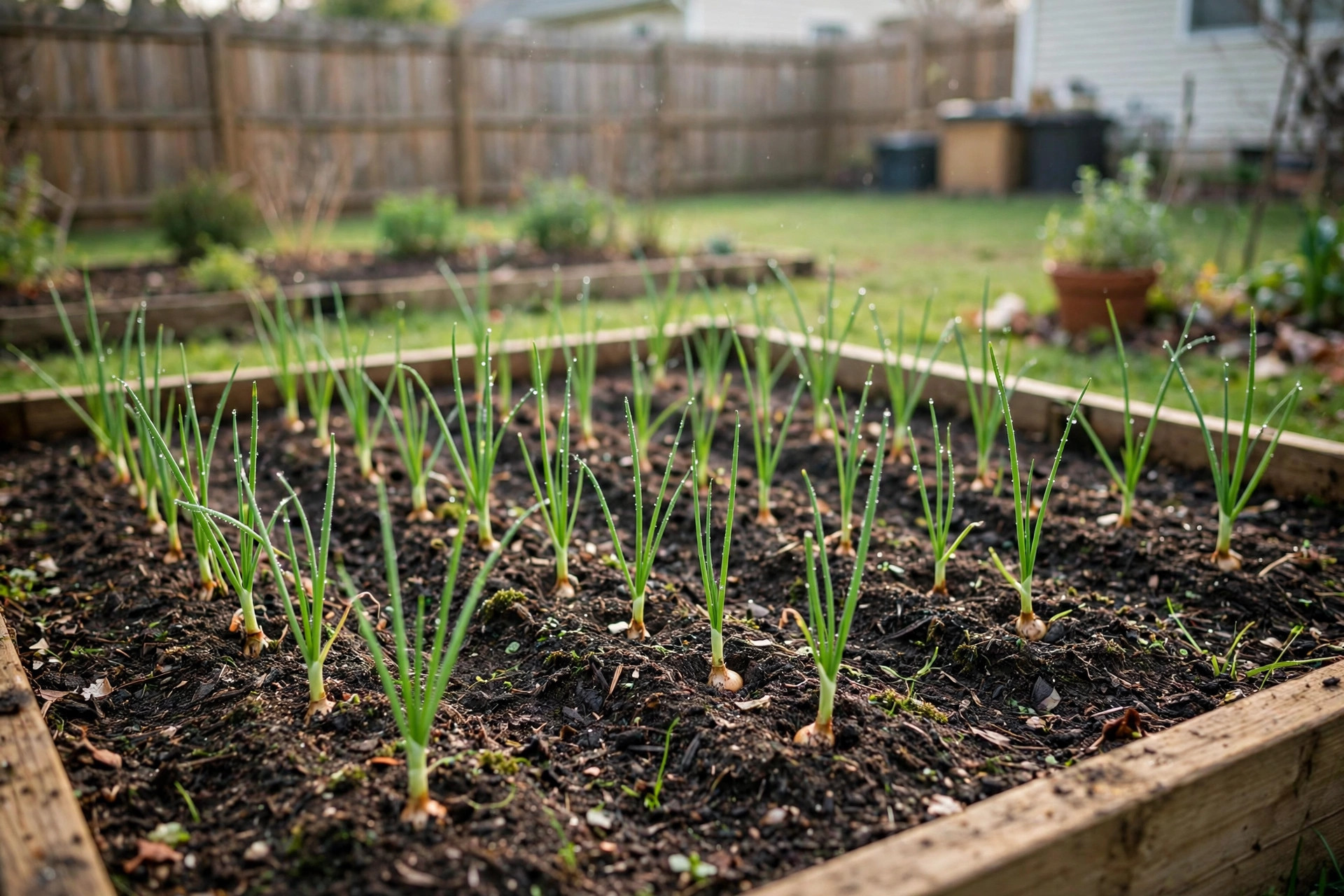
Push each set into the soil pointy end up. Plant it about one inch deep. The tip should just show above the soil. Space sets four to six inches apart. Rows should be about twelve inches apart. Firm the soil around each set.
Water the bed well after planting. The soil should be moist but not soaked. Keep the bed moist in the first few weeks. The sets need steady water to grow roots. Once the green tops are up, water about one inch per week. Rain counts toward this.
Mulch helps a lot. Spread straw or shredded leaves around the plants. Mulch holds water in the soil. It stops weeds. It keeps the soil cool in heat. Keep mulch a little away from the necks of the plants.
Weeds are the main enemy. Onion roots are shallow. Weeds steal water and food from them. Pull weeds by hand. Do this often. A weedy bed can cut the harvest in half. Mulch makes weeding easier.
For step-by-step plant care, Gardening Know How has plain articles on onion growing. The Spruce also has simple guides for vegetable gardens.
Cost and Price Guide
Onion sets are one of the cheapest crops to grow. Here is what to expect.
A small bag of fifty sets costs about three to five dollars. A bag of one hundred costs about five to eight dollars. Bulk bags of five hundred or more can cost fifteen to thirty dollars. Price per set drops as the bag gets bigger.
Fifty sets can grow about twenty to twenty-five pounds of onions. That is a strong return on a four-dollar bag. Even with fertilizer and water costs, home-grown onions cost far less than store onions.
Watch for sales. Some stores mark down sets late in the planting season. Late sets still grow. But they may be drier. Check each set before you buy a marked-down bag.
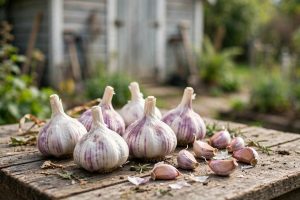
Compare garlic too if you like both crops. Garlic is planted in fall, not spring. Our garlic bulbs planting for sale usa page lists places that sell planting garlic.
Other costs are small. A bag of compost costs a few dollars. A bag of fertilizer lasts for years in a small garden. Water costs are low for one bed. Tools like a rake and hoe last for many seasons.
Care and Upkeep Through the Season
Once sets are planted, care is simple. Water them each week if rain is short. Pull weeds by hand. Watch for pests.
Onion maggots are the main pest. They are small white grubs. They eat the roots. Floating row cover keeps the flies away. The cover lets light and rain in. It keeps flies out. Put it on right after planting.
Onion rot can happen in wet soil. Good drainage stops most rot. Do not overwater. Space plants well so air moves between them.
Stop watering when the tops fall over. This is the sign that bulbs are done growing. The tops turn yellow and flop down. This happens in mid to late summer. Let the bulbs sit in the ground for a week or two after the tops fall. This hardens the outer skin. Then pull them up.
Cure the onions before storage. Spread them in a dry, shady, airy place for two to three weeks. Then trim the tops to about one inch. Store them in mesh bags in a cool, dry spot.
Nurseries like Monrovia and Proven Winners focus on ornamental plants. But their care guides teach good watering and soil habits that apply to vegetables too.
Safety Notes for Gardeners
Gardening is safe work. But a few rules help.
Wash your hands after handling soil and fertilizer. Soil can carry germs. Wear gloves if you have cuts on your hands.
Read fertilizer labels. Use only the amount the label says. More is not better. Too much fertilizer can burn plants. Store fertilizer where children and pets cannot reach it.
Some onion sprays and dusts are not safe for food crops. Read every label. Use only products marked safe for vegetables. Follow the waiting time before harvest.
Onions are not safe for dogs and cats. Keep pets out of the onion bed. Do not feed onion scraps to pets. This is a real danger. A small amount can make a dog or cat sick.
Sun safety matters in the garden. Wear a hat. Drink water. Work in the morning or evening in hot weather. Take breaks in the shade.
Frequently Asked Questions
When should I plant onion sets?
Plant as soon as the soil can be worked in spring. This is often four to six weeks before the last frost date. Onions can take light frost. Early planting gives the biggest bulbs.
How deep should onion sets be planted?
Plant sets about one inch deep. The pointy tip should just peek above the soil. Deeper planting can rot the set. Shallower planting can dry it out.
Why did my onions grow flower stalks?
This is called bolting. It happens when sets get too cold or too stressed. Large sets bolt more often than medium sets. Pick medium sets to lower the risk. A bolted onion is still safe to eat. But it will not store well.
Can I grow onion sets in containers?
Yes. Use a pot at least eight inches deep. Fill it with good potting soil. Space sets three to four inches apart. Water often. Pots dry out faster than garden beds. A large pot can grow a dozen or more onions.
How do I know when onions are ready?
Watch the tops. When most tops have fallen over and turned yellow, the bulbs are ready. This is usually mid to late summer. Let them cure in a dry, shady spot for two to three weeks before storage.
What is the difference between sets, seeds, and transplants?
Sets are small bulbs planted in spring. Seeds are started indoors weeks before planting out. Transplants are young plants sold in bundles. Sets are the easiest way to grow.
A Short Final Word
A search for onion sets planting deals near me is a good first step. It leads to local stores with fresh stock and the right types for your area. Onion sets are cheap, easy, and rewarding. Plant them early. Water and weed them. Harvest in summer. Cure and store them. With a small bag of sets and a little care, your garden can feed your kitchen for months.
References
Burpee. (n.d.). Seeds, plants, and gardening supplies. https://www.burpee.com Gardening Know How. (n.d.). Gardening guides and plant care. https://www.gardeningknowhow.com Gurney’s Seed & Nursery Co. (n.d.). Seeds, plants, and garden supplies. https://www.gurneys.com Monrovia. (n.d.). Plants for home gardens. https://www.monrovia.com National Institute of Food and Agriculture. (n.d.). Agricultural research and extension. https://www.nifa.usda.gov Park Seed. (n.d.). Seeds, plants, and gardening supplies. https://www.parkseed.com Proven Winners. (n.d.). Plants and gardening inspiration. https://www.provenwinners.com The Old Farmer’s Almanac. (n.d.). Gardening calendars and advice. https://www.almanac.com The Spruce. (n.d.). Home and garden advice. https://www.thespruce.com White Flower Farm. (n.d.). Plants, bulbs, and garden supplies. https://www.whiteflowerfarm.com
Was this guide helpful?

About David Wilson
The My Garden US editorial team writes practical, in-depth home and garden guides for American homeowners — tested advice, no fluff.
You May Also Like
Seed Starting Trays Buying Guide USA: Choose Strong Trays for Healthy Seedlings
January 13, 2026 0 views
Heirloom Vegetable Seeds for California Homes: A Plain Growing Guide
June 16, 2026 0 views
Peat Pots Seedlings USA Online Deals: A Plain Guide for Home Gardeners
August 23, 2026 0 views