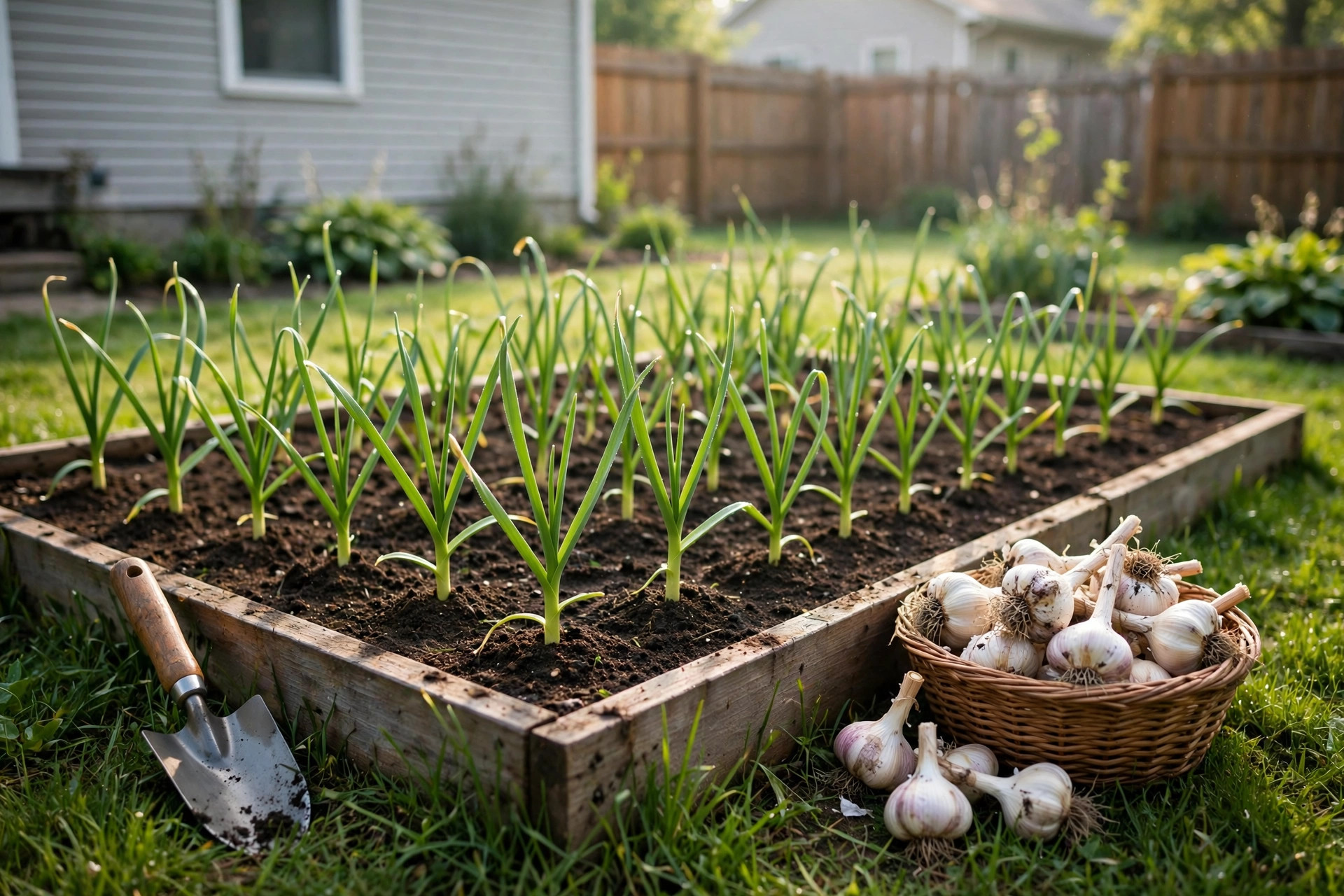
Many home gardeners in the United States buy garlic bulbs for planting each fall. The search for garlic bulbs planting for sale USA grows strong every year. Garlic is one of the simplest crops to grow. It asks little and gives back a great deal. A small bed can feed a family for months. This guide walks through every step. It covers types, buying, planting, care, cost, and storage. It is written for the new gardener and the old hand alike.
Why Garlic Is Worth Planting
Garlic ranks among the most rewarding plants for a home garden. It costs little to start. One pound of seed garlic can plant a bed fifty feet long. That same bed may yield ten to fifteen pounds at harvest. Home-grown garlic also tastes stronger and fresher than most store bulbs. Store garlic is often treated to stop sprouting. Seed garlic is not. It is grown for planting and kept healthy.
Garlic also fits a busy life. It goes into the ground in the fall. It rests through winter under a layer of mulch. It grows in spring with little help. By early summer it is ready to pull. The plant asks for sun, loose soil, and steady water. It does not need fancy tools or long hours.
Another gain is variety. Seed sellers in the USA offer dozens of types. Hardneck, softneck, and elephant garlic each have their own flavor and use. You cannot find this range at a grocery store. Growing your own opens a wide world of taste.
What to Look for When Buying: Garlic Bulbs Planting for Sale Usa
Not all garlic bulbs for planting are equal. A few signs mark good stock.
First, look at size and firmness. Bulbs should feel heavy and firm in the hand. They should have no soft spots and no mold. Loose or dry wrappers are fine. Dark stains or green shoots coming out are not.
Second, buy seed garlic, not kitchen garlic. Kitchen garlic may carry disease. It may also be a type that does not grow well in your zone. Seed garlic comes from growers who test and grade their stock. Many sellers in the USA ship bulbs in the fall. They list the variety name, the bulb size, and the zone range.
Third, match the type to your climate. Hardneck types need cold winters. They grow best in the north and in mountain areas. Softneck types like milder winters. They grow well in the south and in coastal zones. Elephant garlic is not true garlic. It is a type of leek. It grows large, mild bulbs and suits most zones.
Fourth, check quantity. Seed garlic is sold by the pound or by the bulb. A pound of hardneck holds about forty to sixty cloves. A pound of softneck holds about sixty to eighty. Plan about six inches of space per clove. One pound covers a bed of about twenty-five square feet.
Buyers often compare garlic with other fall planting stock. If you are already ordering for autumn, you may also want to look at onion sets for fall planting. Spring bulb growers often add tulip bulbs for fall planting to the same order. Flower beds benefit too from bulk dahlia bulbs.
Types of Garlic Bulbs for Planting
Hardneck Garlic
Hardneck garlic sends up a stiff flower stalk called a scape in early summer. The bulb holds a ring of large cloves around a hard center stem. Common types include Rocambole, Porcelain, and Purple Stripe. Hardneck garlic gives strong, rich flavor. It stores for four to six months. It needs a cold spell in winter, so it suits zones 3 to 7 best.
Softneck Garlic
Softneck garlic does not form a hard stalk. Its stem stays soft, which is why braids are made from it. The bulb holds many small cloves in layers. Artichoke and Silverskin are common groups. Softneck stores longer than hardneck, often eight to twelve months. It grows best in zones 5 to 9 and in mild-winter states.
Elephant Garlic
Elephant garlic makes very large, mild cloves. Each bulb weighs a half pound or more. It grows from one year to the next with little care. Its flavor is gentle and sweet. It suits gardeners who want big bulbs for roasting. Most USA sellers list it with true garlic, though it is a leek.
Which Type Should You Choose
Cold states should pick hardneck. Warm states should pick softneck. Gardeners in the middle zones can try both. Many growers plant two kinds each year. They learn which one gives the best yield in their own soil.
How to Plant Garlic: Step by Step
Garlic is planted in the fall in most of the USA. The goal is to let roots form before hard frost, but to hold off green growth until spring.
Step 1: Pick the Right Time
Plant four to six weeks before the ground freezes hard. In the north, this means late September to late October. In the south, it can mean November or even December. If you plant too early, the shoots grow tall and frost can hurt them. If you plant too late, the roots do not form and the bulbs stay small.
Step 2: Prepare the Soil
Garlic likes loose, rich soil that drains well. Dig the bed eight to ten inches deep. Mix in compost or well-rotted manure. Aim for a pH between 6.0 and 7.0. Heavy clay soil can drown the bulbs. Sandy soil can dry out. A mix of both, with good compost, works best.
Step 3: Break the Bulbs
Break the bulbs into single cloves just before planting. Keep the paper skins on each clove. Do not bruise them. Plant only the largest, healthiest cloves. Small cloves make small bulbs. Save the smallest ones for the kitchen.
Step 4: Plant at the Right Depth
Push each clove pointy end up, two to three inches deep. Space cloves six inches apart in all directions. Rows should sit eight to ten inches apart. Deeper planting helps in the far north. Shallow planting helps in warm zones where rot is a risk.
Step 5: Water and Mulch
Water the bed well right after planting. Then cover the bed with four to six inches of straw mulch. Mulch keeps the soil from freezing and thawing in fast cycles. It also holds moisture and stops weeds. Leaves or shredded bark can work, but straw is best.
Step 6: Winter Care
After mulching, garlic needs almost nothing. Check the bed once a month. If the mulch blows away, replace it. If fall rains are heavy, the bed may stay wet. Garlic rots in standing water, so good drainage matters from the start.
Spring and Summer Care
When spring comes, the green shoots push through the mulch. Pull the mulch back a little if it is thick. Water the bed with one inch of water per week. Rain counts toward this amount. Keep weeds out by hand pulling. Weeds steal water and food from the garlic roots.
Feed the plants once in early spring. A balanced garden fertilizer works well. Side-dress with a band of fertilizer a few inches from each row. Do not feed after early June. Late feeding delays bulb growth.
Hardneck growers should cut the scapes in early summer. The scape is the curling flower stem. Cut it when it makes one full curl. Cutting sends the plant’s energy into the bulb. Scapes are also good to eat. They taste like mild garlic and cook well in stir-fries.
Stop watering two to three weeks before harvest. Dry soil at the end helps the bulbs cure. Wet soil at the end can cause rot and stains on the wrappers.
Harvest and Storage
When to Harvest
Garlic is ready when the lower leaves turn brown but the top leaves stay green. Most bulbs are ready when three or four leaves have died back. This happens in June or July in most of the USA. Dig one test bulb first. The cloves should fill out the wrappers and feel firm.
How to Harvest
Loosen the soil with a garden fork. Lift each bulb gently by hand. Do not pull by the stem. Do not bruise the bulbs. Bruises shorten storage life. Lay the plants in the shade for a day or two. Then move them to a dry, airy place to cure.
Curing
Cure garlic for two to three weeks in a warm, dry spot with good air flow. A garage, a covered porch, or a shed works well. Keep it out of direct sun. After curing, trim the roots short. Cut the stems to one inch for storage. Braid softneck stems if you like the old farm look.
Storage
Store cured garlic at 55 to 65 degrees with low humidity. A pantry or a cool closet works well. Hardneck keeps four to six months. Softneck keeps eight to twelve months. Do not store garlic in the fridge. Cold and damp make the cloves sprout or mold. Check stored bulbs each month. Use any soft ones first.
Cost and Price Guide
Seed garlic in the USA costs more than kitchen garlic. Prices run from about eight to twenty dollars per pound. Rare and new types cost more. Common types cost less. A pound plants about twenty-five square feet. Shipping adds a few dollars per order. Order early in the season. Popular types sell out by late September.
Bulbs, tools, and mulch add a little more. A bale of straw mulch covers a large bed and costs a few dollars. Compost is cheap if made at home. All told, a small garlic bed may cost twenty to forty dollars to start. It can yield many pounds of garlic worth far more than that.
Common Problems and Fixes
No sprouting in spring. The cloves may have rotted in wet soil. Or they may have frozen before rooting. Plant earlier next year and fix drainage.
Small bulbs. Crowding, poor soil, or late planting cause small bulbs. Give each clove six inches of room. Feed the soil with compost.
Yellow leaves. This can mean too much water or too little food. Check drainage first. Then feed with a balanced fertilizer.
White rot. This soil disease makes white mold at the base. Remove and burn sick plants. Do not plant garlic in that spot for eight years.
Onion maggots. Small worms can eat the roots. Rotate crops each year. Cover new beds with floating row cover at planting time.
Safety Notes
Garlic is safe for most gardeners. Wear gloves when handling large amounts of seed garlic. The skins can dry and crack the hands. Wash hands after touching fertilizers. Keep mulch away from the house walls to stop pests from nesting near the home. Store garlic out of reach of small children and pets. Raw garlic in large amounts can upset a dog’s stomach.
Frequently Asked Questions
Can I plant garlic from the grocery store? You can, but results vary. Store garlic is often treated to stop sprouting. It may also carry disease. Seed garlic from a USA grower gives better results and more variety.
How many garlic bulbs should I plant? A good start is one pound for a new gardener. That makes about fifty plants. A family that cooks often may plant two to four pounds. Each pound needs about twenty-five square feet.
Do I need to peel the cloves before planting? No. Keep the paper skins on. The skins protect the clove in the soil. Peel only if the skin falls off on its own.
Can I plant garlic in a container? Yes. Use a pot at least eight inches deep. Plant cloves four inches apart. Water more often than in the ground. Containers freeze faster, so protect them in cold zones.
When should I order garlic bulbs for planting? Order in summer or early fall. Sellers ship from September to November. Popular types sell out fast. Early orders get the best pick.
How long does home-grown garlic keep? Cured hardneck keeps four to six months. Cured softneck keeps up to a year. Store in a cool, dry place. Use soft bulbs first.
A Final Word
Garlic is a patient crop. It goes in the ground in fall and pays you back in summer. The work is simple and the reward is real. Buy firm, healthy bulbs from a trusted seller. Plant them at the right depth and time. Mulch them well for winter. Then let the seasons do their work. Your first harvest of home-grown garlic will taste better than any store bulb you have ever bought.
For more background, see Park Seed, Gurney’s Seed & Nursery Co, and White Flower Farm. For more background, see Monrovia, Proven Winners, and Gardening Know How. Buying guides are also published by The Old Farmer’s Almanac and The Spruce.
References
Gardening Know How. (n.d.). Gardening guides and plant care. https://www.gardeningknowhow.com Gurney’s Seed & Nursery Co. (n.d.). Seeds, plants, and garden supplies. https://www.gurneys.com Monrovia. (n.d.). Plants for home gardens. https://www.monrovia.com Park Seed. (n.d.). Seeds, plants, and gardening supplies. https://www.parkseed.com Proven Winners. (n.d.). Plants and gardening inspiration. https://www.provenwinners.com The Old Farmer’s Almanac. (n.d.). Gardening calendars and advice. https://www.almanac.com The Spruce. (n.d.). Home and garden advice. https://www.thespruce.com White Flower Farm. (n.d.). Plants, bulbs, and garden supplies. https://www.whiteflowerfarm.com
Was this guide helpful?

About Robert Taylor
The My Garden US editorial team writes practical, in-depth home and garden guides for American homeowners — tested advice, no fluff.