
Introduction
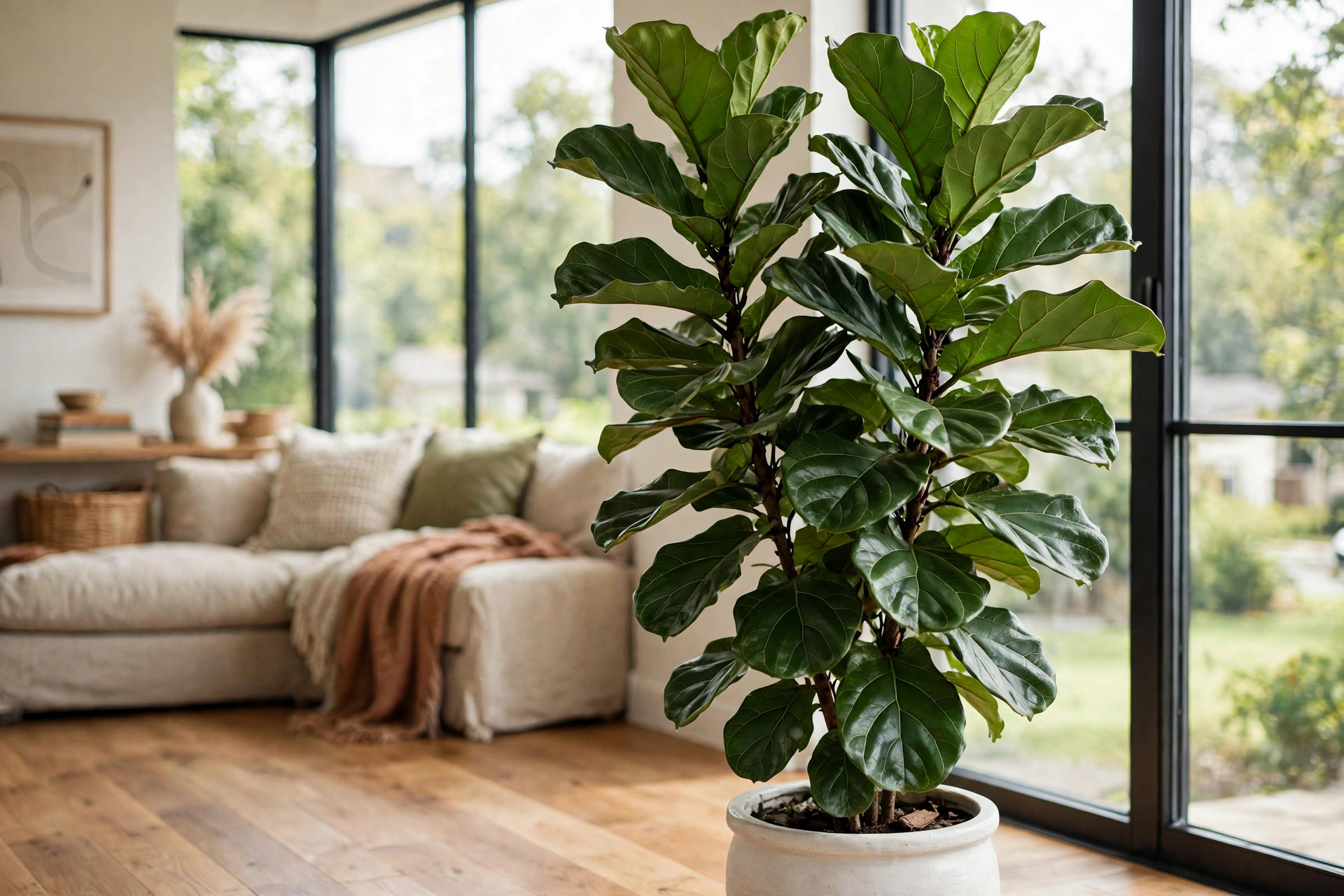
This fiddle leaf figs reviews buying guide usa will help you buy with care. A fiddle leaf fig is a tall house tree with large green leaves. The leaves look like the body of a fiddle. That is how the plant got its name. Many homes in America keep one near a window.
Reviews of these plants are mixed. Some buyers love their tree for years. Others watch it drop leaves in the first month. The difference is the plant you pick and how you treat it in the first weeks. A good buying guide can save you money and stress.
You will learn what a healthy plant looks like, the types sold in the USA, fair prices, and simple care steps. Read it once before you shop. You will walk into the garden center with a clear plan.
Why Buying the Right Fiddle Leaf Fig Matters: Fiddle Leaf Figs Reviews Buying Guide Usa
The fiddle leaf fig has a strong name in home decor. It shows up in photos of fine living rooms. It looks grand and simple at the same time. That fame makes it one of the most bought indoor trees in the country, and one of the most returned. Many buyers pick a weak plant and do not know it until the leaves fall.
A good plant is worth the care. A tall tree can live for ten years or more indoors. Each new leaf is a small win. A poor plant starts weak and stays weak. It drops leaves at the first change. You cannot fix a sick root system with more water. You must start with a sound plant.
Reviews from buyers tell the same story. The grower pages of a large nursery show healthy trees grown with care. Happy buyers mention full leaves and strong stems. Sad buyers mention brown spots and falling leaves on arrival. The gap is the quality at the time of sale. This guide will teach you to spot quality before you pay.
Money matters too. A large fiddle leaf fig can cost over one hundred dollars. That is a real purchase. You should not buy a costly plant without a check either. A few minutes of review in the store can protect your wallet.
What to Look For When You Buy a Fiddle Leaf Fig
Leaves
Look at the leaves first. They tell you the most about plant health. A healthy fiddle leaf fig has deep green leaves. The leaves feel thick and firm. They stand firm from the stem. One or two small brown spots are normal on a young plant. Many spots are a warning sign.
Check the bottom leaves too. Turn the plant slowly. Look for yellow leaves near the base and leaves that curl at the edges. Curling can mean too little water or air that is too dry. Pick a plant with flat, even leaves.
New growth is a good sign. Look at the top of the stem. A small green bud means the plant is active. It is still growing. A plant with new buds will adjust to your home much faster. If you are still unsure, read our fiddle leaf fig buying guide for more photos of what to check.
Trunk and Roots
The trunk should be straight and firm. Push it lightly with one finger. It should not wobble in the soil. A loose trunk can mean weak roots. The bark should be smooth and free of cuts. Avoid plants with tape or string holding the trunk up.
Ask the seller if you can lift the plant from its pot. Many good shops allow this. The roots should fill the soil but not choke it. White or light tan roots are healthy. Dark, mushy roots are rotten. If the roots circle the bottom in a thick mat, the plant is root bound. It may still live, but it will need a new pot soon. The Almanac planting advice pages remind buyers that root health decides the future of any potted plant.
Pot Size and Soil
Most fiddle leaf figs sell in pots from six to fourteen inches. The pot should match the plant. A small tree in a huge pot may have wet soil around the roots. A huge tree in a tiny pot will dry out fast. The plant should look settled, not stuffed or lost.
The soil should drain well. Press the top of the soil with your finger. It should feel light and loose. It should not feel like wet clay. Bark and perlite keep the mix light. If the soil smells sour, walk away. Sour soil means rot has already started. A garden advice site with care articles also warns about heavy soil for indoor figs.
Types and Options Sold in the USA
Tall Tree Form
The tall tree form is the classic look. One straight trunk rises up. Branches hold big leaves near the top. These trees stand four to eight feet tall in stores. They cost the most. They also make the strongest statement in a room. The grower listings of a Connecticut nursery often show this form at its finest.
Bushy Multi-Stem Form
The bushy form has several stems in one pot. It looks full from the soil up. This form is easier for new plant owners. If one stem drops leaves, the others still look fine. Bushy plants cost less than tall trees. They fit well on a table or a low stand. Many apartment buyers pick this form. It gives a lot of green for a fair price.
Bambino and Dwarf Forms
The bambino is a small cousin of the full-size tree. Its leaves are smaller and rounder. The whole plant grows slowly. A bambino in a six-inch pot can sit on a desk for years. Dwarf forms are perfect for small rooms. They need the same care as the big ones. The price is lower, often under thirty dollars. A mail-order garden firm catalog sometimes lists compact indoor plants like these for small spaces.
Buyers who want other bold indoor plants may also like a monstera for the living room. It has split leaves and a wild look. But for height and grace, the fiddle leaf fig still leads.
Cost and Price in the USA
Prices depend on size, form, and seller. Here is what reviews and store lists show across the country.
A small plant in a four to six inch pot costs fifteen to thirty dollars. These are often bambino or young bushy plants for desks and shelves. Big box stores sell them at the low end. Local nurseries charge a bit more for better care.
A medium plant in an eight to ten inch pot costs forty to ninety dollars. This is the most common size. It stands two to four feet tall. It works in a living room corner. Garden centers and online shops both carry this size. Check reviews before you order online. Shipping can stress the leaves.
A large tree in a twelve to fourteen inch pot costs one hundred to two hundred fifty dollars. Buy these in person when you can. You want to see every leaf before you pay that much.
Online prices often add shipping. A plant that costs sixty dollars in a store may cost ninety online with freight. A trusted nursery guide to indoor trees notes that shipping stress is the top complaint in buyer reviews. If you order online, pick a seller with a live arrival promise.
Watch for deals in spring. Nurseries stock up when the growing season starts and prices dip. Fall and winter bring higher prices and weaker plants that have sat in low light for months.
Care and Upkeep
Light
Light is the first need. Place your tree near a bright window. East or south facing windows work best in most homes. The plant wants bright light but not harsh noon sun, which can burn the leaves. A sheer curtain softens strong light. If the room is dark, the tree will drop leaves.
Turn the pot a quarter turn each week. This keeps growth even. The side toward the window grows faster. Turning stops the tree from leaning. A seed house that also sells houseplants gives the same tip for all tall indoor plants.
Water
Water with care. This is where most owners fail. The tree likes soil that dries a bit between drinks. Push your finger two inches into the soil. If it feels dry, water well. If it feels damp, wait. Water until it runs from the bottom holes. Empty the saucer after. Roots that sit in water will rot.
In summer you may water once a week. In winter you may water once every two weeks. There is no fixed schedule. Your finger is the best tool. Steady, patient watering beats any fancy meter.
Feeding and Soil
Feed the plant in spring and summer. Use a balanced liquid fertilizer at half strength. Feed once a month during growth. Stop feeding in fall and winter, when the plant rests. Too much food burns the roots.
Repot every two to three years. Move up one pot size. Fresh soil gives new food to the roots. Spring is the best time to repot. The plant heals fast in warm months. Use a mix that drains well. Bark and perlite keep air near the roots.
Pruning and Cleaning
Dust the leaves once a month. Big leaves catch dust fast. Dust blocks light. Wipe each leaf with a damp cloth. This keeps the plant bright and healthy, and lets you spot pests early.
Prune in spring if the tree grows too tall. Cut just above a leaf node. New branches often sprout below the cut. Wear gloves. The sap can irritate skin. Never cut more than one third of the plant at once. A garden retailer with pruning guides makes the same point for woody houseplants.
Safety
The fiddle leaf fig is not safe for pets or small children to chew. The leaves hold a sap that can upset the stomach. Cats and dogs may feel sick if they bite the leaves. Keep the plant where pets cannot reach it. A tall stand or a closed room works well.
The sap can also irritate human skin, so wash your hands after pruning and keep cut stems away from eyes. Federal plant research pages note that many common houseplants carry this kind of mild risk. If a child eats part of a leaf, call your local poison control center.
Place the pot where it will not tip. Use a heavy ceramic pot for large trees and keep it away from paths where people brush past. A stable pot and a smart spot solve most risks.
Frequently Asked Questions
Why are my fiddle leaf fig leaves falling off?
Falling leaves are the most common complaint in reviews. The cause is often a sudden change. The plant may have moved from store to home. Light, heat, and water all changed at once. The tree drops leaves to save energy. Give it steady light and careful water. New leaves will come in a few weeks.
How much light does a fiddle leaf fig need?
It needs bright, soft light for most of the day. A spot near an east or south window is ideal. It can take some direct morning sun. It dislikes dark corners. If new leaves are small and pale, the light is too low. Move the plant closer to the window. A sheer curtain will guard against harsh midday rays.
Can I keep a fiddle leaf fig alive in a small apartment?
Yes. Pick the bambino form or a young bushy plant. It fits on a table or a plant stand. Give it the brightest window you have. Turn it weekly. Water with care. Small plants need the same rules as big ones, and many owners in city flats keep one for years. If you want an even easier plant, read about the snake plant for indoor rooms. It forgives more mistakes.
Is a fiddle leaf fig safe for cats and dogs?
No. The leaves and sap can upset a pet’s stomach. Pets that chew the leaves may drool or vomit. Keep the plant out of reach. Hang it high or place it in a closed room. Ask your vet if your pet eats part of the plant.
How often should I water my fiddle leaf fig?
Water when the top two inches of soil feel dry. This may be once a week in summer. It may be once every two weeks in winter. Always check the soil first. Pour water until it drains from the bottom. Empty the saucer. When in doubt, wait one more day.
Should I buy a fiddle leaf fig online or in a store?
Both can work. Stores let you check every leaf before you buy. You bring the plant home the same day. No shipping stress. Online shops offer more sizes and forms. Read the reviews first and pick a seller with a live arrival promise. Spring orders arrive in better shape than winter orders. If this is your first tree, buy in person. You will learn what a healthy plant looks and feels like.
A Final Word
The fiddle leaf fig earns its fame. It is tall, bold, and full of life. It asks for steady light, careful water, and a little patience. Buyers who check reviews and pick a healthy plant do well. Use this guide when you shop. Check the leaves. Check the roots. Pick the right size for your room. Then give your tree a bright spot. In time it will reward you with strong new growth and a room that feels alive.
Related guides on this site include heirloom vegetable seeds buying guide usa, organic herb seeds buying guide usa, and wildflower seed mixes buying guide usa.
References
Burpee. (n.d.). Seeds, plants, and gardening supplies. https://www.burpee.com Gardening Know How. (n.d.). Gardening guides and plant care. https://www.gardeningknowhow.com Gurney’s Seed & Nursery Co. (n.d.). Seeds, plants, and garden supplies. https://www.gurneys.com Monrovia. (n.d.). Plants for home gardens. https://www.monrovia.com National Institute of Food and Agriculture. (n.d.). Agricultural research and extension. https://www.nifa.usda.gov Park Seed. (n.d.). Seeds, plants, and gardening supplies. https://www.parkseed.com The Old Farmer’s Almanac. (n.d.). Gardening calendars and advice. https://www.almanac.com The Spruce. (n.d.). Home and garden advice. https://www.thespruce.com White Flower Farm. (n.d.). Plants, bulbs, and garden supplies. https://www.whiteflowerfarm.com
Was this guide helpful?

About David Wilson
The My Garden US editorial team writes practical, in-depth home and garden guides for American homeowners — tested advice, no fluff.
You May Also Like
Daffodil Bulb Packs for Sale USA: How to Buy and Plant With Confidence
May 16, 2026 0 views
How to Grow Marigolds: Easy USA Flower Guide
October 6, 2026 4 views
Organic Herb Seeds Buying Guide USA: How to Choose the Best Packets for Your Garden
September 7, 2026 0 views