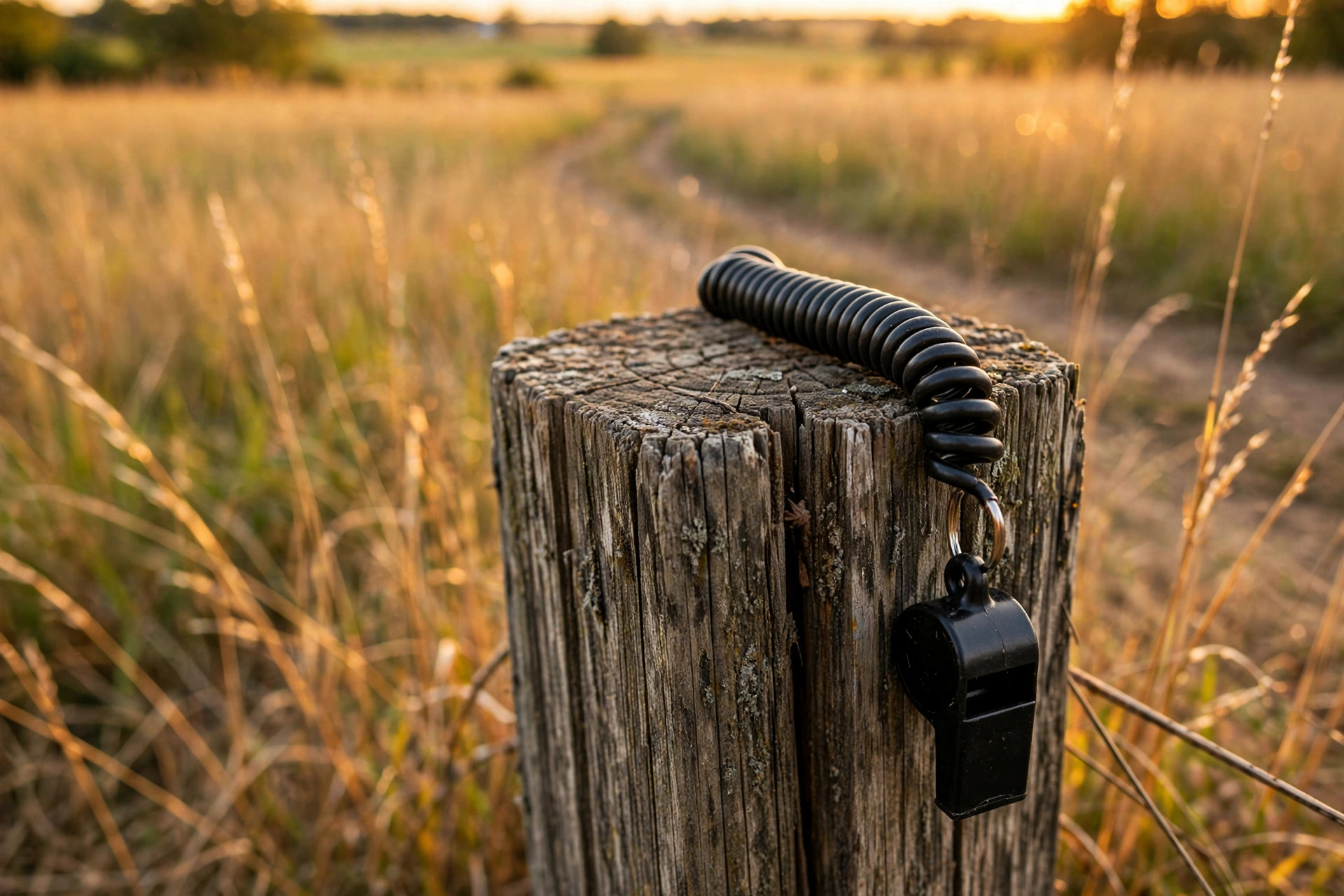
A hunting dog works far from your side. Birds rise. Cover gets thick. Wind carries scent. In that moment, your voice may not reach your dog. Shouting can tire your throat. It can also spook game. The best dog whistle for recall training hunting solves this problem in a simple way. It gives you a clear, sharp signal that cuts through wind and brush. Dogs learn to hear it as a command. They learn to come back to you at once. This guide explains what to look for, how the types differ, and how to train a reliable recall step by step.
Why a Whistle Beats a Shout in the Field
Hunters have used whistles for many years. A whistle carries farther than a shout. It also stays the same every time. Your voice changes when you are tired. It changes when you are excited. A whistle does not change. It gives one clean note or a set of short blasts. Your dog learns that sound fast.
A whistle is also kinder to the land. Loud shouting can push birds out of range. A few crisp blasts of a whistle make less noise. They tell your dog what to do without alerting every animal in the county. For these reasons, most serious hunting dog trainers teach the whistle early. The dog learns the recall on the whistle before it ever sees a real hunt.
A recall is the most important command a hunting dog can learn. A dog that does not come back is a dog you cannot trust off leash. In the field, that lack of trust can be dangerous. The dog may chase a deer onto a road. It may wander into posted land. A whistle gives you a tool to call the dog back at once, even when it is out of sight.
What to Look for in a Dog Whistle: Best Dog Whistle for Recall Training Hunting
Not all whistles are the same. Small details matter when you buy one. The list below covers the points that count most.
Pea Whistles and Pealess Whistles
A pea whistle holds a small ball inside. When you blow, the ball spins and makes a trill. This is the classic coach whistle. It is loud and easy to hear. The drawback is the pea itself. In cold weather, spit can freeze the ball in place. The whistle then goes silent. A pealess whistle has no moving part. It uses a shaped chamber instead. Pealess designs work in rain and cold. Many hunters prefer them.
Silent Whistles
A silent whistle makes a very high tone that people barely hear. Dogs hear it well. Veterinary sources note that dogs hear far higher pitches than people do. Hunters call these ultrasonic whistles. They are useful when you want to stay quiet near game. A screw on the whistle changes the pitch. You set it to the tone your dog answers best. Silent whistles take more care to use. You must learn to blow them the same way each time. Some handlers find them harder to read in wind.
Sound Range and Tone
A good field whistle carries at least a few hundred yards. Some claim longer range. In real use, wind and trees cut the range down. A higher pitch cuts through noise well. A lower pitch travels farther in calm air. Most hunting whistles sit in the high range that dogs hear best. Pick a whistle you can hear yourself. If you cannot tell what you blew, you cannot be sure what your dog heard.
Comfort and Lanyard
You will carry this whistle all day. It should hang around your neck on a cord or lanyard. The mouthpiece should feel comfortable. A whistle that hurts your teeth will not get used. Look for a smooth mouthpiece with no sharp edge. A breakaway lanyard is a nice safety touch. It lets the cord pull free if it catches on brush.
Types of Dog Whistles Hunters Use
The two main types in the hunting world are the single-note whistle and the multi-note whistle. A single-note whistle gives one tone. You blow short blasts or one long blast. The pattern you choose becomes the command. Many trainers use three short blasts for recall. Others use one long blast.
A multi-note whistle, like the classic shepherd pipe, can make several tones. Handlers use rising or falling notes for different commands. These whistles ask for more skill. They reward the handler who practices. For most hunters, a simple single-note pealess whistle does the whole job, according to many field gear reviews. Keep it simple. Simple commands get learned faster.
How to Choose the Right Whistle for Your Dog
Start with your dog. A young pup may answer a softer tone. A hard-running adult dog may need a louder blast. Watch how your dog reacts to sound in the yard. A shy dog may do better with a silent whistle, while a bold dog may need the strong note of a pealess field whistle.
Think about where you hunt. Open fields call for a loud whistle with long range. Thick timber calls for a sharp tone that cuts through brush. If you hunt ducks from a blind, you may want a quiet tool that does not alarm birds. Waterfowl groups often favor low-noise handling for this reason. Match the whistle to the ground you walk most.
Ask your trainer what the local group uses. Upland hunting clubs and hunt test groups often share a common whistle pattern. Your dog will face less confusion when the pattern matches.
Read the specs on range and pitch, but trust your ear in the end. Blow the whistle before you buy if you can. Steady hands and steady lips matter more than any brand name.
Training a Reliable Recall with the Whistle
A whistle is only a tool. The recall itself must be trained. The steps below follow the method most hunting dog trainers use. They move slow on purpose. Rushing a young dog is the most common mistake.
Begin in the Yard
Start at home where there are few distractions. Let the dog wander a short distance on a long line. Blow your chosen recall pattern. Then reel the dog in gently with the line. When the dog reaches you, praise it and give a treat. Repeat this many times over several days. The dog learns that the whistle means good things happen at your side.
Keep sessions short. Five or ten minutes once or twice a day is enough, and always end on a win. Patience now pays off later.
Some trainers add a raised hand signal with the whistle as backup in strong wind. Teach it in the yard too.
Move to the Field
Once the dog comes fast in the yard, move to a larger open space. Use a long check cord at first. Let the dog range out. Blow the recall pattern. If the dog comes, praise it well. If it does not, use the cord to guide it in. Do not repeat the blast over and over. One clear pattern, then act. Repeating the sound teaches the dog to ignore it.
Add distance a little at a time, then add mild distractions. Hunting publications offer many field-training drills for this stage. Each step should feel easy before you take the next one.
This is also the time to proof the recall. Proofing means testing the command in hard moments. Blow the whistle when the dog is sniffing something fun. Blow it when another dog is near. Reward a fast return every time. A recall that works only when nothing else is happening is not a real recall.
Keep the Habit Strong
A trained recall needs upkeep. Blow the whistle for recall in every training session. Call the dog in from a distance and reward it. Never call the dog to you to scold it. The whistle must always mean good news. If you need to correct the dog, walk to it instead. Protect the meaning of the sound.
Practice in all seasons. A dog that recalls well in fall may get rusty by spring, so run short refresher sessions through the year.
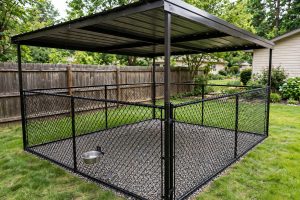
Many handlers pair whistle work with other field gear. A GPS collar helps track a wide-running dog while the whistle calls it home. A sturdy outdoor dog run gives the dog safe exercise between training days; materials for one can be found at home improvement stores., and a good harness keeps a strong young dog under control on the walk to the field.
Cost and Price
Dog whistles are among the cheapest tools in hunting. A basic plastic field whistle costs a few dollars from pet supply stores. A well-known pealess whistle may cost ten to twenty dollars. Silent whistles with adjustable pitch sit in the same range. Outdoor retailers also stock premium wooden and horn whistles that can cost thirty dollars or more.
Do not judge by price alone. An expensive whistle does not train the dog. A cheap whistle in skilled hands beats a costly whistle in careless hands. Buy two of the same whistle instead. Keep one in your vest and one in your truck. A lost whistle on a hunting trip is a common mishap. A spare saves the day.
Replacement lanyards and cords cost little. The total cost of whistle, spare, and cord rarely tops twenty-five dollars. Few tools in the hunting world give that much value for so little money.
Care and Upkeep
A whistle needs little care. Rinse it after use in the field, as pet care guides suggest. Mud and grit can dull the tone of a pea whistle. A pealess whistle is tougher but still likes a rinse. Let it dry fully before you store it. Do not leave it baking in a hot truck. Heat can warp cheap plastic and change the pitch.
Check the lanyard now and then. Sun and sweat wear cords out. A frayed cord can snap at the worst moment. Replace the cord when it looks worn. If you use a silent whistle, check the pitch screw from time to time. A loose screw can drift and change the tone. Your dog notices that change even if you do not.
Store whistles in a dry pouch in your vest. Keep the spare in a zip bag in your truck. A minute of care after each outing keeps the whistle true for years.
Safety
Whistles are safe tools, but a few cautions apply. Animal welfare groups remind owners to keep all training gear where small hands cannot reach it. Do not blow a loud whistle right next to your dog’s ears. Stand a few feet away. The sound is meant to carry far. Close up, it can hurt. Train young pups with softer blasts until they show no fear.
When you hunt, the breakaway lanyard protects you if the cord snags on a branch.
Hearing matters for you too. A powerful field whistle can reach high decibels. Do not test-blast it indoors or next to another person. Point it away from people when you try a new whistle. Common sense keeps the tool safe for everyone.
Frequently Asked Questions
At what age can I start whistle training with a puppy? You can start as early as eight to ten weeks. Keep it light. Blow a soft recall pattern and reward the pup for coming to you. Short, happy sessions build a good habit. Do not push distance or distractions until the pup is several months old.
Should I use a pea whistle or a pealess whistle for hunting? Most hunters choose pealess. It works in cold and wet weather without freezing up. The little ball in a pea whistle can stick when it counts.
How far will my dog hear the whistle? A good field whistle carries several hundred yards in calm air. Wind, trees, and hills cut that range. In heavy cover, expect less. Train within the range you actually hunt. Do not let the dog range past the distance your whistle reaches.
Can a silent whistle really stay silent to people? Mostly, yes. People hear a faint hiss or nothing at all. Dogs hear the high tone clearly. This makes silent whistles handy near shy game. You still need to blow them the same way each time. An unsteady hand gives an unsteady note.
My dog ignores the whistle in the field. What went wrong? The recall was not proofed. The dog learned the whistle in the yard but never learned it around distractions. Go back a step. Use a long line. Reward fast returns. Add distractions slowly. Do not blame the whistle. Blame the missing steps in training.
Do I still need a voice recall if I use a whistle? Keep both. The whistle is your main field tool. The voice is your backup at close range. Teach each one on its own. Some handlers use the voice in the house and the whistle outside. Clear habits keep the dog sure of what each signal means.
A Short Final Word
A dog whistle is a small thing. It weighs almost nothing. It costs almost nothing. Yet it can be the most important tool you carry. A hunting dog that recalls to the whistle is a dog you can trust. That trust opens up the whole field to both of you. Choose a whistle you can blow the same way every time. Train the recall in small, honest steps. Keep the meaning of the sound clean and good. Do that, and the best dog whistle for recall training hunting becomes more than a tool. It becomes a language between you and your dog.
References
American Kennel Club. (n.d.). Dog care and training resources. https://www.akc.org ASPCA. (n.d.). Pet care and animal welfare resources. https://www.aspca.org Cabela’s. (n.d.). Hunting, fishing, and outdoor gear. https://www.cabelas.com Chewy. (n.d.). Pet supplies. https://www.chewy.com Ducks Unlimited. (n.d.). Waterfowl conservation and habitat. https://www.duckunlimited.org Field & Stream. (n.d.). Hunting and fishing news and gear. https://www.fieldandstream.com Outdoor Life. (n.d.). Hunting, fishing, and survival. https://www.outdoorlife.com PetMD. (n.d.). Pet health information. https://www.petmd.com Pheasants Forever. (n.d.). Upland habitat conservation. https://www.pheasantsforever.org The Home Depot. (n.d.). Home improvement products. https://www.homedepot.com The Spruce Pets. (n.d.). Pet care guides and product reviews. https://www.thesprucepets.com
Was this guide helpful?

About James Carter
The My Garden US editorial team writes practical, in-depth home and garden guides for American homeowners — tested advice, no fluff.