
Introduction
Homeowners who search for native grass seed where to buy usa usually share one aim. They want a lawn that belongs to the land where it grows. Native grasses fit local soil. They fit local rain. They fit the hot summers and cold winters of their region. This guide explains where to find native grass seed in the USA. It also covers what to look for on the label, how much seed costs, and how to give it a strong start.
Why Native Grass Seed Matters: Native Grass Seed Where to Buy Usa
Native grasses once covered much of this country. Great plains, prairies, and meadows held deep roots and wide seed heads. These plants evolved with local weather and local soil. They ask for less water than common turf grass. They ask for less fertilizer. Many need no pesticides at all. That saves money and protects streams and ponds.
A native lawn also helps wildlife. Birds eat the seeds. Bees visit the seed heads. Butterflies rest in the tall stems. Native grass seed grown from local ecotypes keeps these ties strong. Plants that evolved near your home feed the insects and birds that live near your home.
Many cities and counties now reward low-water yards. Some give rebates for lawn removal. Others limit watering days. Native grass meets these rules well. Once the roots settle, most native grasses stand up to dry spells that turn common lawns brown.
What to Look for When You Buy Native Grass Seed
Seed quality decides how your lawn turns out. Read the label with care. A good bag of seed tells you exactly what is inside.
Check the Seed Label
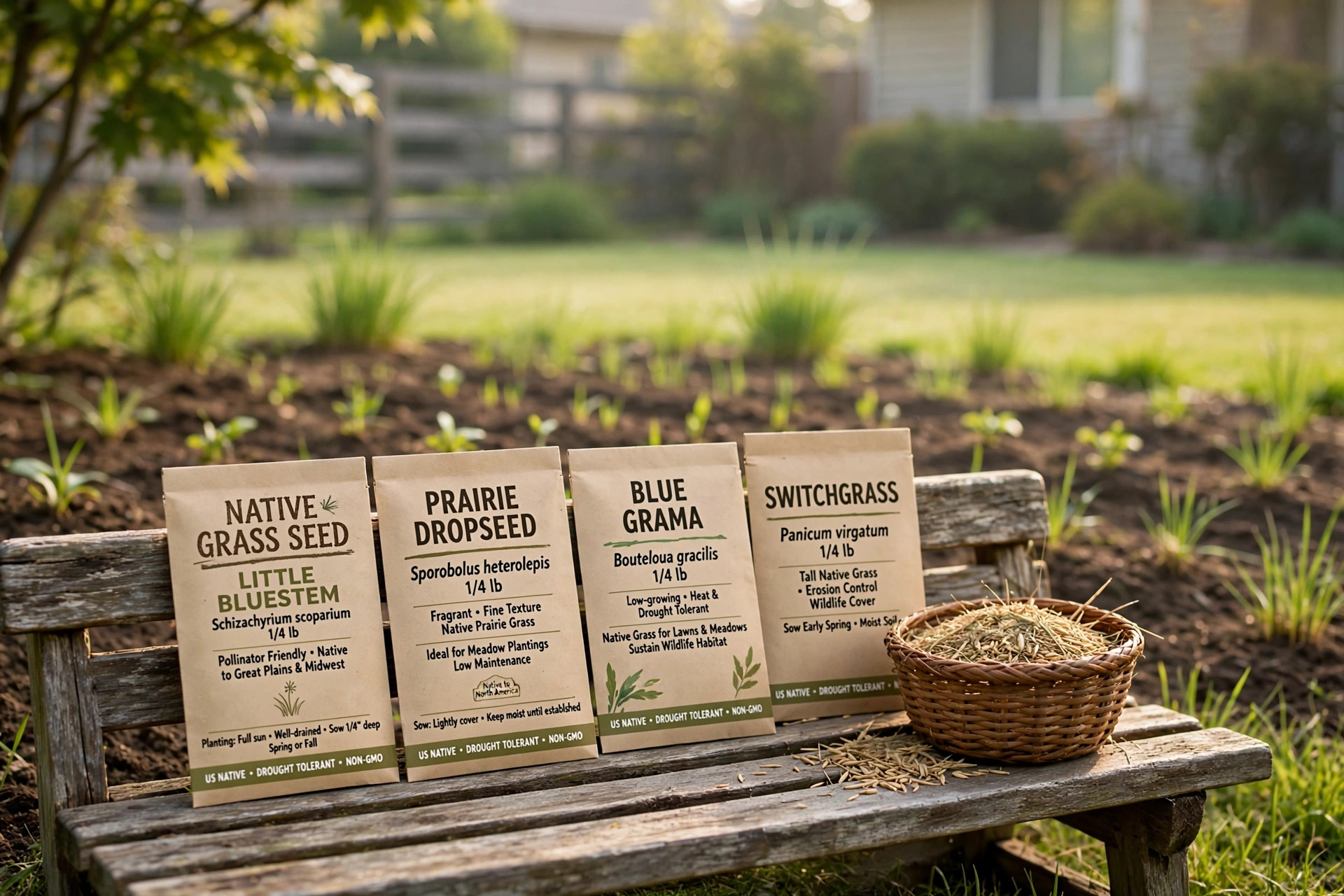
The tag should list the species by Latin name. Buffalo grass appears as Bouteloua dactyloides. Blue grama appears as Bouteloua gracilis. Little bluestem appears as Schizachyrium scoparium. These names let you know the seed is true to type.
Look for the purity number. High purity means few weed seeds and little filler. Look for the germination rate. A rate above 80 percent is strong. Check the test date. Seed tested within the last year gives the best chance of growth.
Avoid bags that list only “grass seed mix” with no species names. Vague labels hide cheap filler grass. True native seed companies name every species on the tag.
Local Seed vs. Imported Seed
Seed grown near your state is called local ecotype seed. It carries the genes of plants that lived through your winters and your summers. It usually grows faster and lasts longer than seed grown far away. Ask the seller where the seed was grown. Good sellers answer this question with pride.
Regional seed also matches your day length and your rainfall pattern. A buffalo grass from Texas seed fields may struggle in a Montana yard. If you buy native grass seed online, choose a company that asks for your zip code or planting zone.
Types of Native Grass Seed Options
Not all native grasses work in all yards. The right type depends on your climate and your plans for the lawn.
Warm Season Native Grasses
Warm season grasses grow best in the southern and central states. They wake up in late spring and grow through summer heat.
Buffalo grass forms a soft, low lawn that needs little mowing. It spreads by runners and fills bare spots on its own. Blue grama stands a bit taller and shows pretty seed heads that look like eyebrows. Both handle drought with ease.
These grasses turn tan in winter. They green up again when warm rain returns. Many homeowners in dry states prefer this trade because the water savings are large.
Cool Season Native Grasses
Cool season grasses suit the northern states. They grow in spring and fall and rest during summer heat.
Fine fescues are the most common choice. Sheep fescue and hard fescue make a fine, soft lawn that tolerates shade. They need little fertilizer and grow slowly, so mowing takes less work. Creeping red fescue spreads to fill gaps.
These grasses stay green longer into fall than warm season types. They wake up early in spring. In cool, moist states they make a fine lawn with modest care.
Seed Mixes and Blends
Many sellers offer mixes that combine two or more species. A mix spreads risk. If one species struggles in a dry spot, another may thrive there. Mixes also look more natural, like a real prairie.
Read the mix label before you buy. Make sure every species in the blend is native to your region. Some mixes include quick-growing nurse grasses that hold the soil while slow natives settle in. These nurse grasses are often annuals that fade after one year. That is normal and useful.
Gardeners who like flowers can pair native grass with native blooms. A wildflower seed mix sown with grass gives a meadow look that needs almost no care.
Where to Buy Native Grass Seed in the USA
Good seed is easy to find once you know where to look. Each type of seller has its own strengths.
Online Seed Companies
Specialty seed companies offer the widest choice. They carry species that local stores never stock. They ship fresh seed with test dates and germination rates. Many let you buy by the pound for small yards or by bulk bag for large fields.
Start with well-known seed houses. Burpee sells garden seed with long-tested quality. Park Seed offers a broad range for home gardeners. Gurney’s serves growers across many states. White Flower Farm and Monrovia carry plants and seed selected for strong garden performance. Proven Winners supplies tested varieties through garden centers nationwide.
For advice on planting times and zones, The Old Farmer’s Almanac gives plain, useful guides. Gardening Know How answers common sowing questions in clear steps. The Spruce covers lawn care basics for beginners.
If you want to buy native grass seed online, compare shipping costs before you order. Seed is heavy. A small price difference per pound can disappear once freight is added. Check the seller’s return policy for seed that tests poorly.
Garden Centers and Nurseries
Local garden centers carry seed suited to your area. Staff can tell you which species grow well in nearby yards. They know the local soil and the local weather. This personal advice is hard to beat.
Independent nurseries often stock local ecotype seed from regional growers. Ask whether the seed came from your state or a nearby state. Nurseries that serve prairie restoration projects usually have the freshest, purest seed.
Big-box garden departments stock common mixes at low prices. The choice is narrower, and the seed may not be local. For simple yards in common zones, these bags can still work well. Many garden centers also carry indoor plants alongside seed, so shoppers hunting a deal can read a monstera plants sale guide before they visit.
Farm Supply Stores
Farm and ranch supply stores sell seed in bulk. Prices per pound are often the lowest anywhere. This suits large lawns, fields, and rural property. Bags range from five pounds to fifty pounds.
Bulk seed still needs a good label. Check the test date and the species list even at a farm store. Some farm seed is grown for forage, not for lawns. Forage types can grow tall and coarse. Ask for turf-type or lawn-type native seed if you want a yard you can mow.
Cost and Price
Native grass seed costs more per pound than common lawn seed. A pound of buffalo grass seed may cost three to five times more than a pound of fescue blend from a big-box store. There are good reasons for the price.
Native seed is harder to harvest. Seed heads ripen unevenly. Cleaning and testing cost money. Demand is smaller than for common turf, so growers cannot spread costs across huge volumes. Still, the price gap closes fast when you count water and fertilizer savings over the years.
Expect to pay roughly 8 to 20 dollars per pound for common native species in small packets. Bulk bags of 10 to 50 pounds bring the per-pound price down. Most lawns need 3 to 5 pounds of seed per 1,000 square feet, depending on the species.
Shop early in the year. Prices rise in spring when demand peaks. Fall sales can save money, and fall is the best planting season in many regions. Buying a year ahead and storing seed cool and dry is a smart move for large projects.
Planting and Care
Native grass asks for less care than a standard lawn, but the first year matters most. Young seedlings need steady help until roots grow deep.
When to Plant
Late summer and early fall are the best times in most of the country. Soil is warm. Weed pressure falls. Rain comes more often. Seed sown in September has months to root before winter.
Spring planting works too, especially in northern states. Wait until soil stays above 55 degrees. Late spring weeds can crowd young grass, so spring lawns need more weeding in year one.
The USDA National Institute of Food and Agriculture supports research on seed and soil health that guides these timing rules.
How to Sow the Seed
Start with bare or nearly bare soil. Kill old grass with smothering or shallow tilling. Do not till deep. Deep tilling brings buried weed seeds to the surface.
Spread the seed evenly. A hand spreader or a small broadcast spreader works for most yards. Walk in two directions, north to south and then east to west, with half the seed each way. This gives even cover.
Press the seed into the soil with a roller or by walking over the area. Good seed-to-soil contact is the most important step. Then spread a thin layer of straw mulch to hold moisture. Keep the mulch light so sunlight reaches the soil.
Water and Mowing
Water lightly and often until seedlings stand two inches tall. This may mean watering twice a day in hot weather. After the grass reaches mowing height, water less often but more deeply. Deep roots grow toward deep water.
Mow high. Set the blade at three to four inches. Taller grass shades the soil, holds moisture, and crowds out weeds. Many native lawns need mowing only once a month. Some meadow-style yards need no mowing at all after the first year.
Skip the fertilizer in most cases. Native grasses evolved in lean soil. Extra nitrogen feeds weeds faster than it feeds native grass. If a soil test shows a real lack, add only what the test calls for.
Safety
Grass seed itself is safe to handle, but take a few basic steps. Wear a dust mask when pouring large bags. Fine dust can irritate lungs. Wear gloves to keep hands clean. Wash hands before eating.
Keep seed bags away from children and pets. Some seed comes coated with fungicide that shows as a colored dye, often pink or green. Dyed seed is not food. Store it on a high shelf or in a locked shed.
When you sow near wells or streams, skip chemical weed killers. New seed washes easily into water. Mulch and hand weeding protect both the lawn and the water supply.
Frequently Asked Questions
How much native grass seed do I need for my yard?
Most native species need 3 to 5 pounds per 1,000 square feet. Measure your yard first. Multiply length by width for a rectangle, or pace it off and estimate. Buy ten percent extra for touch-ups on thin spots.
Can I mix native grass seed with my current lawn?
Yes, but results are best on prepared soil. Overseeding into thick old turf gives weak results because old grass crowds the seedlings. For a true native lawn, remove the old turf first, then sow fresh.
Will native grass grow in shade?
Most native grasses want full sun. Fine fescues tolerate partial shade better than buffalo grass or blue grama. For deep shade under trees, consider shade-tolerant ground covers instead of grass.
How long does native grass seed take to sprout?
Expect sprouts in 7 to 21 days with steady moisture. Cool season types sprout faster. Warm season types wait for real warmth. Full coverage can take a whole growing season. Patience pays off.
Where can I find native lawn seed for sale near me?
Check local nurseries and native plant societies first. They know regional growers. Farm supply stores carry bulk bags. For the widest choice of species, order from a specialty seed company online and pick a variety grown for your zone.
Is native grass seed safe for dogs and cats?
Plain, uncoated native seed is not toxic to pets. Keep pets off new seedbeds until grass is well rooted, so paws do not tear up young plants. Avoid seed coated with chemicals if pets graze the lawn.
A Final Word
A native lawn is a long-term gift to your yard. It asks for less water, less mowing, and less fuss than a standard lawn. It gives back birds, bees, and a landscape that fits your region like it was always meant to be there.
Start with good seed from a trusted seller. Read the label. Match the species to your climate. Plant at the right time, keep the seedbed moist, and let the grass do the rest. Whether you buy from a local nursery or order from a seed house across the country, the steps in this guide will help you find native grass seed where to buy in the USA with confidence.
References
Burpee. (n.d.). Seeds, plants, and gardening supplies. https://www.burpee.com Gardening Know How. (n.d.). Gardening guides and plant care. https://www.gardeningknowhow.com Gurney’s Seed & Nursery Co. (n.d.). Seeds, plants, and garden supplies. https://www.gurneys.com Monrovia. (n.d.). Plants for home gardens. https://www.monrovia.com National Institute of Food and Agriculture. (n.d.). Agricultural research and extension. https://www.nifa.usda.gov Park Seed. (n.d.). Seeds, plants, and gardening supplies. https://www.parkseed.com Proven Winners. (n.d.). Plants and gardening inspiration. https://www.provenwinners.com The Old Farmer’s Almanac. (n.d.). Gardening calendars and advice. https://www.almanac.com The Spruce. (n.d.). Home and garden advice. https://www.thespruce.com White Flower Farm. (n.d.). Plants, bulbs, and garden supplies. https://www.whiteflowerfarm.com
Was this guide helpful?

About Jennifer Lee
The My Garden US editorial team writes practical, in-depth home and garden guides for American homeowners — tested advice, no fluff.
You May Also Like
Dahlia Bulbs Bulk Deals Near Me: How to Buy in Quantity and Save
July 15, 2026 0 views
Wildflower Seed Mixes for Florida Homes: A Plain Guide for American Gardeners
January 21, 2026 0 views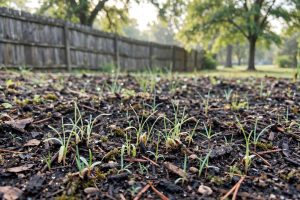
Native Grass Seed Buying Guide USA: A Plain Guide for Homeowners
June 23, 2026 0 views