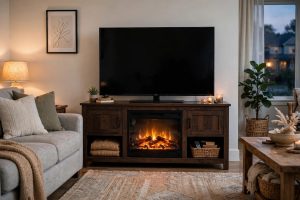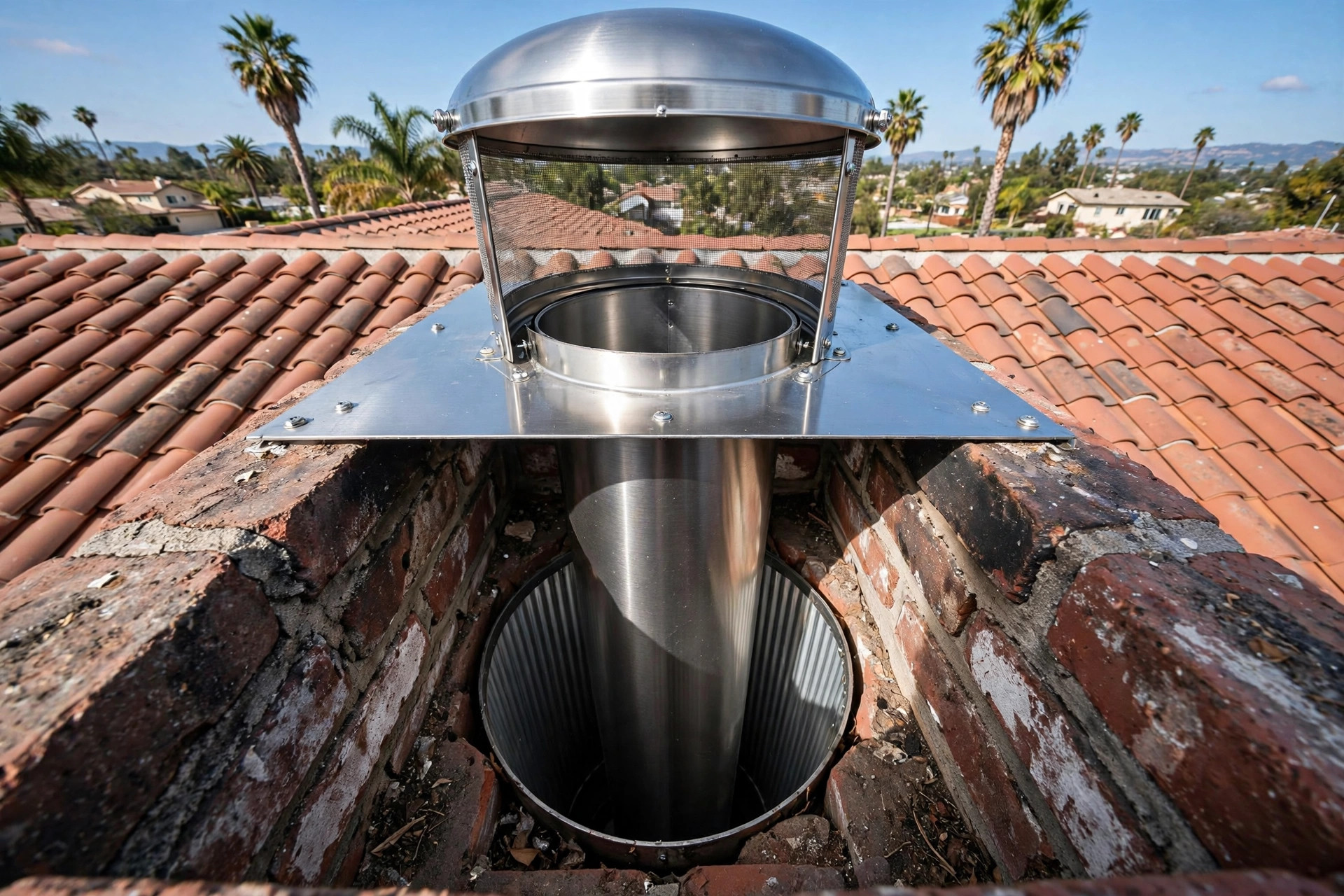

A chimney liner is the tube that sits inside your chimney and carries smoke and gases safely out of your home. If you wonder where to buy chimney liners in California, you have more choices than you may think. Big hardware chains carry them. So do online sellers and local hearth shops. This guide shows you the best places to look, how to pick the right liner, what it will cost, and how to keep it safe year after year.
Why a Chimney Liner Matters
Older chimneys were often built with clay tiles. Time, heat, and weather can crack these tiles. A damaged flue lets heat and gas reach the wooden parts of your house. That is how chimney fires start. A new liner gives the smoke a smooth, sealed path upward. It also keeps carbon monoxide from leaking into the rooms below.
A liner can even make your fireplace or stove burn better. The smooth walls of a steel liner help the fire draw air. That means less smoke in the room and more heat from the same fuel. In California, where many homes have wood stoves in the hills and gas fireplaces in the cities, a sound liner is a simple form of protection. It guards the house, the family, and the savings that a fire would wipe out.
Where to Buy Chimney Liners in California
Big Hardware and Home Stores
Home Depot and Lowe’s carry chimney liners in many California stores. You will find flexible stainless steel kits, rigid pipe sections, and the parts that connect them. The shelves usually hold the most common sizes. Staff can help you measure your flue so you buy the right diameter.
These stores are easy to reach. Most cities from San Diego to Sacramento have one nearby. You can see the product before you buy. You can take it home the same day. Prices are fair, and the return rules are clear if you choose the wrong size.
Online Sellers
Buying online gives you a wider range. Specialty sites sell full kits with the liner, insulation, top plate, and cap. If you prefer a kit that arrives in one box, you may want to buy chimney liners online in California and have the parts shipped to your door. Shipping a long flexible liner is common practice. Sellers coil it in a sturdy box or crate.
When you shop online, read the size chart twice. Measure the flue at the top and the bottom. Note the height of the chimney from the hearth to the cap. A short liner will not reach. A wide liner may not fit past the damper. Good sellers post clear guides on how to measure. You can also learn more about measuring and sizing from This Old House, which keeps solid guides on chimney work for homeowners.
Local Hearth and Fireplace Shops
California towns large and small have hearth shops. These stores sell stoves, inserts, and chimney parts. The staff often install what they sell. They can look at your chimney and tell you which liner suits it. Some shops will deliver and fit the liner for a set fee.
A local shop is the best place to ask questions in person. Bring a photo of your chimney top and a photo of your fireplace opening. The staff can match the liner to your fuel type, whether wood, gas, or oil. They also know the local rules. Some California counties limit wood burning on bad air days, and a good shop will know how those rules affect your stove.
Chimney Service Companies
Many chimney sweep companies also sell liners. They inspect the chimney, then order the exact liner it needs. This is the safest path if you are unsure what you are looking at. The technician sees the damage up close and picks the right grade of steel.
Ask the company for a written quote. It should list the liner length, the diameter, the steel grade, and the insulation. A clear quote protects both sides. You can compare it with store prices to see what the labor adds.
How to Choose the Right Chimney Liner
Stainless Steel Flexible Liners
Flexible stainless steel is the most common choice for relining. It snakes down through bends in the chimney. It comes in several grades. The better grades stand up to wood fires and higher heat. For gas-only use, a lighter grade is often enough. Flexible liners are sold in kits with the parts you need to close the top and tie into the appliance below.
Rigid Stainless Steel Liners
Rigid pipe is stronger than flexible pipe. It works well in straight chimneys with no bends. Sections lock together as they drop down the flue. The smooth walls draft very well. Rigid liners cost more, but they last a long time and are easy to clean.
Clay Tile Liners
Clay tiles are the old standard. They are cheap and they hold heat well. But they crack over time. If your chimney still has clay tiles in good shape, you may not need a new liner at all. If the tiles are broken, most sweeps advise a steel liner rather than a new set of tiles. Steel is thinner, so it leaves more room for smoke to move.
Aluminum Liners
Aluminum liners cost less than steel. They are made for gas appliances only. Never use an aluminum liner with a wood stove or a fireplace that burns wood. The heat is too much for it. If you ever plan to burn wood, choose steel from the start.
Sizing
Size matters more than most buyers think. A liner that is too wide for a small stove will cool the smoke. That leads to creosote, the tar-like soot that fuels chimney fires. A liner that is too narrow will choke the fire and push smoke back into the room. Match the liner diameter to the outlet of your stove or fireplace. The stove manual states the right size.
Insulation
Insulation wraps around the liner like a blanket. It keeps the flue gases hot as they rise. Hot gases draft better and leave less creosote. Many California building rules call for insulation around new liners. It also cuts the clearance needed between the liner and wood framing. The small extra cost is worth it.
Cost and Price
A do-it-yourself flexible liner kit for a common chimney runs from about two hundred to nine hundred dollars. Rigid pipe and premium steel grades cost more. Insulation adds to the bill. Caps, adapters, and top plates are sometimes sold as part of the kit and sometimes sold alone.
Hiring a sweep or hearth shop to supply and install a liner often costs from one thousand five hundred to four thousand dollars or more. The price rises with chimney height, hard roof access, and repairs to the crown or masonry. Get two or three quotes. Ask each one to list materials and labor apart.
Price should not be the only guide. A cheap liner made of thin steel may fail early. Ask about the warranty. Reputable makers back their liners for life or for many years. Keep the paperwork. A warranty can pass to the next owner when you sell the house.
Care and Upkeep
A new liner still needs care. Burn only dry, seasoned wood in a wood stove or fireplace. Wet wood makes more smoke and more creosote. Keep the damper open fully when a fire is burning. Close it when the fire is fully out to stop heat loss.
Have the chimney cleaned and checked once a year. A sweep will brush the liner and look for rust, loose joints, or shifting. In California, schedule the visit before the cool season starts in the fall. That way any repair is done before you need the fire.
Watch for warning signs between visits. A strong smoky smell when the fireplace is not in use can mean a blockage. White stains on the outside of the chimney can mean water is getting in. Rust spots on the liner top plate can mean the cap is failing. After you fit a new liner, it is wise to also review your chimney cap, and a best chimney caps and covers buying guide can help you pick one that keeps rain and animals out.
Keep the area around the hearth clear. Do not stack wood against the chimney. Keep the flue cap screen free of leaves and nests. Small habits like these keep the system working as it was built to work.
Safety
Chimney liners are safety equipment. Treat them that way. Follow the maker’s guide for installation. If you do the work yourself, make sure the liner is the right grade for your fuel. Gas-only liners must never serve a wood fire.
The EPA sets standards for wood stoves and publishes guidance on clean burning. Choosing an EPA-listed stove and burning dry wood cuts down on smoke and creosote. Pairing a clean stove with a sound liner is the safest mix.
Put a carbon monoxide alarm on each floor of the house. Test the alarms twice a year. If an alarm sounds, get out and call for help. Do not guess whether it is a false alarm. A working alarm is cheap insurance for any home with a chimney.
California has strict air rules in some areas. On high-pollution days, wood burning may be banned in your county. Check the local air district before you light a fire. Gas fireplaces are not subject to the same bans in most places, which is one reason many homeowners look at best direct vent gas fireplaces for California apartments when they remodel.
Never seal a chimney shut without removing the fuel source. Never vent a gas appliance into an open flue with no liner. These shortcuts have caused deaths. When in doubt, call a licensed sweep or a hearth professional.
Frequently Asked Questions
Do I need a chimney liner if my chimney has clay tiles?
If the clay tiles are whole and sound, you may not need a liner. A sweep can run a camera up the flue to check. If tiles are cracked, missing, or shifted, a steel liner is the usual fix. It restores a sealed path for smoke and heat.
Can I install a chimney liner myself?
Many handy homeowners do. A flexible liner kit can be dropped from the top of the chimney in an afternoon. You will need a helper, a sturdy ladder, and basic tools. The hard part is sizing and insulating it right. If your chimney has sharp bends or damage, hire a pro.
How long does a stainless steel chimney liner last?
A good stainless steel liner often lasts twenty to fifty years. The grade of steel, the fuel burned, and the care given all play a part. Liners that serve wood fires face more stress than gas-only liners. Annual cleaning adds years to the life of any liner.
What size liner do I need for my wood stove?
Match the liner to the stove’s flue outlet. A six-inch stove needs a six-inch liner. Going up or down in size can cause draft trouble. Check the stove manual. It names the correct diameter. If you lost the manual, the maker often posts it online.
Is a flexible or rigid liner better?
Flexible liners fit chimneys with bends. Rigid liners suit straight chimneys and draft a little better. Both are fine when sized right. For most relines of older brick chimneys, flexible is the common pick because old chimneys rarely run straight.
Where can I get help picking a liner brand?
The Spruce and Family Handyman publish buying advice on chimney parts and fireplace upkeep. Maker sites such as Napoleon and Heatilator show which liners pair with their stoves and fireplaces. Use these as a starting point, then confirm with a local sweep.
A Short Final Word
Finding where to buy chimney liners in California is the easy part. Stores in every region carry them, online sellers ship full kits, and local hearth shops sell and install them. The harder part is choosing well. Measure twice. Pick the right steel grade for your fuel. Insulate the liner. Clean it each year. Do those things, and the liner will guard your home for decades.
References
Family Handyman. (n.d.). DIY home repair and maintenance. https://www.familyhandyman.com Heatilator. (n.d.). Fireplaces and fireplace products. https://www.heatilator.com Lowe’s. (n.d.). Home improvement products. https://www.lowes.com Napoleon. (n.d.). Fireplaces, grills, and heating products. https://www.napoleon.com The Home Depot. (n.d.). Home improvement products. https://www.homedepot.com The Spruce. (n.d.). Home and garden advice. https://www.thespruce.com This Old House. (n.d.). Home renovation guidance. https://www.thisoldhouse.com U.S. Environmental Protection Agency. (n.d.). Protecting human health and the environment. https://www.epa.gov
Was this guide helpful?

About Lisa Anderson
The My Garden US editorial team writes practical, in-depth home and garden guides for American homeowners — tested advice, no fluff.
You May Also Like
Best Wood Burning Stoves for Florida Homes
April 13, 2026 0 views
Top Rated Fireplace Grates for Texas Homes
February 17, 2026 0 views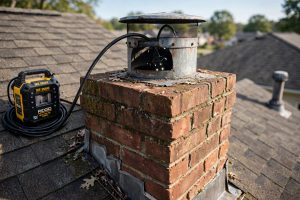
Top Rated Chimney Inspection Services Reviews: A Homeowner’s Guide
May 13, 2026 0 views