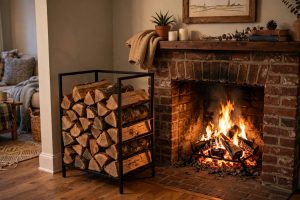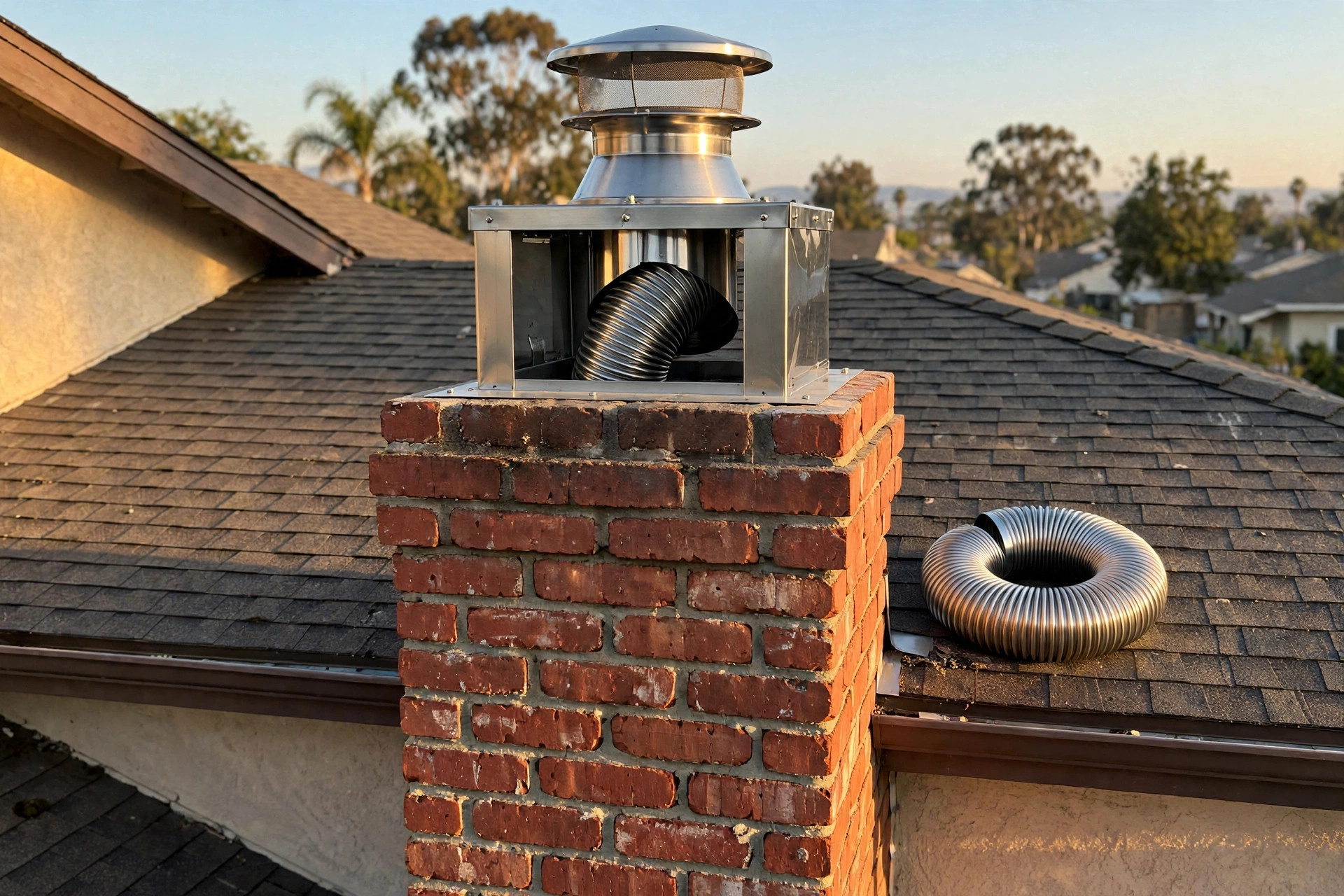

When the time comes to buy chimney liners online in California, most homeowners feel uncertain. A chimney liner is hidden from view. It is hard to inspect. It is also one of the most important parts of a fireplace or stove. The liner carries smoke, gas, and heat safely out of the home. When it wears out, the risk is real. This guide explains what a chimney liner does, which kinds are sold, how to choose the right size, what they cost, and how to shop online with care from anywhere in California.
Why the Chimney Liner Matters
Every fireplace chimney should have a liner. The liner is the channel inside the chimney. It protects the masonry from heat and acid. It also keeps dangerous gases from leaking into the rooms of the house. In older California homes, many chimneys were built with clay tile liners. Those tiles crack with age. Earthquakes, heat, and years of use all take a toll.
A damaged liner lets heat reach wood framing. It can let carbon monoxide enter the living space. These are quiet dangers. A homeowner may see no warning signs at all. That is why a yearly inspection by a qualified sweep matters. If the sweep reports cracks, gaps, or crumbling tile, replacement is the safe step. A new liner also improves draft. A better draft means a cleaner fire and less smoke spilling into the room.
California has strict air quality rules in many counties. When a liner is worn or missing, a relining project is often the moment to check that the whole system complies. The liner must fit the appliance, the fuel, and the chimney. Getting these three parts right keeps the home safe through every cold season.
Types of Chimney Liners: Buy Chimney Liners Online in California
When you buy chimney liners online in California, you will meet three main types. Each has its place. The right one depends on the fuel, the chimney, and the budget.
Stainless Steel Liners
Stainless steel is the most common choice for relining today. Flexible stainless liners bend around the bends in an old masonry flue. Rigid stainless pipe works well for straight runs and new builds. For wood and pellet appliances, look for liners made from 316-grade or 316Ti stainless steel. These grades stand up to the acids in wood smoke. For gas appliances, 304-grade steel is often enough, and it costs less.
Stainless kits sold online often include the liner, a rain cap, a top plate, and connectors. That makes shopping simpler. The kits are light to ship. Most flexible kits weigh far less than clay tile. For a California homeowner with an older brick chimney, a flexible stainless liner is usually the first option to study.
Clay Tile Liners
Clay tile was the standard for a century. Tiles come in short sections that stack inside the flue. They handle heat well. They do not rust. But they crack. A single crack in a tile is enough to fail an inspection. Repairing clay tile section by section is slow work. For that reason, clay is mostly used in new masonry construction today, not in relining. Few homeowners buy clay tile liners online in California for an old chimney. Stainless is the modern answer.
Cast-in-Place Liners
Cast-in-place liners are poured around a form inside the flue. The result is a smooth, seamless channel. This method is strong and durable. It can also improve a weak masonry structure. But it is not a do-it-yourself job. It requires a trained crew with pumps and forms. It is also costly. For most online shoppers, the choice comes down to a stainless kit.
How to Choose the Right Liner
Choosing a liner takes care. Four details matter most: size, height, grade, and insulation.
Size comes first. The liner must match the outlet of the appliance. A wood stove with a six-inch flue collar needs a six-inch liner. A round liner of the right diameter gives the best draft. An oversized liner cools the smoke too fast. That causes creosote to form. Creosote is a tar that can catch fire inside the chimney. An undersized liner chokes the draft and lets smoke spill back. Measure the flue collar and the inside of the chimney. When in doubt, ask the liner maker for help before you order. Reliable guidance on flue sizing and safe venting appears in materials from the Chimney Safety Institute of America.
Height is the second detail. The liner must run the full length of the flue, from the appliance connection to the top of the chimney. Measure from the thimble or stove pipe to the crown. Add a little extra for the top plate and cap. Online sellers list kits by length. Buying too short is a costly mistake. Shipping back a heavy steel coil is not pleasant. Measure twice.
Grade is the third detail. As noted, 316-grade steel suits wood and pellets. It resists the acids that form when wood burns. Gas appliances run cooler and cleaner. For gas, 304-grade is standard. Do not buy a cheap unrated liner. It may fail in a few seasons. Good sellers state the grade plainly on the listing.
Insulation is the fourth detail. Many installers wrap flexible liners with insulation or pour insulation mix around them. Insulation keeps the flue warmer. A warm flue drafts better and builds less creosote. Some local codes require it. Insulation kits add to the cost, but they pay back in safety and performance. Practical advice on insulation and relining steps can be found at Family Handyman and This Old House.
What to Look for When You Shop Online
Shopping for chimney parts on a screen is different from buying in a store. You cannot hold the steel. You cannot test the fit. So the listing itself must earn your trust.
Start with clear specifications. The listing should give the diameter, length, steel grade, and wall thickness. It should name the warranty and say whether the warranty needs professional installation to stay valid. Some makers void the warranty for self-installed liners. Others allow it if the work follows their instructions. Read the fine print.
Look for complete kits. A good kit for someone who wants to buy chimney liners online in California will include the liner, a top plate, a rain cap, and a tee or appliance connector. Buying the kit saves the trouble of matching parts from different makers.
Check the seller. Large home improvement retailers such as Home Depot and Lowe’s carry liner kits with clear return terms. Read recent reviews. Look for buyers who mention the same appliance and chimney type as yours.
Check shipping to California. A flexible liner ships in a coil. Rigid pipe ships in long boxes. Confirm the shipping cost and the return policy before you pay. If the coil looks kinked on arrival, do not install it. Call the seller at once.
Finally, check local rules. Some California counties limit which wood appliances may be used on poor air quality days. The Environmental Protection Agency publishes burn standards that many California rules build upon, and the U.S. Consumer Product Safety Commission lists recalls for stoves and fireplace parts worth checking before any purchase.
Cost and Price
What does it cost to buy chimney liners online in California? Prices vary with size, length, and grade. A basic 304-grade flexible kit for a gas appliance may run a few hundred dollars. A 316-grade kit for a wood stove, with insulation and a cap, often runs from six hundred to over a thousand dollars. Long chimneys cost more. Wide diameters cost more.
Installation is the other half of the budget. Professional relining in California commonly adds one thousand to two thousand dollars or more. Prices run higher in the Bay Area and Southern California. Steep roofs and tall chimneys add labor. Some homeowners install the liner themselves, but the work is real: the coil is stiff and the roof is high. If the chimney needs masonry repair first, hire a professional.
Do not choose on price alone. A cheap liner of unknown grade can fail in three or four years. A good 316-grade liner can last twenty years or more with care. Spread over its life, the better liner is the cheaper one. Guidance on safe heating choices appears at Energy.gov.
Related upgrades often make sense at the same time. If your fireplace doors are worn, the fireplace glass doors reviews and buying guide can help you pick a set. If you are adding gas, the best direct vent gas fireplaces for california apartments covers what California rules require for vented gas units. Product ranges from makers such as Napoleon and Heatilator show the appliances these liners serve.
Care and Upkeep
A new liner is not a fit-and-forget part. It needs the same care as any chimney. Burn only dry, seasoned wood. Wet wood makes more creosote, the tar that can catch fire inside the chimney. Split wood and let it dry for six to twelve months.
Have the chimney swept once a year. Tell the sweep what grade and size of liner you installed. Keep the receipt and the warranty papers with the house records. If a chimney fire happens, call the fire department first, then have the liner inspected before you burn again. Heat from a chimney fire can warp steel and crack tile. A damaged liner must be replaced, not reused.
Watch the rain cap. It keeps water out of the flue. Water is the enemy of masonry. A good cap also stops sparks and keeps birds from nesting in the flue. Check the cap each fall, and use a best chimney caps and covers buying guide if yours needs replacement. Replace it when it rusts or loosens. Seasonal checklists from The Spruce are a useful reminder of these small tasks.
Safety
Safety rules for chimneys are simple and firm. Never use a fireplace or stove with a known damaged liner. Never burn trash, treated lumber, or painted wood. These fuels release poison gas and acid that attack the liner. Install smoke alarms and carbon monoxide alarms on every level of the home. Test them monthly. Change the batteries twice a year.
California earthquakes add a special note. A strong shake can crack masonry and shift tiles. After any quake, look at the chimney from the ground. If bricks have moved or the chimney leans, do not use the fireplace until a professional inspects it.
Keep a clear space around the stove or fireplace. Do not stack firewood against the chimney or the stove wall. A spark screen or glass door stops stray embers. Children and pets should stay well back from a hot stove. These rules sound plain. They are the rules that prevent most home fires.
Frequently Asked Questions
Can I install a chimney liner myself?
In many cases, yes. Flexible stainless liners are sold as do-it-yourself kits. The job needs two people, a sound roof ladder, and patience. You draw the liner through the flue with a pulling cone, connect the tee, seal the top plate, and fit the cap. But some warranties require professional installation. Some local codes do too. Check both before you buy.
What size liner do I need for my wood stove?
Match the liner diameter to the stove’s flue collar. Most modern wood stoves use a six-inch collar. Older stoves may use seven or eight inches. Do not guess. Read the stove’s nameplate or manual. The wrong size hurts draft and builds creosote. If the chimney flue is much wider than the liner, insulation fill around the liner is wise.
How long does a stainless steel liner last?
A 316-grade stainless liner often lasts twenty years or more with good care. Regular sweeping, dry fuel, and prompt repairs extend its life. Cheap liners of thin or unknown steel may fail much sooner. Keep the warranty and the grade certificate. They prove what you bought if a claim ever arises.
Do gas fireplaces need a chimney liner?
Yes. Gas appliances still need a safe vent. The vent for gas is often smaller and cooler than a wood flue, so 304-grade steel or approved aluminum is common. An unlined masonry chimney is not safe for gas. Gas makes water vapor and mild acid as it burns. These attack bare brick and mortar. A proper liner protects the chimney and keeps the draft steady.
Is insulation around the liner required?
It depends on the local code and the maker’s instructions. Many installers recommend insulation for every wood-burning liner. It keeps flue gases hot, improves draft, and cuts creosote. Ask your local building office. If you are unsure, include insulation in the kit. It is cheap compared to the cost of a chimney fire.
How do I know my old liner is bad?
Signs include crumbling mortar at the chimney top, white stains on the brick, smoke smells in the house, and poor draft. A sweep’s camera inspection gives the final word. Do not trust a guess from the ground. Small cracks hide inside the flue. A video scan shows them plainly.
Final Word
To buy chimney liners online in California is to take charge of a hidden but vital part of the home. Learn the liner types. Measure with care. Choose the right grade. Read the listing like a contract. Add insulation when the code or the maker calls for it. Keep the yearly sweep. A liner you cannot see guards the people you love every time a fire burns.
References
Chimney Safety Institute of America. (n.d.). Chimney sweep certification and safety. https://www.csia.org Family Handyman. (n.d.). DIY home repair and maintenance. https://www.familyhandyman.com Heatilator. (n.d.). Fireplaces and fireplace products. https://www.heatilator.com Lowe’s. (n.d.). Home improvement products. https://www.lowes.com Napoleon. (n.d.). Fireplaces, grills, and heating products. https://www.napoleon.com The Home Depot. (n.d.). Home improvement products. https://www.homedepot.com The Spruce. (n.d.). Home and garden advice. https://www.thespruce.com This Old House. (n.d.). Home renovation guidance. https://www.thisoldhouse.com U.S. Consumer Product Safety Commission. (n.d.). Product safety information. https://www.cpsc.gov U.S. Department of Energy. (n.d.). Energy efficiency and renewable energy. https://www.energy.gov U.S. Environmental Protection Agency. (n.d.). Protecting human health and the environment. https://www.epa.gov
Was this guide helpful?

About David Wilson
The My Garden US editorial team writes practical, in-depth home and garden guides for American homeowners — tested advice, no fluff.
You May Also Like
Reclaimed Wood Mantels Price Comparison USA: What You Should Expect to Pay
September 16, 2026 0 views
Top Rated Fire Pit Tables for Texas Homes
March 20, 2026 0 views
Smart Electric Fireplaces Reviews and Buying Guide
July 26, 2026 0 views