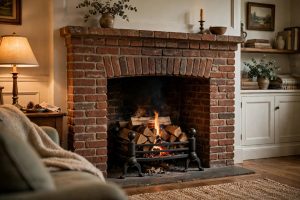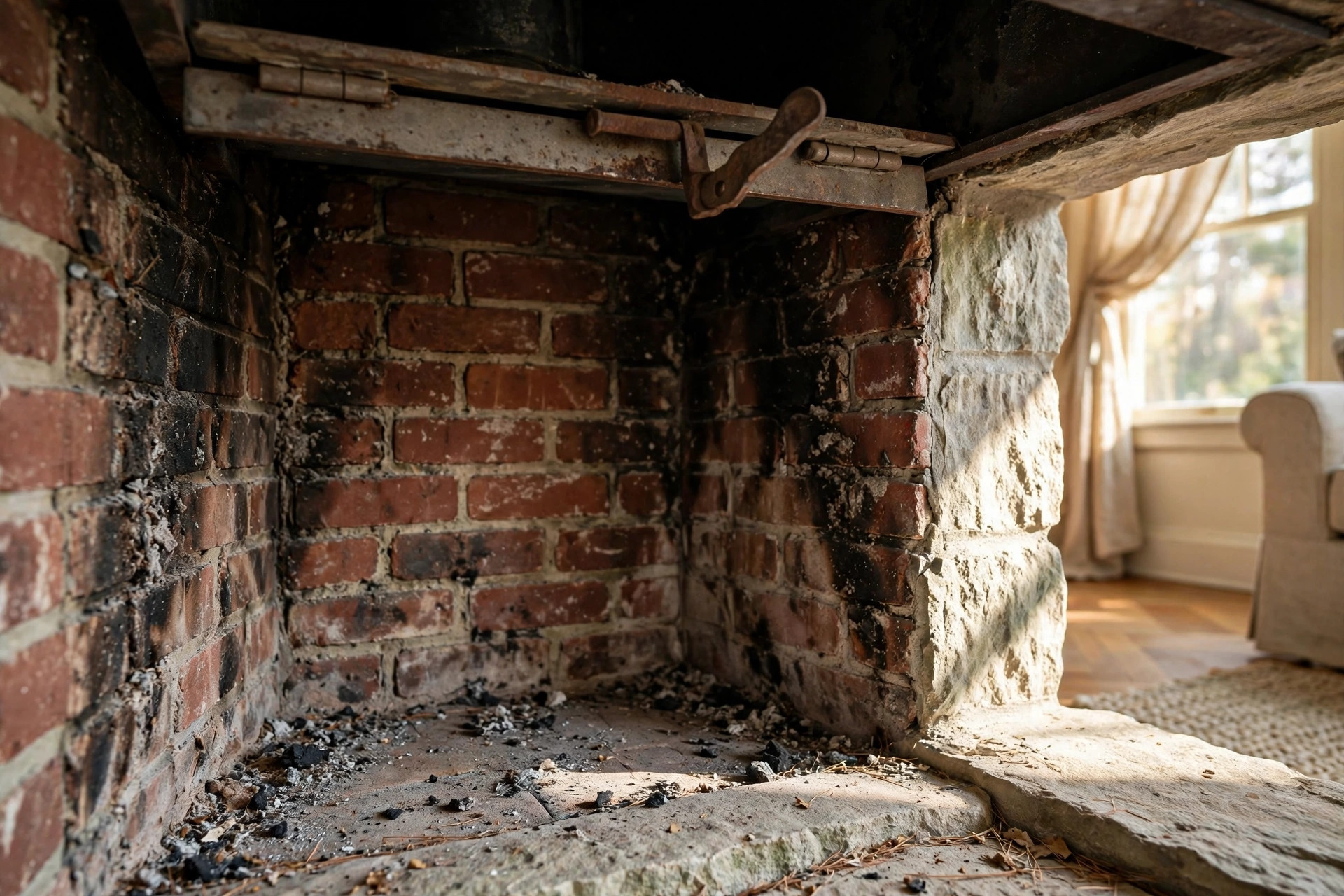

A ventless fireplace damper is a simple device with an important job. Many homeowners in the Midwest search for ventless fireplace dampers for midwest homes because they want warmth without waste. The truth about these dampers is a little more plain than the sales talk. A true ventless fireplace has no chimney and no flue, so it has no damper in the usual sense. What most people call a ventless fireplace damper is a damper used when a home moves from a wood fireplace to ventless gas heat. This guide explains what these parts do, which kind fits a Midwest house, what they cost, and how to keep them safe through a long winter.
Why It Matters for Midwest Homes
Winters in the Midwest are long and cold. Ice storms and wind push cold air into any opening in a house. An open chimney flue acts like a hole in the wall. Warm air rises up it and leaves the house. That means higher fuel bills and cold rooms. A ventless fireplace damper solves this problem in two ways. It seals the flue when the fireplace is not in use. It also makes sure the ventless gas burner gets the setup it needs.
Many Midwest homes were built with large wood fireplaces. The flue is wide and the old metal damper may be bent or rusted. These old dampers let air pass even when they look closed. Replacing or sealing the damper keeps heat in the room. It also keeps drafts, rain, and birds out of the chimney. For a homeowner who wants a ventless fireplace damper for a Midwest home, this one upgrade can make a real difference in comfort.
There is a second reason. Local rules matter. Some towns in Illinois, Michigan, Ohio, Minnesota, and Wisconsin have strict rules for ventless gas products. A damper that locks the flue in the right position helps the install meet code. The EPA’s burn wise guidance gives useful background on safe home heating practice.
What a Ventless Fireplace Damper Really Is: Ventless Fireplace Dampers for Midwest Homes
A ventless gas fireplace burns gas and sends no smoke up a chimney. The heat stays in the room. So there is no damper in the flue that opens and closes like a wood fireplace damper. That is the first thing to understand.
But most searches for ventless fireplace dampers for midwest homes come from people with an old fireplace. They plan to install ventless gas logs or a ventless insert into an existing masonry chimney. In that case, the old chimney damper still sits above the firebox. It needs a decision. It can be left open, locked closed, or replaced with a better top-sealing damper.
So the term “ventless fireplace damper” covers three common products:
– A chimney top damper that seals the whole flue from the top. – A damper clamp that holds the old throat damper partly open for ventless gas log safety. – A damper lock that seals the old damper shut when a ventless insert no longer uses the flue.
Each one fits a different job. Picking the wrong one wastes money.
How to Choose the Right Damper
Start with the fireplace itself. Is it wood, or has it been changed to gas? If a ventless insert goes into an old wood fireplace, the chimney above must be sealed or closed. A top-sealing damper is usually the best answer. It closes the flue at the top of the chimney where it is out of reach of wind.
Next, check the chimney condition. An old flue tile may be cracked. A cracked flue with a rusted throat damper is a weak point. In the Midwest, freeze and thaw cycles break mortar joints. Have a sweep inspect the flue before buying parts. The Chimney Safety Institute reading room at This Old House covers basic chimney care.
Measure the flue opening. Top dampers come in standard sizes. A wrong size will not seal. Round flues need round dampers. Square and rectangular flues need matching shapes. Bring the exact measurements to the store or write them down for the order.
Think about winter use. A damper that seals tight at the top keeps heat in all winter. In spring and fall, when the fireplace sits idle, it also keeps bats and nests out. Many homeowners in Iowa and Indiana pair a new top damper with the chimney cap options found in this buying guide for full protection.
Types and Options
Chimney Top-Sealing Dampers
A top-sealing damper mounts at the crown of the chimney. A cable runs down the flue to a handle near the firebox. Pull the handle and the spring lid closes with a tight rubber seal. This is the strongest fix for heat loss. It seals better than any throat damper because wind cannot push past it. Prices run from about fifty dollars to a few hundred, depending on size and brand.
Throat Dampers and Damper Clamps
The throat damper is the old metal plate inside the firebox opening. It rusts, warps, and leaks. A damper clamp is a small C-shaped piece of metal that fits over the damper handle. For ventless gas logs, code in many states calls for the damper to be clamped open so gas can escape if there is a fault. But if a sealed ventless insert goes in, the throat damper can be locked shut instead. Ask the installer which position the local rule wants.
Make-Up Air Dampers
A tight Midwest house can starve a fire of air. Make-up air dampers bring outside air into the firebox through a small duct. They are common in newer homes with strong insulation. They matter less for pure ventless units, which use room air, but they matter when the fireplace still draws flue air during ventless log use.
Smart and Thermostat-Controlled Options
Some modern fireplaces pair with home controls. If you are thinking beyond a simple damper, the guide to smart thermostat controlled gas fireplaces shows how controls and inserts work together. For basic draft control, a manual damper is enough and costs less.
Cost and Price
Costs stay modest for this part of a fireplace project. A basic damper clamp sells for under twenty dollars. A quality chimney top-sealing damper costs between sixty and three hundred dollars, with larger sizes at the top of the range. A replacement throat damper runs forty to one hundred fifty dollars.
Labor is the bigger part of the bill. A chimney sweep or mason in the Midwest charges about one hundred to four hundred dollars to fit a top damper, depending on roof height and chimney condition. A full flue inspection often adds fifty to one hundred dollars. The project still costs far less than a new chimney.
Total project cost for a sealed top damper with install usually lands between two hundred and seven hundred dollars. That price often pays back in one or two winters through lower heat bills. For homes weighing a whole unit change, the freestanding electric stoves rated for the Midwest offer a different heat path worth comparing.
Retailers such as Lowe’s and The Home Depot carry top dampers, clamps, and seal kits in stock or online. Specialty hearth brands sold there include Napoleon and Heatilator. The maker sites, Napoleon and Heatilator, show product lines and dealer help.
Care and Upkeep
A damper needs little care, but it does need regular checks. Soot and rust are the enemies. Open and close the damper by hand once a year, before the heating season. If it sticks, clean the track with a wire brush and a dry cloth. Never oil a damper inside the flue. Oil fumes are a fire risk.
Check the rubber seal on a top damper each fall. Sun and ice wear it down over the years. A cracked seal leaks air just like an old throat damper. Replacement seals cost little and swap in minutes.
Have the chimney cleaned before the first winter use. A Midwest flue collects creosote from old wood fires even after a switch to gas. A clean flue also lets the inspector see cracks. The practical repair guides at Family Handyman show what a homeowner can check without climbing the roof.
Watch for water. Rust streaks on the firebox back wall point to a damper that leaks water. A tight top damper stops most of this. If water still comes in, the crown or flashing may need repair.
Safety Rules You Must Follow
Ventless gas fireplaces add moisture and trace gases to a room. They are safe only when installed to code and kept clean. Never cover or block the burner vents. Keep the room size within the unit rating. A unit made for a large living room does not belong in a small bedroom.
Carbon monoxide alarms belong on every floor and near sleeping rooms. Test them each fall. If an alarm sounds, leave the house and call for help. Do not assume the fireplace caused it, and do not stay inside to check.
Many states set rules for ventless products. A few do not allow them at all in homes. Check with the local building office before buying. A licensed installer will know the rule for your county. Independent test labs such as Consumer Reports publish guidance on heater and fireplace safety that is worth a read before you buy.
Keep children and pets away from the glass and metal surfaces. A The Spruce home safety guide notes that fireplace glass stays hot long after the flame goes out. Teach children that the fireplace is never a toy.
Never run a ventless fireplace with a damper set wrong for the unit type. If the unit calls for the flue to be sealed, seal it. If code calls for the damper to be clamped open with gas logs, leave it open. Mixing these up is dangerous.
Frequently Asked Questions
Do ventless fireplaces need a damper?
A true ventless fireplace has no chimney, so it needs no flue damper. The damper question comes up when you install ventless gas logs or an insert into an old wood fireplace. Then the old damper must be locked, clamped, or replaced so the flue is handled to code.
Can I close the damper with ventless gas logs installed?
Not always. Many codes want the damper clamped open when ventless gas logs sit in an open fireplace. The open flue is a safety path if the gas supply has a problem. Read the unit manual and follow the local code. A sealed ventless insert is a different case and can use a closed flue.
Will a top damper lower my heating bill?
Yes, in most Midwest homes. An open flue pulls warm air out of the house all winter. A tight top damper stops that draft. Homeowners often report lower fuel use in the first winter after the change.
How long does a top-sealing damper last?
About ten to twenty years. The metal parts last long. The rubber seal wears out first. Replacing the seal costs little and takes a few minutes. Stainless steel models resist Midwest winters better than cheaper galvanized ones.
Can I install a top damper myself?
Many homeowners do it. The job needs a safe ladder or roof access and a calm day. If the roof is steep or high, hire a chimney sweep. A fall from a roof costs far more than the install fee.
Do I still need a chimney cap with a top damper?
A top damper closes the flue but does not protect the crown from rain and ice. A separate rain cap or a damper-cap combo gives both. See the buying guide for caps linked earlier in this article.
A Final Word
Ventless fireplace dampers for midwest homes are small parts with a big effect. They cut drafts, trim fuel bills, and keep the flue ready for a safe ventless setup. Match the damper type to your fireplace, follow the code in your town, and check the seal each fall. A little care gives years of quiet comfort through the cold months.
References
Consumer Reports. (n.d.). Product reviews and ratings. https://www.consumerreports.org Family Handyman. (n.d.). DIY home repair and maintenance. https://www.familyhandyman.com Heatilator. (n.d.). Fireplaces and fireplace products. https://www.heatilator.com Lowe’s. (n.d.). Home improvement products. https://www.lowes.com Napoleon. (n.d.). Fireplaces, grills, and heating products. https://www.napoleon.com The Home Depot. (n.d.). Home improvement products. https://www.homedepot.com The Spruce. (n.d.). Home and garden advice. https://www.thespruce.com This Old House. (n.d.). Home renovation guidance. https://www.thisoldhouse.com U.S. Environmental Protection Agency. (n.d.). Protecting human health and the environment. https://www.epa.gov
Was this guide helpful?

About Michael Thompson
The My Garden US editorial team writes practical, in-depth home and garden guides for American homeowners — tested advice, no fluff.
You May Also Like

The Best Direct Vent Gas Fireplaces for Cold Climates
April 27, 2026 0 views
Top Rated Fireplace Hearth Rugs for Midwest Homes: A Buyer’s Guide
April 2, 2026 0 views
Ventless Vented Gas Log Sets with Free Shipping: A Complete Buyer’s Guide
May 8, 2026 0 views