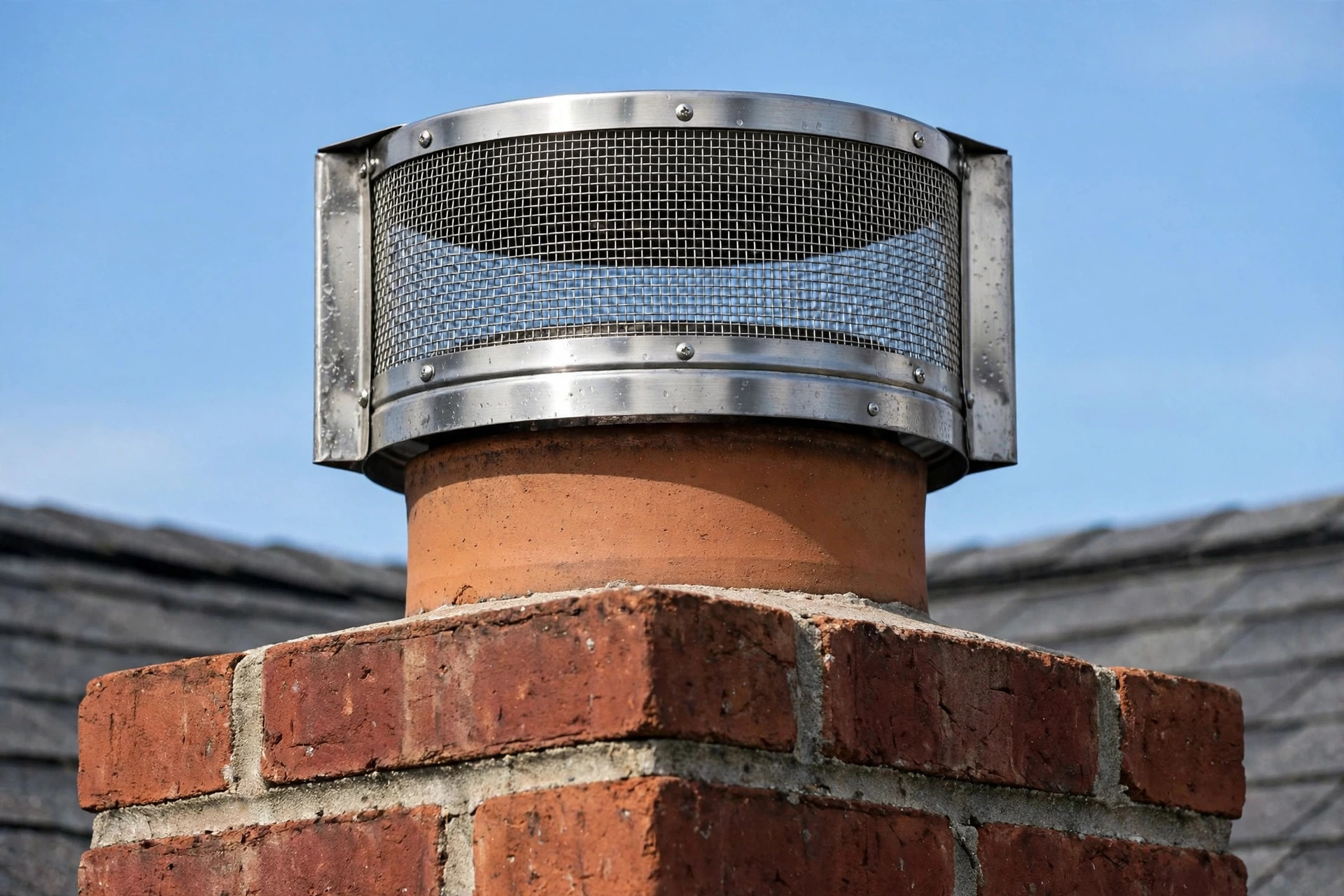

Every fall, when the first cool nights arrive, the same question comes back: is the chimney ready for another winter? Most homeowners think of sweeping and firewood. Fewer think of the small metal hat that sits on top of the flue. This best chimney caps and covers buying guide is written for them. A cap is one of the cheapest parts of a chimney system, and it does more work than its size suggests. It keeps rain out, keeps animals out, and keeps sparks in. A chimney with no cap is an open invitation to water damage, nests, and cold downdrafts.
Many homes still have no cap at all. Some had one years ago, and it rusted away. Others have a cap that no longer fits, or one that is clogged with soot. In each case, the fix is simple. A new cap, chosen with care and mounted right, protects the whole chimney for years. This guide walks through the reasons, the choices, the prices, and the upkeep, in plain language.
Why Your Chimney Needs a Cap
An open flue is a hole in the roof. Rain falls straight into it. One inch of rain over a year adds up to many gallons of water running down the inside of a chimney. Water breaks down mortar. It stains the firebox. In cold weather it freezes inside cracks and opens them wider. A cap sheds that rain before it enters.
Animals see the same hole as a home. Squirrels, raccoons, and birds move into uncapped chimneys every spring. A nest can block the flue in a single weekend. Chimney swifts, a protected bird, return to the same chimneys year after year. A cap with mesh screening keeps every one of them out without harm.
Then there are sparks. A wood fire sends hot embers up the flue. Without a spark arrestor screen, those embers can land on a dry roof. In dry states, that is a real fire risk. Most building codes now call for a cap with mesh on every active chimney.
Finally, a cap cuts downdrafts. Cold wind pushing down an open flue makes the house feel cold and can push smoke back into the room. A good cap steadies the draft and helps the fire burn clean. The U.S. Environmental Protection Agency reminds homeowners that clean, efficient burning starts with a sound chimney system, and a cap is part of it.
If you are already weighing other chimney work, our chimney caps and covers reviews and buying guide compares popular models side by side.
What to Look For When You Buy: Best Chimney Caps and Covers Buying Guide
Shopping for a cap is not hard, but the details matter. Four things decide whether a cap fits, lasts, and does its job: size, material, mesh, and mounting.
Size and Fit
Measure the flue tile, not the chimney crown. The flue tile is the clay or metal opening at the top. Most are square, some are round. Measure the outside length and width in inches. Standard single-flue caps fit tiles from about 8 by 8 inches up to 13 by 13 inches. Adjustable caps stretch to cover odd sizes.
For a multi-flue chimney, measure the whole crown or the area the cap must cover. Order a cap a few inches larger than the flue on each side so it sheds rain clear of the opening. A cap that sits too tight traps water at its edges. A cap that is too wide catches the wind. Fit matters most of all.
If your flue is damaged, you may need a new liner first. Our guide on how to buy chimney liners online in California explains the sizing and code issues in plain terms.
Material
Caps are sold in galvanized steel, stainless steel, copper, and aluminum. Galvanized steel is the cheapest. It lasts five to ten years before rust sets in, less near salt air. Stainless steel costs more but resists rust for decades. Copper is the longest-lived and looks fine on brick, though the price is high. Aluminum is light and rust-proof, but thin aluminum can dent and rattle in wind.
In most American homes, stainless steel is the sensible middle ground. It costs a fair price, needs little care, and stands up to heat and weather. Copper suits owners who want a cap that outlives the roof and are willing to pay for it.
Mesh Screen
The screen around the cap keeps out animals and sparks. Mesh size matters. A half-inch mesh keeps out most animals and passes smoke freely. A three-quarter-inch mesh passes creosote flakes better but can let small birds through. A five-eighth-inch mesh is the common middle choice, and it meets most local codes for spark arrestors.
Check your local code before you buy. Some counties demand a specific mesh size. The screen should be stiff enough to hold its shape in wind. Cheap screens sag and touch the flue, which chokes the draft.
Mounting Style
Most single-flue caps mount with bolts that grip the flue tile. The legs slide inside or outside the tile, and screws tighten them in place. This style needs no tools beyond a screwdriver and a ladder, and it holds firm.
Slip-in caps drop inside the tile. They suit round metal flues. Crown-mount caps cover the whole top of the chimney and bolt to the masonry crown. They cost more but cover cracked crowns and protect the masonry itself. For a chimney with more than one flue, a top-mount or full-cover cap is usually the cleanest answer.
Types of Chimney Caps and Covers
Makers sell a small zoo of caps. The labels differ, but most fall into four groups.
Single-Flue Caps
This is the common cap on the common chimney: one cap over one flue. They come in round, square, and rectangular shapes, in every size listed above. Most have a hood over a wire mesh band. They are the cheapest to buy and the easiest to fit. If your chimney has one flue, start here.
Multi-Flue and Full-Cover Caps
A chimney with two or three flues can take one cap per flue, or one big cap over the crown. The single big cap often wins. It costs less than three separate caps, it sheds rain off the crown masonry too, and it looks tidy. Full-cover caps are sold by crown size, not flue size, so measure the whole top.
Top-Sealing Damper Caps
Some caps carry a damper in the lid. A cable runs down the flue to the firebox, and the owner pulls it shut when the fireplace is idle. This seals the chimney at the top, where it belongs, and stops warm air from leaking out all winter. A top-sealing damper cap costs more than a plain cap, but it pays back in lower heating bills. This Old House covers these dampers among its chimney guides, and the energy logic is simple: seal the leak at the top.
Spark Arrestor and Animal-Guard Caps
Any cap with the right mesh is a spark arrestor, but some are built for the job on purpose. They carry a heavier screen, a taller hood, and a shape tuned to pass smoke while catching embers. In fire country, where embers can travel far in wind, this style is worth the extra money. The same heavy screen doubles as an animal guard. Raccoons are strong, but a stout stainless screen holds them out.
Cost and Price
A basic galvanized single-flue cap costs about thirty to sixty dollars. A stainless single-flue cap runs sixty to one hundred fifty dollars. Copper single-flue caps start near two hundred dollars and climb past four hundred for large sizes. Multi-flue and full-cover caps run one hundred fifty to five hundred dollars, depending on size and material. Top-sealing damper caps sit in the two hundred to four hundred dollar range.
Installation is often a do-it-yourself job for single-flue caps: a ladder, a screwdriver, and twenty minutes. Hiring a chimney sweep or handyman to fit a cap usually adds seventy-five to one hundred fifty dollars. A full-cover cap on a tall chimney may need a professional with the right ladder and safety gear.
Big-box retailers carry the common sizes. You can compare prices at Home Depot or Lowe’s, which stock stainless and copper models in standard flue sizes. Specialty hearth shops, including brands like Napoleon and Heatilator, sell caps matched to their fireplace and stove lines. Buying a cap made for your exact flue saves guesswork.
Total cost for most homes lands between fifty and three hundred dollars. Set against a chimney rebuild that can cost thousands, a cap is cheap insurance.
Care and Upkeep
A chimney cap asks little, but it asks something every year. Walk through this short list each fall.
First, look at it from the ground with binoculars. Check for rust spots, bent screens, and a hood that sits level. A cap that leans has loose bolts. Second, when the sweep comes for the annual cleaning, ask them to check the cap up close. They see caps every day and spot trouble fast. Third, clear leaves and twigs off the cap and out of the mesh each spring. A clogged screen chokes the draft and sends smoke into the room.
Fourth, check the bolts. Wind and heat cycles loosen them. A quick snug with a screwdriver keeps the cap from rattling or lifting. Fifth, wash salt spray off caps near the coast with fresh water once a year. Salt eats even stainless steel in time.
If you plan a full chimney service, our guide to top rated chimney inspection services for homeowners explains what a proper inspection should cover and what it should cost. Family Handyman and The Spruce both publish yearly chimney maintenance checklists that pair well with this routine.
Safety
Chimney work is roof work, and roof work deserves respect. Never climb onto a wet, icy, or mossy roof. Use a ladder that reaches three feet past the roof edge, and have someone foot it. Wear shoes with soft, grippy soles. Keep both hands free; haul tools up in a bucket on a rope.
Inside the house, safety starts with the flue. Never light a fire in a fireplace whose cap screen is clogged with creosote. A blocked screen turns a chimney into a smoke bomb. Burn only dry, seasoned wood. Wet wood makes more creosote, more smoke, and less heat. Keep the damper open while any fire burns, even a small one.
If the chimney has not been swept in more than a year, schedule a sweep before the burning season. Creosote buildup is the leading cause of chimney fires in American homes. A clean chimney and a sound cap are the two cheapest fire protections a homeowner can buy.
Frequently Asked Questions
Do I need a chimney cap if I never use the fireplace?
Yes. Rain, animals, and debris do not care whether you light fires. An unused chimney with no cap fills with water and nests, and the damage shows up years later as a cracked crown or a stained wall. A cap protects the masonry whether the fireplace burns or not.
What size chimney cap do I need?
Measure the outside of the flue tile in inches. Buy a cap listed for that size or the next size up if you fall between sizes. For multi-flue chimneys, measure the crown and buy a full-cover cap to match. When in doubt, go slightly larger rather than smaller.
How long does a chimney cap last?
A galvanized steel cap lasts about five to ten years. Stainless steel lasts twenty years or more. Copper can last fifty years or longer. Coastal air, heavy use, and harsh winters shorten every number. Check the cap each fall and replace it at the first sign of rust-through.
Can I install a chimney cap myself?
Most single-flue caps are made for homeowners. If you are steady on a ladder and the roof is safe to walk, the job takes about twenty minutes. Multi-flue and full-cover caps are heavier and harder to handle; many owners hire the job out. If the chimney is tall, steep, or damaged, call a professional.
Does a chimney cap stop downdrafts?
It helps. A cap steadies the airflow at the flue top and blocks the worst gusts from pushing straight down. Some caps are shaped to turn wind away from the opening. A cap will not fix a chimney that is too short or a house with strong negative pressure, but it improves most mild downdraft problems.
Will a cap keep raccoons and birds out?
Yes, if the mesh is sound and the cap is bolted tight. A three-quarter-inch mesh or smaller stops raccoons, squirrels, and most birds. Check the mesh each year for rust or bent wires. A single hole is all a determined animal needs.
A Final Word
A chimney cap is a small purchase with an outsized job. It stands between your chimney and everything the sky sends down: rain, snow, leaves, sparks, and wildlife. Choose stainless steel if you want the best balance of price and life. Size it to the flue, bolt it tight, and give it a look each fall. Do that, and the cap will guard the chimney quietly for decades, asking nothing more than a glance now and then.
References
Family Handyman. (n.d.). DIY home repair and maintenance. https://www.familyhandyman.com Heatilator. (n.d.). Fireplaces and fireplace products. https://www.heatilator.com Lowe’s. (n.d.). Home improvement products. https://www.lowes.com Napoleon. (n.d.). Fireplaces, grills, and heating products. https://www.napoleon.com The Home Depot. (n.d.). Home improvement products. https://www.homedepot.com The Spruce. (n.d.). Home and garden advice. https://www.thespruce.com This Old House. (n.d.). Home renovation guidance. https://www.thisoldhouse.com U.S. Environmental Protection Agency. (n.d.). Protecting human health and the environment. https://www.epa.gov
Was this guide helpful?

About Jennifer Lee
The My Garden US editorial team writes practical, in-depth home and garden guides for American homeowners — tested advice, no fluff.
You May Also Like
Top Rated Childproof Fireplace Screens for Sale
March 17, 2026 0 views
Ventless Propane Patio Heaters With Free Shipping: A Complete Buying Guide
July 1, 2026 0 views
Best Firewood Storage Racks for California Apartments
April 24, 2026 0 views