
When the cold months draw near, most families think about heating bills and warm rooms. Few think about the chimney itself. Yet finding top rated chimney inspection services for homeowners is one of the wisest steps a family can take before the first fire of the season. A chimney that looks sound from the ground can hide cracks, blockages, and heavy creosote buildup inside the flue. These hidden faults can cause fires and carbon monoxide poisoning. A trained inspector finds them early. This guide explains what a chimney inspection covers, how the three levels of inspection differ, what fair prices look like, and how to choose a service you can trust.
Why Chimney Inspection Matters for Every Home
A chimney is a working part of your heating system. It carries smoke, heat, and gases safely out of the house. When it works well, you never notice it. When it fails, the results can be grave. The U.S. Consumer Product Safety Commission lists heating equipment and chimney faults among the causes of home fires each year. Most of these fires could have been prevented by a simple yearly check.
Creosote is the main danger. It is a dark, oily substance that forms when wood smoke cools inside the flue. Stage by stage, it turns from a light dust into a hard glaze. The glaze burns at very high heat. A single hot fire can ignite it. Once creosote burns inside the flue, the event is called a chimney fire. It can crack the liner and spread to the wood frame of the house. A yearly inspection measures creosote depth and tells you when a cleaning is due.
Blockages are another risk. Birds build nests in flues each spring. Leaves pile up in autumn. A damaged chimney cap keeps much of this debris out, but caps rust and blow loose in storms. Animals can enter through a broken cap and become trapped. Any blockage sends smoke and carbon monoxide back into the living rooms. Carbon monoxide has no color and no smell. You cannot sense it. Only a clear flue and a working detector keep your family safe. The Environmental Protection Agency publishes plain guidance on safe home heating and indoor air risks.
Water is a slow but sure enemy. Rain enters the top of an open chimney. It soaks the mortar and the bricks. In winter, trapped water freezes and breaks the mortar apart. This process is called spalling. A spalling chimney leaks and weakens year by year. An inspector looks for cracked crowns, loose flashing, and soft mortar. Small repairs cost far less than a rebuild. Homeowners who read The Spruce home guides often learn that early repair is the cheapest form of home care.
What Inspectors Check During a Visit: Top Rated Chimney Inspection Services for Homeowners
A full inspection covers more than a quick look at the bricks. The inspector works from the roof down to the firebox. Each part of the system matters. The notes below describe the main items a good technician reviews.
The Flue and the Liner
The flue is the channel that carries smoke upward. The liner protects the house from the heat. Liners may be clay tile, steel, or poured cement. The inspector checks for cracked tiles, gaps between tiles, and rusted steel. A cracked liner lets heat reach wood framing.
The Crown and the Cap
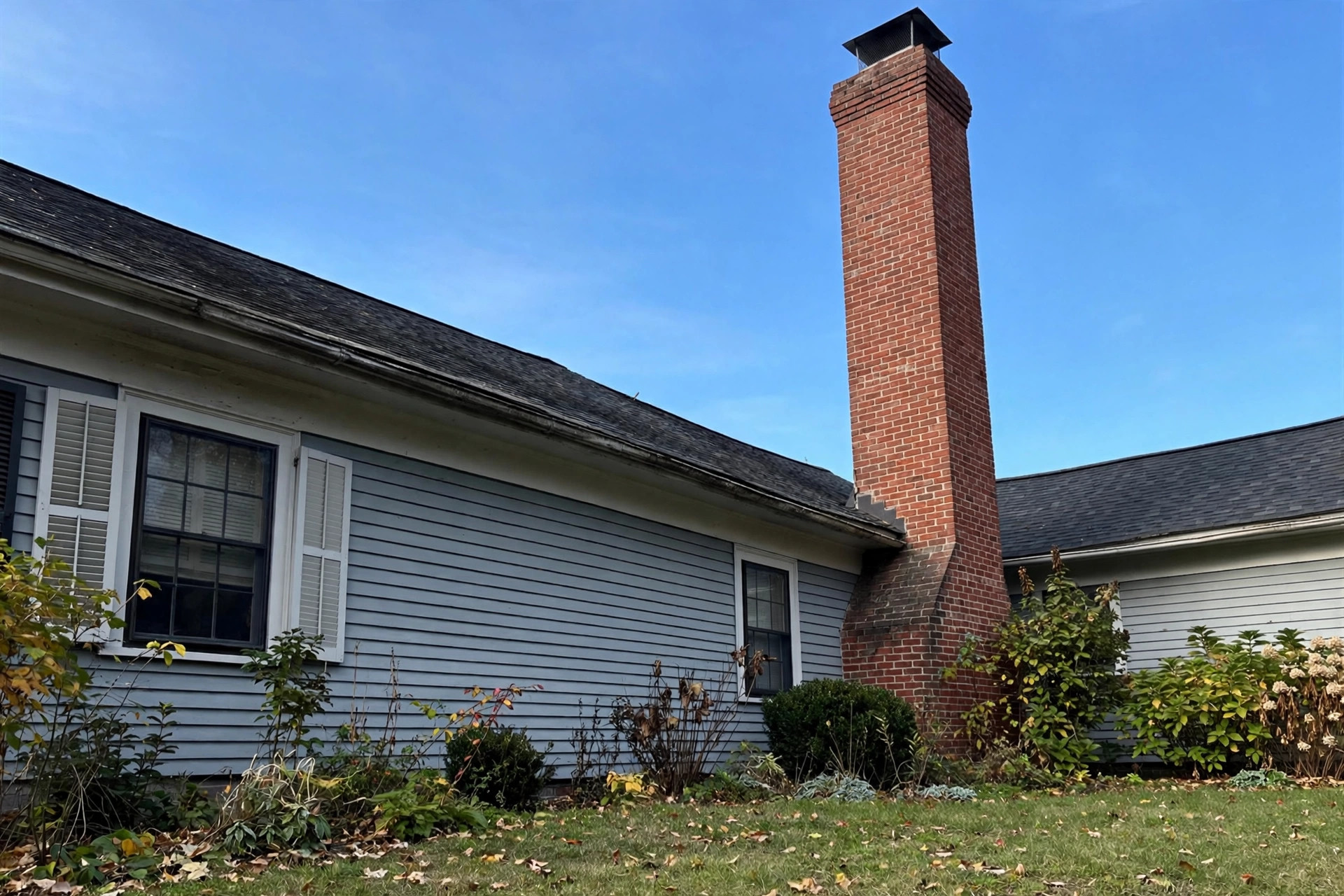
The crown is the cement top of the chimney. It should slope away from the flue so rain runs off. Cracks in the crown let water inside. The cap sits above the flue opening. It blocks rain, leaves, and animals. The inspector checks both parts and notes any rust, cracks, or loose fit. If you are comparing parts, see our chimney cap buying guide.
The Mortar and the Masonry
The inspector runs a finger or tool across the mortar joints. Sound mortar feels hard. Soft, sandy mortar means water damage. He also checks for leaning, spalling bricks, and missing chunks. Small masonry faults are common on older homes. Catching them early keeps repair bills low.
The Flashing and the Damper
Flashing is the metal seal where the chimney meets the roof. Loose flashing lets water into the attic. The damper sits inside the flue near the firebox. It should open and close fully. A stuck damper wastes heat and lets cold air pour down the chimney in winter.
The Firebox and the Hearth
Inside the home, the inspector looks at the firebox walls for cracks and worn joints. The hearth must extend far enough into the room to catch stray sparks. He checks that the grate and fireplace doors close well and that screens are intact.
The Three Levels of Chimney Inspection
The chimney trade uses three standard levels. Knowing them helps you order the right service and avoid paying for more than you need.
Level 1: The Yearly Check
Level 1 is the standard yearly inspection. It suits a chimney that is used in a normal way, with no change of fuel and no known fault. The inspector works from outside and from the firebox. He uses a bright light and hand tools. He does not remove doors or parts. Most homes need this level once a year, before the heating season starts.
Level 2: The Closer Look
Level 2 goes deeper. It is needed after a chimney fire, after a change in the heating unit, or after a storm or earthquake. It is also wise before buying a home. The inspector adds a camera that travels up the full length of the flue. The camera shows cracks and gaps that eyes cannot reach. Attics and crawl spaces near the chimney are also checked. If your chimney has not been inspected for years, ask for Level 2.
Level 3: The Full Opening
Level 3 is rare. It is used when a serious fault is suspected but hidden behind walls. The inspector may open small parts of the wall or the crown to reach the damage. You will be told the cost and the reason before any opening is made. Most homeowners never need this level.
How to Choose a Top Rated Service
Not every sweep and mason offers the same skill. The steps below will help you pick one of the top rated chimney inspection services for homeowners in your area.
Check Training and Certification
Look for training from the Chimney Safety Institute of America. This body teaches the three levels of inspection and issues the Certified Chimney Sweep title. A trained sweep knows the codes and the correct tools. Ask to see the card or the certificate. Good firms also carry full liability insurance. Ask for proof before work starts.
Read Local Reviews With Care
Online reviews help, but read them with care. Look for detail. A useful review names the technician, describes the work, and notes the price. Short reviews that say only “great job” tell you little. Also ask neighbors and local hardware staff. Word of mouth in a small town is often the best guide. Sites such as Consumer Reports explain how to weigh service reviews in any trade.
Ask for a Written Report
A top rated service gives you a written report. The report should list each item checked, the condition found, and the work advised. Photos from the camera inspection should be included. A verbal report alone is not enough. You need paper to compare bids and to keep a record for the next owner.
Ask the Right Questions
Before you hire, ask these questions. What level of inspection do you advise, and why. What is the full price, and what does it include. Will I get photos and a written report. When will you come, and how long will the visit take. Clear answers show a clear business. Vague answers are a warning sign. The editors at This Old House advise the same plain questions for any home service hire.
Beware Common Scams
Some firms use fear to sell work. A technician may claim your chimney will fail unless you buy a costly liner today. Get a second view before you agree to large repairs. A good firm explains the fault, shows you the photo, and gives you time to decide. Never pay the full sum in advance.
What Chimney Inspection Services Cost
Prices vary by region and by level. A Level 1 inspection often costs between 100 and 250 dollars in most states. A Level 2 inspection with a camera scan often costs between 250 and 500 dollars. A Level 3 inspection costs more because it may involve opening walls. The price should be fixed before the visit.
Ask whether the price includes a cleaning. Many firms sell a combined inspection and sweep visit. A cleaning is usually wise when creosote reaches one eighth of an inch. But a firm should not clean what does not need it.
Watch for add-ons. A cap, a new crown, or fresh flashing may be advised. These are fair repairs when the photo shows real damage. Ask for the price of each item apart from the inspection. Then compare with one other bid. Two bids are enough for most repair work.
Care and Upkeep Between Inspections
An inspection once a year is the base. Your daily habits keep the chimney sound between visits. The simple rules below cost little and pay well.
Burn only dry, seasoned wood. Wet wood makes far more creosote. Seasoned wood has been cut and stacked for six to twelve months. It burns hot and clean. Never burn trash, boxes, or painted wood. They leave harsh ash and can poison the air in the home. The Family Handyman library offers plain notes on stacking and drying firewood.
Keep the area near the hearth clear. Rugs, paper, and kindling should stay at least three feet away. Use a metal screen in front of the firebox. For homes with small children, compare options in our guide to childproof fireplace screens.
Watch for warning signs through the year. A smoky smell when the fireplace is cold, water stains on the ceiling near the chimney, white stains on the outside bricks, and rust on the damper all call for a call to the inspector. Do not wait for autumn. Water damage grows worse with each rain.
If your fireplace is decorative or gas, the rules change a little. Gas units still need a yearly look. The vent must be clear, and the flame must burn blue. Yellow or lazy flames mean poor air mix. Electric units need far less care, but the cord and the plug should be checked each year. Many American homes now mix heating types, as noted in our review of wood burning fireplace inserts. Makers such as Napoleon and Heatilator publish yearly care notes for their gas and wood units.
Safety Steps for Your Family
Inspection finds the faults. Daily safety keeps the family safe while faults are fixed. These steps come from fire safety practice used across the country.
Fit smoke detectors on every floor and test them each month. Fit a carbon monoxide detector near the sleeping rooms and near the fireplace. Change the batteries each autumn. Never leave a fire burning when no adult is in the room. Let the ashes cool for two days before you move them, and store them in a metal can with a lid.
Keep a small fire extinguisher in the room with the fireplace. Learn the PASS method: pull the pin, aim low, squeeze the handle, sweep side to side. Teach older children how to call the fire service and how to leave the house by two ways. A yearly inspection plus these habits gives a home the best defense against fire.
Frequently Asked Questions
How often should a chimney be inspected?
Once a year is the standard rule. The best time is late summer or early autumn, before the first fire. If you burn wood daily all winter, some sweeps advise a mid-season check as well. After any chimney fire, storm, or change of heating unit, order a Level 2 inspection at once.
How long does an inspection take?
A Level 1 visit takes about forty five minutes to one hour. A Level 2 visit with a camera scan takes about ninety minutes to two hours. The time grows if the chimney is tall or hard to reach. Ask the firm for a time window when you book.
Will the inspector make a mess in my home?
A careful firm keeps the mess small. The technician lays drop cloths from the door to the hearth. He uses a shop vacuum during the camera work. A short cleaning may leave a light dust, but a top rated service leaves the room as clean as it found it. Ask about their dust control when you book.
Can I inspect the chimney myself?
You can do a simple eye check from the ground. Look for leaning, loose bricks, and a missing cap. But you cannot judge the flue liner or measure creosote from the ground. The camera tools and the training matter. Leave the full inspection to a certified sweep.
What happens if the inspector finds damage?
The report will grade each fault. Minor faults, such as a cracked crown, can be fixed in one visit. Serious faults, such as a cracked liner, need repair before the next fire. Do not use the fireplace until the repair is done. Get the repair price in writing and compare one more bid.
Does home insurance require a chimney inspection?
Rules differ by state and by policy. Many insurers ask for proof of a yearly inspection, and some may deny a fire claim if none was done. Ask your agent what your policy requires. Keep each written report in a file. The paper trail protects you if a claim ever arises.
A Final Word
A chimney asks little and gives much. One yearly visit from a trained eye keeps the flue clear, the bricks sound, and the family safe. When you search for top rated chimney inspection services for homeowners, look past the ads. Read the reviews with care. Ask for the certificate. Insist on a written report with photos. Then book the visit before the cold winds come. The cost is small. The peace of mind is large. Your home, and the people in it, deserve no less.
References
Consumer Reports. (n.d.). Product reviews and ratings. https://www.consumerreports.org Family Handyman. (n.d.). DIY home repair and maintenance. https://www.familyhandyman.com Heatilator. (n.d.). Fireplaces and fireplace products. https://www.heatilator.com Lowe’s. (n.d.). Home improvement products. https://www.lowes.com Napoleon. (n.d.). Fireplaces, grills, and heating products. https://www.napoleon.com The Home Depot. (n.d.). Home improvement products. https://www.homedepot.com The Spruce. (n.d.). Home and garden advice. https://www.thespruce.com This Old House. (n.d.). Home renovation guidance. https://www.thisoldhouse.com U.S. Consumer Product Safety Commission. (n.d.). Product safety information. https://www.cpsc.gov U.S. Environmental Protection Agency. (n.d.). Protecting human health and the environment. https://www.epa.gov
Was this guide helpful?

About Lisa Anderson
The My Garden US editorial team writes practical, in-depth home and garden guides for American homeowners — tested advice, no fluff.
You May Also Like
Best Fireplace Screens With Doors for Southern States
February 27, 2026 0 views
Buy Smart Electric Fireplaces Online in Colorado: A Complete Guide
September 11, 2026 0 views
Premium Outdoor Patio Heaters for Sale: A Simple Buying Guide
March 17, 2026 0 views