---
Table of Contents
Table of Contents
If you heat with wood, you face a basic choice: a classic wood stove that burns split logs, or a pellet stove that feeds itself from a hopper of compressed sawdust pellets. Both heat well. Both burn a renewable fuel. But they work very differently, cost different amounts, and suit different homes. This guide compares wood stove vs pellet stove on every factor that matters so you can choose with confidence. This article explains wood stove vs pellet stove in simple terms.
Wood Stove Vs Pellet Stove: How Each One Works
When it comes to wood stove vs pellet stove, getting the details right makes all the difference.
When it comes to wood stove vs pellet stove, getting the details right makes all the difference.
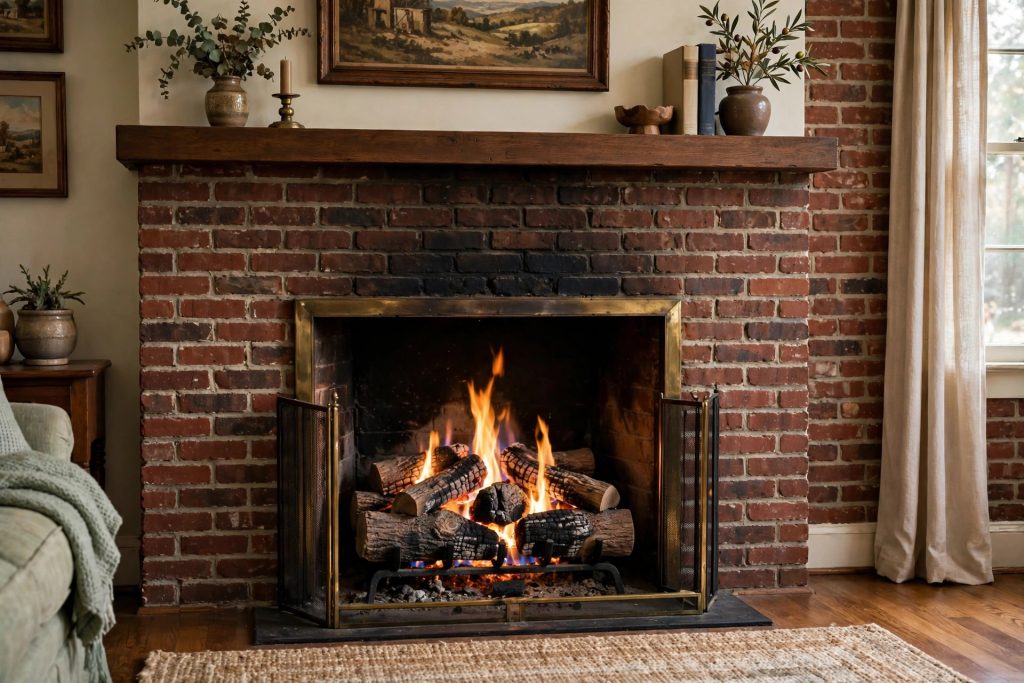
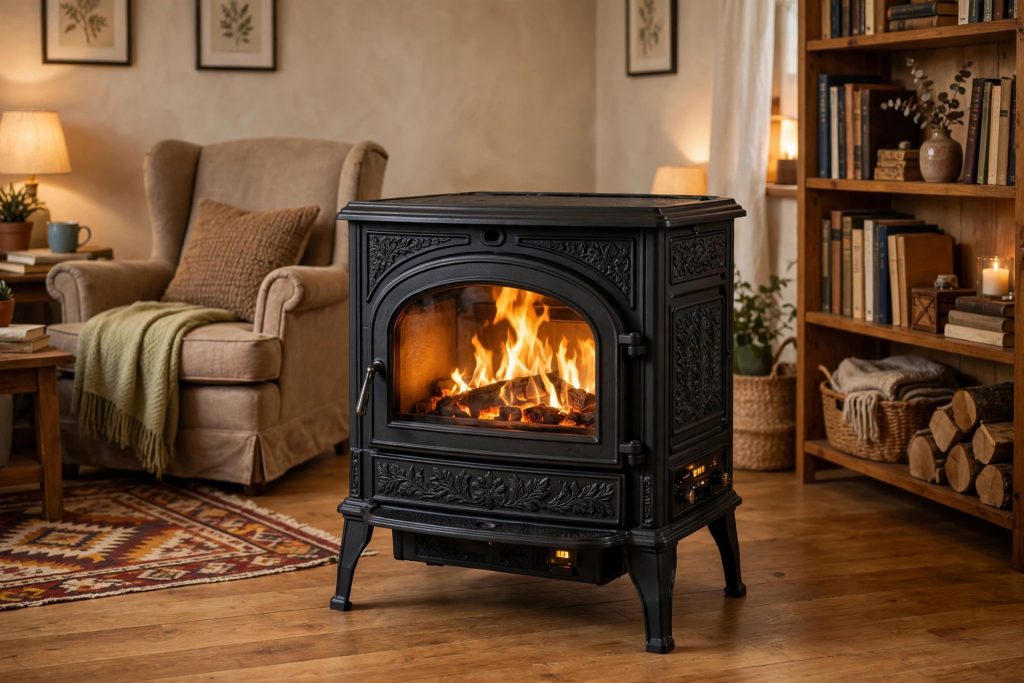
Many homeowners find that wood stove vs pellet stove is easier than they expected once they know the basics.
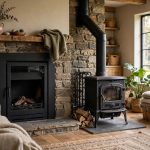
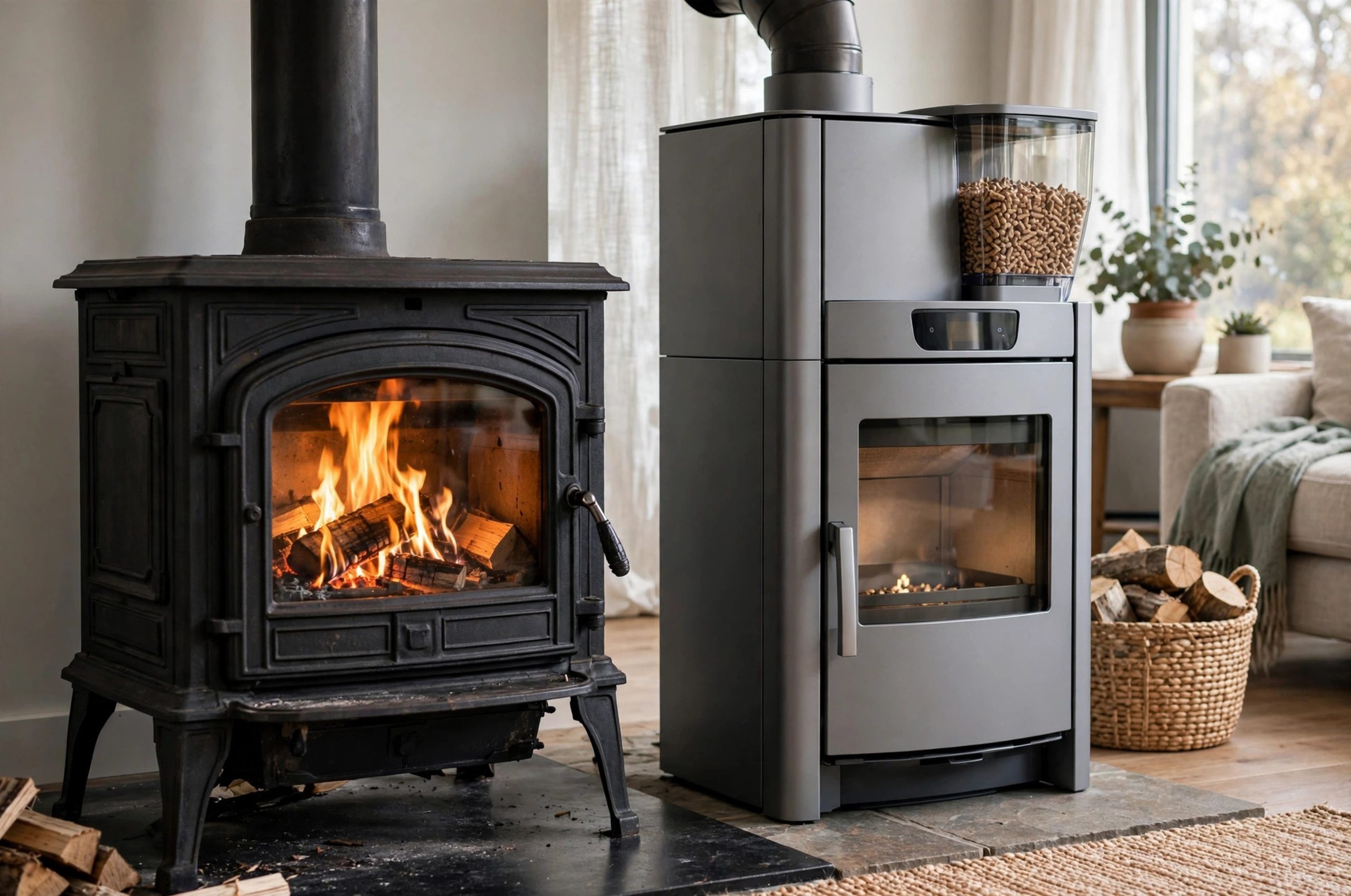
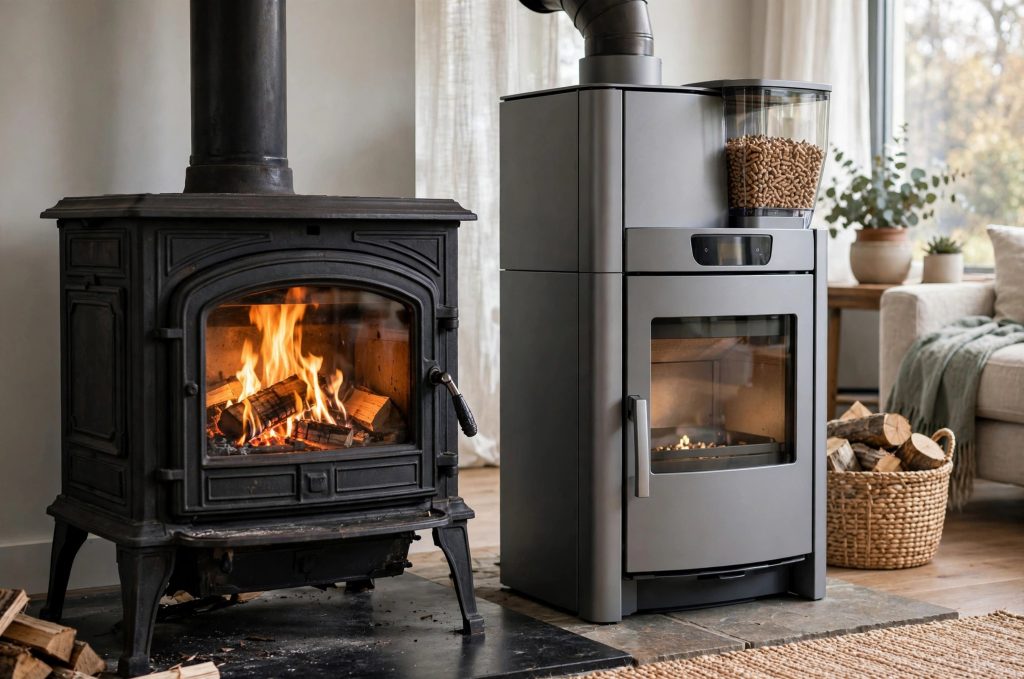
A wood stove burns split logs, called cordwood, in a firebox. You load the wood by hand, light it, and control the burn with air vents. Heat comes off the steel or cast-iron body as radiant warmth. No electricity is needed. If the power goes out, the stove keeps heating.
A pellet stove burns small pellets made from compressed sawdust and wood waste. You pour bags of pellets into a hopper. An electric auger feeds pellets into the burn pot automatically, fans move the heat into the room, and a thermostat holds your set temperature. Most pellet stoves need electricity to run (EPA).
Efficiency Comparison
Many homeowners find that wood stove vs pellet stove is easier than they expected once they know the basics.
Many homeowners find that wood stove vs pellet stove is easier than they expected once they know the basics.
The key to wood stove vs pellet stove is choosing the right approach for your space and budget.
Pellet stoves win on efficiency. Because the fuel is uniform in size and moisture, and the feed rate is controlled, pellet stoves typically reach 70 to 90 percent efficiency. Modern wood stoves are close behind at roughly 60 to 80 percent, with EPA-certified models at the top of that range (Go Outdoor Direct).
Chimney Insight's comparison puts EPA-certified wood stoves at 70 to 80 percent and pellet stoves at 80 to 90 percent, with pellet stoves producing 8,000 to 90,000 BTU per hour and wood stoves reaching 30,000 to 100,000 BTU or more (Chimney Insight). In plain terms, the pellet stove squeezes more heat from each pound of fuel, but a big wood stove can put out more raw heat for a large space.
The EPA's Burn Wise program notes that today's certified stoves produce almost no smoke and very little ash compared with older uncertified models, and advises shoppers to look for the EPA label and compare emissions ratings (EPA).
Cost Comparison
The key to wood stove vs pellet stove is choosing the right approach for your space and budget.
With a little planning, wood stove vs pellet stove can fit even a busy schedule.
Upfront cost. Wood stoves generally cost less. Expect roughly $800 to $4,000 installed for a wood stove, versus $1,500 to $5,000 or more installed for a pellet stove. Pellet stove installation can be simpler since many vent through a wall with a small pipe instead of a full chimney, but the unit itself costs more (Chimney Insight).
Fuel cost. This depends heavily on your area. Purchased firewood runs a few hundred dollars per cord, and a heating season may take three to five cords. Pellets sell by the 40-pound bag or by the ton, with a typical heating season costing a few hundred dollars. If you can cut your own wood, the wood stove's fuel cost drops near zero, which no pellet stove can match (Always Ready HQ).
Maintenance cost. Wood stoves need annual chimney sweeping and regular ash removal. Pellet stoves need weekly cleaning of the burn pot and ash pan, plus annual professional service. Pellet stove parts such as igniters, auger motors, and control boards wear out and cost real money to replace (Always Ready HQ).
Convenience and Daily Effort
With a little planning, wood stove vs pellet stove can fit even a busy schedule.
Before you start, it helps to understand how wood stove vs pellet stove works in real homes.
This is the pellet stove's biggest selling point. Fill the hopper, set the thermostat, and the stove runs itself for a day or more. Ash volume is small. There is no splitting, stacking, or hauling logs.
A wood stove demands your time. You split and stack the wood, haul it inside, load the firebox several times a day, and empty ashes often. Best Small Wood Stoves is honest about the trade: wood stoves need frequent attention, while pellet stoves feed themselves (Best Small Wood Stoves).
But convenience has a flip side. A pellet stove has motors, fans, sensors, and a circuit board. More parts mean more things that can break, and repairs need parts and know-how. A wood stove is simple steel and firebrick. There is little to break, and what does break is easy to fix.
Power Outages
Before you start, it helps to understand how wood stove vs pellet stove works in real homes.
A good plan for wood stove vs pellet stove saves time, money, and frustration.
A wood stove works with zero electricity. In a storm or outage, it keeps heating, and you can even cook on many models. This alone decides the question for many rural homeowners.
A pellet stove stops when the power stops. The auger, fans, and controls all need electricity. Some owners add a battery backup or a small generator, but that adds cost and complexity. If your area loses power often and you want heat you can count on, the wood stove is the safer pick (8TFive).
Heat Feel and Ambiance
A good plan for wood stove vs pellet stove saves time, money, and frustration.
A wood stove gives deep radiant heat and a big, lively flame with crackle and pop. Nothing matches it for atmosphere. A pellet stove gives steady convective heat pushed by a fan, with a smaller, more mechanical flame. Pellet stove fans also make noise: a low hum and the periodic sound of the auger feeding pellets. Light sleepers and ambiance lovers tend to prefer the wood stove (Go Outdoor Direct).
Emissions and Environment
For most people, wood stove vs pellet stove comes down to a few smart choices.
Both fuels are biomass, so the carbon released in burning is reabsorbed as new trees grow. But pellet stoves burn cleaner at the stack. Their controlled combustion produces less smoke and fewer fine particles than even a good wood stove. GW-360's sustainability comparison notes that pellet combustion generates fewer pollutants and less smoke, making pellets the better choice for local air quality (GW-360).
Wood stoves have closed the gap. EPA-certified wood stoves with secondary burn systems run far cleaner than old stoves. The key for either type is proper operation: dry fuel, hot fires, and regular maintenance.
Space and Storage
If you are new to wood stove vs pellet stove, start with the simplest option and build from there.
A wood stove needs a woodpile. A full heating season of cordwood takes a large outdoor stack, plus space to split and season it. Pellets come in tidy 40-pound bags that stack neatly in a garage or shed. A ton of pellets fits on a single pallet. If you lack outdoor space, pellets are far easier to store (KitchenRank).
Safety Notes
When it comes to wood stove vs pellet stove, getting the details right makes all the difference.
Wood stoves run hotter on their surfaces and build creosote in the chimney, so annual sweeping is a must. Pellet stoves run cooler and shut themselves down if something goes wrong, but their electronics and motors need annual inspection. Both types need working smoke and carbon monoxide detectors nearby. KitchenRank's pellet stove guide stresses annual inspection and keeping the area clear of combustibles (KitchenRank).
Quick Comparison Table
| Factor | Wood Stove | Pellet Stove | |---|---|---| | Efficiency | 60-80% | 70-90% | | Needs electricity | No | Yes | | Thermostat control | Limited | Full | | Daily effort | High | Low | | Fuel storage | Large woodpile | Compact bags | | Upfront cost | Lower | Higher | | Works in outage | Yes | No | | Ambiance | Excellent | Modest | | Emissions | Higher | Lower | | Repair complexity | Low | Higher |
Which Should You Choose?
Choose a wood stove if: you have access to affordable or free firewood, you want heat during power outages, you love a real fire, you have space for a woodpile, and you do not mind daily tending. A quality wood-burning stove paired with a heat-powered stove fan to spread warmth is a proven setup.
Choose a pellet stove if: you want thermostat-controlled heat with little daily effort, you lack space for cordwood, local air quality rules favor low emissions, and your power supply is reliable. Keep a covered firewood storage shed in mind only if you go the cordwood route; pellet owners just need a dry spot for bagged pellets.
Either way, buy EPA-certified, size the unit to your space, and burn it right. The best stove is the one that fits your home, your fuel supply, and your lifestyle.
Frequently Asked Questions
Can a pellet stove heat a whole house? It depends on the stove size and the home layout. Large pellet stoves put out up to 90,000 BTU, enough for a well-insulated medium home with an open floor plan. Multi-story or compartmentalized homes usually need the stove as a supplement to a central system.
Do pellet stoves work during a power outage? No. The auger, fans, and controls all need electricity. Some owners add a battery backup that runs the stove for several hours, or a small generator for longer outages. A wood stove needs no power at all.
Which is better for the environment? Pellet stoves burn cleaner at the stack, with lower smoke and particle emissions. Both use renewable biomass fuel. If local air quality is your top concern, the pellet stove has the edge. An EPA-certified wood stove run properly is also a clean option.
Can I burn wood pellets in a regular wood stove? No. Pellets need the controlled feed and airflow of a pellet stove. In a wood stove they burn too fast and hot in an uncontrolled way. Use only the fuel your appliance was designed for. That is all it takes to handle wood stove vs pellet stove with confidence.
References
Best Small Wood Stoves. (n.d.). Wood stoves vs. pellet stoves: Pros, cons, and key differences. https://bestsmallwoodstoves.com/wood-stove-vs-pellet-stove/
Chimney Insight. (n.d.). Wood stove vs. pellet stove: Efficiency guide. https://chimneyinsight.com/wood-stove-vs-pellet-stove-efficiency-output/
Go Outdoor Direct. (n.d.). Pellet stove vs wood stove: What's the difference and which is better? https://gooutdoordirect.com/blogs/news/pellet-stove-vs-wood-stove
KitchenRank. (n.d.). What are the pros and cons of a pellet stove? https://kitchenrank.com/what-are-the-pros-and-cons-of-a-pellet-stove/?amp=1
U.S. Environmental Protection Agency. (n.d.). Choosing the right wood-burning stove. https://www.epa.gov/burnwise/choosing-right-wood-burning-stove
U.S. Environmental Protection Agency. (n.d.). Fact sheet: Summary of requirements for woodstoves and pellet stoves. https://www.epa.gov/stationary-sources-air-pollution/fact-sheet-summary-requirements-woodstoves-and-pellet-stoves
Was this guide helpful?

About My Garden US
The My Garden US editorial team writes practical, in-depth home and garden guides for American homeowners — tested advice, no fluff.
You May Also Like
Buy Gel Fuel Fireplaces Online in Florida: A Complete Guide
April 30, 2026 14 views
Fireplace Log Holders Price Comparison USA
August 7, 2026 14 views
Best Outdoor Fire Pits for Humid Climates
June 8, 2026 18 views