---
Table of Contents
Table of Contents
- Keeping Toddlers Safe Around a Hot Stove: Why Toddlers Are at Special Risk
- The Safety Gate: Your First Line of Defense
- Screens and Doors as Backup
- The Hot Zone Rule
- Stove-Specific Dangers
- Fireplace-Specific Dangers
- What to Do in the First Seconds of a Burn
- Teaching as They Grow
- The Whole-House Check
- Your Setup Checklist
- References
Toddlers and hot stoves are a dangerous mix. A wood stove or fireplace can run at hundreds of degrees on its surface. A toddler is unsteady on their feet, pulls up on anything in reach, and has slower reflexes than an adult. They cannot pull their hand away fast enough when they touch something hot, and their skin burns deeper and faster than adult skin. This article explains keeping toddlers safe around a hot stove in simple terms.
Most burns to small children from fireplaces and stoves happen to the hands and fingers. Many happen when a child trips and falls against the stove, not when they deliberately touch it. The good news is that a few simple barriers and habits prevent nearly all of these injuries. Here is how to set up your home so a hot stove and a toddler can coexist safely.
Keeping Toddlers Safe Around a Hot Stove: Why Toddlers Are at Special Risk
When it comes to keeping toddlers safe around a hot stove, getting the details right makes all the difference.
When it comes to keeping toddlers safe around a hot stove, getting the details right makes all the difference.
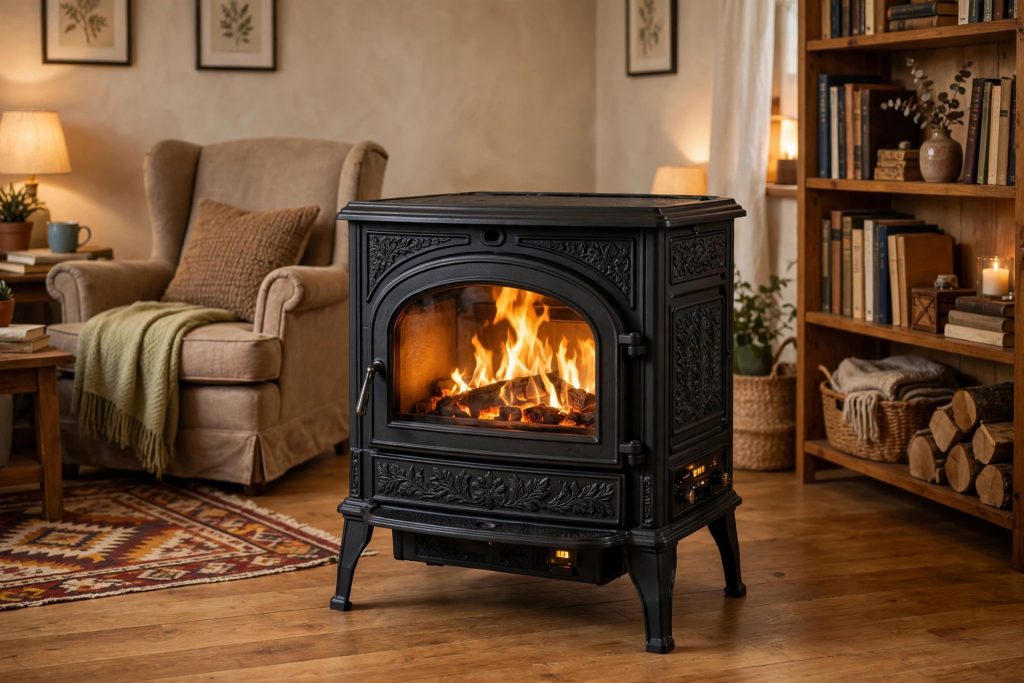
Many homeowners find that keeping toddlers safe around a hot stove is easier than they expected once they know the basics.
Children under six suffer most burn injuries, and toddlers are the peak age. They are learning to walk and they use furniture and fixtures to pull themselves up. A stove at toddler height is right in the grab zone. They are also top-heavy and clumsy, so falls are common. A fall against a hot stove door or a glass fireplace front can cause a severe burn in a second.
Glass is a special danger. Gas fireplace glass can reach around 500 degrees during use, and it stays hot long after the fire is off. Many parents do not expect glass to be that hot. It looks like a window. A toddler who leans on it or pats it gets a serious burn. The American Academy of Pediatrics warns parents to minimize the burn risk from hot glass fronts with safety screens, and to remember that the glass stays hot long after the fireplace is turned off.
Thinner skin makes it worse. A toddler's palms burn deeper in the same contact time that would only redden an adult's hand. That is why prevention matters so much more than reaction.
The Safety Gate: Your First Line of Defense
Many homeowners find that keeping toddlers safe around a hot stove is easier than they expected once they know the basics.
Many homeowners find that keeping toddlers safe around a hot stove is easier than they expected once they know the basics.
The key to keeping toddlers safe around a hot stove is choosing the right approach for your space and budget.
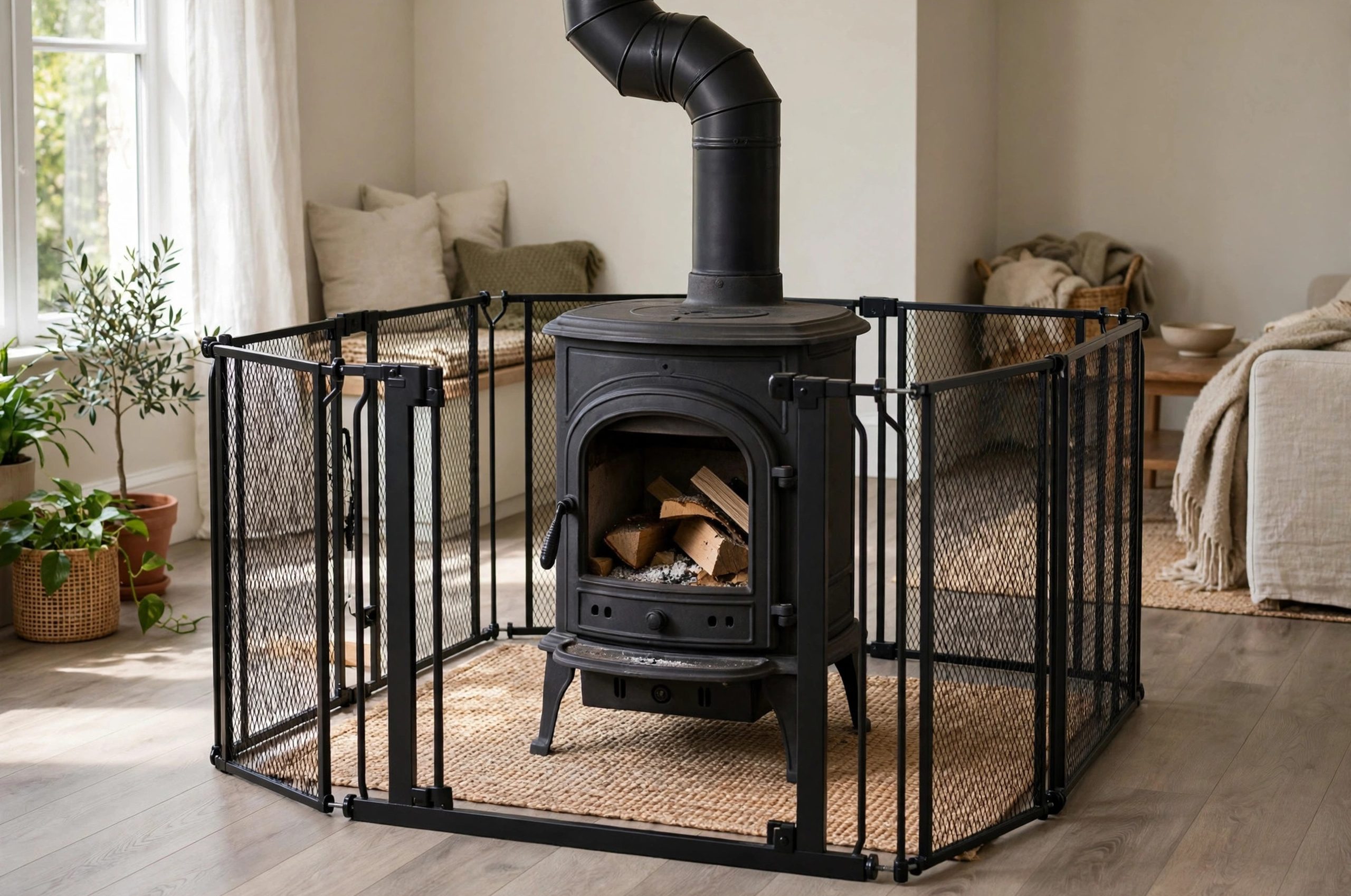
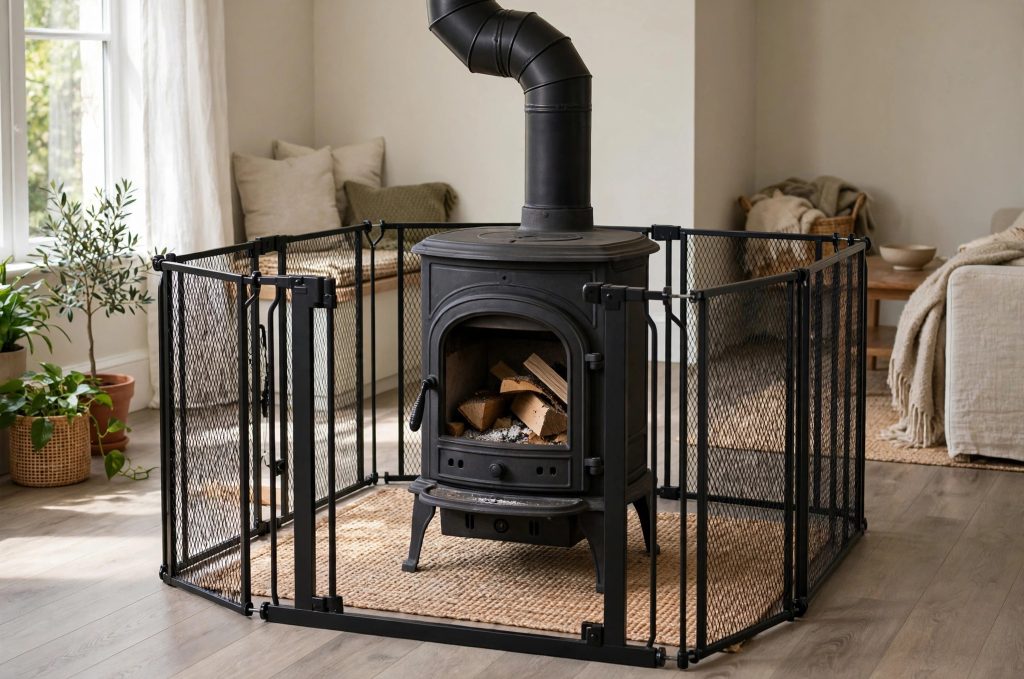
A safety gate or hearth guard around the stove is the single most effective step. It keeps the toddler from ever reaching the hot surface. Choose a sturdy metal gate made for hearths, not a flimsy plastic baby gate. It should stand on its own or mount to the wall, surround the stove on all exposed sides, and have a child-proof latch on the adult access door.
Place the gate far enough out that a toddler cannot reach through it to touch the stove. Two to three feet of clearance is a good rule. Make sure the gate itself cannot tip over if a child leans on it. Wall-mounted is best. Freestanding gates need a wide, stable base.
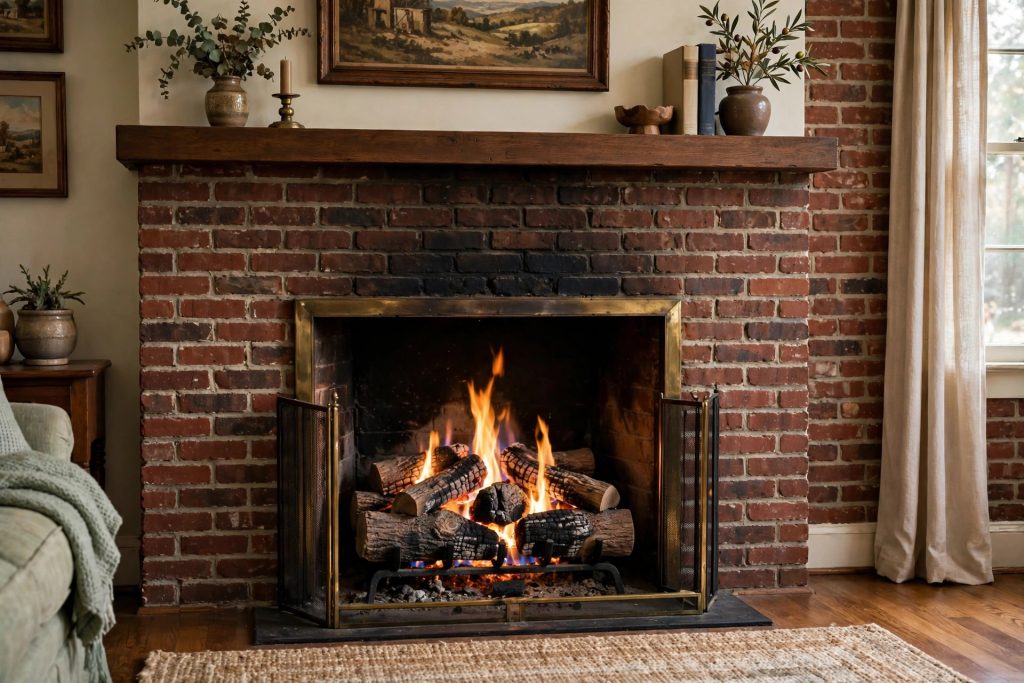
Do not rely on a fireplace screen alone. Screens stop sparks and embers, but the screen itself gets hot. A toddler who grabs a hot screen still gets burned. A babyproofing guide for hearths makes this exact point: screens help with embers, but only a barrier that keeps small hands away from hot metal truly protects against contact burns.
A top-rated fireplace safety gate sized to your hearth is the core purchase here. Measure the hearth before you buy so the gate fits with room to spare.
Screens and Doors as Backup
The key to keeping toddlers safe around a hot stove is choosing the right approach for your space and budget.
With a little planning, keeping toddlers safe around a hot stove can fit even a busy schedule.
A gate is the main defense. Screens and glass doors are the backup. For a wood-burning fireplace, a sturdy screen keeps embers and sparks from popping out onto the floor where a crawling baby might find them. For a gas fireplace, a safety screen fitted over the glass cuts the burn risk from the hot front. The AAP's burn prevention tips advise that fireplaces, woodstoves, and heaters should be screened so a child cannot get near them, and note that gas fireplace glass gets extremely hot and stays hot after shutdown.
Keep in mind that glass doors are not a safety device by themselves. They contain the fire, but the glass is a burn hazard on its own. Always pair glass doors with a gate when toddlers are in the house.
The Hot Zone Rule
With a little planning, keeping toddlers safe around a hot stove can fit even a busy schedule.
Before you start, it helps to understand how keeping toddlers safe around a hot stove works in real homes.
Set a clear hot zone around the stove and teach it early. A three-foot no-go zone around every hot appliance is the standard that burn prevention guides recommend for toddlers. Mark it with the gate, a hearth rug, or tape on the floor. Every adult in the house should enforce the same rule. Toddlers learn boundaries through repetition, but do not expect a two-year-old to remember. The gate does the remembering.
Never leave a toddler alone in a room with a hot stove, even with a gate up. Gates can be left open. Older siblings can open them. Supervision is the backstop for every device.
Stove-Specific Dangers
Before you start, it helps to understand how keeping toddlers safe around a hot stove works in real homes.
A good plan for keeping toddlers safe around a hot stove saves time, money, and frustration.
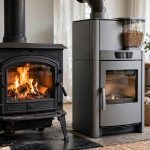
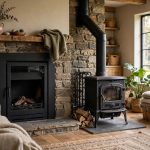
A freestanding wood stove has hot surfaces on every side, plus a hot stovepipe rising to the ceiling. The pipe is easy to forget. It runs at high heat and a toddler tall enough to reach it can grab it. Gate the pipe too, or route the barrier so the pipe is inside the protected zone.
The stove door handle and air controls get hot. Do not let a toddler play with them. Some stoves have removable handles. Take the handle off when the stove is in use if your model allows it.
Ash removal is another risk. Hot ashes stay dangerous for a long time. Scoop ashes only when the stove is cold, store them in a metal container with a lid, and keep the container outside and out of reach. A toddler who tips an ash bucket gets a burn and a lungful of dust.
Take your time with keeping toddlers safe around a hot stove and the result will last.
Fireplace-Specific Dangers
A good plan for keeping toddlers safe around a hot stove saves time, money, and frustration.
For most people, keeping toddlers safe around a hot stove comes down to a few smart choices.
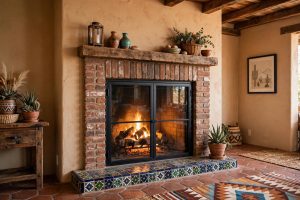
A fireplace hearth is hard stone at toddler head height. Falls against the hearth corner cause cuts and bruises even when the fire is out. Pad sharp hearth corners or gate the whole hearth. A childproof fireplace screen keeps embers in, and a hearth rug softens the floor in front, but neither replaces the gate.
Tools are a hazard too. Pokers, brushes, and shovels are fun for toddlers to grab and swing. Store the tool set behind the gate or out of reach.
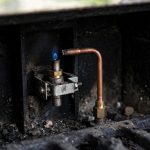
For gas fireplaces, hide the remote and the wall switch. An older child can flip the fireplace on without the parents knowing, and then the toddler wanders over to the hot glass. A University of Kentucky safety column flags this exact scenario and advises keeping gas start controls out of reach so the fireplace cannot be turned on by accident.
What to Do in the First Seconds of a Burn
For most people, keeping toddlers safe around a hot stove comes down to a few smart choices.
If you are new to keeping toddlers safe around a hot stove, start with the simplest option and build from there.
Even with every precaution, accidents happen. Know the first aid. Cool the burn under cool running water right away. The UK's child home safety guidance and burn experts agree: cool running water is the first step for any burn. Do not use ice, butter, or ointments. Remove clothing near the burn unless it is stuck to the skin.
For a small burn, cool it, cover it loosely with a clean cloth, and watch it. For a large burn, a burn on the face or hands, a burn that blisters badly, or any burn on a baby, get medical help promptly. Hand burns in toddlers need expert care because scarring can limit how the hand grows and moves.
Keep the number for poison control and your pediatrician where every caregiver can find it. Babysitters and grandparents need the same safety briefing you give yourself.
Teaching as They Grow
If you are new to keeping toddlers safe around a hot stove, start with the simplest option and build from there.
Gates protect toddlers. Teaching protects preschoolers. As your child grows, explain in simple words: hot, ouch, no touch. Let them feel gentle warmth from a safe distance so the word hot means something. Praise them for staying behind the gate. Never use fear or punishment around the stove. Calm, consistent rules work better.
When the child is old enough to understand, show them how the stove works from behind the barrier. Curiosity satisfied at a safe distance is safer than curiosity explored alone.
The Whole-House Check
When it comes to keeping toddlers safe around a hot stove, getting the details right makes all the difference.
A hot stove is one burn risk among several. The AAP's home safety checklist covers the full list: screen every heat source, keep hot liquids away from edges, set the water heater to 120 degrees, and gate the stairs. Do the full walkthrough once, and the stove is just one item on a safe list.
Burn surgeons who treat these injuries say the same thing every time. A Colorado burn center interview puts it bluntly: with a toddler in the home, the safest choice for a gas fireplace is to shut the gas off and not use it at all. If you do use it, a screen plus a gate plus constant supervision is the minimum.
Your Setup Checklist
Many homeowners find that keeping toddlers safe around a hot stove is easier than they expected once they know the basics.
Sturdy hearth gate, wall-mounted or wide-based, with a child-proof latch. Gate placed two to three feet from the stove on all exposed sides, including the stovepipe. Screen or safety glass cover as backup. Gas controls and remotes out of reach. Hearth corners padded or gated. Tools stored away. Ashes in a lidded metal can outside. CO alarm and smoke alarm working in the room. Every caregiver briefed on the rules and the burn first aid.
Do that, and the stove becomes what it should be: warmth the whole family enjoys, with no fear attached. That is all it takes to handle keeping toddlers safe around a hot stove with confidence.
References
BabyGaga. (n.d.). Keep toddlers safe around hot fireplaces with these tips. https://www.babygaga.com/fireplace-safety-tips-with-toddlers/
Children's Hospital Colorado / CU Anschutz. (n.d.). Keeping children safe from fireplace burns. https://news.cuanschutz.edu/department-of-surgery/keeping-children-safe-from-fireplace-burns
FAQs.org. (n.d.). misc.kids FAQ on babyproofing: Hearths. http://www.faqs.org/faqs/misc-kids/babyproofing/hearths/
Healthier Together (NHS). (n.d.). Child safety at home. https://www.healthiertogether.nhs.uk/child-under-12-years/child-safety-at-home
HealthyChildren.org (AAP). (n.d.). Burn treatment & prevention tips for families. https://www.healthychildren.org/english/health-issues/injuries-emergencies/pages/Treating-and-Preventing-Burns.aspx
HealthyChildren.org (AAP). (n.d.). Fireplace safety tips for families. https://www.healthychildren.org/English/safety-prevention/at-home/Pages/Fireplace-Safety_Tips.aspx
HealthyChildren.org (AAP). (n.d.). Home safety: Tips for families with young children. https://www.healthychildren.org/English/safety-prevention/at-home/Pages/Home-Safety-Heres-How.aspx
HealthyChildren.org (AAP). (n.d.). Playing outside in the yard: 8 tips. http://www.healthychildren.org/English/safety-prevention/at-home/pages/Backyard-Safety.aspx
University of Iowa Health Care. (n.d.). Burn awareness and prevention for children guide. https://UIHC.ORG/childrens/health-topics/burn-awareness-and-prevention-children-guide
University of Kentucky. (n.d.). Keeping kids safe around the fire. https://uknow.uky.edu/uk-healthcare/keeping-kids-safe-around-fire
Was this guide helpful?

About My Garden US
The My Garden US editorial team writes practical, in-depth home and garden guides for American homeowners — tested advice, no fluff.
You May Also Like

Fireplace Damper Stuck? How to Fix It Safely
October 14, 2026 18 views
How to Start a Fire in a Wood Stove: Step by Step
October 29, 2026 16 views
How to Buy Fireplace Mantel Shelves Online in California
March 22, 2026 12 views