---
Table of Contents
Table of Contents
- Start a Fire in a Wood Stove: Before You Light: The Checklist
- The Top-Down Method: The Best Way to Start
- Step 1: Lay the base logs
- Step 2: Add the middle layer
- Step 3: Add the kindling
- Step 4: Place the fire starter on top
- Step 5: Light it and manage the air
- Step 6: Let it establish, then dial back
- Warming a Cold Flue
- The Classic Bottom-Up Method
- Keeping the Fire Going
- What Never to Burn
- Troubleshooting a Stubborn Fire
- Gear That Helps
- Frequently Asked Questions
- References
Starting a fire in a wood stove looks simple until your first attempt fills the room with smoke and dies in ten minutes. The difference between a frustrating start and an easy one comes down to dry wood, good airflow, and the right stacking method. This guide shows you how to start a fire in a wood stove that catches fast, burns clean, and heats your home without the smoke. The rest of this guide covers start a fire in a wood stove in plain language.
Start a Fire in a Wood Stove: Before You Light: The Checklist
When it comes to start a fire in a wood stove, getting the details right makes all the difference.
When it comes to start a fire in a wood stove, getting the details right makes all the difference.
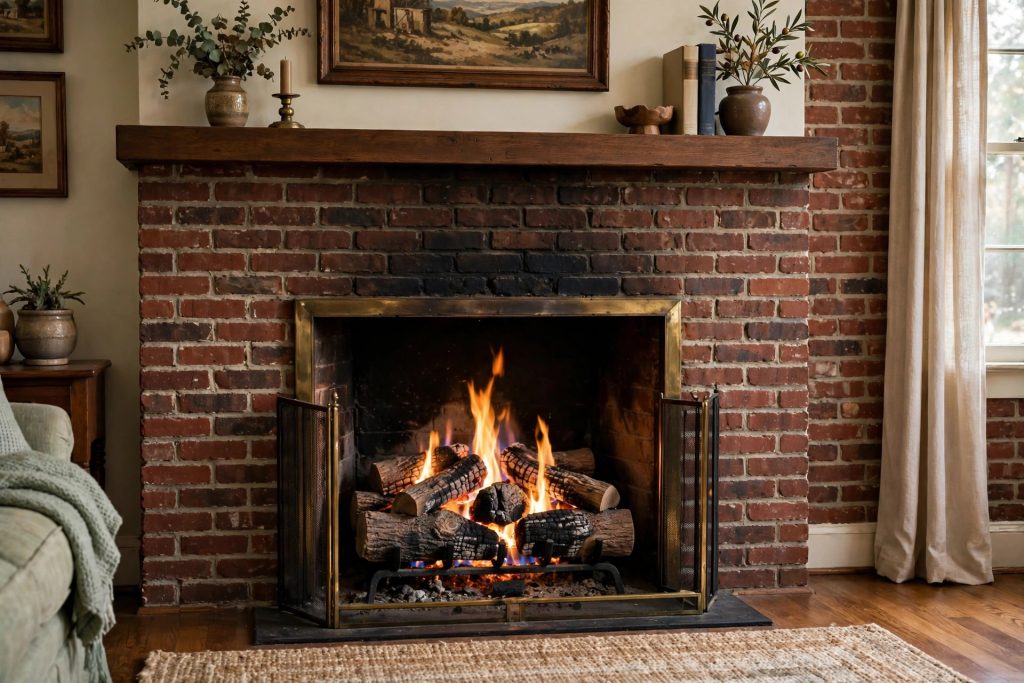
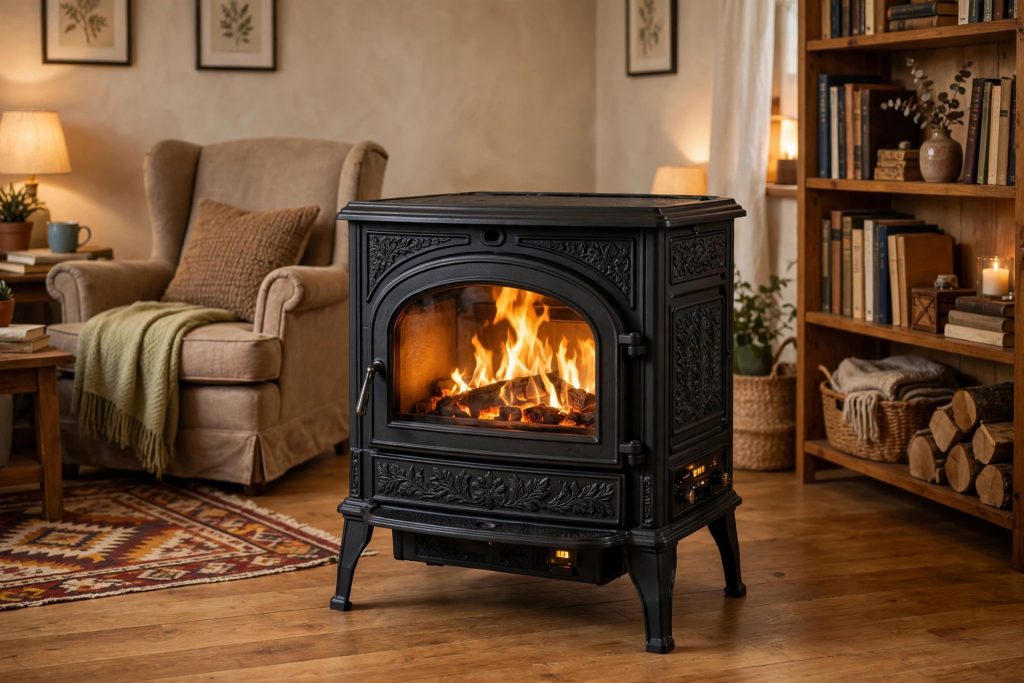
Many homeowners find that start a fire in a wood stove is easier than they expected once they know the basics.
Run through these basics every time:
- Use seasoned wood only. Wood at or below 20 percent moisture lights easily and burns hot. Wet wood hisses, steams, and smokes. The University of Kentucky's forestry extension stresses that seasoned wood is the key to heat and safety (University of Kentucky).
- Clear excess ash. Leave a thin bed of ash, about an inch, to insulate the firebox floor. Scoop out the rest so it does not block the air intake.
- Open the damper and air controls fully. A new fire needs maximum air. You will dial it back later.
- Check the flue. Make sure the damper is open and the chimney is clear. A blocked flue sends smoke into the room.
- Gather your materials. You need large split logs, medium splits, dry kindling, and a fire starter or newspaper.
Pleasant Hearth's stove guide lists the same prep: seasoned hardwood, dry kindling, a fire starter, cleared ash, and a fully open damper (Pleasant Hearth).
The Top-Down Method: The Best Way to Start
Many homeowners find that start a fire in a wood stove is easier than they expected once they know the basics.
Many homeowners find that start a fire in a wood stove is easier than they expected once they know the basics.
The key to start a fire in a wood stove is choosing the right approach for your space and budget.
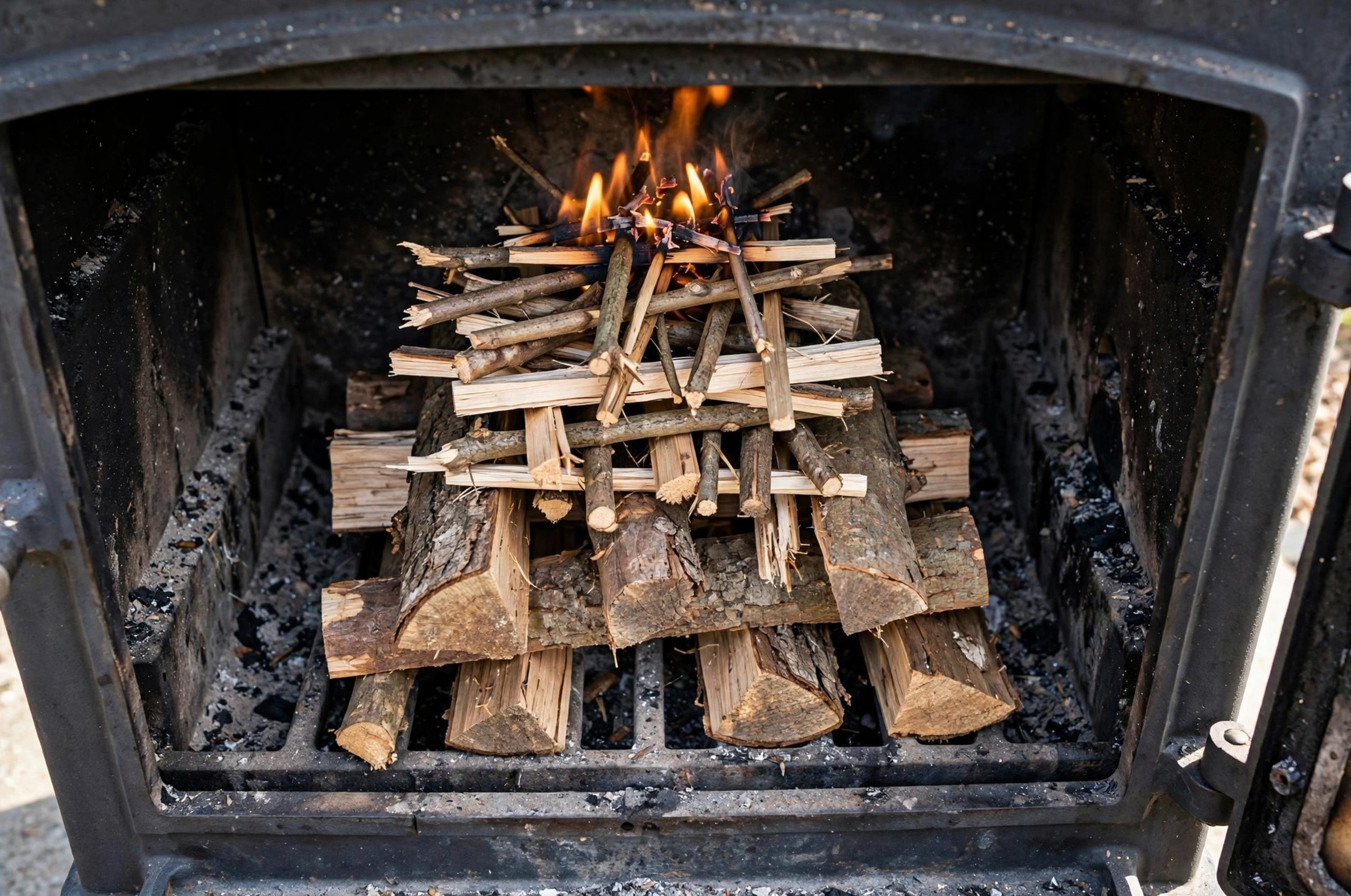
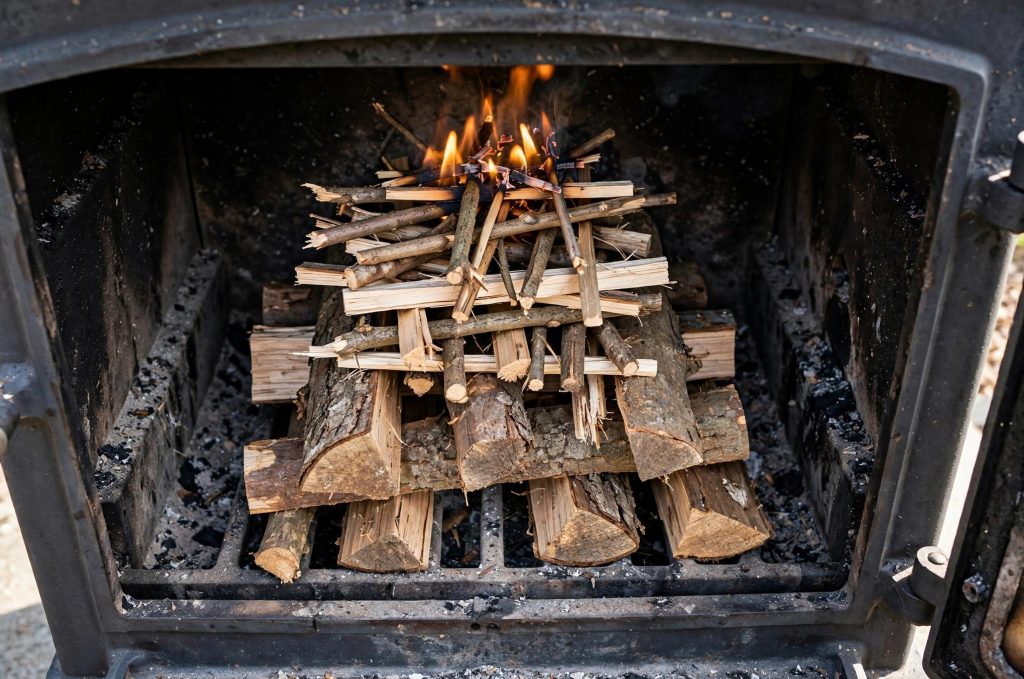
The top-down method reverses the old way of building a fire. Instead of kindling on the bottom and logs on top, you put the big logs on the bottom and light the kindling on top. The fire burns downward, preheating the logs below and burning off their gases cleanly. It produces less smoke, needs less tending, and establishes a strong draft fast.
Step 1: Lay the base logs
Place two or three of your largest split logs side by side on the firebox floor. Leave small gaps between them for airflow. Point them toward the air intake if your stove has a directional vent.
Step 2: Add the middle layer
Stack three or four medium splits across the base logs, perpendicular to them. This crisscross pattern keeps air channels open through the whole pile. Engineer Fix's stove-lighting guide emphasizes that this open stacking is what keeps oxygen flowing to every layer (Engineer Fix).
Step 3: Add the kindling
Pile a generous bundle of dry kindling across the middle layer. Use finger- to thumb-sized sticks, crisscrossed loosely so air moves between them. Be generous here. Skimpy kindling is the most common reason fires fail to catch.
Step 4: Place the fire starter on top
Set two or three fire starter cubes, a natural firelighter, or loosely crumpled newspaper on top of the kindling. This is what you will light. Everything below catches as the fire burns down. Fireplace Experts notes that lighting at the top warms the stove and chimney quickly, which builds the draft that pulls smoke up and out (Fireplace Experts).
Step 5: Light it and manage the air
Open all air controls to maximum. Light the starter in several spots. Close the stove door, or leave it cracked for a minute or two if the draft needs help getting started. You should see clean yellow-orange flames within minutes.
Step 6: Let it establish, then dial back
Give the fire twenty to thirty minutes to catch the large logs fully. Then partially close the air intake to slow the burn and stretch the heat. Never close the air fully while flames are visible. Aim for a steady, moderate burn. Lekto Woodfuels advises adjusting the air intake after ten to twelve minutes, once the fire is blazing, since less air is needed at that point (Lekto Woodfuels).
Warming a Cold Flue
The key to start a fire in a wood stove is choosing the right approach for your space and budget.
With a little planning, start a fire in a wood stove can fit even a busy schedule.
On very cold days, the air sitting in your chimney can be colder than the room air. This cold plug blocks the draft and pushes smoke back into the house when you light up. Fix it before you build the fire:
1. Roll a sheet of newspaper into a torch. 2. Light it and hold it up near the open damper for thirty to sixty seconds. 3. You will feel the draft reverse as warm air starts rising up the flue. 4. Now build and light your fire normally.
This simple trick solves most cold-start smoke problems.
The Classic Bottom-Up Method
With a little planning, start a fire in a wood stove can fit even a busy schedule.
Before you start, it helps to understand how start a fire in a wood stove works in real homes.
If you prefer the traditional way, it still works:
1. Crumple newspaper or place fire starters on the firebox floor. 2. Build a teepee or crisscross of kindling over it. 3. Lean two or three small splits against the kindling. 4. Light the starter, keep the air wide open, and add larger logs once the kindling is burning well.
Do It Yourself's fire-building guide covers this alongside the top-down method and fire starters, noting that each has its place (Do It Yourself). The bottom-up method is fine for open fireplaces. For stoves, the top-down method burns cleaner.
Keeping the Fire Going
Before you start, it helps to understand how start a fire in a wood stove works in real homes.
A good plan for start a fire in a wood stove saves time, money, and frustration.
- Add logs gradually. Place one or two splits at a time, leaving air gaps. Overloading smothers the fire.
- Rake coals forward. Pull the hot coal bed toward the air intake before adding wood. Fresh logs catch faster on hot coals.
- Use larger logs for long burns. Once the fire is established, big splits give slow, steady heat.
- Keep the door closed. An open stove door wastes heat and can overfire the stove.
- Watch the stove thermometer. Run within the maker's recommended range. Too cool makes creosote. Too hot can damage the stove and chimney.
Wood Stove Heaters adds that maintaining proper draft is a continuous job: keep air intakes clear, adjust for wind and outdoor temperature, and inspect the chimney for blockages (Wood Stove Heaters).
What Never to Burn
A good plan for start a fire in a wood stove saves time, money, and frustration.
For most people, start a fire in a wood stove comes down to a few smart choices.
Some things should never go in a wood stove:
- Lighter fluid, gasoline, or any accelerant. Ever.
- Treated, painted, or stained wood. It releases toxic chemicals.
- Plywood, particleboard, or OSB. The glues give off harmful fumes.
- Trash, plastics, or glossy paper. They burn dirty and can damage the stove.
- Driftwood. Salt in the wood corrodes metal and releases toxins.
The EPA's wood stove guidance stresses burning only dry, seasoned wood and keeping up with maintenance for clean, safe operation (EPA).
Troubleshooting a Stubborn Fire
For most people, start a fire in a wood stove comes down to a few smart choices.
Lots of smoke in the room: The damper may be closed, the flue may be cold, or the chimney may be blocked. Warm the flue, open the damper fully, and check for obstructions. If smoke persists, have the chimney swept and inspected.
Fire keeps dying: Your wood is probably too wet, or the air controls are closed too far. Test the wood with a moisture meter. Open the air fully until the fire is roaring.
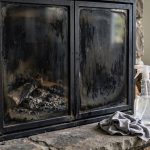
Glass blackens quickly: Wet wood or a starved fire. Burn seasoned wood and keep the air open enough for lively flames.
Fire burns too fast: The air intake is wide open or the door gasket leaks. Dial the air back once the fire is established, and check the gasket for wear.
Gear That Helps
If you are new to start a fire in a wood stove, start with the simplest option and build from there.
A good stove setup makes fire-starting easier. Keep your fuel in a covered outdoor firewood shed so it stays dry, and once your fire is roaring, a heat-powered stove fan pushes the warmth out into the room. If you are still shopping, compare wood-burning stoves sized for your space.
Master the top-down method once and starting your stove becomes a five-minute routine: stack it, light the top, open the air, and enjoy the heat.
Frequently Asked Questions
When it comes to start a fire in a wood stove, getting the details right makes all the difference.
Why does smoke come into the room when I light my stove? The most common causes are a cold flue blocking the draft, a closed or partly closed damper, or a blocked chimney. Warm the flue with a newspaper torch, open the damper fully, and make sure the chimney is clear.
How long before I can turn the air down? Wait until the large logs are fully caught, usually twenty to thirty minutes. Turning the air down too early starves the young fire and fills the stove with smoke.
Can I use newspaper as a fire starter every time? Yes. Loosely crumpled newspaper works fine and costs nothing. It burns fast, so use plenty of kindling above it. Commercial fire starters burn longer and are handy on damp days.
What makes the best kindling? Dry softwood splits about finger-thick. Pine, spruce, and fir split easily and catch fast. Split your kindling from seasoned wood and keep a dry bundle near the stove through the burning season. Keep this guide handy the next time start a fire in a wood stove comes up.
References
Do It Yourself. (n.d.). 3 techniques to build a fire in your wood stove. https://www.doityourself.com/stry/3-techniques-to-build-a-fire-in-your-wood-stove
Engineer Fix. (n.d.). How to start a wood burning stove the right way. https://engineerfix.com/how-to-start-a-wood-burning-stove-the-right-way/
Fireplace Experts. (n.d.). Firewood: How to start a fire in your fireplace or wood stove? https://fireplaceexperts.com/wood-stove-how-to-start-wood-stove-fire/
Fireside Stove. (n.d.). How to light a wood burning stove. https://firesidestove.co.uk/how-to-light-a-wood-burning-stove/
Lekto Woodfuels. (n.d.). Why the top-down fire starting method is best. https://lektowoodfuels.co.uk/blogs/news/top-down-method
Pleasant Hearth. (n.d.). How to start a wood stove fire. https://pleasanthearthfireplacedoors.com/guides/how-to-start-a-wood-stove-fire
U.S. Environmental Protection Agency. (n.d.). Choosing the right wood-burning stove. https://www.epa.gov/burnwise/choosing-right-wood-burning-stove
University of Kentucky Cooperative Extension Service. (n.d.). Spring is time to start seasoning firewood. https://news.mgcafe.uky.edu/article/spring-time-start-seasoning-firewood
Wood Stove Heaters. (n.d.). Mastering wood stove operation: Tips for optimal fuel burn. https://woodstoveheaters.com/mastering-wood-stove-operation-tips-for-optimal-fuel-burn/
Was this guide helpful?

About My Garden US
The My Garden US editorial team writes practical, in-depth home and garden guides for American homeowners — tested advice, no fluff.
You May Also Like
Best Wood Burning Stoves for Florida Homes
April 13, 2026 16 views
Affordable Fireplace TV Stands for Sale: A Practical Buyer's Guide
September 30, 2026 16 views
Best Electric Fireplaces for Living Rooms Buying Guide
May 7, 2026 17 views