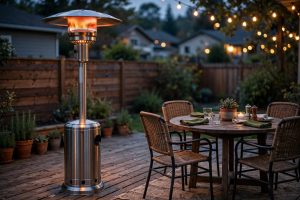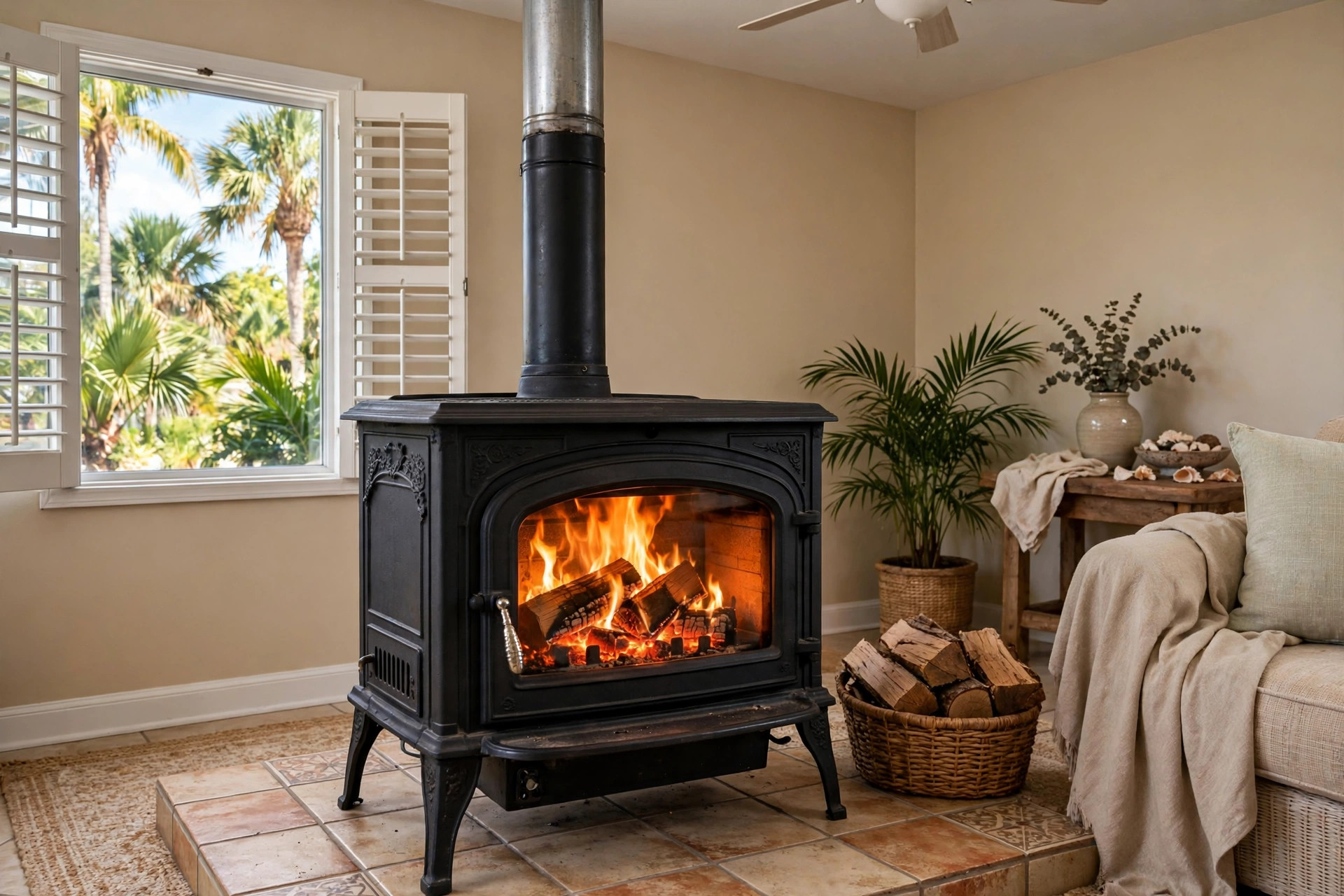

Florida is known for sunshine, palm trees, and warm winters. Most people do not picture a wood burning stove in a Florida home. Yet winter nights in the northern part of the state can drop into the thirties. Central Florida sees frost a few times each year. Even the south gets cold snaps. For many home owners, a wood stove is a practical way to heat a room without running the furnace all night.
The best wood burning stoves for florida homes are not the largest stoves on the market. A stove that is too large will overheat a Florida house. It will burn through wood too fast and force you to open windows. The best stoves for Florida are small to medium in size. They are EPA certified. They burn wood cleanly and put out steady heat for long hours.
Why Florida Homes Benefit From Wood Stoves
Florida winters are short and mild compared to the north. A full central heating system is a waste for most homes. It costs a great deal to install and run. A wood stove heats one or two rooms. It is the perfect match for the Florida climate.
Power bills are a real concern. Florida has some of the highest electric rates in the southeast during peak months. A wood stove cuts heating costs to almost nothing. Many Florida home owners have oak, pine, and hickory on their own land. Fallen wood from storm cleanup is free fuel. After hurricane season, there is often more wood than anyone can burn.
A wood stove also keeps you warm during power cuts. Florida loses power often during storms and hurricanes. Gas and electric heat do not work when the power fails. A wood stove needs no power at all. It keeps the house warm and gives light in a dark room.
The Florida Climate Factor
Florida is humid and warm most of the year. The stove will sit unused for many months. This matters when you shop. Look for a stove with a rust resistant finish. Cast iron stoves hold up well in humidity. Steel stoves are fine too if the finish is sound and the stove is kept dry.
Draft can be a problem in Florida. Warm outside air makes chimney draft weaker. Tall chimneys draft better than short ones. A straight chimney drafts better than one with bends. When you buy wood burning stoves online in florida, ask about minimum chimney height for your model.
What to Look For When You Choose: Best Wood Burning Stoves for Florida Homes
The best wood burning stoves for florida homes share a few key traits. Use this list when you compare models.
EPA Certification
Only buy an EPA certified stove. The United States Environmental Protection Agency sets strict rules for wood stoves. Certified stoves burn cleaner and use less wood. They put out more heat per log. They are required by law in many counties. An old non certified stove smokes too much and wastes fuel. Look for the EPA label on the back of the stove.
Correct Size
Stove size is rated in BTU or square feet. Most Florida homes need a stove rated for 800 to 1,500 square feet. That is a small to medium stove. A stove rated for 2,000 square feet will overheat a Florida living room. The room will get too hot to sit in. Buy for the space you heat, not the whole house.
Burn Time
Long burn time matters on cold nights. Some stoves burn for 8 to 10 hours on one load of wood. Others need wood every 4 hours. Look for a stove with a large firebox and an air control. You can load it at night and wake to warm coals.
Material
Cast iron and plate steel are the two main choices. Cast iron holds heat longer after the fire dies down. It looks classic in older homes. Plate steel heats up faster and is lighter. It works well in modern rooms. Both are good. Pick the one that fits your style and your budget. Leading makers such as Napoleon and Heatilator sell EPA certified models sized for smaller rooms.
Firebox Style
Some stoves have a large glass door. The fire is visible and adds to the mood of the room. Other stoves are plain with small doors. Glass doors need cleaning now and then. Solid doors need less care. If you enjoy watching the fire, the glass door is worth it.
Types of Stoves for Florida Homes
Not all wood stoves work the same way. The best wood burning stoves for florida homes come in three basic types.
Non Catalytic Stoves
Non catalytic stoves are the most common. They burn wood with high heat and extra air. They are simple to run and easy to clean. They cost less than other types. They work well for the short Florida heating season. Most small stoves sold today are non catalytic. Review sites such as The Spruce compare these types each year.
Catalytic Stoves
Catalytic stoves have a coated chamber called a catalyst. It burns smoke a second time. This gives very long, even burns. A catalytic stove can heat for 12 hours on one load. The catalyst needs care and must be replaced every few years. These stoves cost more up front.
Cook Stoves
Cook stoves have a flat top for cooking. Some have ovens. They are popular in rural Florida. A cook stove heats the kitchen and cooks food at the same time. They are heavy and take up space. If you want heat plus cooking, this is the type to look at.
Cost and Price
Wood stoves cost less than most people think. Prices run from about $800 for a small steel stove to $3,500 or more for a large cast iron model. The best wood burning stoves for florida homes usually fall in the $1,200 to $2,500 range. National retailers such as The Home Depot and Lowe’s stock small models and chimney kits.
Installation adds to the cost. A professional install with chimney pipe can cost $1,500 to $4,000. The chimney is the big part of the job. A metal chimney through the roof is cheaper than a full masonry chimney. If you already have a fireplace, the cost drops a great deal. Some home owners install pellet stoves for heating instead, which often need only a small vent pipe.
Do not skip the professional install to save money. A bad install is a fire risk. Most insurance companies want proof that a pro did the work. Keep your receipts.
Running Costs
Once the stove is in, heat is nearly free. Cord wood in Florida costs $150 to $300 per cord if you buy it. Many people gather free wood from their own land. A Florida home uses one to three cords per winter. Compare that to electric heat bills, and the stove pays for itself in a few years.
Care and Upkeep
A wood stove needs regular care. Good care keeps it safe and makes it last for decades.
Clean the ash out of the firebox every few days of use. Leave about an inch of ash on the floor of the stove. That layer of ash helps the fire burn hot and protects the metal. Put ashes in a metal can with a lid. Keep the can outside, away from the house. Hot ashes can start a fire days after you clean them out.
Have the chimney swept once a year. Creosote builds up inside the chimney pipe. Creosote can catch fire. A yearly sweep keeps the chimney clean and safe. If you burn pine or wet wood, you may need a sweep twice a year.
Check the door gaskets once a year. A gasket is the rope seal around the door. When it wears out, air leaks in and the stove burns too fast. Replace worn gaskets with the right size for your model. The job takes less than an hour.
Burn only dry, seasoned wood. Wet wood smokes and makes creosote. It also gives less heat. Good firewood has been cut and stacked for at least six months. Oak needs a full year. Florida pine seasons fast but burns fast too. Mix pine with hardwood for the best results.
During the long off season, clean the stove and oil the cast iron. This stops rust in the Florida humidity. Cover the chimney cap. A covered chimney keeps out rain, birds, and insects. Guides from This Old House and Family Handyman show these simple upkeep steps in detail.
Safety
Safety comes first with any fire in the home. A wood stove is safe when it is installed right and used right.
Keep furniture and rugs at least 36 inches from the stove. Heat shields can let you move things closer. Check your stove manual for the exact clearances. Every model is different.
Put a smoke detector and a carbon monoxide detector in the room with the stove. Test them each month. Carbon monoxide has no smell. You cannot tell if it is in the air. The detector tells you.
Use a metal chimney with the right clearance from wood framing. Never run a chimney pipe through a wall or roof without the proper fittings. Chimney fires start where pipe meets wood. A proper install has a wide margin of safe space around every pipe.
Teach children to stay back from the stove. The surface gets very hot. A fire screen in front of the glass door adds a layer of protection. The best models of fireplace screens for american homes work just as well in front of a freestanding stove.
Burn only clean wood. Never burn trash, painted wood, or treated lumber. These give off toxic smoke. They can poison the air in your home.
Frequently Asked Questions
Do I need a permit to install a wood stove in Florida?
In most Florida counties, yes. You need a building permit and an inspection. The inspector checks clearances, chimney height, and hearth size. Call your county building office before you buy. Some areas have burn rules during bad air days.
Can a wood stove heat a whole Florida house?
A small stove heats one room well. A medium stove can heat a small, open house. Most Florida homes are built with many small rooms and closed doors. In that case, one stove will not reach every room. Many home owners use the stove for the main living area and use electric heat for bedrooms.
What is the best wood to burn in Florida?
Oak is the top choice. It burns long and hot. Hickory is just as good. Florida pine burns fast and is good for starting fires or for mild nights. Do not burn palm wood. It has little heat value. Seasoned wood of any hard species beats wet wood of the best species.
How often should I clean my chimney in Florida?
Once a year at minimum. Have it swept before the first cold snap. If you burn pine or unseasoned wood, sweep twice a year. Creosote is the danger. A clean chimney is a safe chimney.
Are wood stoves legal in Florida?
Yes. Wood stoves are legal in Florida. You must meet EPA rules and local codes. Some cities have rules about smoke during air quality alerts. A modern EPA certified stove produces very little smoke, so this is rarely an issue.
Should I choose a wood stove or a fireplace insert?
It depends on your home. A freestanding stove stands in the room and radiates heat in all directions. It heats better than a fireplace insert. An insert fits inside an existing fireplace. If you have a working fireplace, the best wood burning fireplace inserts for texas homes offer similar value to inserts made for Florida. Both are good options. For maximum heat, the freestanding stove wins.
A Short Final Word
The best wood burning stoves for florida homes are small, efficient, and EPA certified. They fit the short heating season and the humid climate. They cut power bills and keep you warm when the power fails. Buy the right size. Have a professional do the install. Burn dry wood. Give the chimney a yearly sweep. Do these things, and your stove will serve your Florida home well for many years.
If a freestanding stove does not suit your space, look at other options. Pellet stoves for heating burn compressed pellets and need little room. Fireplace inserts use your existing chimney. Even simple fireplace screens and glass doors can make an old fireplace heat better. The right choice is the one that fits your home, your budget, and the way you live.
References
Family Handyman. (n.d.). DIY home repair and maintenance. https://www.familyhandyman.com Heatilator. (n.d.). Fireplaces and fireplace products. https://www.heatilator.com Lowe’s. (n.d.). Home improvement products. https://www.lowes.com Napoleon. (n.d.). Fireplaces, grills, and heating products. https://www.napoleon.com The Home Depot. (n.d.). Home improvement products. https://www.homedepot.com The Spruce. (n.d.). Home and garden advice. https://www.thespruce.com This Old House. (n.d.). Home renovation guidance. https://www.thisoldhouse.com U.S. Environmental Protection Agency. (n.d.). Protecting human health and the environment. https://www.epa.gov
Was this guide helpful?

About James Carter
The My Garden US editorial team writes practical, in-depth home and garden guides for American homeowners — tested advice, no fluff.
You May Also Like
High Efficiency Fireplace Safety Gates for Sale: A Plain Buyer’s Guide
August 1, 2026 0 views
Where to Buy Corner Electric Fireplaces in California
February 20, 2026 0 views
Top Rated Fireplace Installation Services Reviews: A Homeowner’s Guide
August 29, 2026 0 views