
A good hoe is the quiet heart of a clean garden. It does not roar. It does not need fuel. It simply cuts weeds at the root and keeps the soil loose. The best garden hoe for weeding reviews tell a plain story. The right tool saves your back. The wrong tool leaves you sore and the weeds still standing.
This guide reads through what gardeners say about their hoes. It looks at shapes, handles, and steel. It looks at price and care. By the end, you will know which kind of hoe fits your garden and your hands.
Why the Right Hoe Matters
Weeds steal water, light, and food from your plants. Pulling them by hand takes hours. A hoe does the job in minutes. The best garden hoe for weeding reviews agree on one point. A sharp head that fits the task turns weeding from a chore into steady, pleasant work.
A weak hoe bends. A cheap handle snaps. A dull edge pushes weeds aside instead of cutting them. A well-made hoe lasts for decades. Many gardeners still use the same hoe their parents owned. Buy once, buy well, and the tool pays for itself many times over.
What to Look for When You Choose: Best Garden Hoe for Weeding Reviews
Reviews of weeding hoes repeat the same lessons. Keep these points in mind.
Head weight. A heavier head cuts deep with little push. A lighter head suits quick work between young plants. Most gardeners like a head between one and two pounds.
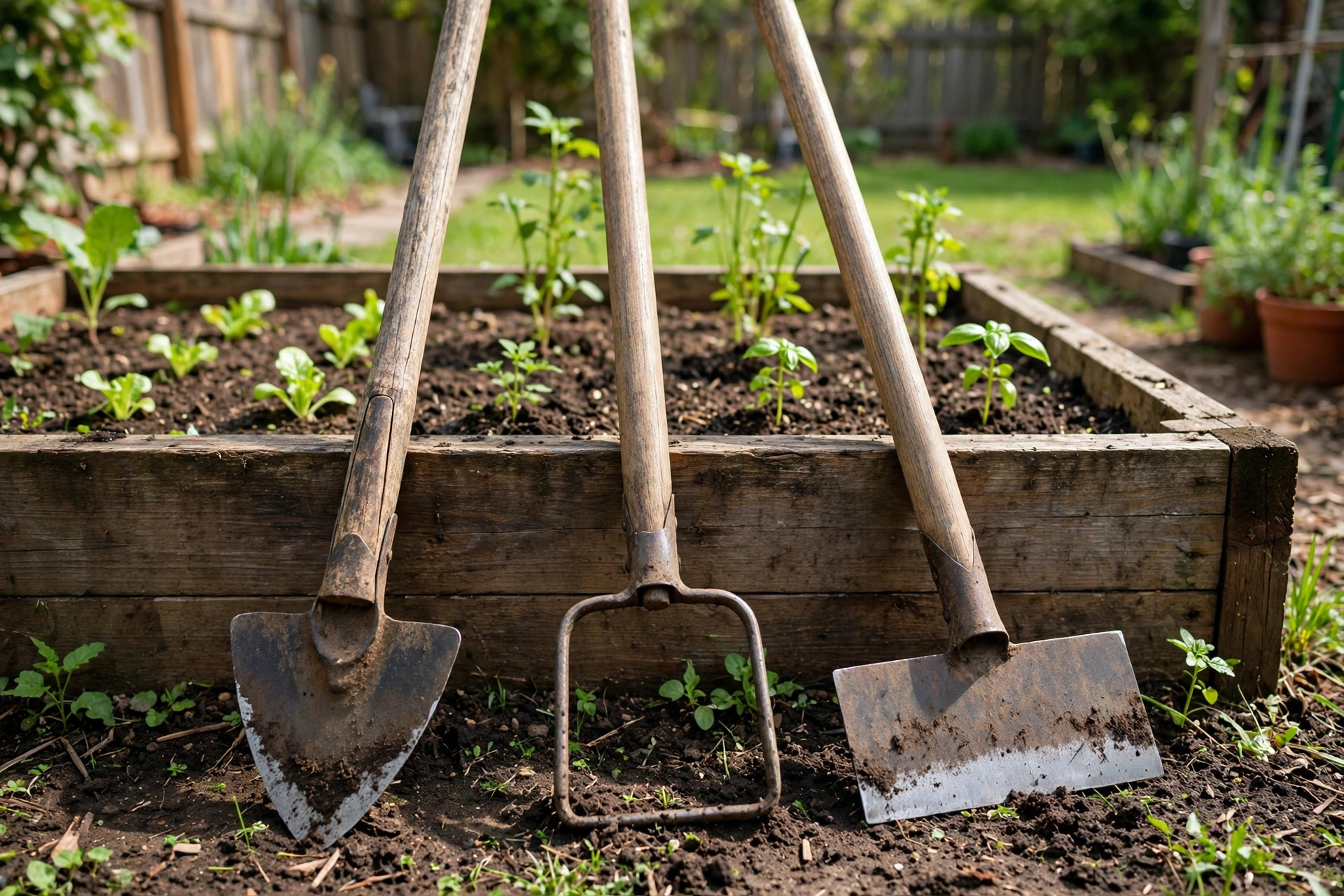
Blade shape. A square blade chops and digs. A stirrup or scuffle blade slides under the soil and slices weeds as you pull and push. A pointed blade gets into tight corners.
Handle length. A long handle lets you stand straight. A short handle gives control for close work but asks you to bend. Most full-size hoes run about sixty inches.
Handle material. Hardwood like ash or hickory absorbs shock and feels warm in the hand. Fiberglass lasts longer and will not rot. Steel is strong but heavy.
Edge quality. Reviews praise blades that hold an edge. Forged steel beats stamped steel. A good blade can be sharpened year after year.
Grip and comfort. Look for a smooth handle with no rough spots. Some handles have padded grips that help on long days. The best garden hoe for weeding reviews often praise a slightly oval handle shape. It keeps the tool from twisting in your hand during the pull stroke.
Total length and stance. Stand the hoe beside you. The top of the handle should reach about your chin. Too short and you will hunch. Too long and the tool feels clumsy. Gardeners of average height do well with sixty-inch handles.
One-piece vs. assembled. Some hoes have the head and handle forged as one piece. These never loosen. Most garden hoes have a head fitted to the handle with an eye or a socket. Check that the fit is tight with no wobble. A loose head is a common complaint in reviews.
Left or right handed. Most hoes work the same for either hand. A few shaped blades favor one side. If you are left-handed, note this in reviews before you buy.
Try the hoe if you can. Hold it in the store. Make a few chopping motions in the air. It should feel balanced, not head-heavy. A tool that feels right in your hands gets used. A tool that feels wrong sits in the shed.
For more on keeping your tools sharp, see our guide on how to sharpen garden tools properly.
Types of Garden Hoes for Weeding
Not all hoes do the same work. The best garden hoe for weeding reviews sort them by shape.
Draw Hoes
The draw hoe is the classic. The blade sits at a right angle to the handle. You chop down and pull toward you. It digs well and cuts thick weeds. Reviewers call it the best all-round choice for open rows.
Stirrup Hoes
The stirrup hoe has a looped blade that rocks back and forth. You push and pull it just under the soil surface. It cuts weeds on both strokes. Reviewers say it is the fastest tool for flat beds with loose soil. It does little digging, but it weeds very well.
Scuffle Hoes
A scuffle hoe works like a stirrup hoe with a flat blade. You slide it under the surface to slice weed roots. Reviewers like it for fine, shallow work around young plants.
Dutch Hoes
The Dutch hoe has a flat, sharp blade facing forward. You push it through the soil to cut weed stems. Reviewers note it needs a sharp edge to work well, but it is gentle near delicate roots.
Half-Moon and Warren Hoes
These have a pointed or curved blade. They dig furrows, open planting rows, and reach tight spots. Reviewers say they are handy second hoes rather than the main tool.
Many gardeners own two hoes. A draw hoe for rough work and a stirrup hoe for fast weeding covers most beds. Trusted garden retailers such as Home Depot and Lowe’s carry full lines of each type, and Gardener’s Supply Company offers detailed guides on matching the shape to the task.
How Gardeners Review the Top Picks
Reviews from real gardeners fall into clear groups. Here is what they say about the common favorites.
Forged draw hoes. Reviewers praise their strength. The blade takes a keen edge and keeps it. They chop roots, break crust, and shape rows. The only complaint is weight on very long days.
Stirrup hoes with ash handles. Reviewers call these the weed-killing champions of raised beds. The rocking blade does the work. Light push, quick pace, clean rows. Some note the blade can clog in wet clay.
Dutch hoes. Reviewers like them for vegetable gardens with young transplants. The forward push is gentle. They warn that cheap stamped blades bend, so buy forged.
Long-handled scuffle hoes. Reviewers with bad backs love these. You stand tall and work fast. They do best in soft, prepared soil.
Heavy-duty field hoes. Reviewers with large plots and tough soil rate these highest for pure durability. They are plain tools that outlast trends.
Hoop hoes with long handles. A hoop hoe is a close cousin of the stirrup hoe, with a slightly different blade loop. Reviewers say it works the same fast way. Some prefer the hoop shape because soil sheds off the blade more cleanly in damp conditions.
Onion hoes and collinear hoes. These small, light hoes have a narrow blade on a long handle. Reviewers love them for tight rows of onions, carrots, and lettuce. The thin blade slips between close plants without harm. They are not built for heavy digging, but for close weeding they earn top marks.
Short-handled Japanese hand hoes. Reviewers who work in raised beds from a kneeling position praise these small tools. A hand hoe pairs well with a garden kneeler and gives precise control right at the soil line.
Across all types, reviewers repeat two themes. First, a sharp edge matters more than the brand name. A thirty-dollar hoe with a keen edge beats a sixty-dollar hoe gone dull. Second, match the tool to your soil. Heavy clay calls for a sturdy draw hoe. Soft, sandy loam lets a light stirrup hoe fly. Read reviews from gardeners in your own region when you can.
Independent test labs such as Consumer Reports and how-to resources like The Spruce, Bob Vila, and Family Handyman add useful long-term views on which designs hold up season after season. Tool makers like Fiskars, Corona Tools, and Burpee publish care and sizing notes that reviewers often cite.
Cost and Price
A good garden hoe does not cost much. Here is what reviews show.
– Basic draw hoes: fifteen to thirty dollars. – Forged stirrup hoes: twenty-five to forty-five dollars. – Premium forged hoes with hickory handles: forty to seventy dollars. – Short-handled or specialty hoes: ten to twenty-five dollars.
Price follows the steel and the handle. Forged heads cost more than stamped heads. Hardwood costs more than fiberglass but many gardeners prefer the feel. The best garden hoe for weeding reviews often name mid-price tools as the best value. A thirty-dollar forged hoe that lasts twenty years costs less than a dollar a year.
Care and Upkeep
A hoe lasts a lifetime if you care for it. Reviews repeat this advice.
Clean the blade after each use. Knock off soil and dry the head. Wipe a thin film of oil on the steel to stop rust. Sharpen the edge with a flat file. A few strokes at the factory angle is enough. Keep the edge keen and weeding gets easier at once.
Sand the handle if it gets rough. Rub in linseed oil once a season to keep wood from drying and splitting. Store the hoe under cover, hung on a wall, blade up or guarded. Never leave it blade-down in the soil overnight.
A yearly routine keeps the tool like new. In early spring, before the first weeding, file the edge sharp. Check the handle for cracks. Tighten or re-wedge a loose head. Oil the wood. This small ritual takes fifteen minutes and adds years of life.
If the handle does break, replace it rather than the whole tool. New ash and hickory handles sell for a few dollars at garden centers. Reviews praise this as one of the hoe’s great virtues. Few tools are so simple to repair.
Pair your hoe care with clean pruning gear. Our review of the best pruning shears for rose bushes covers similar steel care, and our look at the best garden hose for large yards helps round out your tool shed.
Safety
A hoe is a simple tool, but respect it. Keep the blade away from feet and legs. Work with a clear swing path. Wear closed shoes in the garden. Gloves protect against blisters and splinters. When children use a hoe, give them a short, light one and show them the motion first. Store sharp tools out of reach, with the edge covered.
Frequently Asked Questions
What is the best garden hoe for weeding in a vegetable garden? Most reviews point to the stirrup hoe for speed in loose beds and the draw hoe for tougher spots. Many vegetable gardeners keep both.
How often should I sharpen my hoe? Sharpen at the start of the season and touch up the edge every few uses. A keen edge cuts weeds clean and saves effort.
Are expensive hoes worth it? Often, yes. Forged heads hold an edge longer and handles break less. A mid-range forged hoe is the sweet spot for most gardeners.
Which hoe is best for a bad back? A long-handled stirrup or scuffle hoe. You stand upright and use a light push-pull motion. Reviewers with back trouble rate these highest.
Can one hoe do everything? One good draw hoe covers most tasks. But a second light weeding hoe makes daily work much faster. Two hoes are a common pairing in reviews.
How long should a garden hoe last? Decades, with basic care. Reviews are full of gardeners using thirty-year-old hoes. Rust and rot are the only real enemies.
Final Word
The best garden hoe for weeding reviews lead to a simple truth. Buy a forged head. Pick the shape that fits your soil. Keep the edge sharp and the handle oiled. Then get out early, while the dew is still on the weeds, and let the tool do the talking.
References
Bob Vila. (n.d.). Home improvement advice. https://www.bobvila.com Burpee. (n.d.). Seeds, plants, and gardening supplies. https://www.burpee.com Consumer Reports. (n.d.). Product reviews and ratings. https://www.consumerreports.org Corona Tools. (n.d.). Garden and landscape tools. https://www.corona-tools.com Family Handyman. (n.d.). DIY home repair and maintenance. https://www.familyhandyman.com Fiskars. (n.d.). Garden and cutting tools. https://www.fiskars.com Gardener’s Supply Company. (n.d.). Gardening tools and supplies. https://www.gardeners.com Lowe’s. (n.d.). Home improvement products. https://www.lowes.com The Home Depot. (n.d.). Home improvement products. https://www.homedepot.com The Spruce. (n.d.). Home and garden advice. https://www.thespruce.com
Was this guide helpful?

About Lisa Anderson
The My Garden US editorial team writes practical, in-depth home and garden guides for American homeowners — tested advice, no fluff.
You May Also Like
How to Prune Roses in Spring: A Complete Guide
July 24, 2026 0 views
Best Garden Kneeler Seat Combo Reviews: Comfort for Long Days in the Garden
February 15, 2026 0 views
Compost Accelerator for Faster Breakdown: A Practical Guide
May 6, 2026 0 views