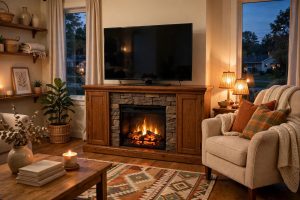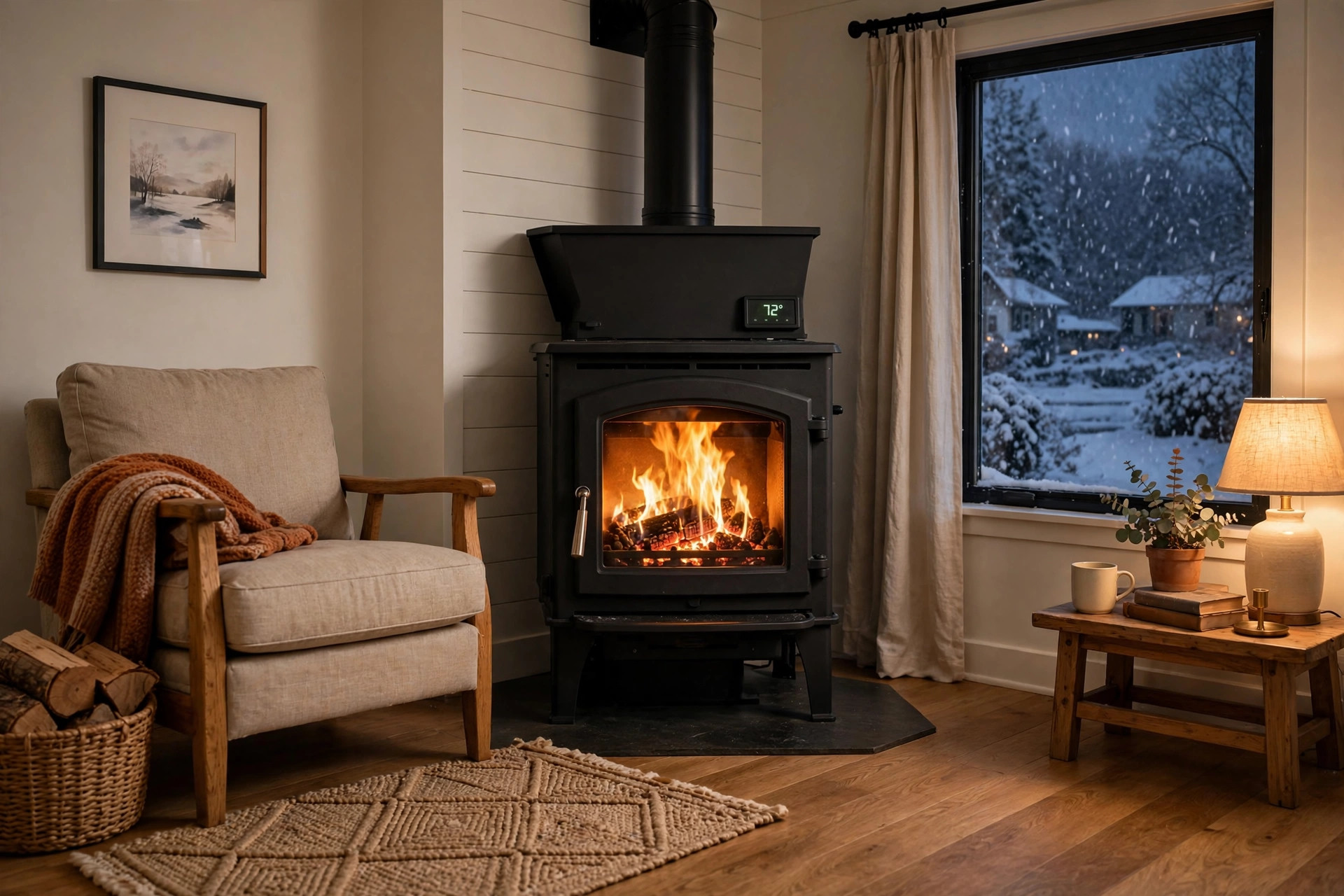
A cold house is a hard house to live in. Many families search each winter for a way to warm their homes without paying too much. This pellet stoves for heating reviews and buying guide gives you the plain facts. A pellet stove burns small pellets made from pressed wood. It feeds the pellets on its own. It throws steady heat into one room or a whole small house. In this article you will learn how these stoves work, what to look for when you shop, what they cost, how to care for them, and how to run them safely.
Why a Pellet Stove Matters
Heating takes up a large part of most home energy bills. A gas furnace or an electric heater warms every room, even the ones nobody uses. A pellet stove works in a different way. It sits in the room where you spend your time and warms that room well. Many owners say they turn the main heat down and let the stove carry the load in the living areas. Over a winter, the fuel savings can add up.
Pellets come from wood waste. Mills press sawdust and shavings into small cylinders. Nothing is wasted. The pellets burn hot and clean. A good stove burns them with little smoke and little ash. For families who want a wood fire without the heavy work of splitting and stacking logs, a pellet stove is a welcome middle ground. You buy bags of pellets at the store. You pour them into a hopper. The stove does the rest.
There is another reason these stoves draw attention. Wood pellets cost less per unit of heat than electric heat in many parts of the country. In cold states, oil and propane can be dear. Pellets often beat them on price too. Prices move from year to year, so you should always check local stores before you decide. The home heating team at Energy.gov keeps helpful reading on how different fuels compare.
How a Pellet Stove Works: Pellet Stoves for Heating Reviews and Buying Guide
A pellet stove has a hopper, an auger, a burn pot, a blower, and a vent. The hopper holds the pellets. A small motor turns the auger, which carries pellets from the hopper into the burn pot. A hot rod lights the fire. A fan pushes room air past the hot steel and sends warm air into the room. A second fan sends smoke out through a small vent pipe.
Most stoves run on a thermostat. You set the heat you want. The stove feeds more pellets when the room is cold and fewer when it is warm. Some stoves let you pick a burn rate by hand instead. The hopper size sets how long the stove runs between refills. A forty-pound hopper can last a day or more on low heat. Larger hoppers run longer.
Every pellet stove needs power. The motors and fans run on house current. When the power fails, the stove stops. Some owners buy a battery backup or a small generator so the stove can shut down in a safe way during an outage. This is worth planning before winter, not after the first storm.
What to Look for When You Choose
Shopping for a stove takes care. These points will guide you.
Heat Output and Room Size
Stoves are rated in British thermal units, or BTUs. A small stove makes around 25,000 BTUs an hour. A large one makes 50,000 or more. As a rough rule, a 40,000 BTU stove warms about 1,800 to 2,200 square feet of open space. But floor plans matter. A stove cannot push heat through many closed doors. For a long, chopped-up house, two smaller stoves or one stove plus the main furnace may work better. The home project writers at This Old House often remind readers to match the stove to the floor plan, not just the square footage.
Efficiency
Look for an efficiency rating of 75 percent or higher. The best stoves reach into the low eighties. Efficiency tells you how much of the pellet becomes heat in your room. The United States Environmental Protection Agency certifies pellet stoves and lists models that meet its standards at EPA.gov. An EPA-certified stove burns cleaner and wastes less fuel.
Hopper Size and Feed Style
Top-feed stoves drop pellets into the burn pot from above. Bottom-feed stoves push them in from the side. Both work well. Top-feed models are common and simple. Bottom-feed models can burn lower grades of fuel with less trouble. For most buyers, hopper size matters more than feed style. A big hopper means fewer trips with a heavy bag.
Controls
Simple dials cost less and break less. Digital panels and thermostats give finer control and steadier room temperatures. Some newer stoves connect to a phone app. Decide how much control you want to pay for. A thermostat model is usually worth the extra money.
Build Quality and Warranty
Open and close the door. It should feel solid. The gaskets should sit tight. The ash pan should slide out with ease. Look for a warranty of three to five years on the body of the stove and at least one year on electrical parts. Reading owner comments at Consumer Reports can show which brands hold up over time.
Venting
A pellet stove needs a vent to the outside. Many can vent straight through a wall, which keeps installation simpler than a tall chimney. Still, the vent must follow the maker’s clearances from windows, doors, and walkways. A licensed installer should set the vent. Homeowners who want to compare vent parts and kits can browse the wide stock at Home Depot or Lowe’s before they talk to a dealer.
Types of Pellet Stoves
Freestanding Pellet Stoves
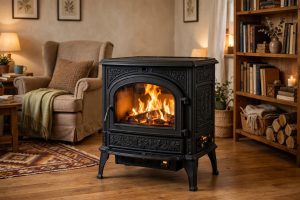
The freestanding stove is the most common type. It stands on legs on the floor, much like a wood stove. It needs a floor pad under it and clear space on all sides. These stoves come in plain steel boxes and in styles that look like old cast-iron stoves. They heat well and cost less than built-in units.
Pellet Stove Inserts
An insert fits inside an existing fireplace opening. It turns a drafty old fireplace into a true heater. The insert uses the chimney with a liner. This is a good choice if you have a fireplace you never use. Check the size of your firebox before you shop, because inserts must fit the opening.
Furnace and Boiler Models
Some pellet units tie into the ducts or hot water system of a whole house. They cost more and need a pro to install. They suit large homes in very cold places. Most buyers reading a pellet stove buying guide will stick with a room stove or an insert.
Cost and Price
A pellet stove itself usually costs between 1,500 and 3,500 dollars. Fancy models with large hoppers and fine controls can pass 4,000 dollars. Installation adds 500 to 1,500 dollars, depending on the vent run and the electrical work. An insert often costs more to install because of the chimney liner.
Fuel is the steady cost. A forty-pound bag of pellets sells for about six to nine dollars in most markets. A home that burns two tons a winter, or about one hundred bags, spends 600 to 900 dollars on fuel. The hands-on guides at Family Handyman note that buying pellets by the ton in late summer often brings the best price.
Upkeep costs stay modest. You will replace gaskets, igniters, and fans now and then. Set aside fifty to one hundred dollars a year for parts. A yearly service visit from a dealer runs about 150 to 250 dollars and is money well spent.
Some states and power companies offer rebates for clean-burning pellet stoves. Check with your state energy office before you buy. A rebate can take hundreds of dollars off the price.
Pellets: What to Buy
Not all pellets burn the same. Hardwood pellets burn hot and leave more ash. Softwood pellets often burn hotter still and leave less ash. Premium-grade pellets have the least ash and the most heat. Standard grade costs less but makes more ash, which means more cleaning.
Buy bags that feel dry and solid. Broken, dusty pellets jam augers. Store bags indoors or under a tight cover. Wet pellets swell and fall apart. They will not burn well. Start with a few bags of a new brand before you buy a whole ton.
Care and Upkeep
A pellet stove asks for small, steady care. Do this work and it will run for years.
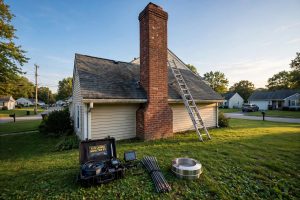
– Empty the ash pan once a week in heavy use. Some stoves go two weeks. – Scrape the burn pot clean every day or two. Ash buildup chokes the fire. – Clean the glass with a damp cloth and ash from the stove. It works like a mild polish. – Vacuum the hopper and the auger area once a month. Dust can jam the feed. – Check the door gasket each fall. Close the door on a dollar bill. If the bill pulls out with ease, change the gasket. – Have the vent and the inside flue cleaned once a year. Fly ash builds up in the bends. – Oil or check the motors as the manual says. Keep the manual near the stove.
A stove that starts hard, burns lazy, or makes odd smoke is telling you it needs service. Do not wait. A quick cleaning fixes most troubles. For deeper repairs, call a dealer. The room-by-room advice at The Spruce walks through common fixes in plain terms.
Safety
A pellet stove is safer than an open fireplace, but it is still a fire in your home. Treat it with respect.
Keep anything that can burn at least three feet from the stove. That means chairs, curtains, papers, and pet beds. Put a smoke alarm and a carbon monoxide alarm on each floor. Test them each month. Never burn trash, treated wood, or anything but wood pellets in the stove. Other fuels can poison the air or damage the stove.
Let the stove cool before you clean the burn pot or the ash pan. Wear gloves. Carry ash in a metal can with a lid, and set the can on concrete away from the house until the ash is stone cold. Follow the maker’s clearance numbers exactly. They are printed in the manual and on a label on the stove. If you smell smoke in the room or see the flame turn dark and lazy, shut the stove down and call for service.
Alternatives Worth a Look
A pellet stove is not the only way to add heat. If you like the look of a wood fire, read a best wood burning stoves buying guide to compare cordwood heat with pellet heat. Renters and owners who cannot vent a stove may prefer a freestanding electric stoves reviews and buying guide instead. And if you already have a fireplace, a gas fireplace inserts reviews and buying guide shows how to turn that opening into a steady heater. Makers such as Napoleon and Heatilator build both pellet units and other hearth products, so you can compare styles side by side.
Frequently Asked Questions
How long does a bag of pellets last?
A forty-pound bag lasts about 24 hours on a low setting and 10 to 12 hours on high. Most owners burn one to two bags a day in cold weather.
Can a pellet stove heat a whole house?
It can heat a small, open house on its own. In a larger or divided house, it heats the main living area and the furnace handles the rest. Many owners use the stove as their main heat and the furnace as backup.
Does a pellet stove work during a power outage?
No, not on its own. The fans and the auger need power. A battery backup made for pellet stoves can keep it running for several hours or let it shut down safely. A generator works too.
How often must I clean it?
Daily: scrape the burn pot. Weekly: empty ash and wipe the glass. Monthly: vacuum the hopper and check the vent joints. Yearly: full service and vent cleaning.
Are pellet stoves safe for homes with children and pets?
They are safer than open fires because the flame sits behind glass and the body stays cooler than a wood stove. Still, the glass and the vent get hot. Keep children and pets back, and use a hearth gate if you need one.
What does a pellet stove cost to run each month?
In winter, expect 60 to 120 dollars a month for pellets in a well-sized home, plus a small amount of power. That often beats electric heat and can beat oil and propane.
A Short Final Word
A pellet stove gives steady, honest heat from a fuel that is easy to buy and easy to store. Pick the right size, buy dry premium pellets, keep the stove clean, and mind the safety rules. Do that, and the stove will pay you back in warm rooms and lower bills for many winters. Take this pellet stoves for heating reviews and buying guide to your local dealer, ask to see two or three models burning side by side, and choose the one that fits your home and your budget.
References
Consumer Reports. (n.d.). Product reviews and ratings. https://www.consumerreports.org Family Handyman. (n.d.). DIY home repair and maintenance. https://www.familyhandyman.com Heatilator. (n.d.). Fireplaces and fireplace products. https://www.heatilator.com Lowe’s. (n.d.). Home improvement products. https://www.lowes.com Napoleon. (n.d.). Fireplaces, grills, and heating products. https://www.napoleon.com The Home Depot. (n.d.). Home improvement products. https://www.homedepot.com The Spruce. (n.d.). Home and garden advice. https://www.thespruce.com This Old House. (n.d.). Home renovation guidance. https://www.thisoldhouse.com U.S. Department of Energy. (n.d.). Energy efficiency and renewable energy. https://www.energy.gov U.S. Environmental Protection Agency. (n.d.). Protecting human health and the environment. https://www.epa.gov
Was this guide helpful?

About Michael Thompson
The My Garden US editorial team writes practical, in-depth home and garden guides for American homeowners — tested advice, no fluff.