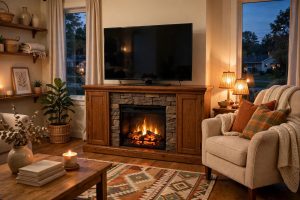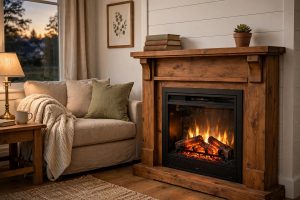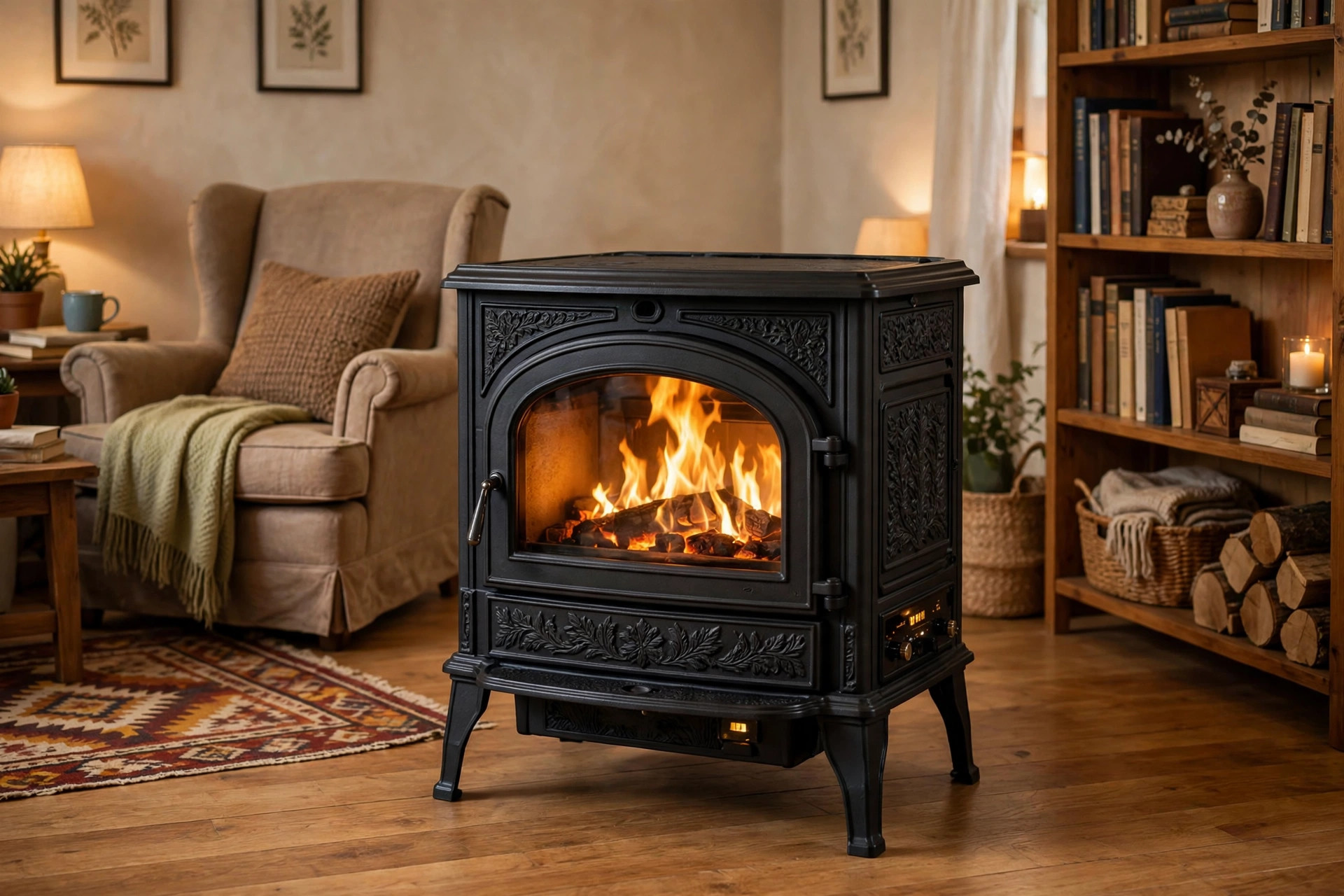
A freestanding electric stove gives a room the look and feel of a wood stove with none of the mess. It plugs into a wall outlet. It needs no chimney. This freestanding electric stoves reviews and buying guide will help you understand how these stoves work, what the best models offer, and how to pick the right one for your home. Whether you want extra heat for a cold room or the cozy glow of a fire on a winter night, the facts here will point you in the right direction.
Why a Freestanding Electric Stove Makes Sense
Many homes lack a chimney or a gas line. A wood stove may not be allowed in your area, or the cost of venting may be too high. A freestanding electric stove solves all of these problems at once. You set the unit where you want it, plug it into a standard outlet, and switch it on.
The main job of the stove is supplemental heat. Most models heat between 400 and 1,000 square feet. That is enough for a living room, a family room, or a finished basement. The heat comes from a fan-driven coil inside the unit. Warm air blows out through a vent near the front or top of the stove.
The second job is comfort. The flame effect inside the stove looks like real fire. Modern units use LED lights and mirrors to build a lifelike flame. You can run the flame with or without heat, so the stove is pleasant in every season.
Cost is another strong point. A good freestanding electric stove costs between 150 and 800 dollars. There is no chimney to build and no gas line to run. Running costs are modest. Most units draw about 1,500 watts at full heat, which is the same as a common space heater.
Installation is simple as well. Two people can usually carry the stove into place in under an hour. All you need is a flat, solid floor and a nearby outlet. Because there is no vent, you can place the stove against any wall. Many owners put it in a corner or under a window where cold air tends to collect. If you move to a new home, the stove moves with you, which is a nice plus for renters.
What to Look For When You Buy: Freestanding Electric Stoves Reviews and Buying Guide
Shopping is easier when you know the key details. The points below are the ones that matter most in real use.
Heat Output and Room Size
Heat output is measured in BTUs. Most freestanding electric stoves deliver about 4,500 to 5,200 BTUs. That covers a medium-size room. Check the rated coverage area on the box or listing. If your room is large or open to other rooms, pick a model rated for 1,000 square feet or more. A small stove in a large room will run all day and still leave cold corners.
Flame Realism
The flame is what you will look at every night, so take it seriously. Better stoves offer several flame brightness settings and several color options. Some let you change the ember bed color too. Look for units with adjustable flames so you can set a soft glow or a bright blaze. Reading independent tests, such as those published by Consumer Reports, can help you judge which brands do flame effects well.
Build and Finish
The body is usually steel with a cast-iron look. Common finishes are matte black, ivory, and deep red. The door should open so you can see the glass front clearly. Feet should be sturdy and level. Check reviews for notes on dents or chipped paint on arrival, since shipping damage is the most common complaint with heavy units.
Controls and Extra Features
Most stoves offer a remote control, a thermostat, and a timer. A thermostat is worth having. It keeps the room at the temperature you set and cuts the heat when the room is warm. A timer lets the stove shut off on its own at night. Some models add a child lock, which is useful if young children live in the home.
Types of Freestanding Electric Stoves
Not all stoves look alike. The three common styles below cover most of what you will find in stores.
Traditional cast-iron style. These look like old wood stoves with a black body, an arched door, and a glass front. They suit older homes, cabins, and rooms with classic decor. Brands such as Napoleon and Heatilator are known for fireplace products and sell electric models in this style.
Modern and minimalist. These have clean lines, simple legs, and sometimes a white or gray finish. They fit new homes and apartments with plain decor. The flame effect is often the same, only the case looks different.
Compact and portable. Small stoves weigh less and move from room to room. They are a good choice if you rent or if you want heat in a bedroom at night and in a study during the day. Expect lower heat output, usually enough for 400 square feet.
Reviews of Popular Models
The models below are among the most bought in the United States. Prices change with sales, so treat the figures as guides.
Best overall: a mid-size cast-iron look stove around 400 dollars. These units heat up to 1,000 square feet and carry a realistic LED flame with five brightness levels. Owners praise the solid door feel and the quiet fan. The remote is simple to use. This is the safe pick for most living rooms.
Best value: a compact stove under 200 dollars. Small stoves from major retailers do a fine job in bedrooms and offices. They heat about 400 square feet and include a thermostat and timer. The flame is simpler, with fewer settings, but it still gives a warm glow. Shoppers at Lowe’s and The Home Depot often rate these highly for the price.
Best flame effect: premium models near 600 dollars and up. Higher-priced stoves add deeper flame beds, crackling sound effects, and app control on some units. If the look of the fire is your main reason for buying, the extra cost is worth it. Guides from The Spruce and This Old House often compare flame quality across brands.
Best for large rooms: high-output units rated near 5,200 BTUs. These cover open floor plans up to about 1,000 square feet. They draw the full 1,500 watts and pair best with a dedicated circuit if your wiring is old. Advice from Family Handyman is useful when you plan outlet and placement details.
When you compare models, read several reviews and look for patterns. One bad review about shipping is normal. Many reviews about a noisy fan or a weak flame are a warning sign.
Cost and Running Price
The purchase price is only part of the story. Running cost depends on your electric rate and how many hours the stove runs. At 1,500 watts, an hour of full heat uses 1.5 kilowatt-hours. At a common rate of 15 cents per kilowatt-hour, that is about 23 cents per hour. Running the stove for five hours a night costs a little over one dollar.
The flame alone uses very little power, usually under 30 watts. You can enjoy the glow all evening for a few cents. An ENERGY STAR rated room or a well-sealed home will hold the heat longer, which cuts run time.
Compared with wood heat, an electric stove avoids fuel costs entirely. If you burn wood now, you know the work of cutting, stacking, and storing fuel. For thoughts on storage, see our guide to top rated outdoor firewood storage sheds. If you plan to keep a wood fireplace as well, remember that a premium chimney inspection is still wise each year. The EPA also publishes guidance on cleaner home heating choices.
Care and Upkeep
An electric stove needs far less care than a wood stove. There is no ash to empty and no chimney to sweep. Still, a few habits keep it working well.
Dust the outside with a soft cloth once a month. Wipe the glass door with glass cleaner when it shows fingerprints or dust. Vacuum the air intake and outlet vents now and then so dust does not block airflow. Keep the area in front of the vents clear of furniture and curtains.
If the flame effect uses bulbs, check the manual for the bulb type. Most new stoves use long-life LEDs that rarely need replacement. If the fan grows loud, dust on the fan blades is often the cause. Unplug the unit before you clean inside the case.
Check the cord and plug once a year for wear. If the cord feels hot while the stove runs, stop using it and have the unit checked. A hot cord can mean a loose outlet, which an electrician should fix.
For better heat spread in a large room, some owners add a fan that moves warm air from the fireplace area into the room. Our article on high efficiency fireplace blowers and fans explains how these helpers work.
Safety
Electric stoves are among the safest heaters you can buy, but basic rules still apply. Plug the stove directly into a wall outlet. Avoid extension cords, since a 1,500-watt heater can overload a thin cord. Keep a gap of at least three feet between the stove and curtains, paper, or furniture.
Choose a model with overheat protection and a cool-touch body. Overheat protection shuts the unit off if the inside grows too hot. A tip-over switch is less common on heavy stoves, but it is a plus on small portable units. Never leave any heater running when no one is home, and keep children and pets from touching the front glass when the heat is on, since it can grow warm.
Frequently Asked Questions
Do freestanding electric stoves really heat a room?
Yes. Most models put out 4,500 to 5,200 BTUs, which warms a room of 400 to 1,000 square feet. They work best as zone heaters. Heat the room you use and turn down the main thermostat.
How much electricity does an electric stove use?
At full heat, most use about 1,500 watts, or 1.5 kilowatt-hours per hour. The flame-only mode uses a tiny fraction of that. Your cost depends on your local electric rate.
Can I use an electric stove as my main heat source?
It is not built for that. These stoves are supplemental heaters for one room or one zone. For whole-house heat, keep your furnace or heat pump as the main system.
Do electric stoves need venting or a chimney?
No. They produce no smoke, no fumes, and no carbon monoxide. That is why they can sit almost anywhere with an outlet. This makes them a fine choice for apartments and condos.
Are the flames realistic?
Modern LED flames are quite lifelike, especially on mid-range and premium models. They do not fool everyone up close, but from a sofa a few feet away, the effect is warm and convincing. Adjustable brightness helps a lot.
How long do freestanding electric stoves last?
With normal use, a good stove lasts 10 years or more. The LED lights last far longer than the heating parts. Keeping vents clean and avoiding drops or hard knocks extends its life.
Final Word
A freestanding electric stove is a simple way to add heat and charm to a room. Pick the right size for your space, favor models with a good flame and a thermostat, and buy from a brand with steady reviews. This freestanding electric stoves reviews and buying guide has covered the main points: heat output, styles, costs, care, and safety. Measure your room, set your budget, and choose the stove that fits your home. You will enjoy the glow on the first cold night.
References
Consumer Reports. (n.d.). Product reviews and ratings. https://www.consumerreports.org ENERGY STAR. (n.d.). Energy efficient products. https://www.energystar.gov Family Handyman. (n.d.). DIY home repair and maintenance. https://www.familyhandyman.com Heatilator. (n.d.). Fireplaces and fireplace products. https://www.heatilator.com Lowe’s. (n.d.). Home improvement products. https://www.lowes.com Napoleon. (n.d.). Fireplaces, grills, and heating products. https://www.napoleon.com The Home Depot. (n.d.). Home improvement products. https://www.homedepot.com The Spruce. (n.d.). Home and garden advice. https://www.thespruce.com This Old House. (n.d.). Home renovation guidance. https://www.thisoldhouse.com U.S. Environmental Protection Agency. (n.d.). Protecting human health and the environment. https://www.epa.gov
Was this guide helpful?

About James Carter
The My Garden US editorial team writes practical, in-depth home and garden guides for American homeowners — tested advice, no fluff.