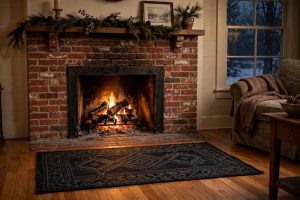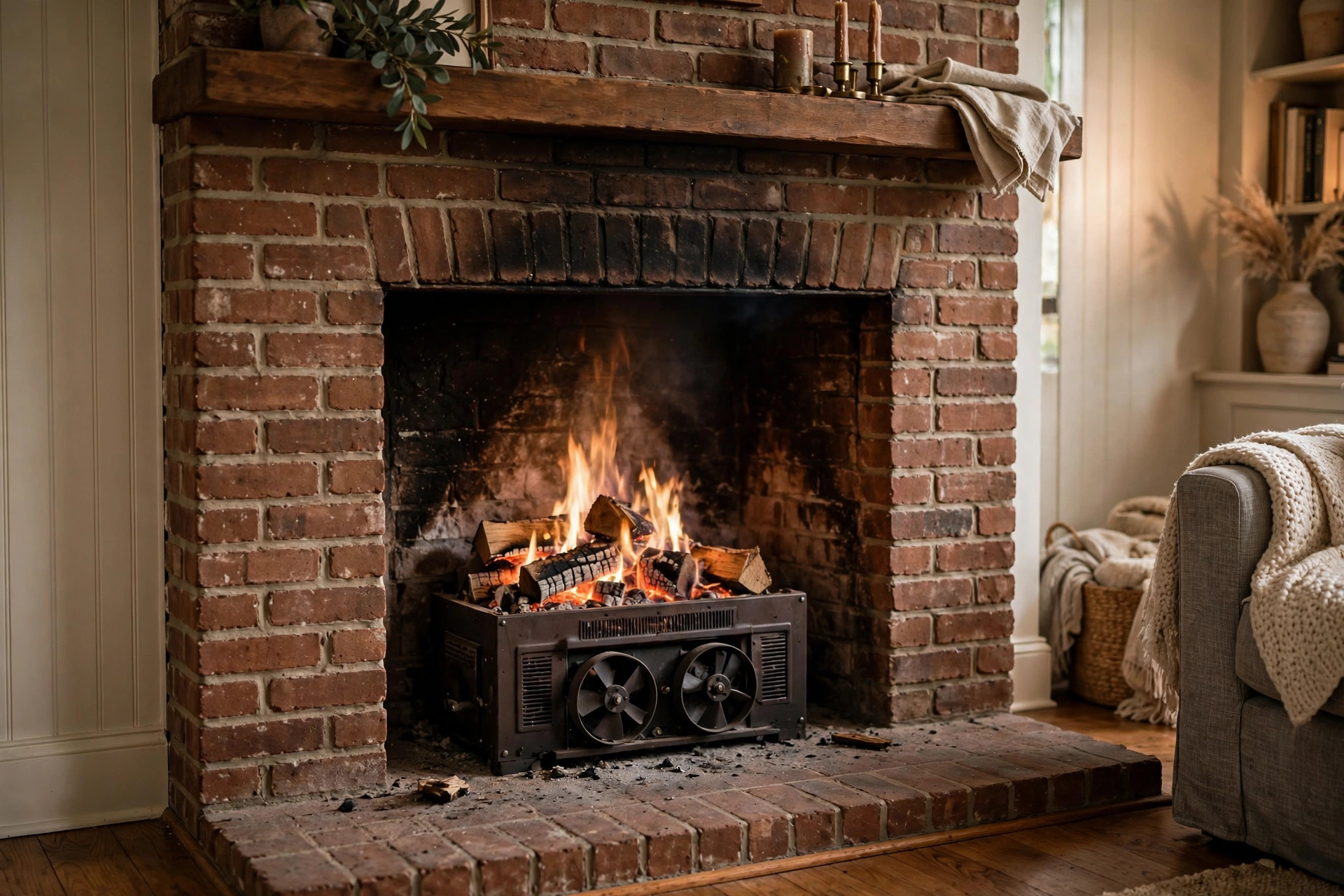

A search for high efficiency fireplace blowers and fans for sale brings up many choices. A blower is a small fan kit that fits in a fireplace or stove. It pushes warm air out of the firebox and into the room. Without one, much of the heat rises up the chimney or stays trapped around the fire. With one, the same fire can warm more of the house. This guide explains what these blowers do, how to choose one, what they cost, and how to keep them safe.
Why a Fireplace Blower Matters
Most fireplaces waste heat. Studies of home heating have shown that an open fireplace can send more than half of its heat up the chimney. The fire looks warm. The room stays cool. A blower changes this. It moves air across the hot surfaces of the firebox. The air picks up heat and flows back into the room. Homeowners who add a blower often report that their main heater runs less.
A blower also spreads heat more evenly. The floor near the hearth is warm. The far corners of the room stay cold. The moving air from a blower cuts down this difference. It does not make a fireplace into a furnace. But it does help the fire do more useful work.
For people who burn wood for heat, a blower can lower fuel use. The same stack of wood gives more comfort. For people who use gas inserts, a blower helps the steady flame warm the whole room instead of just the hearth area.
How a Fireplace Blower Works: High Efficiency Fireplace Blowers and Fans for Sale
A fireplace blower is a simple machine. It has one or two small fan wheels, a motor, and a housing. The housing sits at the back or bottom of the firebox. Some units blow air through tubes that run around the firebox. These tubes pick up heat and return warm air through vents.
Most blowers run on standard house current. They plug into an outlet near the hearth. A heat sensor turns the fan on when the firebox gets hot. The sensor turns it off when the fire dies down. A speed switch lets the owner set the airflow low or high.
High efficiency models use better motors and better fan blades. They move more air with less power. They also tend to run quieter. Older blowers could hum or rattle. Newer ones are built to stay quiet enough for a living room.
Some blowers include a remote control or a wall switch. These extras add cost, but they make daily use easier. A remote lets the owner change speed from the couch. A wall switch keeps controls out of reach of small children. Not every home needs these extras. A simple speed dial on the unit itself serves most owners well.
What to Look for When You Buy
Fit and Size
The first thing to check is fit. Blowers are sized for fireboxes. Measure the width of the back wall of the firebox. Measure the depth. Measure the height of the opening where the blower will sit. Compare these numbers to the size given by the seller. A unit that is too large will not sit flat. A unit that is too small will leave gaps and move less air.
Some blowers are made for specific brands of inserts. Others are universal and fit many models. Universal units are easier to find. Brand-specific units often fit better and look cleaner.
Airflow and Noise
Airflow is measured in cubic feet per minute, or CFM. A higher CFM means more air moves through the unit. Most home fireplace blowers fall between 100 and 250 CFM. A small firebox needs less. A large firebox or a big room needs more.
Noise is measured in decibels. The best blowers list a noise rating. Look for units rated under 50 decibels on low speed. That is about the sound of a quiet conversation. High efficiency motors often run at lower noise because they need less speed to move the same air.
Power Use and Controls
A blower should use little power. Most draw between 30 and 100 watts. That is far less than a space heater. A heat sensor is worth having. It starts the fan on its own and stops it when the fire is out. A variable speed control is also useful. It lets the owner balance noise and airflow.
Build Quality
Look at the housing. It should be steel, not thin tin. The fan wheels should spin free with no wobble. The cord should be rated for heat. Good units come with clear mounting hardware and a manual that names the exact insert models they fit.
Types of Fireplace Blowers and Fans
Firebox blowers. These sit inside the firebox at the back or bottom. They are the most common type. They suit wood stoves, gas inserts, and many prefab fireplaces.
Heat exchanger tube kits. These use metal tubes that pass through the firebox. Air flows through the tubes and picks up heat. A small fan pushes the air along. These kits work well in open masonry fireplaces.
Stove top fans. These sit on top of a wood stove. They use no power cord. Heat from the stove top powers a small motor. They move air gently across the room. They move less air than electric blowers, but they are silent and need no outlet.
Insert blowers. These are made to fit under or behind a factory insert. The insert maker often sells them as add-on parts. They match the insert in size and style.
When you shop for high efficiency fireplace blowers and fans for sale, check which type your fireplace needs. A stove top fan will not help a gas insert. A firebox blower will not fit a freestanding stove.
Related hearth upgrades often sell alongside blowers. Many buyers also compare high efficiency gas log sets for cleaner burning, read fireplace glass door guides to cut drafts, or look at wood burning fireplace inserts for a full heat upgrade.
Cost and Price
Blower prices vary with size, brand, and features. A basic universal blower can cost as little as 40 dollars. Mid-range units with heat sensors and speed controls often run between 80 and 160 dollars. Brand-specific blowers for factory inserts can cost 150 to 300 dollars or more.
The cost of running a blower is low. At 60 watts, a blower costs only a few cents per evening of use. The savings come from burning less wood or gas. If the blower lets the main heater rest for two hours a night through winter, it can pay for itself in one season.
Watch for hidden costs. Some units need a nearby outlet. If none is near the hearth, an electrician may need to add one. That can add 100 to 200 dollars. Some inserts need a factory wiring harness to connect the blower. Check the manual before you buy.
Sales and clearances appear often at big home stores and online. Prices drop at the end of winter. Buying in spring or summer can save 20 percent or more. Compare the model number, not just the price. Two blowers that look alike can differ in CFM and noise.
Care and Upkeep
A blower needs little care, but it needs some. Dust and pet hair collect on the fan blades. Dirty blades move less air and make more noise. Clean the blades at the start of each heating season. Unplug the unit first. Use a soft brush or a vacuum with a brush head.
Check the heat sensor each year. Light a fire. The fan should start when the firebox gets hot. It should stop after the fire dies. If the fan runs all the time, the sensor may be stuck. If it never starts, the sensor may have failed. Sensors are often sold as spare parts.
Oil the motor only if the manual calls for it. Most modern blower motors are sealed and need no oil. Adding oil to a sealed motor can harm it. Keep the cord away from hot metal. A cord that touches the firebox can melt. Replace any cord that looks cracked or stiff.
Store portable stove top fans in summer. Wipe them clean. Keep them in a dry place. Electric blowers can stay in the firebox all year, but unplug them when not in use for long stretches.
Safety
Heat and electricity need care. Follow these rules.
– Plug the blower into a grounded outlet. Do not use a damaged cord. – Keep the cord clear of the firebox and the hearth edge. – Let the firebox cool before you touch the blower or clean it. – Do not block the air vents. Blocked vents make the motor work too hard. – Keep paper, kindling, and fabric away from the blower housing. – Install a smoke detector and a carbon monoxide detector near any fireplace or stove. – Follow local rules on hearth clearance and outlet placement.
If you are unsure about wiring, call an electrician. If you are unsure about fit, call a chimney sweep or a hearth shop. A wrong fit can trap heat where it should not be.
Frequently Asked Questions
Will a blower work with my open masonry fireplace? It can. Heat exchanger tube kits are made for open masonry fireboxes. Firebox blowers can also work if the firebox is deep enough to hold them. Measure first. An open fireplace with no depth may not take a blower well.
How much warmer will the room get? Results vary. Many owners say the room feels 5 to 10 degrees warmer at sitting level. The blower does not add heat. It moves heat that would have been lost. The far side of the room gains the most.
Are blowers loud? Good ones are quiet. High efficiency models on low speed often sound like a soft fan. Cheap units can hum or buzz. Read reviews and check the decibel rating before you buy.
Can I install a blower myself? Most plug-in blowers are simple to install. They sit in place and plug in. No tools are needed beyond a screwdriver. Hardwired units and brand-specific kits may need an electrician. When in doubt, get help.
Do blowers work with gas fireplaces? Yes. Many gas inserts are built to accept a blower. Some come with one. Others have a blower as an option. Check the insert manual for the right part number.
How long does a blower last? A well-made blower can last 10 to 15 years. Motors wear out over time. Heat shortens motor life. Cleaning the blades and keeping vents clear helps the motor run cool and last longer.
A Final Word
High efficiency fireplace blowers and fans for sale offer a simple upgrade. They cost little to buy and little to run. They make a fireplace do more of the work it was built to do. Measure the firebox. Pick the right type. Buy for quiet airflow and solid build. Keep the unit clean and the cord safe. With that care, a blower will serve many winters.
For more background on home heating and hearth products, trusted sources include guides from This Old House, project help at Family Handyman, product advice from The Spruce, manufacturer pages at Napoleon and Heatilator, shopping options at Lowe’s and The Home Depot, and safety facts from the EPA.
References
Family Handyman. (n.d.). DIY home repair and maintenance. https://www.familyhandyman.com Heatilator. (n.d.). Fireplaces and fireplace products. https://www.heatilator.com Lowe’s. (n.d.). Home improvement products. https://www.lowes.com Napoleon. (n.d.). Fireplaces, grills, and heating products. https://www.napoleon.com The Home Depot. (n.d.). Home improvement products. https://www.homedepot.com The Spruce. (n.d.). Home and garden advice. https://www.thespruce.com This Old House. (n.d.). Home renovation guidance. https://www.thisoldhouse.com U.S. Environmental Protection Agency. (n.d.). Protecting human health and the environment. https://www.epa.gov
Was this guide helpful?

About David Wilson
The My Garden US editorial team writes practical, in-depth home and garden guides for American homeowners — tested advice, no fluff.
You May Also Like
Premium Fire Starters and Kindling for Humid Climates
February 20, 2026 0 views
Tile Fireplace Surrounds: Reviews and Buying Guide
March 29, 2026 0 views
Top Rated Electric Patio Heaters for Southern States
October 4, 2026 0 views