
Introduction
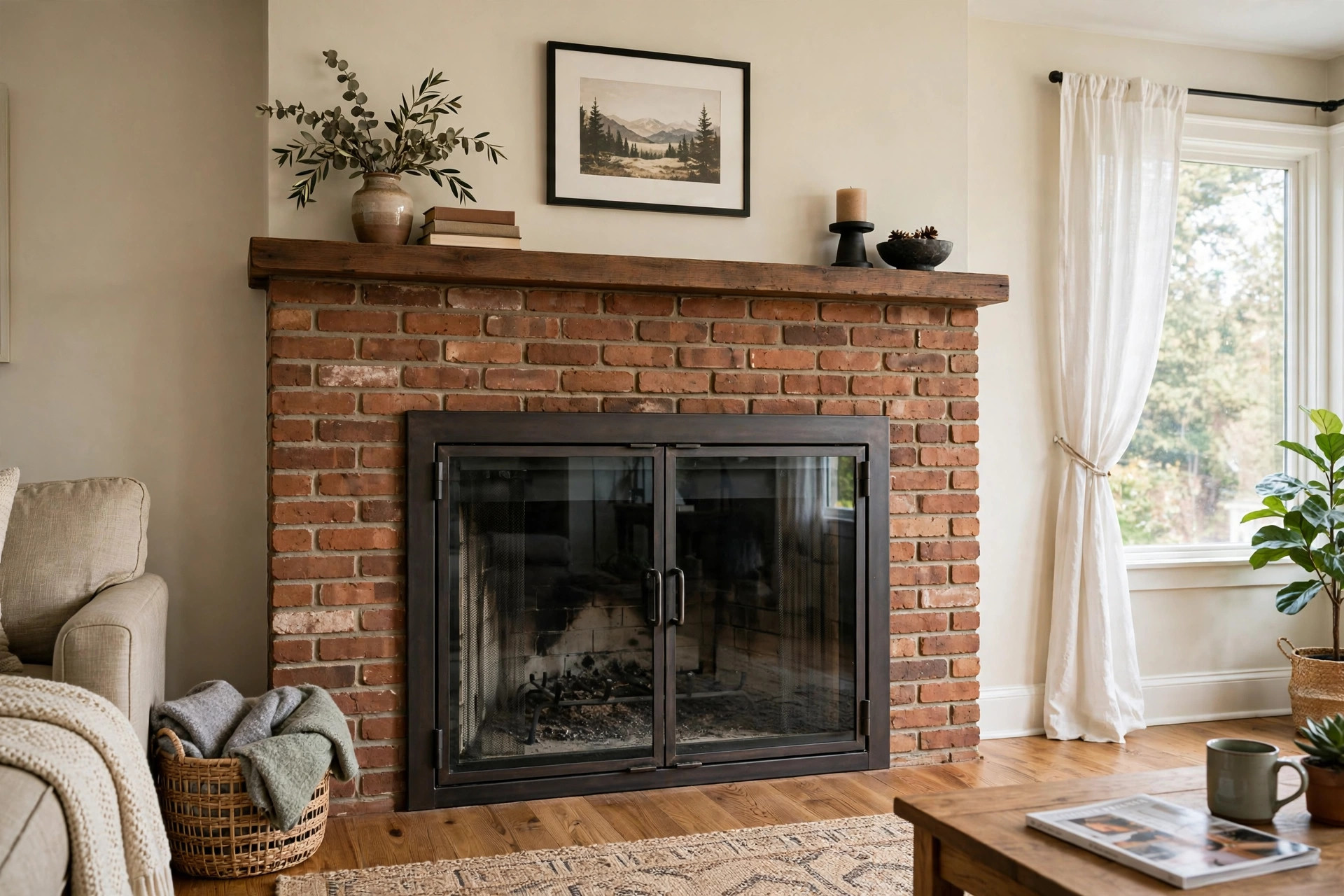
This fireplace glass doors reviews and buying guide begins with a simple fact. An open fireplace looks warm and inviting. It also wastes heat. Most of the warm air from an open fire rises straight up the chimney. When the fire dies down, the cold chimney can pull heated room air out of the house all night long. Glass doors change this picture. They form a barrier between the firebox and the room. They let you enjoy the sight of the flames. They cut drafts. They reduce sparks. They can also lower heating bills in homes that use the fireplace often. Many homeowners shop for glass doors once they see how much heat escapes. The market offers dozens of styles, finishes, and sizes. Prices range from under two hundred dollars to well over a thousand. This guide walks through every step. It explains how doors work, what types exist, what they cost, and how to keep them safe. It also answers common questions at the end. By the final word, you will know how to pick a set that fits your fireplace and your budget.
Why Fireplace Glass Doors Matter: Fireplace Glass Doors Reviews and Buying Guide
A fireplace without doors is an open hole in the wall. It is open to the wind. Air moves through it freely. In winter, this means trouble. Warm air from the furnace flows into the firebox and up the flue. Cold air can fall down the chimney and into the room. Glass doors block both movements. They do not seal the opening completely. They reduce the flow of air to a small fraction of what it was. Homeowners often notice the change at once. The room feels warmer. The furnace runs less. Drafts near the hearth fade away.
Safety is another strong reason. Fires throw sparks. Wood pops and cracks. A live ember can land on a rug or a wooden floor. A screen helps, but glass doors give a firmer shield. They also keep pets and small children from touching hot coals. This matters in busy family rooms. The doors must stay closed when the fire burns down. They can be opened while the fire roars. They are closed when the fire is low or when no one tends it.
Glass doors also keep the house cleaner. Ash stays in the firebox instead of drifting across the floor. Soot stays off the carpet. The hearth stays neater. For people with breathing troubles, less ash in the air is a real comfort. Makers like Napoleon and Heatilator build doors that meet strict safety standards. Reviews often praise the difference doors make in draft control. Most buyers say the purchase pays for itself in comfort and peace of mind.
What to Look for Before You Buy
Measure Your Opening
Fit comes first. A door set that is too small leaves gaps. A set that is too large will not mount at all. Measure the width and height of the fireplace opening. Use a steel tape. Write down both numbers to the nearest eighth of an inch. Measure in three spots across the width and three spots up the height. Use the smallest number from each set. Fireplace openings are rarely perfect. Bricks and mortar vary. The smallest reading gives the true clear space.
Next, check the shape. Most openings are rectangular. Some are arched. Arched openings need special doors. Also note the type of facing. Brick, stone, and tile all accept door frames. Marble and wood trim need care. The frame must sit flat against the face. Check the depth of the firebox too. Deep boxes accept any door. Shallow boxes need doors with a slim frame so the glass clears the logs.
Glass Type
Not all glass is the same. The best fireplace doors use tempered glass. Tempered glass is heated and cooled in a special process. It can take high heat. It is much stronger than plain glass. Some doors use ceramic glass. Ceramic glass handles even more heat. It is common on wood stoves and fireplace inserts. Clear glass shows the fire best. Tinted glass cuts glare. Some makers add a light tint to soften the flames. Reviews often rate clear glass highest for looks. Tinted glass wins for glare control in bright rooms.
Frame Finish
The frame sets the look. Common finishes include matte black, brushed nickel, polished brass, and oil-rubbed bronze. Black fits most rooms. Brass feels classic. Nickel suits modern rooms. Check the finish quality in reviews. Cheap paint can peel under heat. Good powder coating lasts for years. Also check the handles. They should feel solid and stay cool enough to touch when the doors are closed.
Ventilation and Airflow
Good doors manage air. Look for doors with adjustable vents. Vents let you feed air to the fire. They also let you close the fire down. Some sets have doors that open fully for loading wood. Others have small access doors. Think about how you will use the fireplace. If you burn wood every night, easy access matters. If you burn gas logs, you may never open the doors at all. Gas fireplaces pair well with glass doors. For buyers weighing fuel choices, our guide to high efficiency gas log sets for sale explains how gas logs work with modern door sets.
Types and Styles of Glass Doors
Fireplace glass doors fall into a few clear groups. Each group serves a different kind of fireplace.
Flat doors sit flush against the fireplace face. They use a simple frame. They suit shallow fireboxes and small hearths. They cost less than other types. Reviews call them a solid basic choice.
Cabinet doors have two panels that open like cabinet doors. They swing outward. They give full access to the firebox. They work well on wide openings. Many buyers prefer them for daily use.
Bi-fold doors fold back in sections. They open like an accordion. They fit narrow rooms where swinging doors would hit furniture. They are easy for children to use. Some find the tracks hard to clean.
Arched doors follow the curve of an arched opening. They look elegant. They cost more because each set must match the curve. Measure carefully or order through a dealer.
Trackless doors have no bottom track. The doors hang from the top rail. Nothing blocks the hearth. Cleaning is simple. They suit busy homes.
Zero-clearance doors fit factory-built fireplaces. They are made for metal fireboxes. Do not put masonry doors on a zero-clearance unit. The frame may block needed airflow.
Glass doors also differ by material of the frame. Steel frames are strong and affordable. Aluminum frames are light and resist rust. Wrought iron frames look old-world and last for decades. The U.S. Environmental Protection Agency offers guidance on clean wood burning that applies to any hearth product. Shoppers comparing heating options may also read our freestanding electric stoves reviews and buying guide for a smoke-free alternative.
What Glass Doors Cost
Prices vary widely. A basic flat set for a small fireplace can cost between 150 and 300 dollars. Mid-range cabinet doors run from 300 to 700 dollars. High-end wrought iron or arched doors can top 1,000 dollars. Custom sizes add cost. A custom set may run 800 to 1,500 dollars. These ranges reflect current prices at major retailers such as Lowe’s and Home Depot.
Installation adds to the total. Most doors are made for do-it-yourself setup. The job takes one to two hours with basic tools. A dealer may charge 100 to 250 dollars for installation. Complex arched or custom sets can cost more to install. Some buyers add a matching hearth rug or new andirons. These extras are optional. They raise the cost but not the function.
Cost also ties to value. A well-made set lasts twenty years or more. A cheap set may warp or peel in five. Read reviews with care. Look for comments about finish wear and hinge strength. The cheapest set is not always the best deal. A mid-priced set from a known maker often gives the best mix of price and life. Remember that doors cut heat loss. In homes with heavy fireplace use, fuel savings can offset the price in a few seasons.
Installation and Care
Most door sets mount with brackets and screws. The maker supplies the hardware. Read the instructions first. Clear the hearth. Lay out the parts. Fit the frame to the opening. Tighten the brackets until the frame sits firm. Do not over-tighten. Over-tightening can crack tile or marble. Test the doors. They should open and close with ease. Adjust the hinges if they drag.
Cleaning keeps glass clear. Let the fireplace cool fully before cleaning. Use a soft cloth and a glass cleaner made for fireplace glass. Do not use oven cleaner. Do not use abrasive pads. Both can damage the coating. For heavy soot, damp newspaper dipped in ash works well. Rub gently. Wipe with a clean cloth. Clean the glass every few fires. Regular cleaning stops buildup.
Check the hardware each year. Tighten loose screws. Oil the hinges with a drop of high-heat lubricant. Look for cracks in the glass. Small chips can spread under heat. Replace damaged glass at once. Keep the vents clear of ash. A blocked vent starves the fire of air. The Family Handyman site carries step-by-step hearth projects that many homeowners find useful. Owners refreshing the whole mantel area can also see our guide to top rated electric fireplace mantels for american homes for matching design ideas.
Safety Around the Hearth
Glass doors improve safety, but they do not remove all risk. Follow basic rules. Keep furniture and drapes at least three feet from the opening. Keep children and pets away from the hearth when a fire burns. Never leave a fire without an adult in the room. Close the doors when the fire burns low. Open the damper before you light the fire. Close the damper only when the coals are fully cold.
Burn the right fuel. Use dry, seasoned hardwood. Wet wood smokes and leaves creosote. Never burn trash, painted wood, or treated lumber. These give off toxic fumes. Store firewood away from the house. Bring in only what you need for the day.
Have the chimney checked once a year. A sweep removes creosote and checks for damage. Creosote buildup can catch fire. The EPA warns that chimney fires are a leading cause of home fire damage. Install smoke and carbon monoxide alarms near the fireplace. Test them each month. Replace batteries each year. This Old House and The Spruce both publish seasonal hearth checklists worth following.
Frequently Asked Questions
Do fireplace glass doors really save energy? Yes. An open fireplace can lose more heat up the chimney than the fire adds to the room. Glass doors cut that loss sharply. They block drafts and keep warm air in the room. The exact savings depend on how often you use the fireplace. Homes that burn wood daily see the biggest gain.
Can I install glass doors myself? Most homeowners can. The job needs a drill, a level, and a tape measure. Most sets take one to two hours. Arched and custom sets may need a pro. If your fireplace face is marble or soft stone, ask a dealer first. These materials crack more easily.
Will glass doors fit a gas fireplace? Yes, in most cases. Gas fireplaces often ship with doors or accept add-on sets. Check the maker of your unit first. Some gas units need doors with special vents. Read the manual before you order.
How do I keep the glass from turning black? Burn dry wood. Keep air vents open enough to feed the fire. A starved fire smokes. Smoke stains the glass. Clean the glass after every few fires. Heavy black stains may need a paste of ash and water rubbed with soft newspaper.
Are glass doors safe for children? Safer than an open fire, but the glass gets hot. A child can burn a hand on hot glass. Keep small children away from the hearth. A free-standing gate in front of the fireplace adds another layer of safety.
How long do fireplace glass doors last? A good set lasts fifteen to twenty-five years. The finish wears first. Hinges and handles can be replaced. Tempered glass lasts for decades unless it chips or cracks. Buy from a known maker for the longest life.
A Short Final Word
Fireplace glass doors are a small change with a large effect. They cut drafts. They boost safety. They keep the room cleaner. They make the hearth look finished. This fireplace glass doors reviews and buying guide has covered the main points. Measure your opening. Pick tempered or ceramic glass. Choose a finish that suits your room. Read reviews before you buy. Clean and check the doors each year. Do these things, and your doors will serve you well for many winters. The fire stays a pleasure. The cold stays outside. That is all a fireplace should do.
References
Family Handyman. (n.d.). DIY home repair and maintenance. https://www.familyhandyman.com Heatilator. (n.d.). Fireplaces and fireplace products. https://www.heatilator.com Lowe’s. (n.d.). Home improvement products. https://www.lowes.com Napoleon. (n.d.). Fireplaces, grills, and heating products. https://www.napoleon.com The Home Depot. (n.d.). Home improvement products. https://www.homedepot.com The Spruce. (n.d.). Home and garden advice. https://www.thespruce.com This Old House. (n.d.). Home renovation guidance. https://www.thisoldhouse.com U.S. Environmental Protection Agency. (n.d.). Protecting human health and the environment. https://www.epa.gov
Was this guide helpful?

About Emily Rodriguez
The My Garden US editorial team writes practical, in-depth home and garden guides for American homeowners — tested advice, no fluff.
You May Also Like
Ventless Fireplace Dampers for Midwest Homes: A Plain Guide
March 4, 2026 0 views
Top Rated Fireplace Grates for Texas Homes
February 17, 2026 0 views
Luxury Andirons for Fireplaces for Sale: A Complete Buyer’s Guide
January 28, 2026 0 views