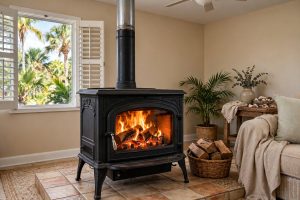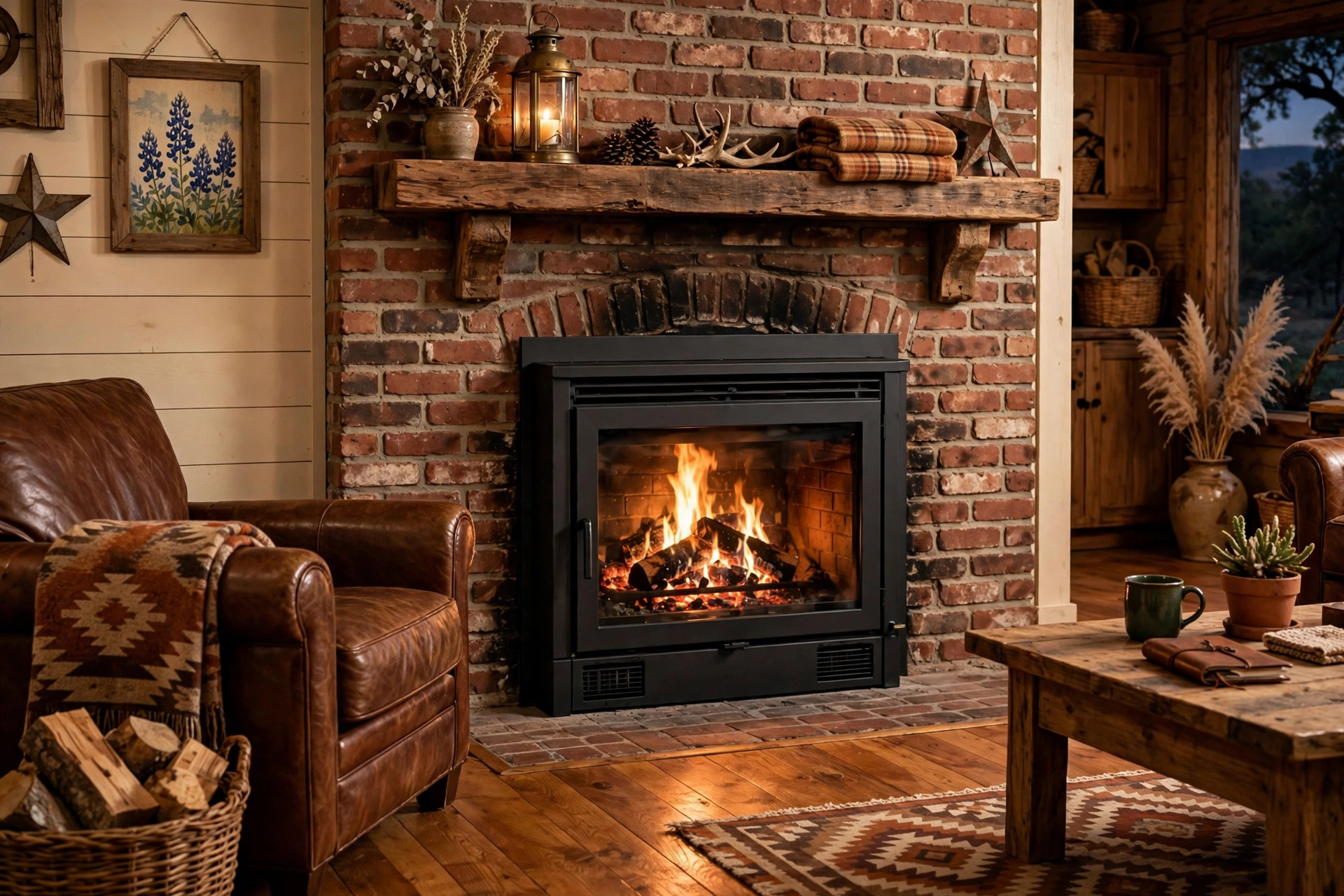

Texas is known for heat, not cold. Yet every year, from the Panhandle down to the Hill Country, winter nights drop into the thirties and forties. Some years bring ice and hard freezes that strain the power grid. Many Texas homes have a brick fireplace that looks fine but wastes most of its heat up the chimney. The best wood burning fireplace inserts for Texas homes solve that problem. An insert is a sealed steel or cast iron box that slides into your existing fireplace. It turns a drafty open hearth into a real heat source.
This guide explains why inserts suit Texas homes, how they work, what to look for, what they cost, and how to keep yours safe. It is written for the Texas homeowner who wants plain facts, not sales talk.
Why a Wood Burning Insert Makes Sense in Texas
An open fireplace loses nine tenths of its heat. It pulls warm air from the room and sends it up the flue. A wood burning insert reverses that loss. It traps the fire behind a sealed door and pushes heat into the room with a blower or natural convection. A good insert reaches 65 to 80 percent efficiency. That is a large jump from the 10 percent of an open hearth.
Texas winters are short but sharp. A home in Amarillo may see many nights below freezing. A home in Austin or San Antonio may see only a few. In both cases, an insert gives heat without running the furnace all night. When ice storms cut power, a wood insert keeps working. It needs no electricity to burn, though the blower does. That backup heat matters in a state that has learned what a freeze can do.
Wood is also easy to find in Texas. Oak, pecan, and mesquite grow in every part of the state. A cord of seasoned hardwood costs far less than the propane or electricity that would make the same heat. For a Texas family that burns only a few dozen nights a year, the fuel bill stays small.
How an Insert Works: Best Wood Burning Fireplace Inserts for Texas Homes
A wood burning insert is not the same as a wood burning stove. A stove stands free in the room. An insert fits inside a masonry fireplace and uses the existing chimney. The insert has a firebox lined with brick or steel, a sealed glass door, and air controls. Air enters at the bottom, feeds the fire, and leaves through the flue. Heat radiates from the metal body and the glass front. Many models add a blower that moves room air around the firebox and back out, spreading warmth faster.
Most inserts sold today need a stainless steel chimney liner. The liner runs from the top of the insert to the top of the chimney. It keeps flue gases hot so they draft well and leave less creosote. Many Texas homes with old clay tile liners get this upgrade at the same time as the insert. The liner adds to the cost, but it is part of a safe installation.
What to Look for When You Choose
Size and Fit
Measure the firebox opening: width, height, and depth. Write the numbers down before you shop. An insert must be smaller than the opening but large enough to heat the room. Makers publish minimum opening sizes. A dealer or installer can check your measurements against the model you like.
Think about the room too. Inserts are rated by the square feet they can heat. A 1,200 square foot rating suits a small house or a zone of a larger one. A 2,000 square foot rating suits an open plan living area. Bigger is not always better. An oversized insert in a small room will smolder at low burn and make more creosote.
Heat Output
Heat output is listed in BTUs. Small inserts make about 20,000 BTU per hour. Large ones reach 80,000 or more. Texas rooms with tall ceilings or poor insulation need more output. A well insulated Texas ranch house needs less. Ask for the EPA tested output, not just the peak claim on the box.
Catalytic or Non-Catalytic
There are two ways inserts burn clean. A catalytic insert uses a coated plate that reburns smoke at lower temperatures. It burns long and slow, with high efficiency. The catalyst wears out after several seasons and must be replaced. A non-catalytic insert uses air tubes and firebox design to burn the smoke. It is simpler, needs less care, and costs less up front. For a Texas homeowner who burns only part of the year, a non-catalytic model is often the easier choice.
Looks and Style
Inserts come in plain black steel, cast iron with trim, and modern designs with wide glass fronts. Some have bay windows that show the fire from three sides. Some sit flush with the fireplace face. Pick a style that fits your mantel and your room. The glass door should be ceramic glass, which stands up to high heat.
Types of Wood Burning Inserts
Makers group inserts by size and shape. A small insert fits a narrow firebox and heats one room. A medium insert is the most common pick for Texas family rooms. A large insert fills a big opening and heats an open floor plan.
You will also see flush inserts and projecting inserts. A flush insert sits even with the fireplace face and looks neat. A projecting insert sticks out a few inches and puts more heat into the room by radiation. Either type can work well in a Texas home.
Some shoppers compare inserts with gas fireplace inserts. Gas inserts light with a switch and need no wood. They cost more to run in Texas, where natural gas and propane prices add up. Wood inserts cost more in labor but burn cheap local wood. Many Texas families choose wood for the real flame and the lower fuel bill.
Cost and Price in Texas
An insert itself runs from about 1,200 dollars to 4,500 dollars. Small plain models sit at the low end. Large cast iron models with wide glass sit at the high end. Installation adds 1,000 to 3,000 dollars in most Texas markets. That price covers delivery, the stainless liner, the cap, and the labor to set the unit.
Expect the liner to be a big part of the quote. A full stainless liner for a two story chimney costs more than one for a single story. If your chimney needs masonry repair, add that too. Get three quotes from licensed installers. Ask each one what is included. A cheap quote that skips the liner is not a bargain.
Running costs stay low. A Texas family that burns forty nights a year may use one to two cords of wood. At Texas prices, that is a few hundred dollars. A firewood storage rack keeps the wood dry and off the ground. Dry wood burns hotter and makes less creosote than green wood.
Check for tax credits before you buy. Federal credits for efficient biomass heaters have changed over the years. A model with at least 75 percent efficiency may qualify. Your installer or a tax adviser can tell you what applies this year.
Care and Upkeep Through the Year
Wood inserts ask for steady care, not hard care. Empty the ash when it builds up past the air inlets. Leave a thin bed of ash in the firebox; it helps the next fire start. Check the door gasket each fall. Close the door on a dollar bill. If the bill pulls out with no drag, the gasket needs replacing.
Have the chimney swept once a year by a certified sweep, even if you burn only a little. Creosote builds up in any wood flue, and a chimney fire is dangerous. The sweep should also check the liner and the cap. A good chimney cap keeps rain and animals out of the flue.
Burn only seasoned hardwood. Fresh cut wood can be half water. It burns cool, smokes, and coats the flue with creosote. Split and stack your wood under cover for six to twelve months. Oak and pecan are Texas favorites. Mesquite burns hot but sparks; mix it with oak for a steady fire.
Wipe the glass with a damp cloth or a cleaner made for stove glass. Do not use oven cleaner or abrasives. Keep the blower free of dust. A yearly check before the first cold night is a smart habit. Many Texas homeowners schedule this in October, before the first norther blows in.
Safety Rules for Every Texas Home
A wood insert is safe when it is installed right and used with care. Keep these rules in mind.
Install smoke and carbon monoxide detectors on every floor. Test them monthly. Keep furniture, rugs, and drapes at least three feet from the insert. Use a hearth rug or ember pad in front of the door to catch stray sparks.
Never burn trash, painted wood, or treated lumber. The fumes are toxic and can damage the insert. Never use gasoline or lighter fluid to start a fire. Use dry kindling and a fire starter made for wood stoves.
Keep the fire small enough to control. An overfired insert can warp the metal and crack the liner. If the metal glows or the thermometer reads too high, close the air control and let it cool. Teach children to stay back from the glass; it gets very hot.
Check local rules before you burn. Some Texas counties and cities limit burning on bad air days. Homeowner associations may have their own rules. A quick call to the county fire marshal saves trouble later.
Frequently Asked Questions
Will a wood insert heat my whole Texas house? It can heat a zone of the house well. A large insert in a central living room can warm nearby rooms through open doors. It will not replace a furnace in a large two story home. Many Texas families use the insert for the main living area and let the furnace handle the rest.
Do I need a stainless steel liner? In most cases, yes. The liner sizes the flue to the insert and keeps gases hot for a good draft. It also protects old clay tiles from heat and creosote. Most installers will not set an insert without one.
How long does a wood insert last? A well made insert lasts twenty years or more with basic care. The parts that wear out are gaskets, glass, and the catalytic plate in catalytic models. All are replaceable.
Can I install it myself? It is not a good do it yourself job. The liner, the clearances, and the connection to the chimney all affect safety. A licensed installer knows the codes. Many makers also require professional installation to honor the warranty.
What wood burns best in Texas? Seasoned oak and pecan are the top picks. They are dense, burn long, and grow all over Texas. Mesquite burns hot and fast; it works well mixed with oak. Avoid pine as a main fuel. It burns fast and leaves more creosote.
Does an insert work when the power goes out? Yes. The fire burns with no electricity. The blower will stop, but heat still radiates into the room. That makes an insert a solid backup during Texas ice storms.
A Final Word
The best wood burning fireplace inserts for Texas homes turn a pretty but wasteful fireplace into a working heater. Measure your firebox, pick the right size, buy seasoned wood, and keep the chimney swept. With those basics, your insert will warm your home for decades and stand ready when the next cold snap hits Texas.
For more background, see Family Handyman, The Spruce, and Lowe’s. Related guides on this site include high efficiency gas log sets for sale, freestanding electric stoves reviews and buying guide, and buy tile fireplace surrounds online in texas.
References
Family Handyman. (n.d.). DIY home repair and maintenance. https://www.familyhandyman.com Lowe’s. (n.d.). Home improvement products. https://www.lowes.com The Spruce. (n.d.). Home and garden advice. https://www.thespruce.com This Old House. (n.d.). Home renovation guidance. https://www.thisoldhouse.com Thisoldhouse. (n.d.). Home and garden information. https://www.thisoldhouse.com/gas-fireplace-inserts-reviews-and-buying-guide/ Thisoldhouse. (n.d.). Home and garden information. https://www.thisoldhouse.com/affordable-firewood-storage-racks-with-free-shipping/ Thisoldhouse. (n.d.). Home and garden information. https://www.thisoldhouse.com/best-chimney-caps-and-covers-buying-guide/ U.S. Environmental Protection Agency. (n.d.). Protecting human health and the environment. https://www.epa.gov
Was this guide helpful?

About David Wilson
The My Garden US editorial team writes practical, in-depth home and garden guides for American homeowners — tested advice, no fluff.
You May Also Like
Tile Fireplace Surrounds Price Comparison USA: A Homeowner’s Guide
April 15, 2026 0 views
Childproof Fireplace Screens: Reviews and Buying Guide
September 7, 2026 0 views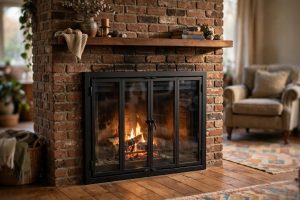
Energy Efficient Fireplace Glass Doors With Free Shipping: A Full Buying Guide
March 4, 2026 0 views