Carbon monoxide is a gas you cannot see, smell, or taste. It comes from fuel that does not burn fully. Furnaces, gas stoves, water heaters, fireplaces, and cars in a closed garage can all make it. When people breathe too much of it, they feel sick. In bad cases, it can take a life. That is why the best carbon monoxide detector reviews 2026 matter. A small device on the wall can warn a family in time to get out.
Many homes in the United States already have smoke alarms. Fewer homes have a carbon monoxide detector. Some states now require them in new homes and rentals. Even where the law does not require one, most fire officials say every home with fuel-burning equipment or an attached garage should have one. This guide walks through the choices in plain words, so you can pick with confidence.
Why a Carbon Monoxide Detector Matters
Each year, carbon monoxide sends thousands of Americans to the emergency room. The gas builds up slowly. People often mistake the first signs for the flu. A headache, dizziness, and nausea can seem like a common illness. A working alarm removes the guesswork. It sounds before the level turns dangerous.
A detector watches the air day and night. When it finds carbon monoxide at a level that can harm, it beeps loud. Newer models show the number on a small screen. Some can send a warning to a phone. The device costs far less than a single night in a hospital. For most homes, it is one of the cheapest safety buys there is. Trusted review sites such as Consumer Reports test alarms in a lab and report which ones react fast and which ones do not.
The Consumer Product Safety Commission also tracks reports of faulty detectors and issues recalls. It is wise to check their site before you buy. A recall means the maker found a problem. Buying a model that has no open recall is a simple step that adds real safety.
What to Look for in the Best Carbon Monoxide Detectors: Best Carbon Monoxide Detector Reviews 2026
Not every detector is the same. Reviews from 2026 point to the same few traits in the top models. Here is what to weigh.
Power Source
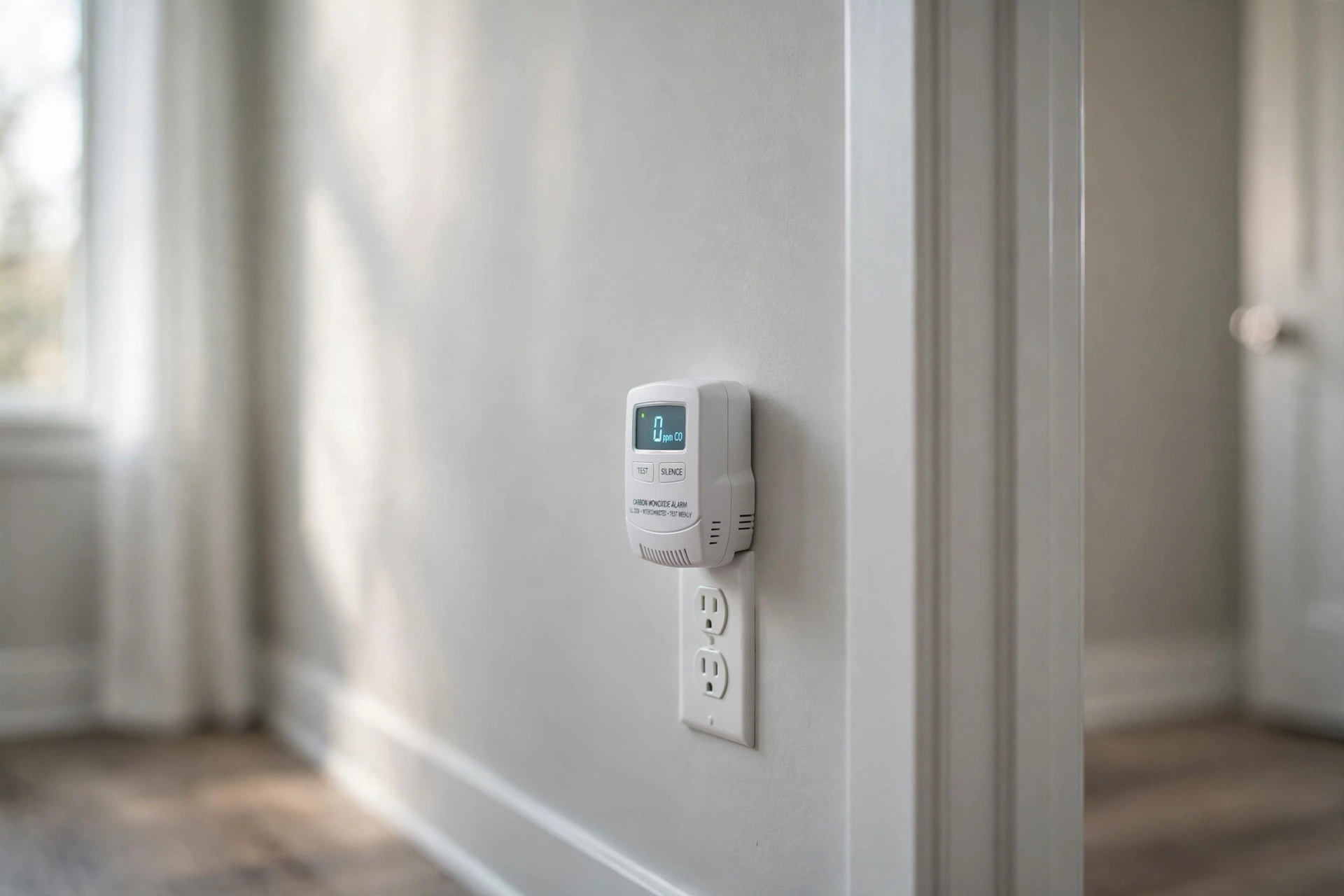
Some detectors plug into a wall outlet. Some run on batteries. Some do both, with battery backup when the power fails. Battery-only models are easy to place anywhere. Plug-in models with backup keep working in a blackout. A blackout is exactly when people run generators, which makes a backup valuable.
Digital Display
A display shows the current level of carbon monoxide in parts per million. It lets you see small rises before the alarm sounds. It also tells you if the alarm you heard was real or a test. Most of the best models in recent reviews carry a display.
Sensor Life and End-of-Life Warning
Sensors wear out. Most detectors last five to ten years. Good models sound a special chirp when the sensor dies. They tell you it is time for a new one. Check the rated life on the box before you buy.
Smart Features
Smart detectors join the home network. They can send alerts to a phone. They can tie in with a full home security system. Brands such as SimpliSafe and ADT build carbon monoxide sensing into their security plans. A stand-alone smart detector, such as those sold through Ring and the Google Store, can warn you even when you are at work. Reviews from CNET and PCMag compare these connected models in detail.
Certification
Look for the UL mark on the box. In the United States, UL 2034 is the standard for carbon monoxide alarms. A model without that mark has not passed the same tests. Reviews worth reading always start with certified models.
Alarm Loudness and Test Button
An alarm must wake a sleeping person. The standard calls for a sound near 85 decibels at ten feet. Test the volume in the store display if you can. A large test button is easier to press each month. Some models let you silence a false alarm from the unit. That small feature matters in a kitchen or near a fireplace.
Peak Level Memory
A few models store the highest level they have seen. This helps a firefighter or a repair tech trace a past event. If the alarm sounded while you were out, the stored number shows what it found. Reviews note it as a useful extra, not a must-have.
Types and Options
Plug-in detectors go into a standard outlet. They are cheap and simple. Many have battery backup. They work well in bedrooms and hallways.
Battery-operated detectors mount on the wall or ceiling. They need no outlet. You change or check the battery each year. Sealed-battery models run for the full life of the unit with no battery change at all.
Combination alarms sense both smoke and carbon monoxide. They cut down on the number of devices on the ceiling. Many smart homes use them. If you already plan a smart home upgrade, a combination unit can be part of it. Pairing it with a wireless doorbell camera or a video doorbell without a monthly fee rounds out a simple front-door safety setup.
Hardwired detectors connect to the home wiring. They usually link together. When one sounds, they all sound. They need an electrician to install. New construction often uses them.
Smart and monitored detectors talk to a phone app or a monitoring center. A monitoring plan adds a monthly fee. In return, the center can call for help if you do not answer. The Verge covers how these connected home devices work in real homes.
Cost and Price
Prices run from about twenty dollars to about one hundred and twenty dollars.
– Basic plug-in models: twenty to thirty-five dollars. – Battery models with a digital display: thirty to sixty dollars. – Combination smoke and carbon monoxide alarms: forty to eighty dollars. – Smart detectors with phone alerts: eighty to one hundred and twenty dollars. – Monitored units through a security company: device fee plus monthly plan.
A detector is not a place to hunt for the lowest price alone. A model that costs ten dollars more but reacts faster is the better buy. Reviews from Consumer Reports often show that mid-price models perform as well as the most expensive ones.
When you shop, count the units you need before you look at prices. A three-level home may need three or four detectors. Buying a multi-pack from a maker can cut the cost per unit. Watch for seasonal sales at home centers. Prices often drop in the fall, when heating season starts and stores stock safety gear.
Care and Upkeep
A detector needs little care, but it does need some.
Test the alarm each month. Press the test button and listen for the sound. Dust the unit with a soft cloth. Dust can block the sensor. Change the batteries once a year unless the unit has a sealed battery. Note the date on the back of the unit with a marker. When the end-of-life warning sounds, replace the whole device.
Do not paint over a detector. Do not place it right next to a stove or fireplace, where normal fumes can set it off. Keep it away from steamy bathrooms too. Follow the guide that comes in the box for exact placement rules.
Safety: Where to Place Them and What to Do in an Alarm
Place one detector on each level of the home. Put one near each sleeping area. If bedrooms sit on one end of a long hall, one unit in the hall can cover them. In homes with a basement, add one there. If the house has an attached garage, place one near the door between the garage and the house.
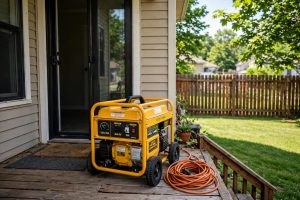
The Consumer Product Safety Commission warns against common mistakes. Never run a generator inside the house or garage. Never warm up a car in a closed garage. Never use a gas oven to heat a room. A detector is a last line of defense. Safe habits are the first.
If the alarm sounds, act fast. Move everyone outside to fresh air. Call 911 from outside. Do not go back in to open windows or find pets. Firefighters carry meters that can find the source. Wait for their word before you go back inside.
FAQ
How many detectors does my home need? At least one on each floor and one near each sleeping area. Larger homes may need more. A two-story house with a basement needs at least three.
Do carbon monoxide detectors expire? Yes. Most last five to ten years. The end-of-life warning tells you when the sensor is done. Write the install date on the unit so you know its age.
Can I just buy a combination smoke and carbon monoxide alarm? You can. Combination units meet both standards and save space on the ceiling. Check that the box shows both UL marks.
Will a smart detector work without Wi-Fi? The alarm itself still sounds without Wi-Fi. Only the phone alerts stop. Choose a model with battery backup so it keeps working in a power outage too.
Are smart carbon monoxide detectors worth it? They are worth it if you want phone alerts or links to a security system. For a rental or a simple home, a basic certified model protects just as well. Compare the trade-offs in a Ring vs Nest doorbell comparison style review to see how smart home gear is tested.
How do I know my detector really works? Press the test button each month. If it beeps loud, the speaker and circuit work. Only a real event tests the sensor, which is why reviews from CNET and PCMag run lab tests with measured gas.
A Short Final Word
The best carbon monoxide detector is the one that is installed, tested, and replaced on time. Reviews can point you to the best models of 2026. Your habits do the rest. Buy a certified unit, place it where it counts, test it each month, and know what to do if it sounds. That small routine can protect a whole household.
References
ADT. (n.d.). Home security and automation. https://www.adt.com CNET. (n.d.). Technology news and reviews. https://www.cnet.com Consumer Reports. (n.d.). Product reviews and ratings. https://www.consumerreports.org Google Store. (n.d.). Smart home devices. https://store.google.com PCMag. (n.d.). Technology product reviews. https://www.pcmag.com Ring. (n.d.). Smart home security devices. https://www.ring.com SimpliSafe. (n.d.). Home security systems. https://www.simplisafe.com The Verge. (n.d.). Technology news and reviews. https://www.theverge.com U.S. Consumer Product Safety Commission. (n.d.). Product safety information. https://www.cpsc.gov
Was this guide helpful?

About Robert Taylor
The My Garden US editorial team writes practical, in-depth home and garden guides for American homeowners — tested advice, no fluff.