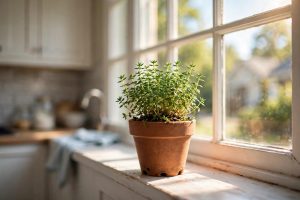
A sharp pair of scissors can change the way you work with flowers. Many gardeners start with ordinary kitchen shears or a pair of old pruners, and they wonder why stems crush or leaves tear. The answer is often the tool. The best garden scissors for floral work are made for one job: cutting stems cleanly, quickly, and with little effort on the hand. This guide explains what to look for, what kinds of scissors are sold, what they cost, and how to keep them sharp for years.
Why the Right Scissors Matter
Cut flowers live longer when stems are cut cleanly. A clean cut leaves the water channels inside the stem open, so the flower drinks well in the vase. A crushed stem seals those channels, and the bloom fades sooner. Anyone who has watched roses droop in two days knows this pain. Good scissors give a clean slice through soft green stems, and the flowers last days longer.
There is also the matter of comfort. Floral work means hundreds of small cuts in one session. A heavy tool makes the hand ache. A sharp, light tool lets you work through a bucket of flowers without pain. Over a season of garden work, this comfort matters more than most people expect.
A third point is plant health. When you deadhead spent blooms or trim soft growth, ragged cuts can invite rot. Sharp garden scissors make neat wounds that heal fast. This is true in the cutting garden, in the flower border, and on the potting bench.
What to Look for in Garden Scissors for Floral Work: Best Garden Scissors for Floral Work
Blade Shape and Type
Floral scissors use two blade types. Bypass blades pass by each other like ordinary scissors and give the cleanest cut on live stems. Anvil blades close against a flat plate and can crush soft stems, so they are better left to dead wood. For flowers, choose bypass.
Blade length matters. Short blades, around one to two inches, give fine control for close work such as trimming bouquet stems to length. Longer blades, three to four inches, cut more stems at once and suit harvesting from the garden bed. A micro-tip blade is useful for detailed work inside a bouquet.
Handle Fit and Comfort
Handles come in plastic, metal, and cushioned rubber. The shape should match your hand. Try the scissors if you can. The handles should let your fingers rest without pinching. Spring-loaded handles that pop open after each cut save effort when you make many cuts. A simple lock or latch keeps the tool closed in a basket or apron pocket.
If you cut for long sessions, look for padded or ergonomic grips. Many Fiskars snips and similar brands now offer soft-touch handles that reduce blisters. Reviews in independent test reports often note handle comfort as a key difference between good and great models.
Blade Material
Stainless steel blades resist rust, which matters for a tool that touches wet stems all day. High-carbon steel takes a keener edge but needs drying after use. For most gardeners, stainless steel is the easy choice. A non-stick or coated blade helps when you cut sap-heavy stems, such as poppies or sunflowers, and wipes clean in seconds.
Safety Features
A blade cover or latch is a simple but important part. Loose scissors at the bottom of a garden tote can cut a hand. Some models ship with a fitted sheath. If yours does not, keep the tool in a dedicated pocket of your garden apron.
Types and Options
The market holds several styles, and each suits a different habit of work.
Flower snips. These are small and light, with short blades and a fine point. They are the top pick for arranging, trimming bouquet stems, and deadheading. Their small size gives great control.
Floral shears. A step up in size, with longer blades and stronger handles. They handle thicker stems, such as rose canes, chrysanthemum stalks, and hydrangea branches. Many have a sap groove along one blade that keeps sticky stems from gumming the pivot.
Micro-tip scissors. Built for detail work, with very fine pointed blades. Useful for shaping topiary, trimming herbs, or snipping string and ribbon in the flower room. Our guide to the best garden scissors for harvesting herbs covers tools that overlap with this category.
Multipurpose garden scissors. Heavier and sturdier, meant to cut stems, twine, and light wire. They are handy in a general garden kit, though less precise than true flower snips. Good advice for the home workshop appears in many home workshop guides.
Left-handed models. A few makers sell true left-handed scissors. A left-handed gardener using right-handed scissors gets a poor cut, because the blades push apart. If this describes you, buy a left-handed pair.
How to Choose: A Step-by-Step Method
Step one: name your main task. If you grow a cutting garden and bring in armloads of blooms, pick floral shears with three-inch blades. If you buy market flowers and arrange them at home, flower snips are enough.
Step two: test the grip. Hold the scissors and open and close them twenty times. If your fingers rub or the handles dig in, keep looking. Your hand is the best judge.
Step three: check the weight. Light tools win for flower work. Anything much over four ounces feels heavy after an hour.
Step four: look at the spring and latch. A smooth spring saves hand force. A secure latch keeps the blades shut in storage.
Step five: compare the edge. A clean, even edge that cuts paper smoothly will cut stems well. Some buyers check garden supply guides for side-by-side comparisons before they decide.
When you shop in person, the Home Depot tool aisle and the Lowe’s garden center both stock several floral models you can hold before buying. This hands-on test is worth the trip.
Cost and Price Ranges
Flower scissors are kind to the wallet. Basic snips start near five dollars. Mid-range models with stainless blades and soft grips run ten to twenty-five dollars. Professional florist shears, often sold through professional cutting tool makers, range from twenty-five to fifty dollars.
Price buys better steel, better fit, and longer life, but a ten-dollar pair from a good maker often serves a home gardener for years. Replacement is cheap, so many gardeners keep two pairs: one for the garden bed and one for the flower room, to keep soil grit away from fine blades.
It also pays to think about where your flowers come from. If you cut from your own garden, you control the stem thickness and the sap level, and one mid-range pair may handle everything. If you buy bundles at the market or the wholesaler, stems vary widely, and a second, stronger pair of floral shears is worth the small extra cost. Buyers who compare notes in garden supply guides often report that two modest pairs outlast one costly pair used for every task, simply because each tool stays within its limits.
Care and Upkeep
Good care takes only minutes and doubles the life of your scissors.
Clean after each use. Wipe the blades with a damp cloth. For sap, use rubbing alcohol or warm soapy water. Dry the blades at once. Wet steel rusts, even stainless, if left sitting.
Oil the pivot. A drop of light oil at the joint each month keeps the action smooth. Wipe off the extra.
Sharpen on time. Dull blades crush stems. A small diamond file or a whetstone restores the edge in a few minutes. Many gardeners also keep a best garden tool sharpener for pruners on the bench, which works for scissors too.
Store them closed and dry. Use the latch, and keep the tool in a dry place. A damp shed rots handles and dulls edges. When your day in the garden ends, proper storage starts with dry boots and clean tools — see our notes on the best garden boots waterproof for mud for more mud-season care habits.
Keep a cleaning routine. At the end of a big cutting session, rinse the blades in warm soapy water, dry them with a clean rag, and stand the scissors upright to air out fully before you latch them shut. Trapped moisture around the pivot is the most common cause of stiff springs and light rust spots.
Inspect the edge now and then. Hold the scissors up to the light and look along the edge. A bright, unbroken line means a sharp edge. Dull patches or tiny nicks mean it is time for the file. Five minutes of sharpening beats a season of crushing stems.
Watch the tension. If the blades feel loose, tighten the center screw slightly. If they feel stiff, loosen it a touch and add oil.
Safety in the Flower Garden
Scissors are small but they are still sharp. Carry them point down and closed. Never put them in a pocket without the latch on. Teach children to hand the tool handle first, and store all cutting tools out of reach of small hands.
Watch for thorns. When you cut roses or flowering quince, use gloves and point the blades away from your body. A slow, steady cut is safer than a hurried one. Also mind ladders and step stools when cutting tall stems; keep both feet planted before you reach.
When trimming wild stems near hedges, check for stinging insects first. A nest disturbed by cutting can turn a quiet afternoon into a bad day. The seed and plant catalog resources and other growing guides remind gardeners to watch the garden before they work it.
Frequently Asked Questions
What is the difference between flower snips and pruning shears? Flower snips are smaller and lighter, built for soft green stems. Pruning shears are larger and built for woody branches. For floral work, snips give finer control and cleaner cuts on soft stems.
Can I use kitchen scissors for flowers? You can in a pinch, but they are not ideal. Kitchen scissors are often heavier, harder to clean of plant sap, and dull faster on green stems. A dedicated pair of garden scissors costs little and works far better.
How often should I sharpen my flower scissors? For weekly use, a light touch-up every month or two keeps the edge true. If you notice crushed stems or have to squeeze hard, sharpen now. Dull blades tire the hand and hurt the flowers.
Are expensive flower scissors worth it? Often, yes, but only up to a point. A mid-range pair from a known maker gives most of the benefit. Professional models add nicer steel and fit, which matter for daily florists more than weekend gardeners.
Should I buy right-handed or left-handed scissors? Buy scissors made for your dominant hand. Left-handed gardeners should buy true left-handed models, since right-handed blades cut poorly when held in the left hand.
How do I clean sticky sap off the blades? Rub the blades with rubbing alcohol or a cloth damp with warm soapy water, then dry fully. A non-stick coated blade sheds sap more easily, which is worth considering if you cut lots of poppies or sunflowers.
A Short Final Word
The best garden scissors for floral work are simple tools, and choosing well is simple too. Pick bypass blades in stainless steel, a grip that fits your hand, and a size that matches your main task. Keep them clean, sharp, and closed when stored. Do this and your flowers will open well in the vase, your hands will thank you, and your cutting garden will repay you with bloom after bloom. For step-by-step growing help, the The Spruce flower guide offers clear, plain advice that pairs well with good tools.
References
Burpee. (n.d.). Seeds, plants, and gardening supplies. https://www.burpee.com Consumer Reports. (n.d.). Product reviews and ratings. https://www.consumerreports.org Corona Tools. (n.d.). Garden and landscape tools. https://www.corona-tools.com Family Handyman. (n.d.). DIY home repair and maintenance. https://www.familyhandyman.com Fiskars. (n.d.). Garden and cutting tools. https://www.fiskars.com Gardener’s Supply Company. (n.d.). Gardening tools and supplies. https://www.gardeners.com Lowe’s. (n.d.). Home improvement products. https://www.lowes.com The Home Depot. (n.d.). Home improvement products. https://www.homedepot.com The Spruce. (n.d.). Home and garden advice. https://www.thespruce.com
Was this guide helpful?

About Emily Rodriguez
The My Garden US editorial team writes practical, in-depth home and garden guides for American homeowners — tested advice, no fluff.
You May Also Like
The Best Garden Trowel Set for Beginners: How to Choose Well
March 24, 2026 0 views
Drip Irrigation for Hanging Baskets: A Plain Guide for Home Gardeners
June 12, 2026 0 views
Best Garden Gloves for Sensitive Skin: How to Choose the Right Pair
May 7, 2026 0 views