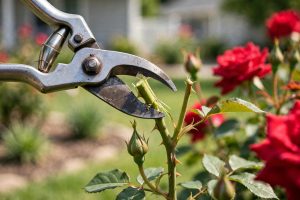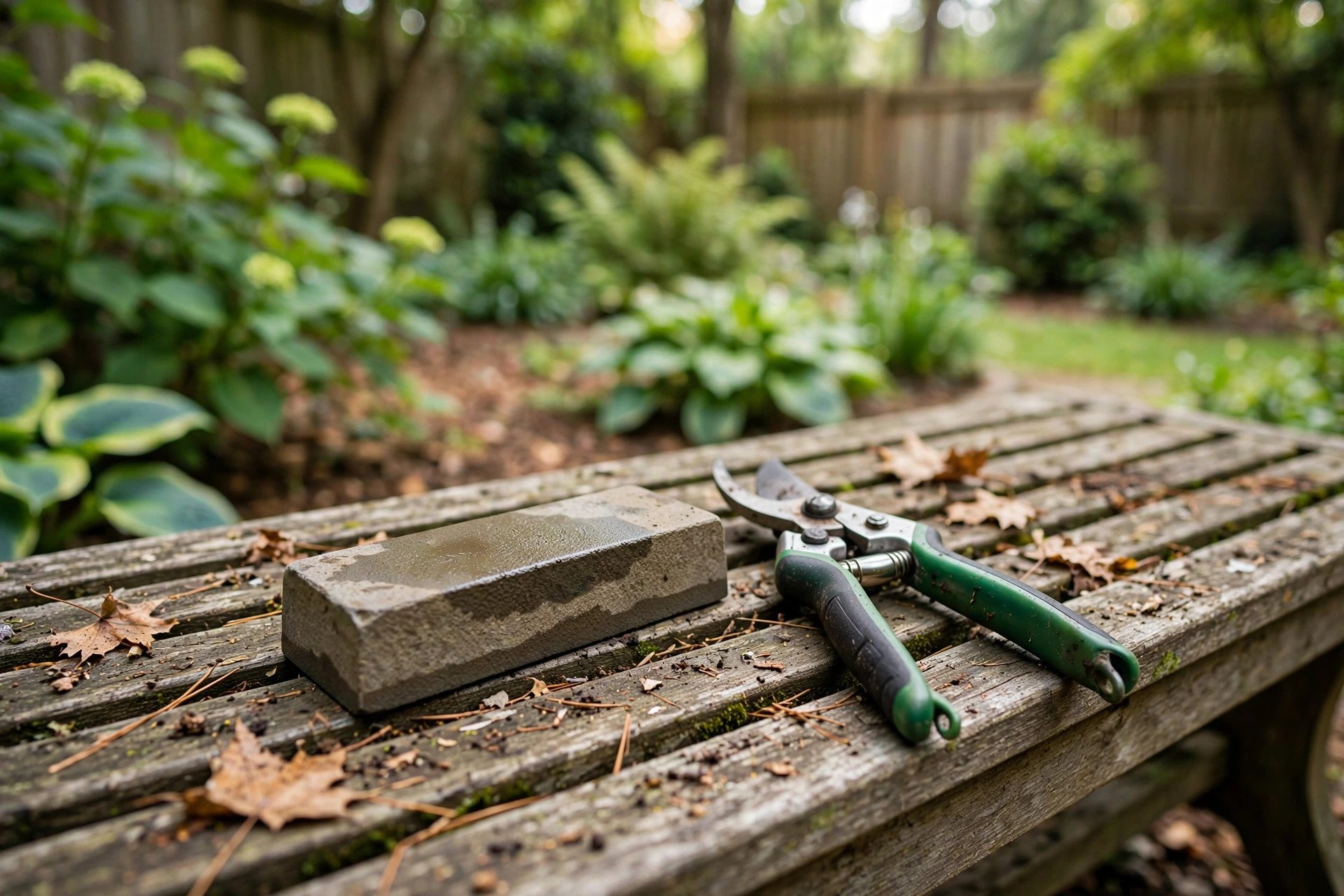
A pair of pruners is the most used tool in the garden shed. It cuts stems, trims roses, and shapes small trees. But even the finest pruners turn dull with use. A dull blade crushes the stem instead of cutting it. The plant then heals slowly and may catch disease. This is why the best garden tool sharpener for pruners is a small item every gardener should own. It costs little, it fits in a pocket, and it keeps blades in fine order with a few strokes.
Many gardeners buy new pruners when the old pair turns dull. That is a waste of money. A good sharpener restores a dull edge in a minute or two. The work is simple. Anyone can learn it on the first try. This guide explains why a sharpener matters, what kinds are sold, how to pick one, what you should pay, and how to care for both the tool and the blades. It also covers safety, since even a small blade can cut skin.
Why a Sharpener Matters for Pruners
Pruners work hard all season. They cut green stems, dry wood, and thick branches. Each cut wears the edge a little. Sap and dirt add to the wear. After a month of spring pruning, most blades are no longer sharp. The gardener must push harder to make each cut. The wrist and hand tire fast. That extra force is the first sign of a dull blade.
A dull blade hurts the plant. Instead of a clean slice, it tears and bruises the stem. Torn tissue invites rot and insect harm. A clean cut, by contrast, seals fast. The plant loses less sap and grows back strong. Tree experts have long said that sharp tools make healthy gardens. This is not a small point. One bad cut on a young rose cane can ruin a season of bloom.
A sharp blade also protects the gardener. When a tool is dull, the hand must squeeze hard, and the blade can slip. Slips cause cuts. A sharp pruner cuts with light pressure and stays under control. The best garden tool sharpener for pruners pays for itself in safety alone.
There is also the question of cost. A fine pair of pruners may cost forty dollars or more. A sharpener costs less than ten dollars in most stores. Sharpening extends the life of the pruners for years. The savings add up, and the garden benefits too.
What to Look for When You Choose: Best Garden Tool Sharpener for Pruners
The Type of Blade
Pruners have two main blade types. Bypass pruners work like scissors, with two curved blades that pass each other, a design refined by pruner makers over many years. Anvil pruners have one straight blade that closes on a flat pad. Most sharpeners handle both types, but some fit one better than the other. Check the label before you buy. A sharpener made for bypass blades may not sit right on an anvil blade.
The Grit and the Material
Sharpeners use different grits. A coarse grit removes nicks and rust fast. A fine grit polishes the edge smooth. Some sharpeners have two sides, one coarse and one fine. Others have a single medium grit. For pruners, a medium or fine grit is often enough for regular upkeep. A diamond-coated sharpener cuts fast and lasts long. A ceramic rod gives a smooth finish. A carbide slot is quick but takes off more metal, so it is best for very dull blades.
The best garden tool sharpener for pruners usually has a fine side for touch-ups and a coarser side for dull edges. That pair covers most garden needs through the year.
Size and Grip
A sharpener should fit the hand well. A small pocket stone is easy to carry into the garden. A handle with a guard keeps fingers away from the blade. Some sharpeners clip to a belt or loop. When you choose, hold the tool if you can. It should feel steady and safe in your grip.
Ease of Use
The best garden tool sharpener for pruners is one you will actually use. If it needs oil, water, and ten steps, it may sit in the drawer. A simple hand-held sharpener with a clear angle guide is best for most people. You hold the pruner still and draw the sharpener along the edge. A few strokes on each side is often enough.
Types of Garden Tool Sharpeners for Pruners
Hand-Held Carbide Sharpeners
These are small tools with a V-shaped slot lined with carbide. You pull the blade through the slot a few times. They work fast and are easy for beginners. The downside is that carbide removes metal quickly. Use it only when the blade is quite dull. For weekly touch-ups, it may be too harsh.
Diamond-Coated Files and Paddles
A diamond file is a flat plate coated with tiny diamond grit, a type of sharpener many tool brands now sell. It cuts steel well and stays flat for years. You hold the file at the blade angle and push it along the edge. Many gardeners like diamond paddles because they are simple and precise. They come in coarse, medium, and fine grits.
Whetstones and Pocket Stones
A whetstone is the old method, and it still works well, as many sharpening guides explain. You wet the stone, hold the blade at a steady angle, and slide it across. Pocket stones are small enough to carry in a work apron. They need a little practice to get the angle right, but they give a fine edge.
Ceramic Rods
A ceramic rod is a round stick of fine ceramic. You draw it along the blade edge like a honing steel in the kitchen. It polishes the edge and is good for quick touch-ups between deeper sharpenings. It removes very little metal, so it is safe for frequent use.
Two-Sided Combination Sharpeners
Many products sold today combine two grits in one body. One side is coarse for repair, the other is fine for finishing. These are a good first buy for a gardener who owns several tools. They handle pruners, loppers, and shears alike.
For more general blade care ideas, see our guide on how to sharpen garden tools properly, which covers the basic strokes used on many hand tools.
Cost and Price: What You Should Pay
Garden tool sharpeners are among the cheapest tools you can buy. Prices in most stores run from about four dollars to about twenty dollars. A simple pocket stone may cost five dollars. A diamond paddle may cost twelve to eighteen dollars. A combination sharpener with a handle often falls in the middle.
You do not need the most costly model. The best garden tool sharpener for pruners is not the priciest one. Independent product testers have long found that mid-priced tools often match costly ones. It is the one with a true grit, a safe handle, and a size you will carry. Cheap carbide tools under four dollars can work, but they may wear out in one season. A mid-priced diamond or ceramic tool will last many years. Shoppers can compare current prices and models before they buy.
Watch for sets sold with pruner oil and a cleaning cloth. These kits can be a fair deal if you need the extras. But buy the sharpener for its grit and grip first, not for the extras in the box.
How to Sharpen Pruners: A Simple Method
Clean the blades first. Sap and dirt will clog any sharpener. Wipe the blades with a damp cloth and a little soap. Dry them well.
Open the pruner and lock it if it has a lock. Hold the tool with the beveled edge facing up. Most pruner blades have a bevel on one side only. That is the side you sharpen.
Place the sharpener flat against the bevel at the same angle. You can see the angle by the bright line along the edge. Push the sharpener from the base of the blade to the tip in smooth strokes. Use light pressure. Four to six strokes are often enough for a touch-up.
Turn the pruner over. Give the flat side one or two very light strokes to remove the burr, the tiny wire of metal that forms on the back. Do not sharpen the flat side at an angle. Keep it flat.
Test the edge on a sheet of paper or a thin twig. A sharp pruner should cut clean with little force. If it still tears, repeat the steps.
Good pruning shears deserve good care, so you may also like our look at the best pruning shears for rose bushes when it is time to replace a worn pair.
Care and Upkeep of the Sharpener and the Pruners
A sharpener needs little care. Rinse off metal dust after use. Let it dry fully before you store it. A diamond plate may need a brush to clear the grit. A whetstone should dry flat so it does not crack.
Pruners need more care. After each use, wipe the blades clean, a habit stressed in every tool care guide. Sap hardens fast in warm weather. A cloth with a little oil keeps the blades from rusting. Store pruners dry, with the blades closed, in a garden tool tote or shed rack. A drop of oil on the pivot spring once a month keeps the action smooth.
Sharpen little and often. A quick touch-up every few weeks is better than a hard grinding once a year. Light, regular work removes less metal and keeps the blade shape true.
When hoses, kneelers, and other gear join the shed, good upkeep habits carry over. Our review of the best garden hose for large yards shows how the same care extends the life of larger tools too.
Safety First
A sharp blade is safe in use but needs respect in the shed. Always cut away from your body and hands. Keep fingers clear of the blade path. Wear gloves when you prune thorny canes.
When you sharpen, hold the pruner on a firm surface or grip it tight. Keep the sharpener moving along the edge, not across it. A slip across the edge can cut deep. Work in good light so you can see the bevel.
Store sharpeners with a guard or in a case. A loose sharpener in a toolbox can dull other tools or cut a hand. Keep both pruners and sharpeners out of the reach of small children.
If a blade is chipped, cracked, or bent, do not try to grind it back to shape with a hand sharpener. A damaged blade may break under force. Replace the blade or the tool. Safety comes before savings.
Frequently Asked Questions
How often should I sharpen my pruners?
For regular garden use, a light touch-up every two to four weeks is a good rule. If you prune a lot in spring, sharpen weekly. If the blades feel dull or tear stems, sharpen at once. Do not wait for the season to end.
Can one sharpener work on bypass and anvil pruners?
Most hand sharpeners work on both. The method is much the same. You sharpen the beveled side and lightly clear the flat side. But check the product notes. A few tools are shaped for one type only.
Is a carbide sharpener too harsh for pruners?
Carbide removes metal fast. It is fine for a very dull or nicked blade. For routine upkeep, a diamond or ceramic tool is gentler and better. Many gardeners own a carbide tool for repairs and a finer tool for weekly care.
Should I use oil or water with my sharpener?
It depends on the tool. Whetstones often need water to carry away grit. Diamond plates are usually used dry or with a little water. Carbide tools are used dry. Read the directions that come with your sharpener and follow them.
Can I sharpen pruners with a kitchen knife sharpener?
A kitchen sharpener may work in a pinch, but it is not ideal. Kitchen tools often set a different angle. A sharpener made for garden tools matches the thicker pruner edge. It is worth owning the right tool.
When should I replace pruners instead of sharpening them?
Replace them when the blade is cracked, bent, or worn thin from years of grinding. Also replace them when the pivot is loose and will not tighten. A new pair with a sharpener to care for it is the best path then.
A Final Word
The best garden tool sharpener for pruners is a small buy with a large return. It keeps blades keen, plants healthy, and hands safe. Pick a tool with the right grit, a firm grip, and a size you will carry into the garden. Sharpen a little and often. Clean and oil the blades after use. These simple habits will keep one good pair of pruners cutting well for many seasons. The garden will show the difference in every clean, quick-healing cut.
References
Bob Vila. (n.d.). Home improvement advice. https://www.bobvila.com Consumer Reports. (n.d.). Product reviews and ratings. https://www.consumerreports.org Corona Tools. (n.d.). Garden and landscape tools. https://www.corona-tools.com Family Handyman. (n.d.). DIY home repair and maintenance. https://www.familyhandyman.com Fiskars. (n.d.). Garden and cutting tools. https://www.fiskars.com Gardener’s Supply Company. (n.d.). Gardening tools and supplies. https://www.gardeners.com Lowe’s. (n.d.). Home improvement products. https://www.lowes.com The Home Depot. (n.d.). Home improvement products. https://www.homedepot.com The Spruce. (n.d.). Home and garden advice. https://www.thespruce.com
Was this guide helpful?

About Sarah Mitchell
The My Garden US editorial team writes practical, in-depth home and garden guides for American homeowners — tested advice, no fluff.