
Many people ask how to attract pollinators to garden beds and yards. Pollinators are bees, butterflies, moths, hummingbirds, and other small creatures that carry pollen from flower to flower. Without them, many fruits, vegetables, and flowers would not grow. A garden that welcomes pollinators will produce more food and look more alive. The good news is that this work is simple. You do not need a large yard or a big budget. A few small beds, a row of pots, or even a sunny window box can bring pollinators to your home. This guide will walk you through the steps in plain order: why it matters, what to plant, how to give water and shelter, what it costs, and how to keep the garden safe for its visitors.
Why Pollinators Matter for Your Garden
Pollinators do the quiet work that keeps a garden fruitful. When a bee visits a tomato flower or a squash bloom, it moves pollen from one part of the flower to another. This step lets the plant set fruit. Cucumbers, apples, berries, peppers, and pumpkins all depend on this help. Even flowers grown only for beauty bloom longer when pollinators visit them often.
A garden rich in pollinators is also a healthier garden. Bees and other insects form part of a food web. Birds eat them, and birds in turn eat the pests that damage crops. When you invite pollinators, you invite balance. Many gardeners find that once the bees arrive, the whole yard feels more lively. The hum of bees on a summer morning is one of the true rewards of the work.
Native bees deserve special care. Honeybees get most of the praise, but hundreds of native bee species do just as much work. Some are tiny and dark. Some nest in the ground. Most do not sting. They ask only for flowers, clean water, and a safe place to rest.
What Pollinators Need: Food, Water, and Shelter: How to Attract Pollinators to Garden
Pollinators visit a garden that meets three basic needs. If you supply all three, they will come and they will stay.
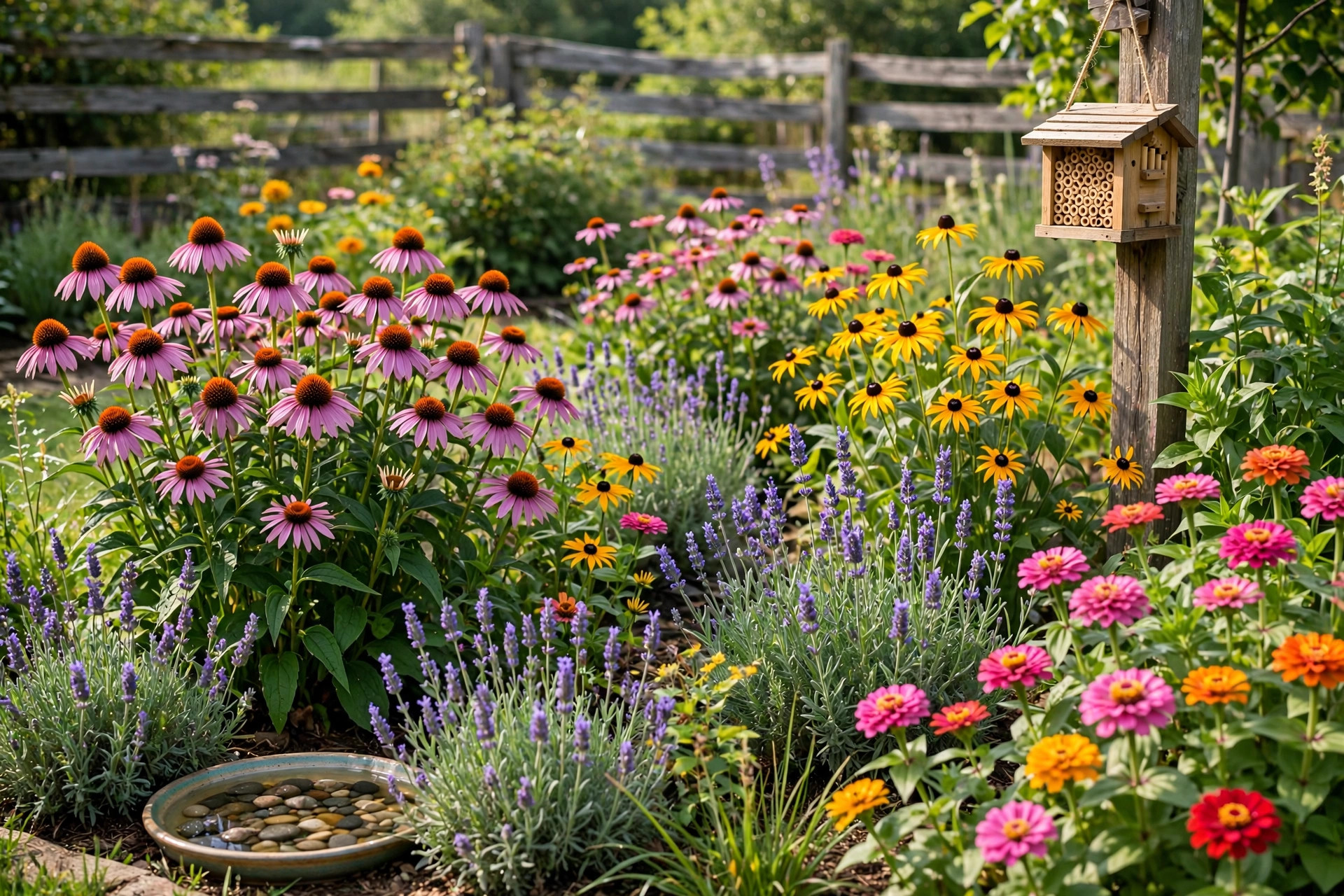
First, they need food through the whole season. Bees and butterflies feed on nectar and pollen. A garden that blooms only in July will leave them hungry in April and September. Plan your planting so something is always in flower from early spring to first frost. Early bulbs and flowering trees help in spring. Coneflowers, black-eyed Susans, and bee balm carry the summer. Asters and goldenrod close the fall.
Second, they need water. Bees drink water, especially on hot days. A shallow dish with pebbles works well. The pebbles give them a place to land so they do not drown. Change the water often to keep it clean. A birdbath with a sloped edge also serves. Butterflies like damp soil or wet sand, sometimes called a puddling spot.
Third, they need shelter. Many native bees nest in bare ground or in hollow stems. Leave a small patch of bare soil in a sunny corner. Do not mulch every inch of the yard. A simple bundle of hollow stems or a drilled block of untreated wood can serve as a bee house. Butterflies need shelter from wind and a sunny spot to warm their wings.
How to Choose Plants That Draw Pollinators
Not all flowers feed pollinators equally. Some modern hybrids were bred for showy petals but make little nectar. When you shop for plants, look for single flowers rather than double ones. A single flower has an open center where a bee can land and reach the nectar. Double flowers often hide the nectar under layers of petals.
Native plants are the best choice for most yards. They evolved beside local bees and butterflies. They need less water and less care than exotic plants. A nursery tag often says if a plant is native to your region. Ask the staff when you are unsure. Advice from a trusted site like The Spruce can help you match plants to your climate and soil.
Plant in groups, not in single lonely rows. Bees see a large patch of color from far away. A drift of ten coneflowers will draw far more visitors than one coneflower here and one there. Aim for clumps at least three feet across when you have the space.
Choose a mix of flower shapes. Flat, open flowers like daisies and zinnias suit butterflies and short-tongued bees. Tubular flowers like salvia and penstemon suit hummingbirds and long-tongued bees. This mix feeds the widest crowd.
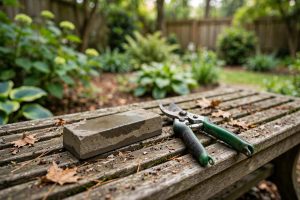
Good tools make planting easier. A sharp pair of best pruning shears for rose bushes helps you deadhead spent blooms, which keeps flowers coming. Guides from Fiskars and Corona Tools show which hand tools suit small planting jobs.
Types of Pollinator Gardens
You can build a pollinator garden in many forms. Pick the form that fits your space and your time.
The Flower Border
A flower border is a long bed along a fence, walk, or wall. It suits a classic yard. Plant tall flowers at the back and short ones at the front. Add a few ornamental grasses for texture. Borders take some digging to start, but they reward you for years.
The Meadow Patch
A meadow patch is a loose area of wildflowers and grasses. It needs little care once it starts. You sow a seed mix, mow once a year, and let nature do the rest. It suits a back corner of a larger yard. Meadow mixes are sold by seed houses such as Burpee, which also offers growing guides for beginners.
Container and Pot Gardens
Small spaces can still host pollinators. Pots on a patio or a balcony can hold lantana, zinnias, lavender, and herbs. Herbs are fine friends of bees: let some basil, thyme, and oregano flower instead of cutting them back. Even one large pot of blooming flowers will draw bees on a city street.
The Vegetable Garden With Flowers
Vegetable gardens gain the most from pollinators. Plant flowers right among the crops. Marigolds, nasturtiums, and sweet alyssum fit between rows. Sunflowers at the ends of rows draw bees that then visit the squash and cucumbers. This is companion planting at its simplest.
If you want to grow many of your own flowers from seed, a how to start seeds indoors guide will save money and widen your choices far beyond what the garden center sells.
Cost and Price of a Pollinator Garden
A pollinator garden can be cheap or dear, as you choose. A small start costs very little.
Seed packets are the cheapest route. A packet of wildflower seed costs a few dollars and can cover a large patch. Young plants in nursery pots cost more, often a few dollars each, but they bloom sooner. A full border of twenty plants might cost fifty to one hundred dollars, plus soil and mulch.
Tools are a one-time cost. You need a spade, a trowel, and a watering can or hose to begin. A basic set of hand tools lasts for many years. Reviews at Consumer Reports can help you compare quality before you buy. Stores like Home Depot and Lowe’s stock both plants and tools in one trip.
Water is the main running cost. Native plants need less water once their roots grow deep. Mulch holds moisture in the soil and cuts the water bill. A rain barrel under a downspout gives you free water for dry weeks.
The hidden savings matter too. A garden that feeds pollinators needs fewer sprays and less fertilizer. Healthy soil and helpful insects do much of the work for free. Over a few seasons, the garden nearly pays for itself in lower costs and larger harvests.
Care and Upkeep Through the Seasons
A pollinator garden asks for steady, gentle care rather than hard labor. The habits below keep it thriving.
Spring is for planting and cleaning. Cut back last year’s dead stems, but do it late. Many native bees sleep through winter inside hollow stems. Wait until daytime temperatures hold above fifty degrees before you clear the beds. Then plant new flowers and refresh the mulch.
Summer is for watering and deadheading. Water deeply but not every day. Deep watering grows deep roots. Remove spent blooms to push the plant to make more flowers. Watch for pests, but reach for the spray bottle last. Most pest problems pass on their own when helpful insects are near.
Fall is for planting and leaving things be. Fall is a fine time to plant perennials; the cool air lets roots settle before winter. Leave seed heads standing. Goldfinches eat coneflower seeds, and bees shelter in the dry stems. A tidy fall garden is a hungry winter garden.
Winter is for planning. Order seed catalogs. Sketch next year’s beds. Clean and oil your tools so they are ready in spring. Keep tools in good order with the help of a garden tool storage ideas for shed plan, and your spring work will go twice as fast. Sites like Bob Vila and Family Handyman publish seasonal checklists that help you stay on track.
Leave some mess on purpose. A perfect, spotless garden is a poor home for wildlife. Fallen leaves shelter butterfly chrysalises. A small brush pile in a back corner houses toads and beetles that eat slugs. Nature likes edges and untidy corners.
Safety for People, Pets, and Pollinators
Safety in a pollinator garden works in two directions: keeping the pollinators safe, and keeping your household safe around them.
The most important rule is to avoid pesticides. Most insect sprays kill bees and butterflies as surely as they kill pests. This includes sprays labeled “natural,” which can still harm bees on contact. If you must treat a plant, do it in the evening when bees have gone home, and never spray an open bloom. Better yet, pick pests off by hand or wash them away with a strong jet of water.
Read every product label. Some plants sold at stores were treated with systemic chemicals before sale. These chemicals stay inside the plant and can poison the nectar. Ask the nursery whether their plants are grown without such treatments. Gardener’s Supply Company and similar retailers often note their growing practices.
Bees around the garden are rarely a danger. Honeybees and native bees sting only when trapped or stepped on. Teach children to watch bees calmly and not to swat at them. Keep hives and bee houses away from play areas and walkways. Anyone with a known bee allergy should keep medicine close and tell the household where it is.
Water features need care too. Keep dishes shallow so small children and pets stay safe. Change standing water often so mosquitoes do not breed. A small solar fountain that keeps water moving stops mosquitoes and still serves the bees.
Frequently Asked Questions
How long does it take to attract pollinators to a garden?
You may see the first bees within days of your first blooms. Butterflies often arrive in the first season. A full community builds over two to three years as plants mature and word spreads, so to speak, through the insect world. Be patient in year one.
What is the single best flower for bees?
No single flower wins every contest, but a few stand out. Lavender, coneflower, bee balm, and sunflowers draw crowds in most regions. Native wildflowers matched to your area will always beat a generic favorite. Plant several kinds and watch which ones the bees choose.
Can I attract pollinators without a yard?
Yes. Pots, window boxes, and balcony planters all work. A sunny railing with three or four pots of blooming flowers will feed bees in a city. Herbs in kitchen pots, allowed to flower, count too. Even a small water dish on a balcony helps.
Will a pollinator garden bring wasps and stings?
Wasps visit flowers, but they are hunters first and rarely bother people. Most native bees cannot sting or will not. Keep sweet drinks and uncovered food away from seating areas, give the garden its own corner, and stings stay rare.
Should I buy a bee house or build one?
Both work. A bought bee house is quick and tidy. A homemade one from drilled untreated wood or bundled hollow stems costs almost nothing. Hang it facing south or southeast, out of heavy rain, about three to six feet off the ground. Clean or replace it each year to stop disease.
Do I need to water a pollinator garden every day?
No. Most pollinator plants prefer deep, occasional watering over daily sprinkles. Water new plants often for the first month. After that, water when the top inch of soil feels dry. Mulch and native plants cut the need further.
A Final Word
Learning how to attract pollinators to garden beds is one of the kindest projects a homeowner can take on. It costs little, it asks for simple habits, and it pays back in fruit, flowers, and quiet summer music. Start small if you must: one bed, a few pots, a dish of water with pebbles. Plant for the whole season, skip the sprays, and leave a little wildness at the edges. The bees will find you. They always do.
References
Bob Vila. (n.d.). Home improvement advice. https://www.bobvila.com Burpee. (n.d.). Seeds, plants, and gardening supplies. https://www.burpee.com Consumer Reports. (n.d.). Product reviews and ratings. https://www.consumerreports.org Corona Tools. (n.d.). Garden and landscape tools. https://www.corona-tools.com Family Handyman. (n.d.). DIY home repair and maintenance. https://www.familyhandyman.com Fiskars. (n.d.). Garden and cutting tools. https://www.fiskars.com Gardener’s Supply Company. (n.d.). Gardening tools and supplies. https://www.gardeners.com Lowe’s. (n.d.). Home improvement products. https://www.lowes.com The Home Depot. (n.d.). Home improvement products. https://www.homedepot.com The Spruce. (n.d.). Home and garden advice. https://www.thespruce.com
Was this guide helpful?

About David Wilson
The My Garden US editorial team writes practical, in-depth home and garden guides for American homeowners — tested advice, no fluff.
You May Also Like
Best Garden Hoe for Weeding Reviews
April 13, 2026 0 views
The Best Garden Dibber for Seed Planting: A Practical Guide
February 13, 2026 0 views
Best Garden Cart for Seniors Reviews: How to Pick the Right Cart
August 28, 2026 0 views