
A flooded basement is one of the worst surprises a homeowner can face. Water ruins floors, walls, and furniture in a single storm. A sump pump stands guard against that damage, but the pump alone is not enough. If the pump fails while you are asleep or away, nobody knows until the damage is done. That is why the best smart sump pump alarm reviews usa shoppers read all point to the same advice: add a smart alarm to your sump pit. This guide walks through what these alarms do, how to choose one, what they cost, and how to keep them working for years.
Why a Sump Pump Alarm Matters
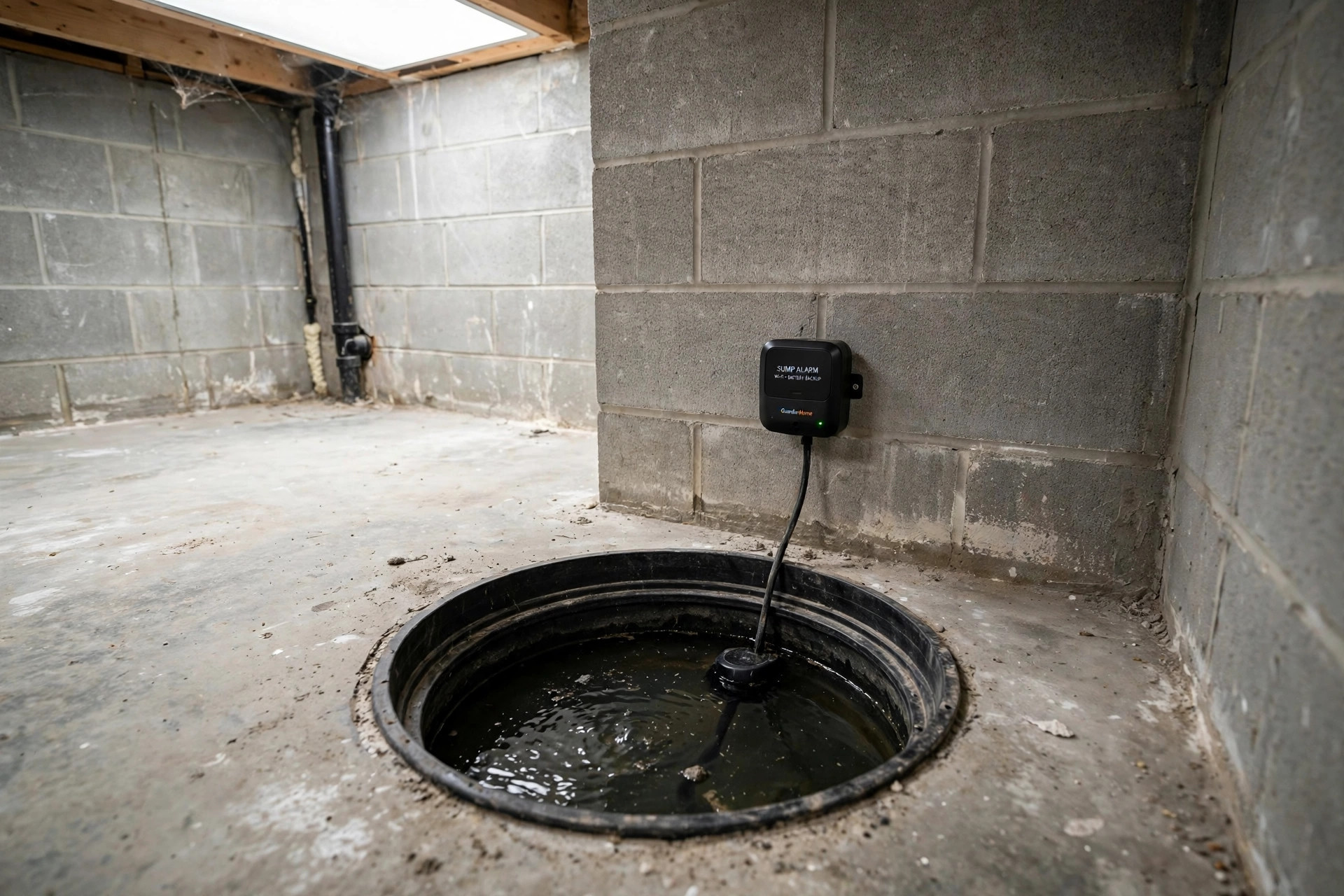
A sump pump sits in a pit in the lowest part of the basement or crawl space. It pushes water out of the pit and away from the house. Pumps wear out. Floats stick. Power goes out. A basic pump gives no warning when any of this happens. A smart sump pump alarm closes that gap. It watches the water level and the pump itself, and it sends an alert to your phone the moment something goes wrong.
Reviews from American homeowners stress one fact over and over. Most sump pump failures are silent. The pit fills slowly over hours, and by the time anyone looks, water is already on the floor. A smart alarm turns that silent failure into a loud, fast warning. Many owners say the alarm paid for itself with the first alert.
What to Look for When You Choose: Best Smart Sump Pump Alarm Reviews Usa
Reading the best smart sump pump alarm reviews usa listings shows that not all alarms do the same job. Keep these points in mind when you compare models.
Alert types. The best alarms send alerts in several ways. Look for phone push alerts, text messages, and email. A loud sound siren on the unit itself is also worth having. If your phone is on silent at night, a siren in the basement may still wake no one, so remote alerts matter most.
Connectivity. Most smart alarms use WiFi. Check that your basement gets a strong signal where the pit is. Some models use a cellular link instead, which costs a yearly fee but works even when home internet is down. A few alarms pair with a home hub or security system. Pick the type that fits your home network.
Power backup. An alarm is most needed when the power is out. Many models run on batteries or have a battery backup. Check how long the backup lasts. A battery that holds for only a few hours may not cover a long outage.
Sensors. Simple alarms use a float switch that trips when water rises. Better models add a probe or pressure sensor that reads the actual water level. Some also watch pump vibration or power draw to tell you the pump tried to run and failed. More sensors mean earlier and clearer warnings.
App quality. Read reviews of the companion app, not just the hardware. A fine sensor with a weak app will miss alerts. Look for an app with clear alert history, adjustable high and low water marks, and simple setup steps. Technology reviews on PCMag often judge connected home products on real home use, which is the view that matters here.
Weather and freeze protection. Some alarms watch temperature in the pit area. In cold states, a discharge line can freeze and block the pump. A freeze alert gives you time to act.
Types and Options
Smart sump pump alarms come in a few basic forms. Each suits a different home and budget.
WiFi float alarms. These are the simplest smart models. A float sits on the water in the pit. When water lifts the float past a set point, the unit sounds a siren and sends a phone alert through your WiFi. They cost the least and install in minutes. They are a good first step for any sump pit.
Sensor probe systems. These use a probe or pressure sensor instead of a float. They read the water level in inches and report it to an app. You can set your own high and low marks. They give richer data than a float, and the probe will not stick the way a float arm sometimes does. They cost more but reviews rate them as more reliable.
Pump monitors. These watch the pump itself, not just the water. They track each pump cycle, how long the pump runs, and how much power it draws. If the pump runs but water keeps rising, the monitor knows the pump is weak or blocked. Some models also track battery backup pumps and chargers. They are the top choice for homes that flood often or sit on high water tables.
Cellular alert systems. These skip WiFi and send alerts over a cell signal. They keep working if your router dies or your internet goes out in a storm. The trade off is a monthly or yearly plan fee. Homeowners in storm heavy states often find the fee worth it. Home safety guidance from Ring notes that alerts are only as good as the link that carries them, so a backup path has real value.
Whole home security tie ins. Some alarms join a larger home security setup. The sump alert shows up next to door and motion alerts in one app. This works well if you already run a security system. Monitoring options from ADT style services can fold water alerts into professional watch, though basic self monitored alarms serve most homes fine.
When you compare, think about your own pit. A deep pit with a long discharge run does better with a probe system. A shallow pit with a good pump may only need a WiFi float alarm. Homes with frequent power cuts gain the most from battery backup and cellular links.
Cost and Price
Smart sump pump alarms are cheap insurance compared to flood repair. Most units sell between about twenty five dollars and one hundred fifty dollars. Simple WiFi float alarms sit at the low end. Probe systems and pump monitors sit in the middle. Cellular systems sit at the top because of the plan fee.
Yearly fees add up. WiFi models usually charge nothing after the purchase. Some offer an optional paid tier for longer alert history or extra phone numbers. Cellular models charge around ten to twenty dollars a month or a lower yearly rate. Read the plan terms before you buy so you know the real long term cost.
Installation costs almost nothing. Most alarms are do it yourself jobs. You mount the unit, drop the float or probe in the pit, plug it in, and pair it with the app. It takes fifteen to thirty minutes. A plumber or handyman can do it in one short visit if you prefer, but the design is made for homeowners.
Compare that to the cost of a flood. A single inch of water can cause several thousand dollars in damage. A ruined finished basement can cost tens of thousands. Against those numbers, even a one hundred fifty dollar alarm with a yearly plan is a small price. The best smart sump pump alarm reviews usa buyers leave often make this exact point.
Care and Upkeep
A smart alarm needs only light care, but it does need some. Add these checks to your home routine twice a year, once in spring and once in fall.
First, test the alert. Lift the float or pull the probe and check that your phone gets the alert and the siren sounds. If the alert is slow or never comes, check the WiFi signal and the app settings before you assume the unit is bad.
Second, change batteries. Many alarms use a backup battery or run on batteries alone. Swap them on a schedule even if the app says they are fine. Old batteries are the most common reason an alarm stays silent during a real event.
Third, clean the pit. Dirt and grit build up around floats and probes. Lift them out and wipe them clean. Check that the float arm moves freely. While you are down there, pour a few gallons of water in the pit and watch the pump run.
Fourth, check the discharge line. Make sure water flows freely out of the line and away from the house. Clear leaves and ice from the outside end. A blocked line makes the pump run without draining the pit, and that is exactly the failure your alarm should catch.
Fifth, keep the app updated. App makers fix bugs and add features through updates. An old app version may drop alerts or lose its link to the unit. Turn on automatic updates on your phone so you never miss one.
If your alarm joins a wider smart home, test that path too. Guides from SimpliSafe style home systems remind owners to test every sensor after any hub or router change. A new router password can break a WiFi alarm’s link without any warning on the unit itself.
Safety
A sump pump alarm deals with water and power in the same small pit. That mix calls for care. Never reach into a pit with wet hands while the pump is plugged in. Unplug the pump before you touch anything in or near the pit. Wear rubber soled shoes and use a dry cloth when you handle the alarm unit.
Place the alarm unit where it stays dry. Most units are made to sit on the pit cover or mount on a wall above the pit. Do not let the unit sit in standing water. Check the maker’s rating for water resistance before you set it down.
Keep cords neat. A loose power cord can slip into the pit and short out. Route cords up and away from the water, and use clips to hold them in place.
Product safety rules in the United States cover electrical home devices. Safety standards published by the CPSC give useful background on how home electrical products should behave. Buy alarms from known makers and look for standard safety marks on the box. A very cheap unit with no brand name is not worth the risk in a wet basement.
Finally, an alarm does not stop water. It warns you. Keep a plan ready for what you will do when an alert comes. Know where your backup pump, shop vacuum, and towels are. Know how to shut off power to the basement if water reaches the outlets. The alert buys you time. The plan is what saves the house.
Smart Alarms in the Larger Smart Home
A sump pump alarm works best as part of a full smart home setup. Pair it with a smart water shut off valve and leak sensors under sinks and near the water heater. Then one app can tell you about water trouble anywhere in the house. Smart home coverage from CNET often ranks whole home water protection as one of the most useful smart home upgrades, and sump alarms are a core piece of it.
Voice helpers add ease too. Connected home pages from the Google Store show how alerts can reach speakers and displays around the house, so a basement alarm can speak up in the kitchen. News on smart home tech from The Verge tracks how these devices keep getting simpler to set up.
Shoppers who build a full system often compare notes across devices. Reviews of the best video doorbell without subscription usa, the best outdoor security camera without wifi subscription, and the best poe security camera system reviews usa help buyers pick one brand family or mix devices that all report to the same phone.
FAQ
How much water should be in my sump pit before the alarm trips? Set the high water mark a few inches above the level where the pump normally starts. That way the pump gets first chance to do its job, and the alarm only sounds when water climbs past normal. Most apps let you adjust the mark in one inch steps.
Will a smart sump pump alarm work during a power outage? Only if it has battery backup. WiFi models also need a router with backup power, since the alert must travel through your home network. Cellular models keep sending alerts as long as their battery holds.
Can I install a smart sump pump alarm myself? Yes, in most cases. The job needs no plumbing and no wiring. You mount the unit, place the float or probe, plug it in, and pair the app. If your pit cover is sealed or the pit is hard to reach, a handyman can finish it in under an hour.
Do smart sump pump alarms need a monthly fee? WiFi models usually do not. Cellular models do, and the fee runs about ten to twenty dollars a month or less on a yearly plan. Some brands sell an optional paid app tier with longer history. Read the terms so you know the true cost before you buy.
How often should I test my sump pump alarm? Test it twice a year, in spring before storm season and in fall before winter. Lift the float or probe and confirm that the phone alert and the siren both fire. Replace the batteries at the same time.
What is the difference between a smart alarm and a pump monitor? A smart alarm watches water level and sounds an alert when water gets too high. A pump monitor goes further and tracks the pump itself, including cycles, run time, and power draw. Monitors cost more but catch a weak pump before it fails. Many homes start with an alarm and add a monitor later. Independent product testing from Consumer Reports is a steady reference for how connected home devices hold up over time.
A Short Final Word
The best smart sump pump alarm reviews usa homeowners write all share one theme. Nobody regrets buying one. The alarm is small, cheap, and simple, yet it guards against one of the costliest home disasters there is. Pick a model with the alerts, power backup, and sensors that fit your home. Test it twice a year. Keep spare batteries on hand. With those habits, your sump pump will never fail in silence again.
References
ADT. (n.d.). Home security and automation. https://www.adt.com CNET. (n.d.). Technology news and reviews. https://www.cnet.com Consumer Reports. (n.d.). Product reviews and ratings. https://www.consumerreports.org Google Store. (n.d.). Smart home devices. https://store.google.com PCMag. (n.d.). Technology product reviews. https://www.pcmag.com Ring. (n.d.). Smart home security devices. https://www.ring.com SimpliSafe. (n.d.). Home security systems. https://www.simplisafe.com The Verge. (n.d.). Technology news and reviews. https://www.theverge.com U.S. Consumer Product Safety Commission. (n.d.). Product safety information. https://www.cpsc.gov
Was this guide helpful?

About Lisa Anderson
The My Garden US editorial team writes practical, in-depth home and garden guides for American homeowners — tested advice, no fluff.
You May Also Like
Best Smart Garage Door Opener Reviews USA
September 24, 2026 0 views
Best PoE Security Camera System Reviews USA: What Homeowners Should Know Before They Buy
August 22, 2026 0 views
Best Home Safe for Documents Reviews USA
February 5, 2026 0 views