
Introduction
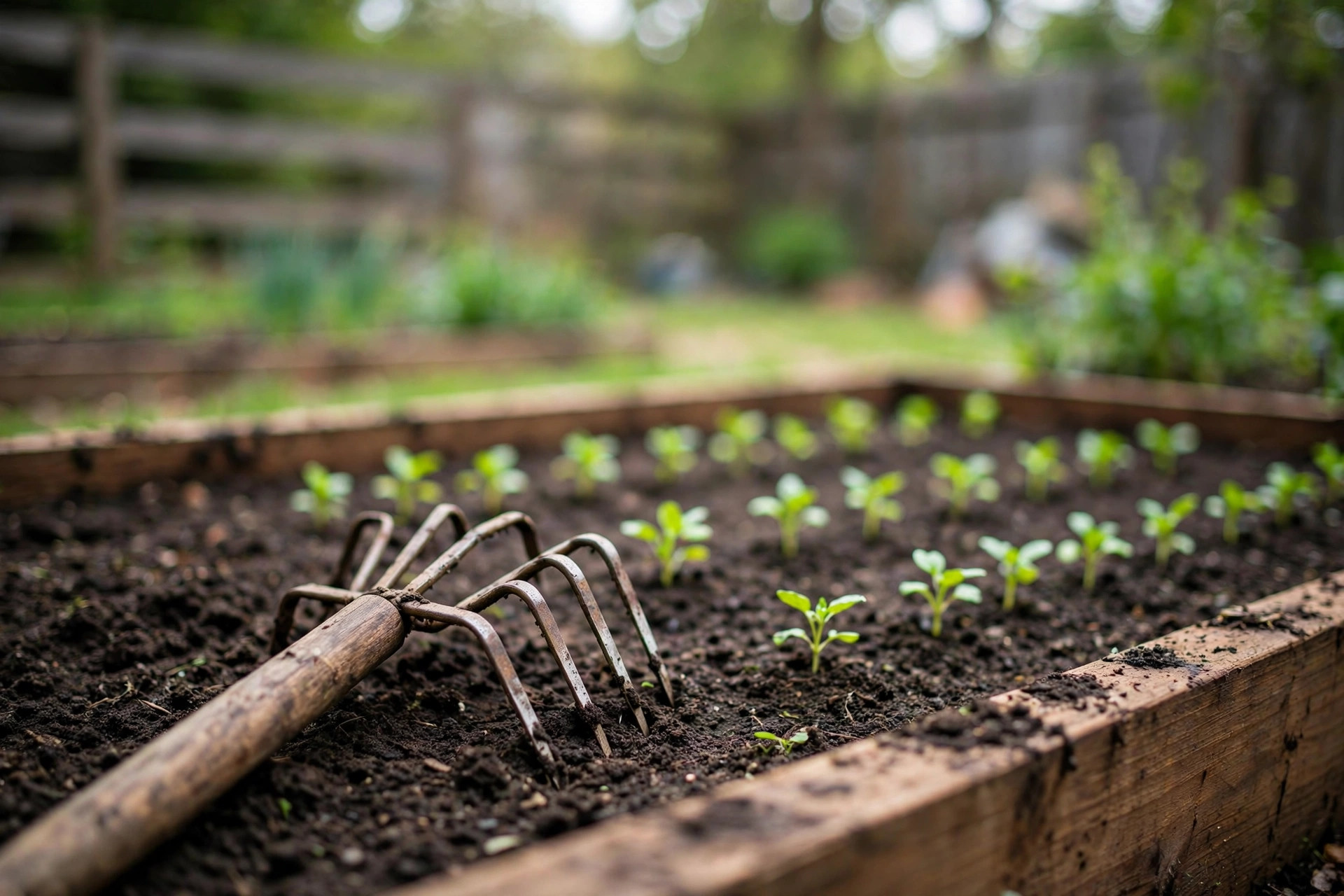
The best garden hand rake for small beds is a tool that fits in your hand and does the work of a full-size rake in a small space. It smooths soil. It breaks up lumps. It clears small stones and old leaves from between plants. Every gardener with a raised bed, a container garden, or a narrow border needs one.
Small beds need small tools. A long-handled rake is too wide and too heavy for a bed that is only two or three feet across. It knocks over plants. It digs too deep. A hand rake gives you control. You work close to the soil. You see what you are doing. Your hand guides each stroke.
This guide explains what to look for when you shop for the best garden hand rake for small beds. It covers types, materials, and prices. It covers care and safety. It answers common questions. By the end, you will know how to pick a hand rake that lasts for years.
Why a Hand Rake Matters in a Small Bed: Best Garden Hand Rake for Small Beds
Small beds reward gentle tools. The plants sit close together. The roots are shallow. The soil is loose because you worked it by hand. A heavy tool disturbs this balance. A hand rake keeps it.
A hand rake loosens only the top inch of soil. This top layer dries out first. It forms a crust that stops water from sinking in. A light pass with the tines breaks the crust. Water then soaks down to the roots. The plants grow stronger.
A hand rake also removes weeds when they are small. Young weeds pull out with little effort. The tines catch them at the base. You clear a row in minutes. If you wait, the weeds grow deep roots. Then you need a garden trowel for planting or a full digging session.
Good soil health is another reason. Soil needs air. Roots breathe. Tiny insects and worms move through the gaps. A hand rake fluffs the surface without turning the deep layers. Deep turning can harm worms and useful fungi. The hand rake works on the surface only. That is what a small bed needs.
What to Look for When You Buy
Tines
The tines are the teeth of the rake. Count them. A hand rake has between five and eleven tines. Fewer tines move soil with less effort. More tines catch small bits of trash and fallen leaves.
Shape matters too. Flat tines level the soil. They push soil into low spots. Round tines dig a little. They break clods and mix in fertilizer or compost. For a small bed, a mix works best. You want tines that both level and loosen.
Stiffness matters. Soft tines bend around plant stems. They do not harm the plants. Stiff tines scrape harder. They work well on packed soil but can hurt tender roots. For a planted bed, choose tines with some give.
Head Width
The head of a hand rake is usually three to six inches wide. A narrow head fits between rows. It reaches into tight corners. A wide head covers ground faster. For a small bed, a head of four to five inches is a good middle choice. It moves soil quickly but still fits around plants.
Handle Material
The handle is what you grip. Wood feels warm and natural. Ash and hickory are strong woods. They absorb shock. They can crack if left out in rain. A coat of oil each year keeps wood handles in good shape.
Metal handles are light and strong. Aluminum does not rust. Steel is heavier but very tough. Some handles have a rubber or plastic grip. The grip stops blisters. It also gives you control when your hands are wet.
Plastic handles are cheap and light. They do not rust or rot. Cheap plastic can snap under pressure. Look for thick, solid plastic. If the handle feels flimsy in the store, it will break in the garden.
Handle Length
Hand rakes come in short and long forms. A short handle of about twelve inches puts your hand near the soil. You get fine control. A longer handle, around eighteen inches, lets you work a whole bed without kneeling. Both work. Many gardeners own both.
Joint Strength
Check where the head meets the handle. This joint takes the most stress. A solid weld or a strong rivet lasts. A weak joint bends. Try the tool before you buy. Press the head against a hard surface. If it flexes too much, choose another.
Types of Garden Hand Rakes
The Flat-Head Rake
The flat-head rake has a straight row of tines. It levels soil. It moves mulch. It is the classic shape. Most small-bed work calls for this type. It is simple and strong. Many reviews on sites like The Spruce praise this design for daily garden chores.
The Bow Rake
A bow rake has a curved frame behind the tines. The curve adds strength. Bow rakes break up harder soil. They are heavier than flat-head rakes. In a small bed with soft soil, the extra weight is not needed. Save the bow rake for new beds where the ground is still firm.
The Three-Prong Cultivator
This tool has three thick tines. It is a cross between a rake and a hoe. It digs deeper than a flat rake. It loosens packed soil and mixes in compost. It is useful in a small bed in spring, when you prepare the soil. It is less good for fine leveling.
The Adjustable Rake
Some hand rakes adjust their tine width. You open them wide for clearing leaves. You narrow them for work between plants. One tool does two jobs. The moving parts can wear out. Check the locking part. It should hold firm under pressure.
The Ergonomic Rake
Ergonomic rakes have bent or padded handles. They keep your wrist straight. They reduce strain. Gardeners with arthritis or sore hands like this type. They cost a little more. The comfort is worth it if your hands tire quickly.
Cost and Price
Hand rakes cost less than most garden tools. A basic plastic model costs five to eight dollars. It will work for a season or two. A steel rake with a wooden handle costs ten to eighteen dollars. This is the best value for most gardeners. It lasts for years.
Premium rakes cost twenty to forty dollars. They use forged steel. The handles are fine hardwood. The joints are welded. They feel balanced in the hand. If you garden every day, a premium rake is a good buy.
Compare prices at stores like Home Depot and Lowe’s before you buy. Prices change with the season. Spring sales often bring good deals. Read independent tests on Consumer Reports to see which models hold up over time.
Think about cost per year. A five-dollar rake that breaks in one year costs five dollars per year. A twenty-dollar rake that lasts ten years costs two dollars per year. The better tool is cheaper in the long run.
Care and Upkeep
Clean your rake after each use. Knock off the soil. Wipe the tines with a dry cloth. Soil left on steel holds water. Water causes rust. Rust weakens the tines. A few seconds of cleaning adds years to the tool.
Sharpen the tines when they grow dull. A file works well. Follow the original angle of each tine. Sharp tines cut through soil with less effort. Guides on how to keep garden tools sharp can help you learn the right method. You need to sharpen only once or twice a season.
Oil wooden handles once a year. Use linseed oil or a garden tool oil. Rub it in with a cloth. The oil feeds the wood. It stops cracks. It keeps the handle smooth.
Oil metal parts too. A light coat of oil on the head stops rust. Wipe off the extra oil before you use the rake. You do not want oil in your planting soil.
Store the rake indoors. Hang it on a wall hook. A shed or garage works well. Tools left outside rust fast. The sun also breaks down plastic handles. Good storage is the cheapest form of care.
Check the joint each spring. Tighten any loose screws or rivets. Replace a rake when the tines bend and will not straighten. A broken tool is not safe to use.
Safety Tips
Garden tools are safe when you use them well. Keep these points in mind.
Wear gloves. Gloves stop blisters. They protect against sharp tines. A good pair of garden gloves for thorn protection works for rake work too. Choose gloves that fit well. Loose gloves catch on the handle.
Watch where the tines point. Never rake toward your body. Work away from your feet. Keep children and pets away from the bed while you work.
Check for hidden objects before you rake. Small glass, wire, or sharp stones can hide in the soil. Pull them out by hand first. A tine can throw a sharp object if you rake too hard.
Do not force the rake. If the soil is too hard, water it first. Let the water soak in. Then rake. Forcing a tool bends the tines. It can also hurt your wrist.
Store the rake with the tines down or covered. A rake lying face up in the grass is a hazard. Step on the tines and the handle flies up. This old danger is real. Hang the tool up when you are done.
Frequently Asked Questions
What size hand rake is best for a small raised bed?
A head four to five inches wide is best. It fits between plant rows. It moves enough soil to be useful. A handle of twelve to fifteen inches gives good control. If your bed is very deep, a longer handle saves your back.
Can a hand rake replace a full-size rake?
For a small bed, yes. For a lawn or a large plot, no. A hand rake covers a small area. A full-size rake clears leaves across a yard. Match the tool to the job. A small bed is the perfect job for a hand rake.
How often should I sharpen the tines?
Once or twice a year is enough. Most home gardeners rake soft soil. The tines wear slowly. If you rake rocky ground, sharpen more often. A quick pass with a file takes five minutes.
Is a metal or wood handle better?
Both work. Wood feels comfortable and absorbs shock. Metal lasts longer in wet weather. If you store tools indoors, wood is fine. If you forget tools outside, choose metal. A rubber grip helps with both types.
What is the difference between a hand rake and a hand cultivator?
A hand rake has a row of tines like a tiny garden rake. A hand cultivator has three thick claws. The rake levels and smooths. The cultivator digs and loosens. Many gardeners own both. They do different jobs. Makers like Corona Tools and Fiskars sell both types, and garden guides at Bob Vila and Family Handyman explain the uses of each.
Should I buy a cheap rake or an expensive one?
Buy the best you can afford. A mid-priced steel rake is enough for most gardeners. Cheap plastic rakes break under hard soil. You then buy another one. One good rake costs less than three cheap ones over time. Garden supply shops like Gardener’s Supply and seed houses like Burpee often carry sturdy mid-range models worth a look.
A Short Final Word
The best garden hand rake for small beds is not the most expensive one. It is the one that fits your hand, your soil, and your bed. Choose the right width. Choose a strong joint. Pick a handle that feels good. Care for it with cleaning and oil. It will serve you for many seasons. Good tools make good gardens. A small hand rake is one of the best tools a gardener can own.
References
Bob Vila. (n.d.). Home improvement advice. https://www.bobvila.com Burpee. (n.d.). Seeds, plants, and gardening supplies. https://www.burpee.com Consumer Reports. (n.d.). Product reviews and ratings. https://www.consumerreports.org Corona Tools. (n.d.). Garden and landscape tools. https://www.corona-tools.com Family Handyman. (n.d.). DIY home repair and maintenance. https://www.familyhandyman.com Fiskars. (n.d.). Garden and cutting tools. https://www.fiskars.com Gardener’s Supply Company. (n.d.). Gardening tools and supplies. https://www.gardeners.com Lowe’s. (n.d.). Home improvement products. https://www.lowes.com The Home Depot. (n.d.). Home improvement products. https://www.homedepot.com The Spruce. (n.d.). Home and garden advice. https://www.thespruce.com
Was this guide helpful?

About David Wilson
The My Garden US editorial team writes practical, in-depth home and garden guides for American homeowners — tested advice, no fluff.
You May Also Like
Best Garden Thermometer for Soil Reviews: A Plain Guide for American Gardeners
January 5, 2026 0 views
How to Test Soil Drainage at Home
August 25, 2026 0 views
Best Garden Bench for Backyard Reviews
March 9, 2026 0 views