A clean home should mean clean air. Many shoppers now look for eco friendly hepa vacuum cleaners with free shipping because they want both: a machine that traps dust deep inside, and a purchase that does not cost extra to deliver. A good vacuum can remove pet hair, crumbs, pollen, and fine dust from rugs and hard floors. But an ordinary vacuum can also blow tiny particles back out through its exhaust. That is where HEPA filtration matters. A true HEPA filter catches at least 99.97 percent of particles that are 0.3 microns wide, which covers most dust, pollen, and pet dander. When the whole machine is sealed, those particles stay locked inside the bin.
Eco friendly design adds one more layer. A green vacuum uses less power, skips disposable bags, and lasts for many years. Fewer bags in the trash means less waste. A washable filter means fewer replacements. A sturdy motor means you buy once instead of every few years. Free shipping makes the deal easier still. Delivery can be costly for a heavy machine, so a seller who ships it free removes a real barrier. This guide walks through why these machines matter, what to look for, the main types, what they cost, and how to keep one running well.
Why It Matters
Dust is not just dust. House dust often holds pollen, pet dander, mold spores, and bits of fabric from furniture and clothing. For most people this is only a mild nuisance. For people with allergies or asthma, it can mean sneezing, itchy eyes, and tight chests. Indoor air can hold more dust than outdoor air, because the same air moves through the rooms again and again. A vacuum with sealed HEPA filtration helps break that cycle. It pulls dirt in and keeps the fine stuff trapped.
Health guides point out that cleaner indoor air starts with steady cleaning habits. The indoor air quality guidance from the EPA notes that dust control is one of the simplest steps a household can take. A HEPA vacuum is a practical tool for that step. It is not a cure for allergies, but it lowers the amount of trigger particles in carpets and rugs.
There is also the matter of waste. Paper vacuum bags fill up fast in a busy home, and each one goes to the trash. Bagless machines skip that waste. Washable filters cut waste too. A machine built to last avoids the cycle of buying a cheap vacuum, watching it fail, and sending it to a landfill. When a seller offers independent vacuum ratings from Consumer Reports, you can check which models last longest before you buy.
Energy use counts as well. Many newer HEPA vacuums run on lower wattage yet still clean well. They use better airflow and brush design instead of brute force. Over the life of the machine, a lower-watt motor costs less to run and places less load on the home. Home energy guidance from the Department of Energy encourages shoppers to weigh long-term energy use, not just the price on the box.
What to Look for When You Choose One: Eco Friendly Hepa Vacuum Cleaners with Free Shipping
A True, Sealed HEPA System
The words on the box matter. “True HEPA” or “sealed HEPA” means the filter meets the standard and the machine body is gasketed so air cannot leak around it. “HEPA-style” or “HEPA-like” is not the same. Those terms can mean the filter looks like a HEPA filter but does not meet the standard. Ask for the full phrase before you buy. A sealed system keeps the exhaust clean.
Bagless and Low Waste
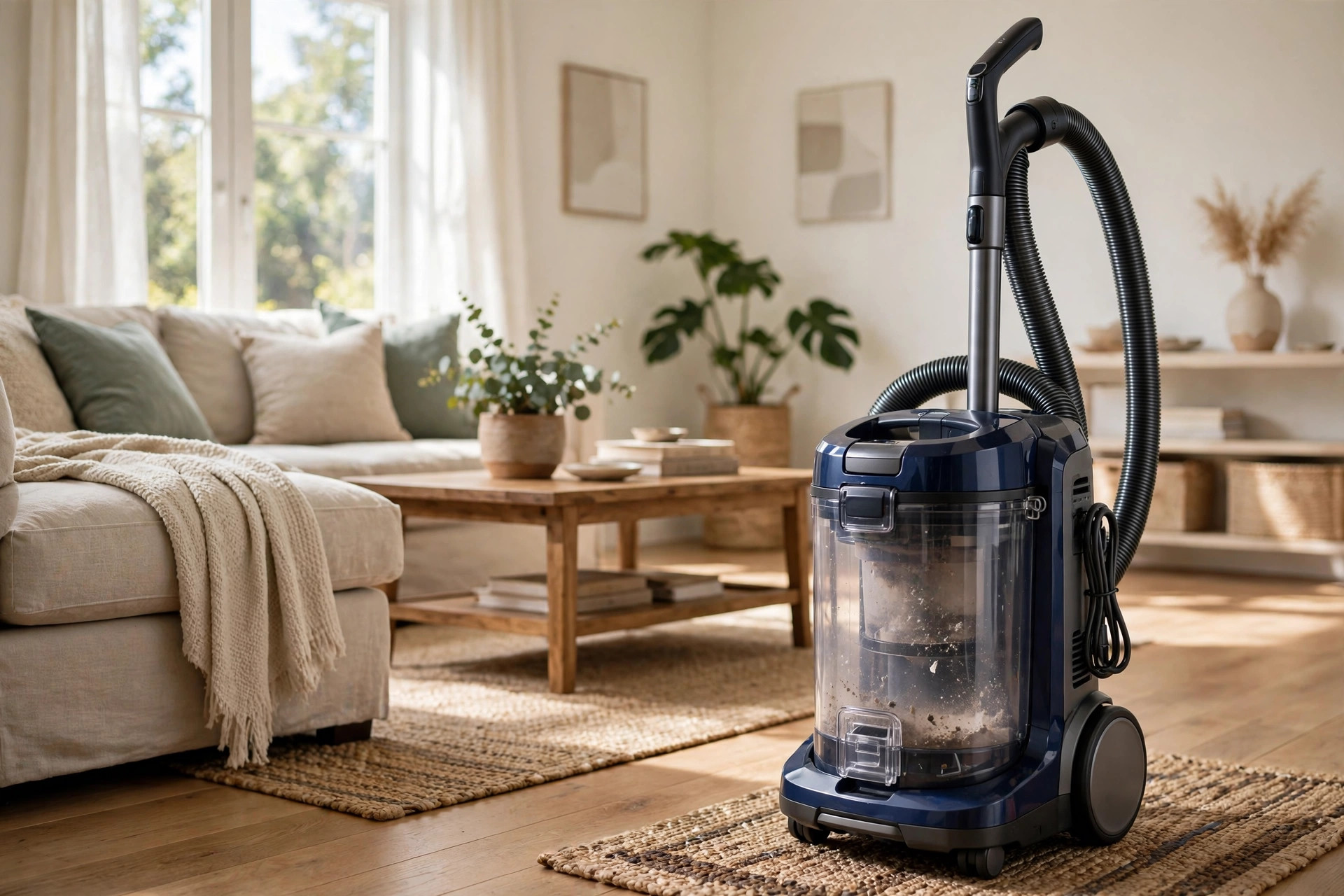
Look for a clear dust bin that empties with one button press. The best bins empty from the bottom so dust falls straight into the trash can. Check that the filters are washable. Most machines have a pre-filter and a main HEPA filter. If both wash and dry well, you may go years without buying parts. That saves money and keeps packaging waste low.
Suction, Brushes, and Floor Types
Suction alone does not clean a carpet. The brush roll matters just as much. A motorized brush lifts pet hair and ground-in dirt from rugs. A soft roller suits hard floors, because it picks up fine dust without scratching wood. Many machines let you switch the brush off for bare floors. If your home has both carpet and wood, look for a model with adjustable heads or more than one cleaning mode.
Weight, Noise, and Cord
A heavy upright can wear you out on stairs. A light stick vacuum suits quick daily cleans. Noise matters too, especially in apartments or homes with small children. Decibel ratings are usually printed in the specs. Anything near 70 decibels is quiet enough for most homes. A long cord, or a cordless model with a strong battery, cuts down on plug changes. Home cleaning guidance from BobVila.com often reminds readers to test weight and reach before settling on a model.
Types of Eco Friendly HEPA Vacuum Cleaners
Upright Vacuums
Uprights are the classic choice for wall-to-wall carpet. They stand on their own, carry a wide brush head, and usually hold a large dust bin. Many now carry sealed HEPA systems and washable filters. Their drawback is weight. A full-size upright can weigh 15 pounds or more, which makes stairs hard. For a home with mostly carpet, though, few machines beat an upright for deep cleaning.
Canister Vacuums
Canister models split the machine in two: a body that rolls behind you and a wand you hold. They are lighter in the hand and reach under beds and furniture with ease. Many canisters are quiet and strong, and they suit homes with hard floors plus area rugs. The separate body takes up more storage space, but the flexibility is worth it for many buyers.
Stick and Cordless Vacuums
Stick vacuums are slim and light. Many run on rechargeable batteries, so no cord drags behind you. Battery life is the main limit. Most run 20 to 45 minutes on a charge, which suits daily touch-ups more than whole-house deep cleans. Newer models use stronger cells and better motors, so they compete well with corded machines. A stick vacuum with a sealed HEPA filter is a strong pick for a small home or apartment.
Robot Vacuums
A robot vacuum cleans on a schedule while you do other things. It is not as strong as a full-size machine, but it keeps dust down between deep cleans. Some models now carry HEPA-grade filters and empty themselves into a base. The self-empty base adds waste in the form of bags, so check that detail if low waste is your goal. Cleaning experts at The Spruce note that robots work best as helpers, not replacements for a main vacuum.
Wet and Dry Shop Vacuums
Some homes need heavier cleanup. A garage, a workshop, or a home with a wood stove calls for a tough machine. Wet and dry shop vacuums handle liquid spills and coarse debris that household vacuums cannot. A few now carry HEPA filters for fine dust. If you do home repair work, one of these belongs in the garage alongside your main house vacuum.
Cost and Price
Prices span a wide range. A basic bagless HEPA upright can cost under 150 dollars. A well-built canister or cordless stick often runs 200 to 400 dollars. Premium models with self-cleaning brushes and long warranties can pass 500 dollars. What matters is value over time. A 120-dollar machine that fails in two years costs more than a 300-dollar machine that lasts eight.
Free shipping changes the math. A vacuum is bulky and heavy, and freight fees can add 20 to 40 dollars. Sellers who offer free shipping absorb that cost, which makes a higher-priced model easier to justify. Before you buy, compare HEPA vacuum prices across a few stores. Watch for bundle deals too. Some sellers include extra tools, a spare filter, or a longer warranty at the same price.
Check the warranty terms. Two years is standard. Five years or more signals that the maker trusts the machine. Keep the receipt and register the product if the maker asks. Registration often speeds up warranty claims. Home care advice from This Old House suggests checking service centers in your area before buying a premium brand, so repairs stay simple if something breaks.
Care and Upkeep
A vacuum only stays green if it is kept well. A clogged machine works harder, uses more power, and cleans worse. These habits keep it strong:
– Empty the dust bin before it fills past the marked line. A full bin cuts airflow. – Rinse washable filters as the manual directs, then let them dry fully for 24 hours. A damp filter can grow mold and hurt suction. – Check the brush roll monthly. Cut away hair and thread with scissors. A tangled brush strains the belt and the motor. – Wipe the bin and the seals with a damp cloth. Dust on the seals can break the airtight fit. – Replace non-washable filters on schedule. A worn filter leaks fine dust.
Storage matters too. Keep the vacuum in a dry closet, not a damp basement. Batteries in cordless models last longer when charged at room temperature. If the machine will sit unused for a month, store the battery half charged. Vacuum care tips from Family Handyman cover these routines in more depth and show simple fixes for common clogs.
Pay attention to small changes. If suction drops, check the hose for blockages before assuming the motor is worn. A sock, a twist tie, or a lump of pet hair is often the culprit. If the machine starts to smell, wash the bin and filters and check for trapped food scraps. Cleaning tests from Good Housekeeping often show that most “broken” vacuums just need a good clean-out.
For homes with a fireplace, note that ash is far too fine for a standard vacuum, even a HEPA one. Hot ash is also a fire risk. Use fireplace ash vacuums built for that job, and only on fully cooled ash.
Safety Notes
Read the manual before first use. It sounds plain, but each machine has its own limits. Never vacuum water or wet spills with a dry household vacuum. Never pick up hot ash, burning embers, or sharp objects like nails and glass. Sharp items can tear the bagless bin seals or damage the hose.
Keep cords away from heat and sharp edges. Unplug the machine by the plug, not the cord. On stairs, keep the vacuum below you so it cannot fall toward you. For cordless models, use only the charger that came with the machine. Third-party chargers can overheat batteries.
Families with young children should store the vacuum upright in a locked closet when possible. Small parts and cords draw curious hands. Allergy and asthma guidance from the Asthma and Allergy Foundation of America also advises that dusting and vacuuming be done when sensitive family members are out of the room, since stirring up dust is unavoidable even with a sealed HEPA machine.
Frequently Asked Questions
What does HEPA mean on a vacuum?
HEPA stands for high-efficiency particulate air. A true HEPA filter traps at least 99.97 percent of particles that are 0.3 microns wide. For a vacuum, the whole system should be sealed so that all exhaust air passes through the filter. “HEPA-style” filters do not meet the same standard.
Are bagless HEPA vacuums really more eco friendly?
They can be. They remove disposable bags from the waste stream, and washable filters cut down on replacement parts. The greenest choice is a machine that also uses a low-watt motor and lasts many years. A cheap machine that breaks in two years is not eco friendly, bagless or not.
How often should I wash the filters?
Most makers suggest rinsing washable filters every one to three months, depending on use. Homes with pets may need monthly rinsing. Always let filters dry fully, usually 24 hours, before putting them back. A damp filter can grow mold and reduce suction.
Can a HEPA vacuum help with allergies?
It can lower the amount of dust, pollen, and pet dander in carpets and rugs. That often eases symptoms. It is one step among many, though. Bedding covers, regular dusting, and good ventilation all help too. Sensitive people should let someone else do the vacuuming when possible.
Is free shipping common for vacuum cleaners?
Many large sellers now ship vacuums free because the machines are a popular online purchase. Shipping a bulky item is costly, so free delivery is a real saving. Compare the final price with shipping included, since some sellers raise the item price to cover the freight.
A Final Word
Choosing eco friendly hepa vacuum cleaners with free shipping is a simple way to care for both your home and the air in it. A sealed HEPA system keeps fine dust trapped. A bagless, low-watt design keeps waste and power use down. A free delivery offer keeps the price fair. Take time to check the specs, read the warranty, and pick a machine that fits your floors and your strength. With steady care, a good HEPA vacuum will serve your household for many years.
References
Asthma and Allergy Foundation of America. (n.d.). Allergy and asthma resources. https://www.aafa.org Bob Vila. (n.d.). Home improvement advice. https://www.bobvila.com Consumer Reports. (n.d.). Product reviews and ratings. https://www.consumerreports.org Family Handyman. (n.d.). DIY home repair and maintenance. https://www.familyhandyman.com Good Housekeeping. (n.d.). Product reviews and home advice. https://www.goodhousekeeping.com The Spruce. (n.d.). Home and garden advice. https://www.thespruce.com This Old House. (n.d.). Home renovation guidance. https://www.thisoldhouse.com U.S. Department of Energy. (n.d.). Energy efficiency and renewable energy. https://www.energy.gov U.S. Environmental Protection Agency. (n.d.). Protecting human health and the environment. https://www.epa.gov
Was this guide helpful?

About Jennifer Lee
The My Garden US editorial team writes practical, in-depth home and garden guides for American homeowners — tested advice, no fluff.