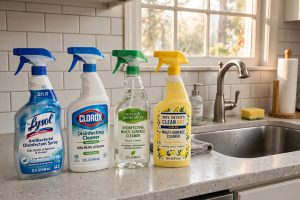

Spills happen in every house. Coffee tips over during a busy morning. A child drops a cup of juice. A pet leaves a spot on the rug. When this happens, you need the right tools at hand. That is why so many buyers now look for the best carpet stain remover kits for usa homes. A good kit saves the carpet and saves money. It also spares the home from harsh scrubbing that wears out fibers.
This guide explains what these kits are, how they work, and which features matter most. It covers the main types, price ranges, safe use, and care. It closes with answers to common questions. The aim is simple: help you pick a kit that fits your home, your carpet, and your budget.
Why a Stain Remover Kit Matters
A stain is not just a mark. It is a change in the fiber. Dirt, oil, dye, or food sinks into the yarn and bonds with it. Time makes the bond stronger. Heat from hot water can set some stains for good. A paper towel alone rarely wins this fight.
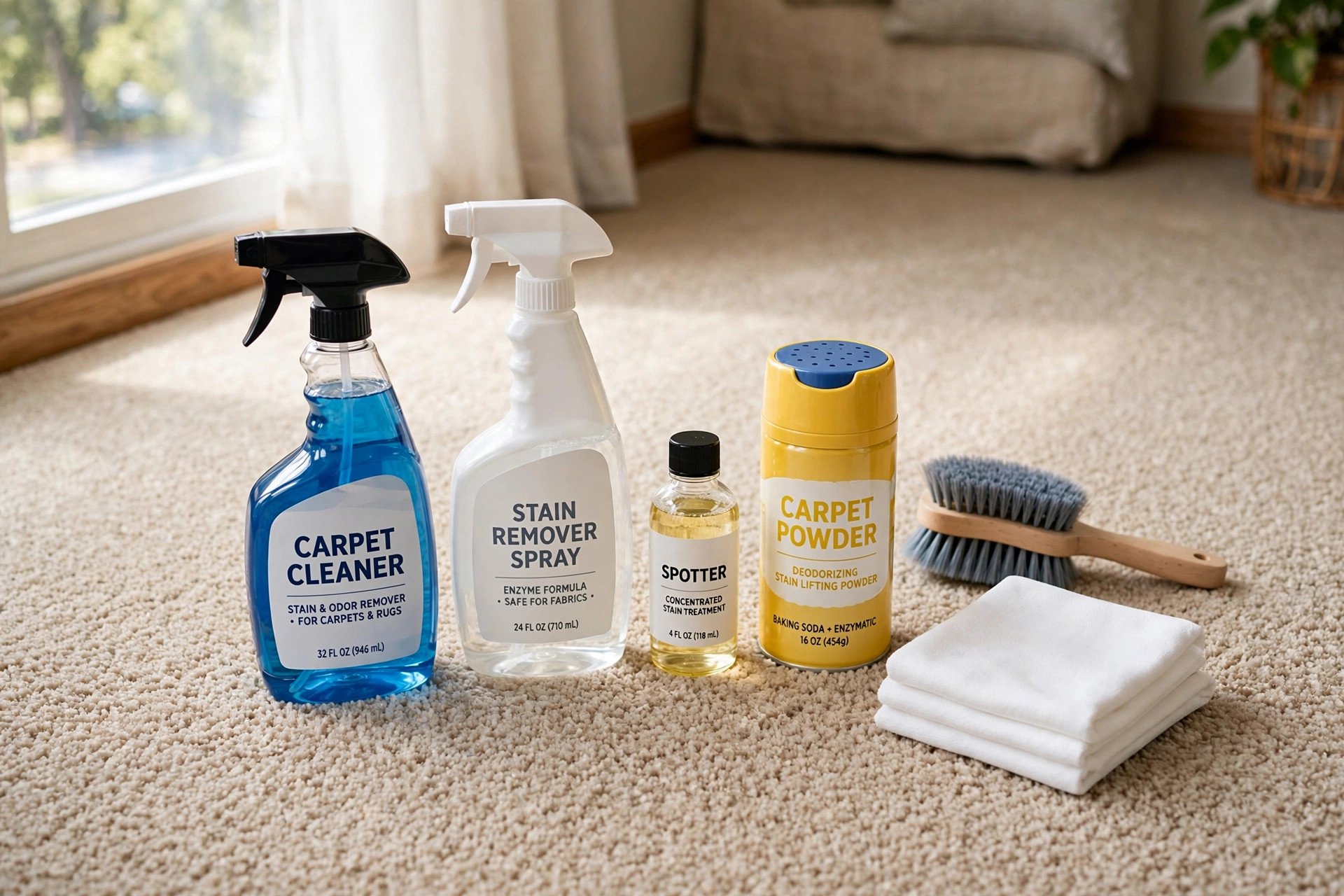
The best carpet stain remover kits for usa homes bundle everything needed for a quick response. Most kits include a liquid spotter, a dry powder or foam, a soft brush or bone tool, and absorbent cloths. Some add a small spray bottle and gloves. Together, these tools lift the stain in stages: loosen, dissolve, lift, and rinse.
Speed matters. A fresh stain is far easier to remove than an old one. When the kit sits under the sink, you can act in minutes. That quick action is what separates a saved carpet from a permanent mark. Home care guides from The Spruce stress the same point: treat stains fast and blot, never rub.
How These Kits Work: Best Carpet Stain Remover Kits for Usa Homes
Most kits use a two-step or three-step method. First, you blot up loose liquid. Then you apply the spotter and let it work. Finally, you lift the stain with cloths and rinse with a little water.
Spotters fall into a few groups. Surfactant cleaners break the link between the stain and the fiber. Enzyme cleaners digest protein stains like milk, blood, and pet messes. Oxygen-based powders release gentle bleaching action that lifts color without hard chemicals. Solvent spotters dissolve grease and oil.
Good kits pair the chemistry with the right tool. A soft brush works the liquid into the pile without tearing fibers. A bone scraper lifts thick spills. White cloths show you when the stain has moved out of the carpet and into the cloth. Guides from Bob Vila remind readers to test every product in a hidden spot first, because dyes react in different ways.
Types of Carpet Stain Remover Kits
All-purpose liquid kits
These are the most common. They include one or two liquid spotters for general stains: food, drink, dirt, and light pet marks. They suit homes with light-colored carpets and normal foot traffic. They are simple to use and easy to store.
Enzyme-based pet kits
These kits target pet stains and odors. They use enzymes that break down the proteins in urine, vomit, and droppings. They also help with the odor that leads pets back to the same spot. Many include a black light to find old hidden stains. Reviews at Consumer Reports often note that enzyme cleaners need time to work, sometimes hours, so patience pays off.
Dry powder kits
Dry powders get brushed into the stain, left to sit, and then vacuumed up. They work well for grease and for stains on carpets that should not get too wet, such as wool or sisal. They are slower than liquids but gentler on the fiber.
Oxygen-based kits
These kits use sodium percarbonate powders that turn into hydrogen peroxide in water. They lift tea, coffee, wine, and dye stains. They are popular because they leave little residue. Residue is a real problem: sticky cleaner left in carpet pulls in new dirt faster.
Portable extractor bundles
Some kits pair a spotter with a small portable machine that sprays and sucks up liquid. These cost more. They shine in homes with children or pets, where stains show up often. A related guide on upholstery cleaning machines reviews and buying guide covers similar machines in more depth.
What to Look For When You Buy
Match the kit to your carpet
Fiber type decides what is safe. Nylon and polyester take most cleaners well. Wool and natural fibers need gentler, low-moisture products. Check the carpet warranty. Some makers void the warranty if you use strong solvents or bleach.
Check the stain list
Read the label. A kit that lists coffee, wine, grease, ink, and pet stains covers most home needs. If your trouble is mostly one kind of stain, a focused kit beats a general one. Pet owners may want to pair a general kit with sprays from a guide like budget friendly pet odor eliminator sprays for sale.
Look for low residue
The best carpet stain remover kits for usa homes rinse clean. Soaps that stay behind attract dirt. That leaves a dark patch weeks later. Look for words like “no-rinse” or “residue-free” on the label. If the label tells you to rinse well, follow it. A final rinse with plain water removes what the cleaner leaves.
Tools included
A kit is more than a bottle. A soft brush, a scraper, and white cloths make the work easier. Gloves protect your hands. A measuring cup helps you mix powders right. Kits that skip these tools force extra shopping trips.
Smell and fumes
Strong scents can irritate eyes and lungs. This matters in homes with children, pets, or asthma. Look for low-odor or fragrance-free formulas. The EPA offers plain advice on safer cleaning products for homes, which is worth a read before you buy.
Shelf life
Liquids and enzyme cleaners lose strength over time. Powders last longer. Check dates on the bottle. A kit that expires in a year is fine if you use it often. If you buy it “just in case,” a long-lasting powder kit may be smarter.
Cost and Price Ranges
Prices vary by type and brand. Simple liquid kits run about eight to twenty dollars. They suit light use. Enzyme pet kits run about fifteen to thirty-five dollars. Dry powder and oxygen kits run about twelve to twenty-five dollars.
Portable extractor bundles cost far more, often eighty to two hundred dollars. They pay off only if stains are a weekly event. For most families, a mid-price liquid or enzyme kit is enough.
Refills add to the real cost. Check the price of the spotter sold alone. A cheap kit with pricey refills costs more over time than a fair-priced kit with cheap refills. Home economists at Good Housekeeping make the same point about many cleaning products: count the cost per use, not just the sticker price.
How to Use a Stain Remover Kit
Work through these steps for most stains:
1. Act fast. Blot up loose liquid with a clean white cloth. Press down; do not rub. Rubbing spreads the stain and frays the yarn. 2. Remove solids. Lift any solid bits with a spoon or the kit’s scraper. 3. Test first. Put a small amount of cleaner on a hidden patch of carpet. Wait ten minutes. If the color holds, go ahead. 4. Apply the spotter. Use a light touch. Start at the edge of the stain and move toward the center. This keeps the stain from spreading outward. 5. Let it work. Give the product the time the label asks for. Enzyme cleaners may need thirty minutes or more. 6. Blot and lift. Press a clean damp cloth on the spot. Repeat with fresh sections of cloth until no more color transfers. 7. Rinse. Dampen a cloth with plain water and press it on the spot. This pulls out leftover cleaner. 8. Dry the area. Lay a dry towel over the spot and set a heavy book on it. Leave it for a few hours. Then vacuum to lift the pile.
For a fuller look at buying factors, see the companion piece on top rated carpet stain remover kits buying guide.
Care and Upkeep of Your Kit
Store the kit in a cool, dry place. Heat and sun break down cleaners. Keep liquids upright so they do not leak. Keep powders sealed so they do not take on moisture.
Wash the brush and scraper after each use. Dried cleaner on the brush can scratch fibers next time. Replace cloths when they turn gray. Keep the instructions with the kit so anyone in the house can follow them.
Check the kit once a year. Throw out expired products. Write the purchase date on each bottle with a marker. A kit that is ready to use is a kit that gets used. Repair and care advice from Family Handyman follows the same rule for all home tools: a little upkeep keeps them working when you need them.
Safety in the Home
Keep all cleaners out of reach of children and pets. Lock the cabinet if young children are in the house. Never mix products. Bleach mixed with ammonia or acids can make toxic gas.
Ventilate the room while you work. Open a window or run a fan. Wear the gloves the kit provides. Wash your hands after you finish. If cleaner gets in your eyes, rinse with water for fifteen minutes and call for help if pain lasts.
Read the whole label before you start. The label lists hazards, first aid, and what not to do. Articles from This Old House often remind readers that the label is the law for home products. It is good advice.
Also note that some stain removers can harm plants and finishes. Keep spray away from wood floors, upholstery, and houseplants. Wipe up drips at once.
FAQ
How fast should I treat a stain?
Treat it at once. Blot within minutes if you can. Fresh stains may lift with plain water and a cloth. Old stains may need several rounds of spotter and patience. Heat sets many stains, so never use hot water on a fresh spot.
Will a stain remover kit damage my carpet?
It can if used wrong. Too much cleaner, hard scrubbing, or the wrong product for the fiber can harm the yarn or the dye. Always test in a hidden spot. Use gentle pressure. Follow the label times and rinse steps. When in doubt, call a carpet care professional.
Do enzyme cleaners really work on pet stains?
Yes, when used right. Enzymes digest the proteins that cause stains and odors. They need time and moisture to work, often thirty minutes to a few hours. Cover the treated spot with plastic wrap to keep it damp. The odor fades as the enzymes finish the job. For a wider view of home care, Apartment Therapy covers pet-friendly cleaning routines too.
Can I use these kits on upholstery?
Some yes, some no. Check the label for fabric use. Many carpet spotters are safe on synthetic upholstery but not on silk, velvet, or leather. Test a hidden seam first. Use less liquid on furniture, since deep padding dries slowly and can grow mildew.
What is the biggest mistake people make?
They rub instead of blot. Rubbing pushes the stain deeper and spreads it wide. It also twists carpet fibers so the spot stays visible even after the color is gone. Press and lift. Let the cloth and the cleaner do the work. Design and home editors at HGTV give the same blot-not-rub tip in their cleaning guides.
How do I remove an old, set stain?
Work in rounds. Apply the spotter, wait, blot, rinse, and repeat. Oxygen-based products often help with old dye stains. Enzyme products help with old protein stains. If three rounds fail, a portable extractor or a professional cleaning may be the next step.
Final Word
The best carpet stain remover kits for usa homes are not the priciest ones. They are the ones that match your carpet, cover your common stains, rinse clean, and sit ready under the sink. Buy for your real needs: enzyme power for pets, gentle powder for wool, a simple liquid kit for daily life. Learn the blot-don’t-rub habit. Keep the kit fresh and the tools clean. Do that, and most spills will end as a short chore instead of a lasting mark.
References
Apartment Therapy. (n.d.). Home design ideas and inspiration. https://www.apartmenttherapy.com Bob Vila. (n.d.). Home improvement advice. https://www.bobvila.com Consumer Reports. (n.d.). Product reviews and ratings. https://www.consumerreports.org Family Handyman. (n.d.). DIY home repair and maintenance. https://www.familyhandyman.com Good Housekeeping. (n.d.). Product reviews and home advice. https://www.goodhousekeeping.com HGTV. (n.d.). Home and garden ideas. https://www.hgtv.com The Spruce. (n.d.). Home and garden advice. https://www.thespruce.com This Old House. (n.d.). Home renovation guidance. https://www.thisoldhouse.com U.S. Environmental Protection Agency. (n.d.). Protecting human health and the environment. https://www.epa.gov
Was this guide helpful?

About James Carter
The My Garden US editorial team writes practical, in-depth home and garden guides for American homeowners — tested advice, no fluff.
You May Also Like
HEPA Vacuum Cleaners Price Comparison USA
June 2, 2026 0 views
The Best Microfiber Cleaning Cloth Sets for Florida Homes
June 25, 2026 0 views
Affordable Wet Dry Shop Vacuums With Free Shipping: A Buyer’s Guide
July 5, 2026 0 views