
Introduction
A couch tells the story of a house. It holds the crumbs of every meal eaten in front of the television. It keeps the marks of pets, of children, of shoes that should never have been on it. Over time the fabric fades, the arms grow dark, and the cushions lose their fresh smell. This upholstery cleaning machines reviews and buying guide exists to help you fight that slow decline. A good machine can pull years of dirt out of a sofa in an afternoon, and it costs far less than new furniture.
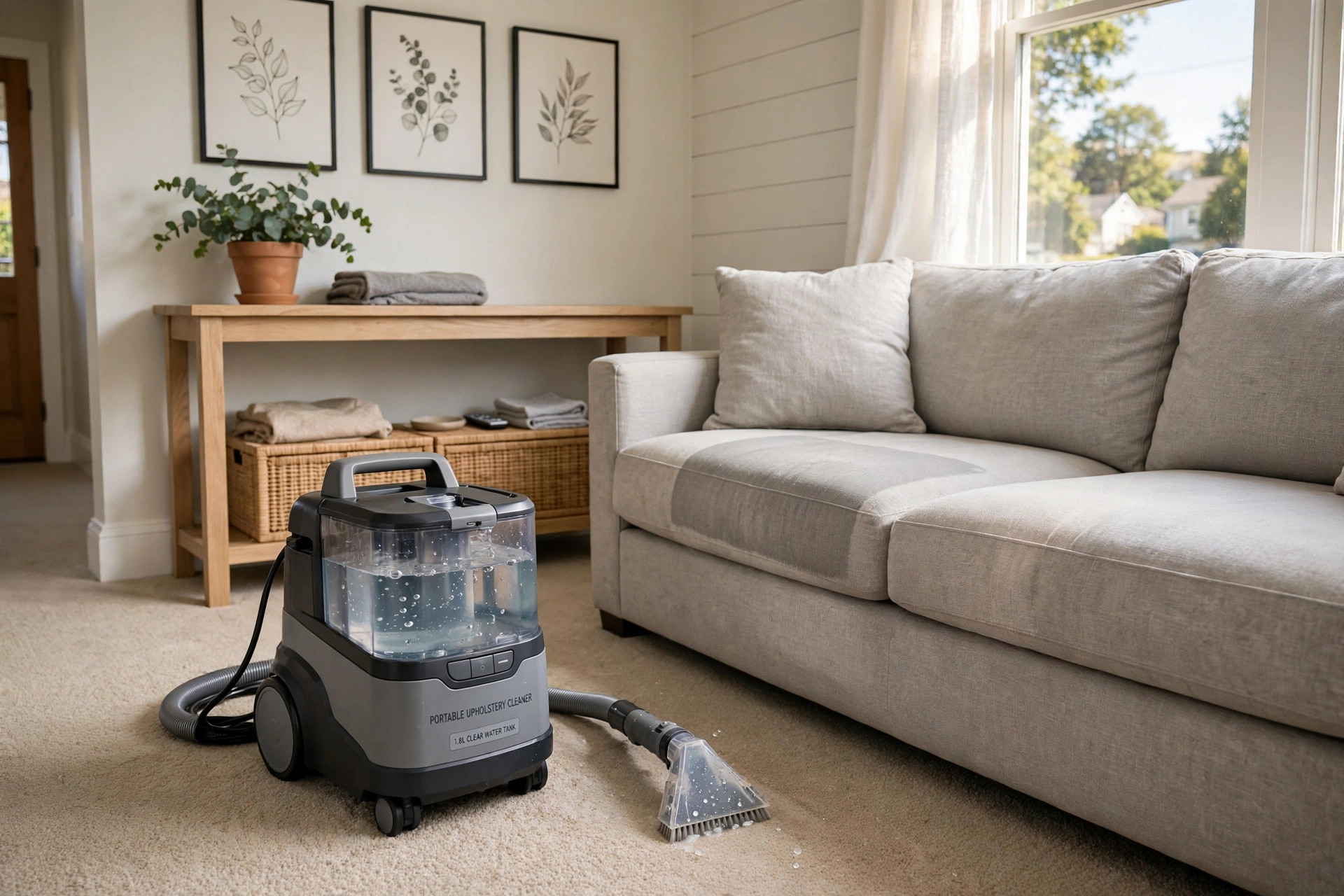
Upholstery cleaners are small, strong machines. They spray a mix of warm water and soap into the fabric, then suck it back out with the dirt. They work on couches, chairs, car seats, stairs, and mattresses. For a long time only professionals owned them. Now any homeowner can buy one for the price of a single professional visit, sometimes less.
Buying one is not simple, though. The market is full of models that look alike but differ in power, tank size, and tool design. Some work well on small stains and fail on whole rooms. Others clean deep but weigh so much that using them feels like a chore. Reading honest upholstery cleaning machine reviews helps, but reviews alone do not tell you which features matter for your home. That is why a buying guide matters. This article walks through the types, the features, the prices, and the care, so you can choose with confidence.
Why Clean Upholstery Matters: Upholstery Cleaning Machines Reviews and Buying Guide
The dirt you cannot see
A sofa can look clean and still hold pounds of dust, skin flakes, and pet hair inside its cushions. Each time someone sits down, these small particles rise into the air and settle again. People with allergies often feel the effect first. They sneeze near the couch. They rub their eyes in the living room. Clean fabric gives the whole room fresher air.
Money and value
New furniture is expensive. A good sofa costs a thousand dollars or more. A carpet cleaner rental costs thirty to fifty dollars for a day, and a professional visit costs three to five hundred. A portable upholstery cleaner often costs between one hundred and three hundred dollars. Use it three or four times and it has paid for itself. It also extends the life of furniture, which saves more money later.
Health and comfort
Stains do more than look bad. Old spills can feed mold inside thick cushions. Pet odors sink deep into the foam and do not leave with surface wiping. Regular deep cleaning keeps these problems small. It also makes sitting on the furniture a nicer experience. A clean couch simply feels better.
Types of Upholstery Cleaning Machines
Portable spot cleaners
Portable spot cleaners are small machines with a handle and a hose. You carry them to the stain, press the spray trigger, scrub with the attached tool, and vacuum the water back up. They are the most popular type for homes. They handle spills, pet stains, and car seats with ease. Their tanks are small, so they suit spot work rather than whole-room cleaning.
Full-size carpet and upholstery cleaners
Full-size machines are larger. They have big tanks and a wide cleaning head, plus a hose and smaller tools for upholstery. You push them across carpet like a vacuum cleaner, and you switch to the hose for furniture and stairs. They weigh more, often around twenty pounds, but they clean large areas fast. If your home has wall-to-wall carpet and several fabric sofas, this type may serve you best.
Steam cleaners for upholstery
Steam cleaners use hot vapor instead of soap and water. The steam loosens dirt and kills dust mites, then a cloth or vacuum attachment picks up the residue. They work well on lightly soiled fabric and on people who want to avoid chemicals. They do not pull deep dirt out of thick foam as well as extraction machines do. For tough stains, extraction still wins.
Wet and dry vacuum cleaners with extraction tools
Some homeowners use a wet and dry shop vacuum with a carpet extraction head as a cheap answer. These setups work, and many wet dry shop vacuums reviews and buying guide pages describe how to use them for spills. They lack the heated water and the fine tools of a purpose-built upholstery machine. They suit a garage or workshop more than a living room.
What to Look For When Buying
Suction power
Suction is the heart of the machine. Strong suction pulls dirty water out of the fabric fast. Weak suction leaves the sofa damp for hours, which can cause musty smells. Look for models with high water-lift ratings and read user comments about drying time. If reviewers say the couch was dry in an hour or two, the suction is good.
Tank size
Two tanks matter: the clean water tank and the dirty water tank. Bigger tanks mean fewer trips to the sink. A portable spot cleaner may hold only half a gallon. A full-size machine may hold over a gallon. For a whole couch, small tanks need frequent refills. For quick stains, small tanks keep the machine light and easy to carry.
Tools and attachments
Most machines ship with a narrow stair tool and a wider upholstery tool. Better kits add a crevice tool for seams, a scrub brush with rubber teeth for pet hair, and a wide head for large cushions. Stiff bristles help on old stains. Soft bristles suit delicate fabric. Check that extra tools are easy to snap on and off while the hose is wet.
Hose length and cord length
A long hose lets you clean a whole couch without moving the machine. A long cord means fewer outlet changes. For car seats, the hose matters most. Measure your longest reach before you buy. A machine that forces you to lift its heavy tank onto the couch loses half its value.
Heat
Some machines heat the water as they clean. Heat melts grease and makes soap work better. Heated models often cost more and take a few minutes to warm up. For homes with cooking stains and body oils on fabric, heat is worth the money. For light use, a model that accepts warm tap water is enough.
Weight and storage
A machine you cannot lift is a machine you will not use. Check the weight with full tanks. Also check where you will store it. Some full-size models stand upright in a closet. Portables fit on a shelf. If you live in an apartment, a compact model saves both your back and your space.
Noise
Extraction machines are loud, often as loud as a vacuum cleaner. If you clean at night or have small children, look at decibel ratings. Quieter models exist but cost more. Ear comfort matters when the job takes an hour.
Popular Models Worth Considering
The market changes each year, so treat this section as a map rather than a final list. Entry-level spot cleaners start near one hundred dollars and handle fresh spills. Mid-range models around one hundred fifty to two hundred dollars add stronger suction and heated water. High-end full-size machines reach three hundred to five hundred dollars and clean carpet and furniture alike.
When you read upholstery cleaning machine reviews, look for patterns rather than single opinions. Independent tests from Consumer Reports go beyond single-user comments. Home guides like Good Housekeeping and The Spruce run long-term tests with real stains.
Big retailers carry wide selections and clear return policies. Home Depot and Lowe’s let you compare models side by side in the store. Online, Wirecutter publishes detailed picks with testing notes, which many shoppers trust before spending.
Cost and Price Ranges
Budget models: 80 to 150 dollars
Budget spot cleaners handle fresh spills and light stains. They suit small apartments and homes with hard floors and one fabric chair. Their tanks are small and their suction is fair rather than great. Do not expect them to revive a ten-year-old couch. For quick cleanups, though, they earn their price fast.
Mid-range models: 150 to 300 dollars
This is the sweet spot for most buyers. Mid-range machines offer strong suction, heated water options, and a good set of tools. They clean whole sofas and car interiors. They hold enough water to finish a couch without many refills. Most families should shop in this range.
Premium models: 300 to 600 dollars
Premium machines are full-size extractors with the largest tanks, the strongest motors, and wide cleaning paths. They clean carpets and furniture alike. They suit large homes, rental properties, and pet owners with heavy soiling. Some also pair with steam mops for tile floors price comparison usa buying plans, since one deep-cleaning machine often leads owners to upgrade the rest of their tools.
Cost of use
The machine is not the only cost. Cleaning solution sells for ten to twenty-five dollars per bottle. A whole-house cleaning day may use half a bottle. Some owners make their own solution with white vinegar and mild soap, though store solutions usually clean better. Over five years, the machine still costs far less than professional visits.
How to Use Your Machine Well
Check the fabric tag first. The tag carries a code: W means water-based cleaners are safe, S means only solvents, WS means both, and X means vacuum only. Vacuum the furniture well before you clean, since loose dirt turns to mud when wet. Work in small sections of about two feet square: spray, scrub slowly, then make extra dry passes. Use little water. The fabric should feel damp, not wet, when you finish. Open windows or run a fan to speed drying. Treat fresh stains at once by blotting, never rubbing. For old stains, work in rounds: spray, wait, scrub, extract, repeat. No machine can fix chemical damage such as bleach marks.
Care and Upkeep of the Machine
Rinse the tanks after every use
Dirty water left in the tank grows mold fast. After each cleaning session, empty both tanks and rinse them with warm water. Let them air dry with the lids open. This takes five minutes and doubles the life of the machine. The same rinse-and-dry habit applies to every cleaning tool you own, as the buy stainless steel appliance cleaners online in california buyer guides also remind readers.
Clean the tools and hose
Rinse the attachments under the tap. Run clean water through the hose for a few seconds to flush out soap and grit. Check the brush bristles for hair and threads. A clogged tool loses suction, and many service calls turn out to be nothing more than a blocked head. Guides at Family Handyman and Bob Vila both stress this simple habit for all cleaning equipment.
Check filters and seals
Some machines have small filters that catch hair and foam. Clean them monthly. Check the rubber seals around the tanks for cracks. A worn seal lets air leak in and weakens suction. Replacement seals are cheap and easy to fit.
Store it dry and empty
Never store the machine with water in the tanks. Keep it in a dry spot, away from freezing garages, since ice can crack plastic tanks. Coil the hose loosely so it does not kink. A machine stored well is ready the moment a spill happens.
Descale heated models
If your machine heats water, minerals from hard tap water build up inside. Once every few months, run a mix of white vinegar and water through it, then flush with plain water. This keeps the heater working and the spray even.
Safety Tips
Water and electricity demand respect. Always unplug the machine before you empty the tanks or change tools. Keep the cord away from wet areas and never pull the machine by its cord. Check that outlets near your cleaning area are dry.
Test the cleaning solution on a hidden spot first, such as the back of a cushion. Some fabrics bleed color when wet. Wait a day and check the test spot before cleaning the whole piece. This is the single most skipped safety step, and skipping it ruins couches.
Ventilate the room while you clean. Some solutions have a strong smell. Keep children and pets out of the room until the fabric is fully dry. Damp cushions attract pets, and their claws can tear wet fabric more easily.
Read the safety sheet that comes with the cleaning solution. The EPA publishes guidance on safe cleaning product use in homes, and This Old House offers practical notes on pairing machines with the right products. Store all solutions in a locked cabinet away from children.
Frequently Asked Questions
How often should I deep clean my upholstery?
For most homes, once or twice a year is enough. Homes with pets, children, or smokers benefit from cleaning every three to four months. Light-colored fabric shows dirt sooner and may need more frequent attention. Spot clean spills the day they happen, no matter the schedule.
Can an upholstery cleaner work on a mattress?
Yes, most extraction machines work well on mattresses. Use a light touch and little water, since thick mattresses dry slowly. Make extra dry passes and stand the mattress on its side in a ventilated room if possible. Clean the mattress once a year to remove dust mites and sweat.
Are rental machines better than bought ones?
Rental machines are usually stronger, since they are built for commercial use. They cost thirty to fifty dollars per day plus solution. If you clean twice a year, renting is cheap. If you clean monthly or own pets, buying your own machine pays off within a year. Owned machines are also ready at once when a spill happens.
Will cleaning shrink or damage my fabric?
Water-based cleaning is safe for fabrics marked W or WS. Wool, silk, and some velvets can shrink or lose their finish, so check the tag. Always test a hidden spot first. Gentle heat and minimal water protect delicate fabric. When in doubt, hire a professional who knows the material.
Can I use my own cleaning solution in the machine?
Most brands allow third-party solutions, though they warn that the wrong soap can foam too much or clog the spray. Use low-foam formulas made for extraction machines. Avoid dish soap, which foams heavily and is hard to rinse. A capful of white vinegar in the rinse water can cut soap residue.
How long does furniture take to dry after cleaning?
With good suction and light water use, a couch dries in two to four hours. Thick cushions and humid weather extend that time. Fans and open windows help. Never cover damp furniture with throws or cushions until it is fully dry, since trapped moisture breeds odor.
Final Word
A clean couch changes a room. It smells better, looks brighter, and invites people to sit down. An upholstery cleaning machine puts that change in your hands for the price of one dinner out, or a few dinners for the better models. Choose the type that fits your home, check the features that matter, and read a few honest upholstery cleaning machine reviews before you buy. Then use the machine often, care for it well, and your furniture will serve you for years longer than it would have. That is the whole point of this upholstery cleaning machines reviews and buying guide: spend wisely once, and keep what you already own looking its best.
References
Bob Vila. (n.d.). Home improvement advice. https://www.bobvila.com Consumer Reports. (n.d.). Product reviews and ratings. https://www.consumerreports.org Family Handyman. (n.d.). DIY home repair and maintenance. https://www.familyhandyman.com Good Housekeeping. (n.d.). Product reviews and home advice. https://www.goodhousekeeping.com Lowe’s. (n.d.). Home improvement products. https://www.lowes.com The Home Depot. (n.d.). Home improvement products. https://www.homedepot.com The Spruce. (n.d.). Home and garden advice. https://www.thespruce.com This Old House. (n.d.). Home renovation guidance. https://www.thisoldhouse.com U.S. Environmental Protection Agency. (n.d.). Protecting human health and the environment. https://www.epa.gov Wirecutter. (n.d.). Product reviews from The New York Times. https://www.nytimes.com/wirecutter
Was this guide helpful?

About Jennifer Lee
The My Garden US editorial team writes practical, in-depth home and garden guides for American homeowners — tested advice, no fluff.
You May Also Like
Commercial Grade Cordless Stick Vacuums for Small Apartments
February 15, 2026 0 views
Eco Friendly Cleaning Supplies: Reviews and Buying Guide
April 19, 2026 0 views
The Best Baseboard Cleaning Tools for Humid Climates
August 21, 2026 0 views