Our hepa vacuum cleaners reviews and buying guide begins with a simple fact. Dust is everywhere in the home. It settles on shelves. It hides deep in carpet. It drifts in the air. A vacuum cleaner removes more than the dirt you can see. It can also remove fine particles that bother lungs and eyes.
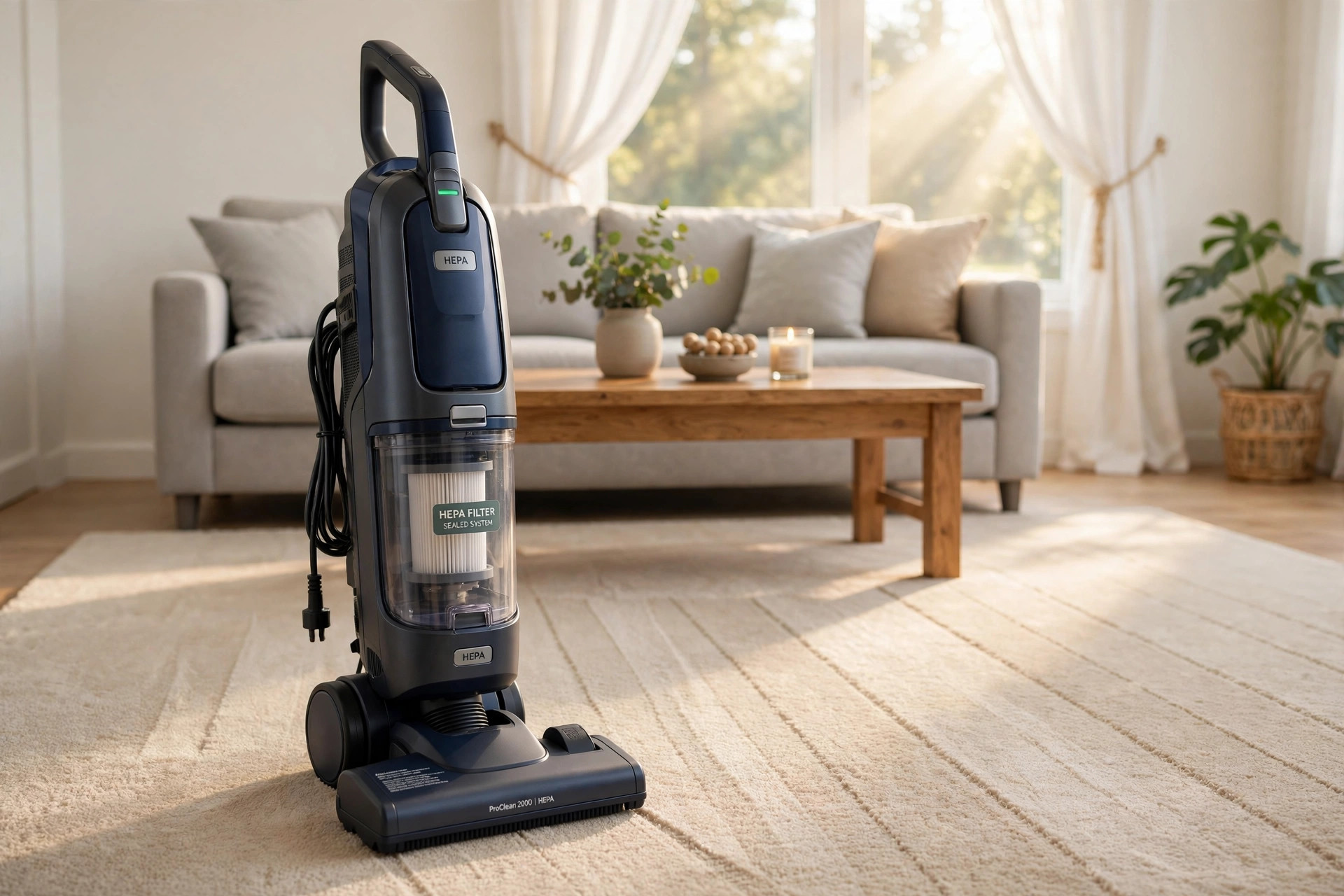
A HEPA vacuum uses a special filter. The letters stand for high efficiency particulate air. A true HEPA filter catches at least 99.97 percent of particles at 0.3 microns. That is the standard set by the United States Department of Energy. It traps dust mites, pollen, pet dander, mold spores, and fine smoke. Many machines claim HEPA-like or HEPA-type filters. Those do not meet the same standard. The gap matters for your health and your floors. This guide will help you tell the difference and choose well.
Why a HEPA Vacuum Matters
The average home collects pounds of dust each year. Much of it comes from outside air, shoes, and pets. Some comes from the fibers of furniture and cloth. Ordinary vacuums pick up visible dirt. But many let fine dust escape through the exhaust. That dust lands back on surfaces. It also enters the lungs of anyone nearby.
A sealed HEPA vacuum changes this picture. Air passes through the filter before it leaves the machine. The fine particles stay inside the bag or bin. The air that comes out is cleaner than the air that went in. This helps homes with children who play on the floor. It helps homes with dogs and cats. It helps anyone who wakes up with a stuffy nose.
The EPA’s guidance on indoor air quality notes that source control works best when paired with good filtration. A HEPA vacuum is one part of that plan. Clean floors mean less dust on tables and beds. Less dust means fewer sneezes. It is a plain benefit, and it lasts for years.
Dust mites feed on skin flakes in rugs and bedding. Their waste is a common trigger for allergies. Regular vacuuming with a HEPA filter keeps mite numbers low. Pollen rides in on clothes and pets each spring. A HEPA vacuum pulls it from carpet before it spreads. For these reasons, doctors often suggest HEPA filtration to patients with asthma.
What to Look For When You Buy: Hepa Vacuum Cleaners Reviews and Buying Guide
Shoppers face a wall of claims. This section breaks down what truly matters.
True HEPA, Not HEPA-Like
Look for the words true HEPA or HEPA 13. These marks mean the filter meets the real standard. HEPA-type and HEPA-like are marketing terms. They do not promise the same capture rate. Read the box and the manual. If the maker does not state 99.97 percent at 0.3 microns, treat the claim with doubt. Independent reviews from Consumer Reports often check whether a filter lives up to its label.
A Sealed System
A filter can only work if all air passes through it. In a sealed system, gaskets and tight seams force every bit of air through the HEPA filter. Some machines hold a HEPA filter but leak air around it. Ask whether the whole system is sealed. Reviews at Wirecutter often test for this point. A sealed machine keeps dust from blowing back into the room.
Suction and Airflow
Strong suction lifts dirt from deep carpet. But raw power is not the full story. Airflow matters too. Air watts measure both. For homes with thick rugs, look for higher numbers. For bare floors, a lighter machine with a soft brush may clean better than a brute. Adjustable suction helps. You can lower power on drapes and raise it on carpet.
Bagged or Bagless
Bagged models seal dust away when you throw the bag out. This suits allergy sufferers. Bags cost money over time. Bagless models save that cost. But emptying the bin can raise a small cloud of dust. Empty the bin outside or near an open window. Some bagless models now use sealed bins that open from the bottom. These release less dust into your face.
Weight, Noise, and Reach
Carry the vacuum in the store if you can. A heavy machine tires the arms on stairs. Noise matters in small homes and apartments. Check the decibel rating when the box lists one. A crevice tool reaches behind cushions. An upholstery brush cleans stairs and car seats. A dusting brush treats shelves. These small tools decide how useful the machine feels day to day. Lowe’s buying guides compare weight and tool sets across brands.
Cord Length and Battery Life
A long cord covers more rooms without replugging. Twenty five to thirty feet suits most homes. Cordless models free you from outlets. But their batteries run for a limited time. Most last twenty to sixty minutes per charge. Heavy carpet drains them faster. If you buy cordless, look for a spare battery or a quick charge time.
Types of HEPA Vacuum Cleaners
Upright models stand tall and push easily across carpet. They clean wide paths fast. Many carry large bags or bins. They can be heavy to lift up stairs. They suit homes with wall to wall carpet.
Canister models pull behind you on wheels. The hose and wand reach under beds and furniture. They are gentler on bare floors and drapes. They cost a bit more on average. They suit homes with mixed floors.
Stick models are slim and light. Cordless versions run on batteries. They suit quick daily cleaning. Run time is limited, often under an hour. They work well in small homes and as a second vacuum.
Handheld models clean crumbs, car seats, and pet beds. They do not replace a full-size vacuum. They are a good second tool for stairs and cars.
Robot vacuums move on their own each day. They keep dust down between deep cleans. Many now carry true HEPA filters. Their small bins need frequent emptying. They cannot climb stairs or clean drapes.
Some shops and garages need a different tool. Our guide to wet dry shop vacuums covers machines that handle sawdust and spills. For furniture, stairs, and car seats, upholstery cleaning machines offer a deeper clean than a brush attachment.
Cost and Price
Prices fall into three rough bands. Basic HEPA models sell from about eighty to one hundred fifty dollars. They clean well on bare floors and low carpet. Mid range models run from one hundred fifty to three hundred dollars. They add sealed systems, better brushes, and longer cords. Premium models cost three hundred dollars and more. They bring stronger suction, quieter motors, and longer warranties.
Bags and filters add to the cost. A set of bags may run ten to twenty dollars. A replacement HEPA filter can cost twenty to fifty dollars. Check these prices before you buy. A cheap machine with costly filters is not cheap at all.
Compare prices across stores and online. The Home Depot’s appliance section lists specs side by side for easy study. Our HEPA vacuum price comparison page shows how models stack up across the country. Watch for holiday sales in November and spring cleaning events. Prices often drop during those weeks.
Common Buying Mistakes
Shoppers make the same errors again and again. The first is trusting the word HEPA alone. Without the word true, the claim means little. Always check the fine print for the 99.97 percent figure.
The second error is buying too much machine. A heavy upright with every tool may sit unused in a closet. Match the vacuum to your real floors. Small apartments rarely need a full-size canister.
The third error is ignoring filter cost. A bargain machine can eat a new fifty dollar filter each year. Add up five years of bags and filters. The true price may surprise you.
The fourth error is skipping the test drive. Push the vacuum in the store. Lift it. Bend the hose. If it feels clumsy now, it will feel worse each week. A short test saves long regret.
Care and Upkeep
A vacuum needs care to keep its power. Empty the bag or bin before it fills past three quarters. A full bag chokes airflow. Check the brush roll each month. Cut away hair and thread with scissors. Wash or replace the pre-filter as the manual says. Replace the HEPA filter on schedule, often once a year.
Wipe the hose and attachments with a damp cloth. Check for clogs if suction drops. Run a broom handle gently through the hose to find blocks. Store the cord loose, not wrapped tight around hooks. Keep the machine in a dry place. These small steps take minutes. They add years to the motor.
Cleaning guides from The Spruce and how-to articles at Family Handyman offer step-by-step help for common models. Their photos make each task easy to follow.
Safety
Vacuums are safe when used with care. Never run a dry vacuum over water or wet spills. Water can damage the motor and shock the user. Keep the cord away from hot stoves and sharp edges. Pull the plug by the plug, not the cord.
Keep children and pets clear of the machine while it runs. Small toys can jam the brush. Long hair and loose clothing should stay away from the brush roll. When you empty a bagless bin, wear a dust mask if dust bothers you. Unplug the machine before you clear a clog or change a filter. Let a hot motor cool before you store it.
Good Housekeeping’s cleaning tests often note which models feel safest to handle. Their testers check cord strain and tip-over risk on stairs.
Frequently Asked Questions
What does HEPA mean?
It means high efficiency particulate air. A true HEPA filter traps at least 99.97 percent of particles at 0.3 microns. The term comes from military and medical air cleaning. It now sets the bar for home vacuums.
How often should I replace the filter?
Most makers say once every twelve months. Homes with pets may need a new filter sooner. Washable pre-filters should be rinsed each month and left to dry fully before use. A clogged filter cuts suction and strains the motor.
Can a HEPA vacuum help with allergies?
Yes. It removes pollen, dust mites, and pet dander from floors and rugs. Pair it with washed bedding and a clean furnace filter for best results. Vacuum bedrooms first, since you spend hours there each night.
Are bagged or bagless models better?
Bagged models seal dust away at disposal. They suit allergy sufferers. Bagless models cost less over time but need careful emptying. Both clean well when the filter is true HEPA and the system is sealed.
Do robot vacuums have true HEPA filters?
Many do. Check the specs before you trust the claim. Small robots still need their bins emptied often, or suction will fall. They work best as helpers between weekly deep cleans.
How loud is the average HEPA vacuum?
Most run between seventy and eighty decibels. That is close to a busy street. Quieter models sit near sixty five decibels. Project guides at Bob Vila list noise levels for popular machines.
A Final Word
Buying a vacuum is a small decision with a long tail. You will use it for years. Choose a true HEPA filter in a sealed system. Pick the type that fits your floors. Mind the cost of bags and filters. Read a few trusted reviews before you decide. Clean floors will follow.
References
Bob Vila. (n.d.). Home improvement advice. https://www.bobvila.com Consumer Reports. (n.d.). Product reviews and ratings. https://www.consumerreports.org Family Handyman. (n.d.). DIY home repair and maintenance. https://www.familyhandyman.com Good Housekeeping. (n.d.). Product reviews and home advice. https://www.goodhousekeeping.com Lowe’s. (n.d.). Home improvement products. https://www.lowes.com The Home Depot. (n.d.). Home improvement products. https://www.homedepot.com The Spruce. (n.d.). Home and garden advice. https://www.thespruce.com U.S. Environmental Protection Agency. (n.d.). Protecting human health and the environment. https://www.epa.gov Wirecutter. (n.d.). Product reviews from The New York Times. https://www.nytimes.com/wirecutter
Was this guide helpful?

About Robert Taylor
The My Garden US editorial team writes practical, in-depth home and garden guides for American homeowners — tested advice, no fluff.