
Every year, thousands of American homes suffer dryer fires, and most of them trace back to one simple cause: a vent full of lint. A dryer vent is the duct that carries hot, damp air from your dryer to the outside of the house. Over time it fills with lint, dust, and bits of fabric. Air flow slows down. The dryer runs hotter. Clothes take longer to dry. And the risk of fire grows. This dryer vent cleaning services cost guide usa walks through what professional cleaning costs, what changes the price, and how to choose a company you can trust.
Why Dryer Vent Cleaning Matters
A clothes dryer pushes out warm air loaded with moisture and fine lint with every load. The lint screen inside the dryer catches some of it, but a good deal slips past and settles in the vent duct. In a year of normal family laundry, several pounds of lint can build up in that duct. Lint is dry, fine, and highly flammable. All it needs is heat and poor air flow to catch fire.
Safety experts have warned about this danger for decades. Reports from the federal product safety agency show that lint buildup is the leading factor in clothes dryer fires in American homes. That is why annual cleaning is recommended by fire departments across the country. More background on product hazards in the home is kept by the U.S. Consumer Product Safety Commission.
There is also the matter of money. A clogged vent forces the dryer to run longer to dry the same load. A cycle that should take forty minutes may take seventy. That extra run time shows up on the electric or gas bill month after month. In many homes, the yearly extra energy cost is larger than the price of one professional cleaning. A clean vent also extends the life of the dryer itself, since the heating element and motor work less hard.
What to Look for in a Cleaning Service: Dryer Vent Cleaning Services Cost Guide Usa
Not every company that offers this work does it well. A proper job involves more than poking a brush in from the outside. Here is what to expect from a reliable dryer vent cleaning service.
First, the technician should inspect the full length of the vent. That means looking behind the dryer, checking the duct run through walls or floors, and examining the outside vent hood. Many companies use a small camera or at least a strong light for this step.
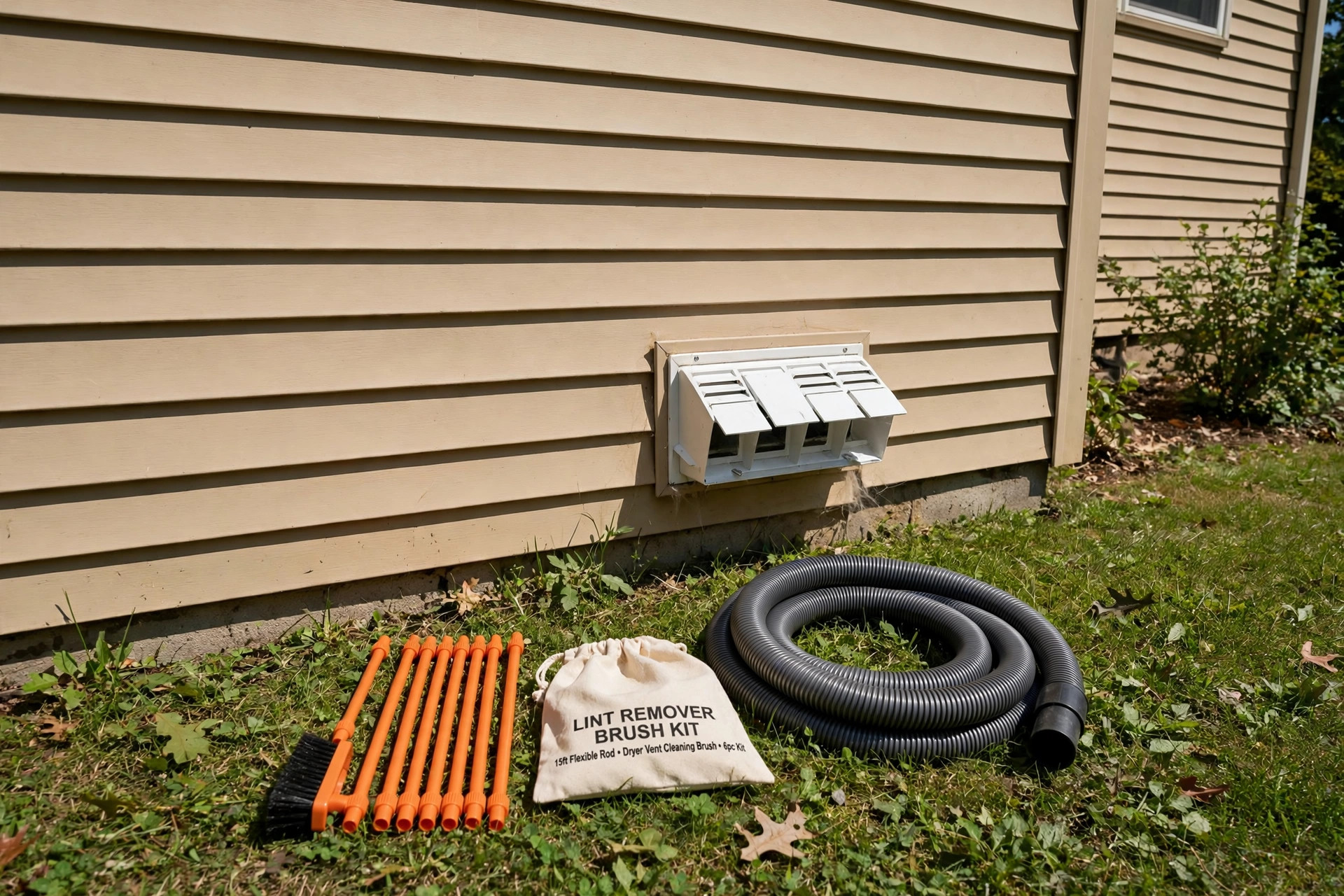
Second, the cleaning should remove lint from the entire duct, not just the easy parts. Good crews use a rotating brush attached to a flexible rod, pushed through the full length of the run, often with a vacuum running at the same time to pull the loosened lint out. The work should also include the transition duct behind the dryer and the outside vent flap.
Third, the company should be clear about what is included before the work begins. Ask whether the price covers the whole run, the outside hood, and cleanup afterward. A trustworthy company gives a written estimate and does not add surprise fees on site.
Fourth, look for proper insurance and some track record. A one-person operation can do fine work, but it should still carry liability insurance. Online reviews help, though they should be read with care. Friends and neighbors are often the best source of names.
For a general home maintenance overview from a trusted editorial source, readers often turn to The Spruce and Bob Vila, both of which cover dryer care alongside other household tasks.
Types of Dryer Vent Cleaning Services
Dryer vent cleaning comes in a few forms. Knowing the options helps you understand the price differences.
Basic single-pass cleaning. The technician runs a brush and vacuum through the vent from the outside access point and cleans the outside hood. This suits short, straight vents in single-story homes. It is the most common and least expensive option.
Full-system cleaning. This covers the vent from behind the dryer all the way to the outside wall or roof, including the transition duct, elbows, and the vent hood. The dryer may be moved to reach the back. This is the right choice for most homes and is what most national companies sell as their standard service.
Bird nest and blockage removal. Birds, wasps, and rodents sometimes nest in vent hoods. A blocked vent cannot move air at all, and the dryer may overheat quickly. Removing a nest or a heavy blockage costs extra because it takes more time and special care.
Dryer vent repair and rerouting. During cleaning, a technician may find a crushed, disconnected, or poorly routed duct. Flexible plastic or foil ducts are common in older homes, and both are fire risks. Replacing them with rigid metal duct is safer. Some companies offer this repair work; others only clean. Get a separate quote for repairs.
Add-on appliance services. Some cleaning companies also clean washing machines, service the dryer itself, or inspect the laundry area. These add-ons are convenient but should be priced separately so you can compare.
Homeowners who also plan other upkeep often read a window cleaning service companies cost guide usa for a similar breakdown of service pricing, or look at professional grade professional house cleaning services near me when they want the whole house done at once.
How Much Dryer Vent Cleaning Costs
Across the United States, most homeowners pay between $100 and $170 for a standard professional dryer vent cleaning. The national average sits near $130 to $145. That price usually covers a full-system cleaning of one dryer vent in a typical single-family home.
Several factors push the price up or down:
Vent length and route. A short vent that runs straight through one outside wall is quick to clean. A long vent that snakes through an attic, a crawl space, or up to the roof takes far more time. Roof vents almost always cost more because they need a ladder and safe roof access. Expect an extra $30 to $75 for roof work.
Accessibility. If the dryer is stacked in a tight closet or the vent run is hard to reach, the job takes longer. Technicians charge for their time.
Level of buildup. A vent cleaned every year takes little effort. A vent that has not been cleaned in ten years may be packed solid. Heavy buildup can add $25 to $50 to the bill.
Nests and blockages. Removing a bird nest or rodent nest is specialist work and may add $50 to $100 or more, especially if the nest is deep in the duct.
Location. Prices run higher in large cities and coastal areas where labor costs more. Rural areas and smaller towns tend to be cheaper.
Number of vents. Most homes have one dryer vent, but some have two dryers. The second vent is usually cheaper to clean than the first.
Typical price ranges in the USA look like this:
– Basic single-pass cleaning: $80 to $120 – Standard full-system cleaning: $120 to $170 – Heavy buildup or nest removal: $150 to $250 – Vent rerouting or duct replacement: $200 to $500 or more, depending on materials and labor
Do-it-yourself kits cost $25 to $50 and work for short vents, but they cannot match a professional setup for long or complex runs. For equipment reviews, many shoppers check Consumer Reports before buying tools for home maintenance.
One honest note: beware of prices that sound too good. A $39 whole-house special advertised on a door hanger is often a sales visit for expensive add-ons. A fair price from an established local company is a better deal than a bargain that turns into a hard sell.
Care and Upkeep Between Cleanings
A yearly professional cleaning is the backbone of dryer vent care, but daily habits matter too. Clean the lint screen before or after every load. This is the single most important habit. A clogged screen slows air flow even when the vent is clear.
Check the outside vent hood every few months. The flap or louvers should open freely when the dryer runs. If they stick shut, lint or debris is blocking them. Clear the area around the hood of plants, snow, and stored items.
Look behind the dryer once a year. Make sure the transition duct is not crushed against the wall. Many fires start in this short piece of duct because it is hidden and easy to damage when the dryer is pushed back.
Use the right duct material. If your home still has flexible plastic or foil duct, replace it with rigid metal duct. Metal resists crushing and does not catch fire as easily. This is one of the few upgrades that pays for itself in safety alone. Guidance on safer materials and step-by-step projects appears at Family Handyman and This Old House.
Do not run the dryer when no one is home or while sleeping. This is simple common sense. Most dryer fires happen while the machine is running, and a fire caught early does far less damage.
For small between-cleaning jobs, a steam mops for tile floors price comparison usa can help with the laundry room floor, and a basic vent brush from Home Depot handles short, straight vents.
Safety Notes
Dryer vent safety is straightforward but worth stating plainly. Lint is fuel. Heat and poor air flow are the spark. Every safety measure either removes fuel or improves air flow.
Never vent a dryer into an attic, crawl space, or garage. The vent must go directly outside. Indoor venting dumps gallons of moisture into the house and fills it with lint. Some older homes were built this way, and it should be fixed.
Keep the area around the dryer clear. Do not store cleaning chemicals, paint, or gasoline near the dryer. Lint that escapes into the laundry room can settle on these items.
Watch for warning signs. Clothes take more than one cycle to dry. The outside of the dryer feels very hot. The laundry room smells musty or scorched. The vent hood flap does not open when the dryer runs. Any one of these signs means the vent needs attention now, not next year.
Gas dryers need extra care. A blocked vent can push carbon monoxide back into the house. Make sure the laundry room has a working carbon monoxide detector. Information on indoor air quality is available from the Environmental Protection Agency.
Frequently Asked Questions
How often should I have my dryer vent cleaned? Once a year is the standard advice for most households. If you do a great deal of laundry, have pets that shed, or dry bulky items like blankets often, consider twice a year. Single-person households with light laundry can sometimes stretch to every eighteen months.
How long does a professional cleaning take? Most jobs take between thirty minutes and one hour. Long roof vents or heavy blockages can take ninety minutes or more. The technician should explain the time needed before starting.
Can I clean the vent myself? Yes, for short and simple vents. Brush kits with flexible rods are sold at hardware stores and work well on straight runs under ten feet. But most homeowners cannot reach the full length of a long vent, and roof vents are dangerous to access without training. When in doubt, hire a professional. Practical how-to articles from Good Housekeeping cover the basics of dryer care for those who want to try.
Does dryer vent cleaning really prevent fires? It greatly reduces the risk. Lint buildup is the main cause of dryer fires, and removing it removes the fuel. No single step can promise zero risk, but annual cleaning plus a clean lint screen is the best protection available.
Will cleaning lower my energy bill? Usually, yes. A clear vent lets the dryer finish loads faster, so it runs less. Many homeowners notice shorter drying times right away. The savings depend on how clogged the vent was and how much laundry the household does.
Should I replace my vent duct during cleaning? Replace it if it is plastic, foil, or crushed. Rigid metal duct is the safe standard. A good technician will tell you honestly whether the existing duct is fine or needs replacement, and give you a separate price for the work.
A Short Final Word
Dryer vent cleaning is one of the simplest and cheapest ways to protect a home. The average cost is modest, the job takes under an hour, and the payoff is real: a lower fire risk, lower energy bills, and a dryer that lasts longer. Book it once a year, keep the lint screen clean, and watch for the warning signs. Your dryer will thank you with years of quiet, safe service. Home energy and appliance efficiency tips from the Department of Energy are a good next read for homeowners who want to cut costs further.
References
Bob Vila. (n.d.). Home improvement advice. https://www.bobvila.com Consumer Reports. (n.d.). Product reviews and ratings. https://www.consumerreports.org Family Handyman. (n.d.). DIY home repair and maintenance. https://www.familyhandyman.com Good Housekeeping. (n.d.). Product reviews and home advice. https://www.goodhousekeeping.com The Home Depot. (n.d.). Home improvement products. https://www.homedepot.com The Spruce. (n.d.). Home and garden advice. https://www.thespruce.com This Old House. (n.d.). Home renovation guidance. https://www.thisoldhouse.com U.S. Consumer Product Safety Commission. (n.d.). Product safety information. https://www.cpsc.gov U.S. Department of Energy. (n.d.). Energy efficiency and renewable energy. https://www.energy.gov U.S. Environmental Protection Agency. (n.d.). Protecting human health and the environment. https://www.epa.gov
Was this guide helpful?

About Emily Rodriguez
The My Garden US editorial team writes practical, in-depth home and garden guides for American homeowners — tested advice, no fluff.
You May Also Like
Top Rated Cordless Electric Scrubbers for Texas Homes: A Simple Buying Guide
January 20, 2026 0 views
Best Carpet Stain Remover Kits for USA Homes
July 25, 2026 0 views
Best Roof Moss Removal Services Near Me: How to Find a Good One
March 6, 2026 0 views