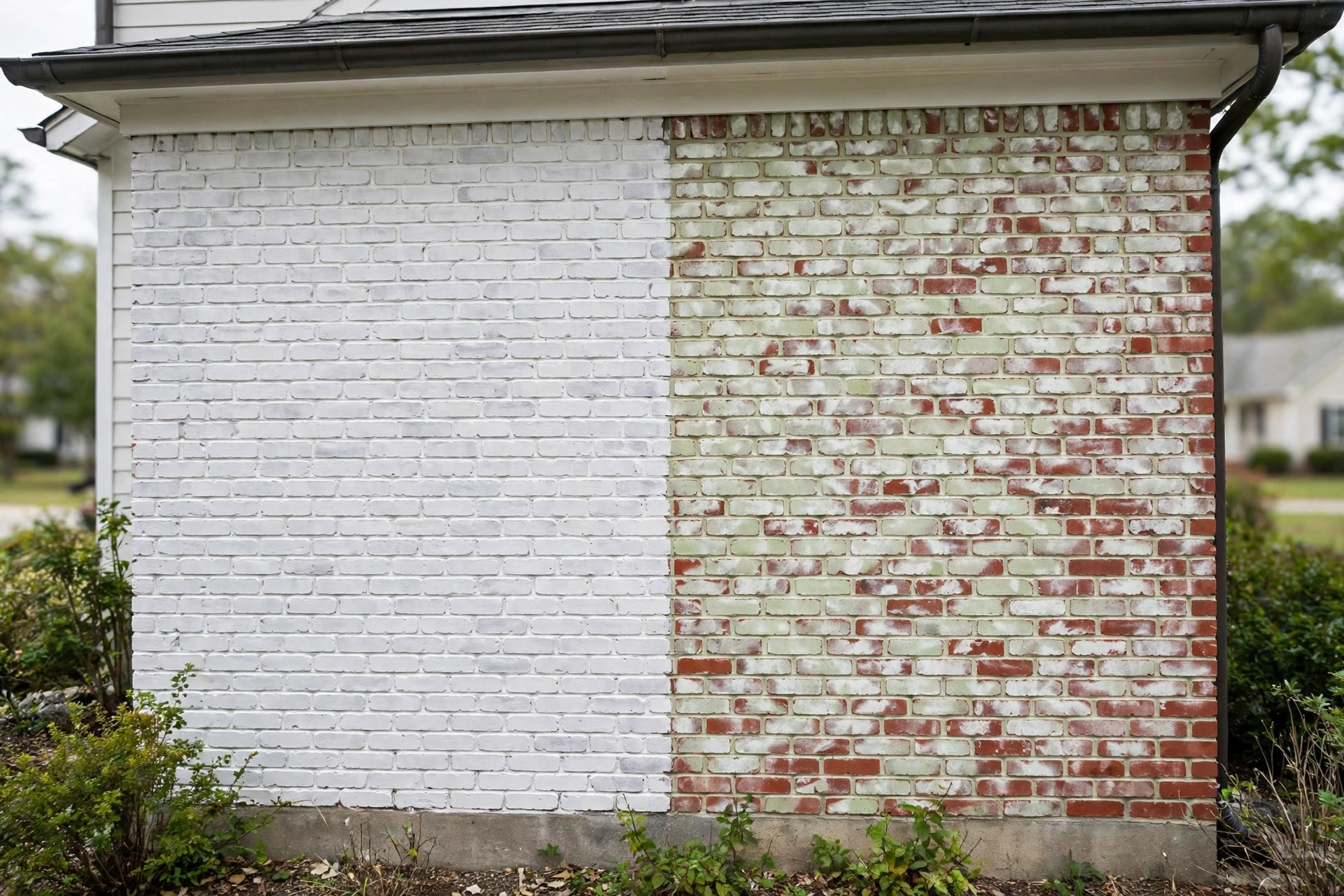

Many home buyers across the United States look at red brick homes and wish for a softer, lighter look. Two old methods give them that look: whitewash and limewash. Both have roots that reach back hundreds of years. Both turn harsh red brick into a calm, pale surface. Yet they are not the same. This whitewash vs limewash brick comparison usa guide explains each method in plain terms, so you can decide which one fits your home, your budget, and your patience for upkeep.
Why It Matters
Brick homes are common in America. They stand strong for a hundred years or more. But the red color can feel dark, dated, or heavy. A fresh coat of paint is one answer, yet paint seals the brick and can trap moisture. Whitewash and limewash do something different. They let the brick breathe. They lighten the color without hiding the texture of the mortar lines and brick faces.
The choice between them matters because the two finishes age in different ways. One lasts longer and costs less to keep up. The other is simpler to apply but may need more touch-ups over time. If you pick the wrong one, you may face extra work each spring. If you pick the right one, your brick can look lovely for many years with little care.
Home sellers also care. A lightened brick home often sells faster. Buyers like the bright, clean look. A sound choice between whitewash and limewash can raise the curb appeal of a home without the cost of full paint or new siding.
What Is Whitewash?: Whitewash vs Limewash Brick Comparison Usa
Whitewash is a thin coat of white paint mixed with water. Old recipes used lime, water, and salt. Modern whitewash usually means latex or acrylic paint thinned down. You brush or rag it onto the brick. Then you wipe some of it off before it dries. The result is a soft, cloudy white veil. The red brick shows through in patches. The texture of the brick stays clear.
Whitewash is easy to find. The paint comes from any paint store. You can match the white to your trim. You can control how much red shows through by how hard you wipe. Many do-it-yourself homeowners choose whitewash for a weekend project. It dries fast. It costs little. It looks fresh and farm-like.
What Is Limewash?
Limewash is older still. It is made from crushed limestone. The stone is heated to make quicklime. Water is added to make a milky wash. When it dries on brick, it forms a thin crust. The finish has a soft, chalky look with gentle color shifts. No two walls look quite the same. The color can range from bright white to soft gray, cream, or even pale taupe, based on the mix.
Limewash bonds with the brick in a special way. It soaks into the pores and hardens. This makes it more lasting than whitewash. It also lets moisture pass through, which is kind to old brick. Historic homes in the South often carry limewash. It fits their age and style.
Whitewash vs Limewash: How They Differ
The two finishes look close at first glance. A closer look shows real differences.
Look and texture. Whitewash is smoother and more even. The paint base gives it a flat, clean tone. Limewash has more depth. It shows soft mottling, like clouds. It never looks flat. If you want a crisp, modern farm look, whitewash suits you. If you want an aged, Old World feel, limewash wins.
Bond to brick. Limewash joins with the brick itself. It becomes part of the wall. Whitewash sits on top. It is closer to paint. This is why limewash holds up better in sun and rain.
Breathability. Both let the wall breathe, but limewash breathes best. It is a mineral finish. Moisture moves through it with ease. Whitewash made from latex paint breathes less. On old, soft brick, limewash is the safer choice.
Ease of removal. Whitewash is harder to remove once dry. Limewash is easier to change. A pressure washer can take much of it off if you wish to start over. This makes limewash more forgiving for first-time users.
Weather and age. Limewash weathers in a graceful way. It fades slowly and evenly. Whitewash can peel in spots, which looks less natural. Over ten years, limewash often keeps its charm. Whitewash may need fresh coats sooner.
How to Choose the Right Finish
Start with your brick. Old brick from before 1940 is often soft. It needs a finish that breathes. Limewash is the wise pick for such walls. New brick is hard and dense. It can take either finish.
Next, think of the look you want. Farmhouse style pairs well with whitewash. The clean white reads fresh and bright. European or colonial style pairs well with limewash. The soft mottling reads old and rich.
Think of your skill level. Whitewash is simple. Mix paint with water, brush it on, wipe it back. Limewash takes a bit more care. You must wet the wall first. You apply the wash in thin coats. You work in the shade so it does not dry too fast. Many guides at The Spruce and Bob Vila walk through both methods step by step.
Think of your climate. Hot sun breaks down paint faster. Limewash stands up to sun better than thinned paint. Cold, wet winters can be hard on both. A good seal of quality work at the start helps either finish last.
Think of future plans. If you may sell the home in a few years, either finish adds value. If you may want to return to bare brick one day, limewash is easier to reverse.
Types and Options
Not all whitewash is the same. You can buy pre-mixed whitewash made for brick. You can mix your own from white latex paint and water, about one part paint to one part water. Some brands sell wash products with a set ratio so the result is steady from wall to wall. Sherwin-Williams and Behr both offer white paints that work well for whitewash mixes.
Limewash comes in more forms. You can buy dry limewash powder and mix it with water. You can buy pre-mixed limewash in buckets. Many brands sell tinted limewash in soft grays, beiges, and warm whites. Benjamin Moore and other paint makers carry lines suited to masonry washes.
Application tools matter too. A wide masonry brush works for both. A rag or sponge helps wipe back whitewash. A garden sprayer keeps the wall damp during limewash work. Home Depot and Lowe’s stock these tools in their paint aisles.
Some homeowners hire pros. A professional brick painting service can handle large walls or two-story homes. The cost is higher, but the work is steady and the clean-up is not yours.
Cost and Price
Both methods are low cost compared to full paint or siding.
Whitewash cost. A do-it-yourself whitewash on a typical home runs from about two hundred to six hundred dollars in materials. Paint, water, brushes, and rags are cheap. If you hire a pro, the job can run from one thousand five hundred to four thousand dollars, based on the size of the home and the prep work.
Limewash cost. Limewash materials cost a bit more. A bucket of quality limewash runs from fifty to one hundred dollars and covers a few hundred square feet. A full home may need five hundred to one thousand dollars in materials. Pro application runs from two thousand to five thousand dollars.
Before you hire anyone, run the numbers with an exterior house painting cost estimator so the bid you get makes sense. Labor is the largest part of the price. Prep work, such as cleaning the brick and fixing bad mortar, adds to the bill either way.
Long-term cost is where limewash pulls ahead. It lasts longer between coats. A whitewash wall may need a fresh coat every three to five years. A limewash wall may go five to ten years with only small touch-ups. Over twenty years, the cheaper long life of limewash can save real money.
Care and Upkeep
Both finishes need light care. Wash the walls once a year with a garden hose to clear dust and cobwebs. Do not use a harsh pressure washer unless you plan to remove the finish. High pressure can strip both whitewash and limewash.
Touch up spots each spring. Keep a small jar of your mix on hand. Note the ratio you used so the new coat matches the old. For limewash, dampen the wall before you touch up. For whitewash, brush on a thin coat and wipe it back to match.
Check the mortar joints each year. If the mortar is crumbling, have it fixed before you recoat. A wash will not hide bad mortar for long. Water can get behind loose joints and push the finish off the wall.
If your walls carry other finishes, such as textured wall coatings, ask the contractor which washes are safe to use over them. Some textures take wash well. Others need a primer first.
In rainy climates, look at the bottom two feet of the wall. Splash-back from the ground wears the finish fastest there. A gravel bed along the base of the wall cuts splash and helps the finish last.
Safety
Both jobs are safe for most adults, but take simple care.
Wear gloves and eye protection. Limewash is alkaline. It can burn skin and eyes while wet. If it gets in your eyes, rinse with clean water for fifteen minutes and seek care if the pain stays.
Work on dry, calm days. Wet walls and high wind make the work hard and the result poor. Use a stable ladder for high spots. Never lean past the rails.
Keep children and pets away from the work area until the finish dries. Limewash takes about a day to set. Whitewash dries in a few hours.
If your home was built before 1978, test old paint on the brick for lead before you sand or scrape. Lead dust is a real hazard. Many home improvement guides explain safe test and work methods.
Read the label on every product you buy. Follow the mix ratios. Good results come from patience, not from thick coats.
Frequently Asked Questions
Which lasts longer, whitewash or limewash? Limewash lasts longer. It bonds with the brick and weathers slowly. Most limewash walls look good for five to ten years. Whitewash made from thinned paint often needs new coats every three to five years.
Can I apply limewash over whitewash? It is not wise. Limewash needs bare, porous brick to bond well. Whitewash seals some of the pores. If your wall already has whitewash, you must strip it or choose whitewash again for the new coat.
Does limewash damage brick? No. Limewash is one of the kindest finishes for brick. It is mineral based and lets moisture pass through. It is used on historic brick around the world. Paint can trap moisture and harm old brick. Limewash does not.
How much brick shows through each finish? That is up to you. Both can range from nearly solid white to a light veil with much red showing. Whitewash gives you control through wiping. Limewash gives you control through the number of coats. One coat shows more brick. Two coats show less.
Can I do this myself, or should I hire a pro? A one-story home with easy access is a fine do-it-yourself job. Many homeowners finish a wall in a weekend. A tall or large home is better left to pros with scaffolds and spray gear. When in doubt, get two bids and compare.
Will whitewash or limewash raise my home value? Both can lift curb appeal, which helps a sale. Buyers like light, clean brick. Real value comes from sound brick and good upkeep, not just looks. A well-kept wash on solid brick is a plus. A wash over failing mortar is not.
A Short Final Word
This whitewash vs limewash brick comparison usa shows that both finishes have a place. Whitewash is cheap, simple, and bright. Limewash is lasting, breathable, and rich with old charm. Match the finish to your brick, your style, and your plans. Take your time with prep work. Good prep is half the job. With care, your brick will look its best for many years to come. For more ideas on fresh exterior looks, see style notes at HGTV.
References
Behr. (n.d.). Paints, primers, and stains. https://www.behr.com Benjamin Moore. (n.d.). Paints and stains. https://www.benjaminmoore.com Bob Vila. (n.d.). Home improvement advice. https://www.bobvila.com HGTV. (n.d.). Home and garden ideas. https://www.hgtv.com Lowe’s. (n.d.). Home improvement products. https://www.lowes.com Sherwin-Williams. (n.d.). Paints and coatings. https://www.sherwin-williams.com The Home Depot. (n.d.). Home improvement products. https://www.homedepot.com The Spruce. (n.d.). Home and garden advice. https://www.thespruce.com This Old House. (n.d.). Home renovation guidance. https://www.thisoldhouse.com
Was this guide helpful?

About Michael Thompson
The My Garden US editorial team writes practical, in-depth home and garden guides for American homeowners — tested advice, no fluff.
You May Also Like

Painting Brick House Pros and Cons USA: What Every Homeowner Should Know
February 7, 2026 0 views
Best Paint Sprayer for Home Use Reviews
January 24, 2026 0 views
Best Paint for Brick Fireplace Makeover in the USA
February 12, 2026 0 views