Beets are one of the most satisfying vegetables a beginner can grow. They sprout fast, size up in under two months, and give you two crops in one - sweet earthy roots below ground and tender greens above that cook like chard. If you want to learn how to grow beets, the whole trick comes down to three things: thin the seedlings without mercy, keep the soil evenly moist, and pull the roots while they are still young and tender.
Table of Contents
Table of Contents
Beets (Beta vulgaris) grow in zones 3 through 10 as a cool-season crop, maturing in 50 to 70 days. They handle light frost and actually sweeten in cool fall weather, which makes them a perfect spring and fall vegetable across most of the United States. In the hottest zones, plant them only in the cool season.

Photo: Wikimedia Commons
Choosing a Variety
When it comes to how to grow beets, getting the details right makes all the difference.

Many homeowners find that how to grow beets is easier than they expected once they know the basics.
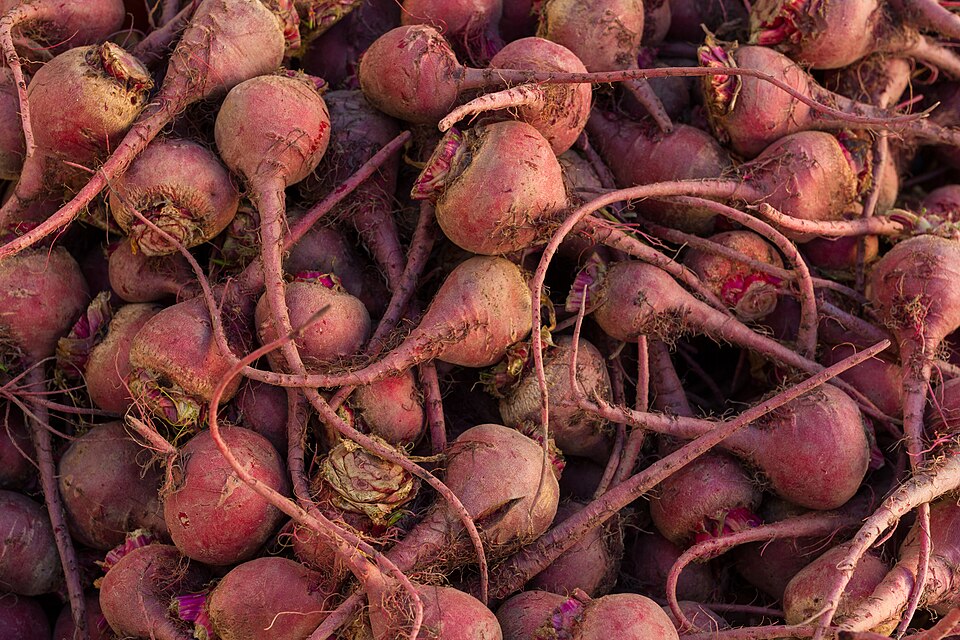
Red beets are the classic, but the seed rack holds much more. Golden beets are mellow and sweet and do not bleed color into everything they touch. Chioggia beets wear candy-striped rings of pink and white that look stunning sliced raw. Baby beet mixes let you pull roots small and tender over a long season.
For most home gardens, a reliable round red type is the workhorse - it sizes up evenly and stores well. If your soil runs low on boron (common in sandy ground), look for variety notes mentioning resistance to internal black spot. Gardenia.net and the Missouri Botanical Garden plant finder both carry variety descriptions worth reading before you buy seed.
When and How to Plant
Many homeowners find that how to grow beets is easier than they expected once they know the basics.
The key to how to grow beets is choosing the right approach for your space and budget.
Direct sow - beets dislike transplanting. Sow seeds half an inch deep about three weeks before your last spring frost; they germinate in cool soil and the young plants shrug off light frosts. For a fall crop, sow about ten weeks before your first fall frost. Check your zone's exact dates on our planting calendar and count backward.
Here is the quirk every new beet grower must know: each corky "seed" is actually a cluster containing several seeds. A single seed ball sprouts a clump of seedlings. Thin ruthlessly to 3 to 4 inches apart once seedlings are a couple of inches tall. Unthinned beets stay marble-sized no matter how long you wait. It feels wasteful to pull healthy seedlings, but thinning is the difference between a real harvest and a bed of ping-pong balls. The thinnings make fine microgreens - eat your mistakes.
Soaking the seed balls overnight before sowing softens the corky coat and speeds germination noticeably. Sow in rows or wide bands, and keep the seedbed moist until seedlings are up.
Soil and Sun
The key to how to grow beets is choosing the right approach for your space and budget.
With a little planning, how to grow beets can fit even a busy schedule.
Beets want fertile, stone-free soil. Stones and clods push roots into forked, stunted shapes, so pick them out of the top few inches of the bed. Loose, deep soil lets roots swell into smooth rounds. Work in compost before sowing, and make sure the soil has a touch of boron - boron deficiency causes hollow, black-spotted hearts. A soil test tells you where you stand; Clemson Cooperative Extension explains home soil testing in plain language.
Full sun gives the sweetest, fastest roots, though beets tolerate a little shade. Avoid fresh manure in the beet bed - it causes forked, hairy roots. Well-rotted compost is the safe choice. Beets prefer a near-neutral pH; very acidic soil stunts them, so lime if a test says the ground is sour.
Watering and Feeding
With a little planning, how to grow beets can fit even a busy schedule.
Before you start, it helps to understand how how to grow beets works in real homes.
Keep soil evenly moist from sowing to harvest. Drought makes roots woody and brings out pale rings inside the flesh; uneven watering causes cracking. About an inch of water a week, from rain or the hose, does the job in most climates. Mulch lightly once plants are established to hold moisture and keep soil cool.
Beets are light feeders. The compost you worked in at planting plus a mid-season side-dressing of compost is usually enough to keep them sizing up. Too much nitrogen grows big tops and small roots - the classic beginner error. If leaves look pale despite good moisture, a light feeding of balanced fertilizer helps, but restraint pays. The Old Farmer's Almanac vegetable guides give simple feeding schedules, and the Clemson HGIC covers beet nutrition in detail.
Care Through the Season
Before you start, it helps to understand how how to grow beets works in real homes.
A good plan for how to grow beets saves time, money, and frustration.
Weed early and gently - beet seedlings compete poorly, and their shallow roots hate deep hoeing. A light mulch after thinning suppresses weeds and keeps soil moisture steady.
Watch for leaf miners, the pest that draws pale tunnels through the leaves. Pinch out and destroy tunneled leaves, or cover the bed with floating row cover from sowing to keep the flies off entirely. Row cover also speeds early growth by warming the bed. In hot weather, shade cloth over the fall planting keeps soil cool and sweetens roots.
Succession sow every two to three weeks through the cool season for a steady supply rather than one giant glut. A spring sowing gives early summer roots; sow again in late summer for fall roots that sweeten after light frost. In mild-winter regions (zones 8 to 10), a late fall sowing can carry right through winter with a row cover for protection.
Beets pair well in the bed with carrots and lettuce - all cool-season crops with similar timing that you can sow the same week. Keep the bed evenly moist during germination; a board laid over the row for a few days holds moisture in dry weather - just lift it daily to check for sprouts. Once seedlings are up, a shallow cultivation between rows keeps weeds from stealing water.
Watch soil temperature at sowing. Beet seed germinates best when soil is cool but not cold - roughly the temperature of early spring ground. In hot soil, germination turns spotty; wait for a cool spell or shade the bed with a board until sprouts appear. A second sowing two weeks after the first fills any gaps the first round left.
Harvest
A good plan for how to grow beets saves time, money, and frustration.
For most people, how to grow beets comes down to a few smart choices.
Pull beets when roots reach 2 to 3 inches across - bigger roots turn woody and lose sweetness. Loosen the soil with a fork first, then pull. Twist off the tops, leaving about an inch of stem attached; cutting too close makes the roots bleed color and flavor in storage.
Do not throw away the greens. Young beet greens cook exactly like chard - sautéed with garlic they are one of the best vegetables in the garden. Harvest outer greens young while roots are still sizing up.
Store roots in the refrigerator for weeks, or layer them in damp sand in a cool cellar for months. For longer keeping, beets pickle beautifully and freeze well after blanching. Roasting is the cook's secret weapon: wrap whole beets in foil and roast until tender, and the skins slip right off while the flesh turns candy-sweet. Save the cooking liquid from boiled beets too - it makes a fine natural dye for eggs and frosting.
If you fall in love with beets, try growing a patch of Swiss chard alongside. It is the same species, grown for its leaves, and the two crops share pests, timing, and bed preparation - what you learn on beets transfers directly.
Troubleshooting
For most people, how to grow beets comes down to a few smart choices.
If you are new to how to grow beets, start with the simplest option and build from there.
Tiny roots that never size up: Almost always a thinning failure. If you skipped thinning, do it now - even late thinning helps the survivors.
Woody, tough roots: Drought or oversized roots. Water evenly and harvest at 2 to 3 inches.
Forked or hairy roots: Fresh manure or stony, compacted soil. Use only finished compost and pick stones from the bed.
Black spots inside (hollow heart): Boron deficiency. A soil test confirms it; borax applied at label rates corrects it, but go easy - too much boron is toxic to plants.
Leaf miner tunnels: Pinch out affected leaves or cover with row fabric from sowing. UF IFAS Gardening Solutions has photos to confirm the diagnosis.
Bolting (flower stalk in year one): A cold snap after warm weather can trigger it. Pull bolted plants - the root turns woody - and sow the next round.
Pale rings in the flesh: Uneven watering or heat stress. Mulch and water consistently; fall crops usually show cleaner rings. The USDA PLANTS Database carries botanical background, and the USDA National Agricultural Library indexes research on beet growing.
Slow or spotty germination: Old seed or dry seedbed. Beet seed stays viable for several seasons if kept cool and dry, but germination drops with age - buy fresh seed if your packet is ancient. Keep the seedbed damp until seedlings are up; a crust of dry soil can trap sprouts below the surface. A light raking to break the crust helps late emergers through.
Bitter greens: Heat and drought stress push bitter compounds into the leaves. Harvest greens young, water steadily, and grow the fall crop for the mildest tops.
References
If you are new to how to grow beets, start with the simplest option and build from there.
When it comes to how to grow beets, getting the details right makes all the difference.
Clemson University Cooperative Extension Service. (n.d.). Growing beets in the home garden. https://hgic.clemson.edu/
University of Minnesota Extension. (n.d.). Growing beets in home gardens. https://extension.umn.edu/
Old Farmer's Almanac. (n.d.). Growing beets. https://www.almanac.com/
Many homeowners find that how to grow beets is easier than they expected once they know the basics.
When it comes to how to grow beets, getting the details right makes all the difference.
Was this guide helpful?

About My Garden US
The My Garden US editorial team writes practical, in-depth home and garden guides for American homeowners — tested advice, no fluff.
You May Also Like
Garlic Bulbs Planting Buying Guide USA: How to Choose and Grow Seed Garlic
February 11, 2026 26 views
Where to Find Daffodil Bulb Packs Deals Near Me
July 26, 2026 10 views
Monstera Plants Sale USA Online Deals: A Practical Guide
March 29, 2026 19 views