If you grow one vegetable this year, make it lettuce. Known to botanists as Lactuca sativa, it suits zones 3 through 11 and goes from planting to harvest in roughly 45 to 65 days. Remember this and you are most of the way there: sow every 2 weeks for continuous harvest. bolts in heat - give afternoon shade and grow as a fall/winter crop in hot zones.
When it comes to how to grow lettuce, getting the details right makes all the difference.
Table of Contents
Table of Contents
- At a Glance
- Choosing a Variety
- When and How to Plant
- Soil and Sun
- Watering and Feeding
- Care Through the Season
- Season by Season
- Harvest
- Storing and Preserving the Harvest
- Troubleshooting
- Frequently Asked Questions
- How long does lettuce take to grow?
- Can I grow lettuce in containers?
- What is the hardest part of growing lettuce?
- When should I plant lettuce?
- References
This guide covers the full season in plain terms - varieties, timing, soil, water, pests, and harvest. The USDA PLANTS database lists Lactuca sativa with its full background if you want the botanical fine print.
Why bother with lettuce? Because it delivers a fast payoff by garden standards: roughly 45 to 65 days from planting to harvest. Few other plantings turn a packet of seed into this much food or color this quickly. Across zones 3 to 11, home gardeners grow it with steady success. Bolts quickly in sustained heat; in zones 11-13 grow only in the cool season.

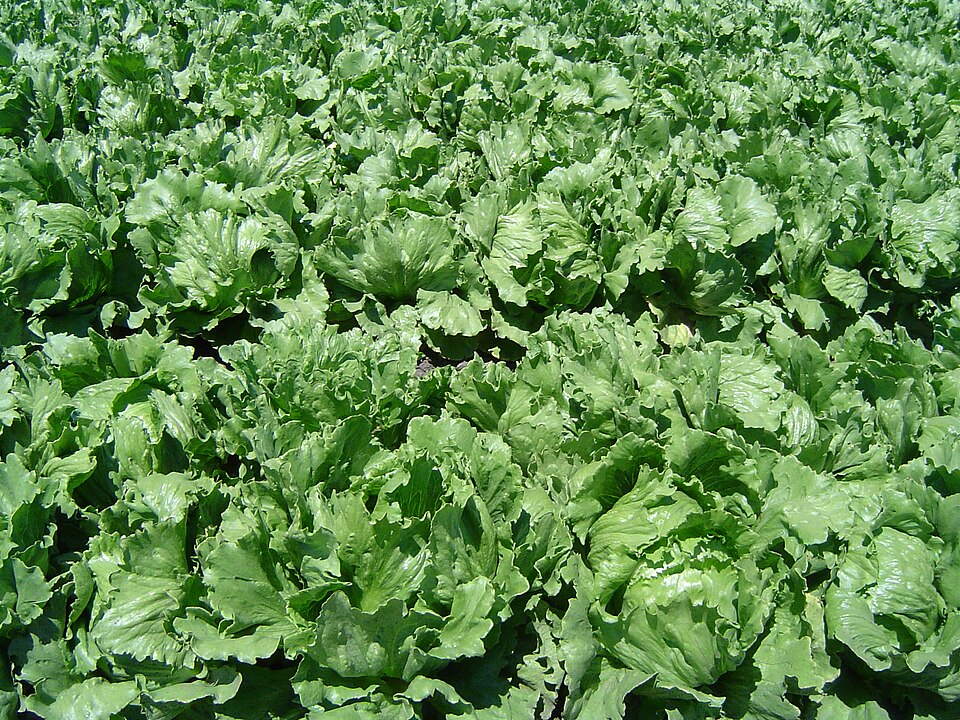
Photo: Wikimedia Commons
At a Glance
When it comes to how to grow lettuce, getting the details right makes all the difference.

Many homeowners find that how to grow lettuce is easier than they expected once they know the basics.
- Botanical name: Lactuca sativa
- Type: Vegetable
- USDA zones: 3 to 11
- Sun: Full sun to part shade
- Soil: Fertile, moisture-retentive soil
- Water: Keep evenly moist
- Spacing: 8 inches apart
- Planting depth: 1/4 inch deep
- Days to maturity: 45 to 65 days
- How to start: Start indoors or sow directly
Choosing a Variety
Many homeowners find that how to grow lettuce is easier than they expected once they know the basics.
The key to how to grow lettuce is choosing the right approach for your space and budget.
Looseleaf types are the fastest - pick outer leaves in weeks. Romaine gives crunchy hearts for salads. Butterheads form soft tender heads. Crispheads like iceberg need the longest cool season and frustrate beginners - skip them at first. Heat-tolerant varieties extend the season where summers run warm. Red-leaf types add color and often resist bolting a bit longer. Sow a pinch of several types every two weeks; variety in the salad bowl beats a single planting that all matures at once. Our guide to growing spinach pairs well with this one if you are planning the bed. The Old Farmer's Almanac variety guides add regional picks worth comparing.
When and How to Plant
The key to how to grow lettuce is choosing the right approach for your space and budget.
With a little planning, how to grow lettuce can fit even a busy schedule.
Get the timing right and lettuce nearly grows itself. Start seeds indoors about 4 weeks before your last spring frost.
Set transplants out right around your last spring frost date. Sow seed directly about 4 weeks before your last spring frost. For a fall crop, sow about 8 weeks before your first fall frost.
Zones shift every date by weeks, so check your USDA zone planting dates on our planting calendar to pin yours down. The Old Farmer’s Almanac publishes frost-date tables worth bookmarking too.
Space plants 8 inches apart and place seed or roots 1/4 inch deep. Crowding invites disease and cuts yields, so resist the urge to squeeze in extras. Bolts quickly in sustained heat; in zones 11-13 grow only in the cool season. For regional timing detail, the UF IFAS Gardening Solutions is worth a read.
Soil and Sun
With a little planning, how to grow lettuce can fit even a busy schedule.
Before you start, it helps to understand how how to grow lettuce works in real homes.
Sun first: full sun to part shade is non-negotiable for strong lettuce plants. For soil, aim for fertile, moisture-retentive soil. A 2- to 3-inch layer of compost worked into the top 8 inches fixes most problems before they start.
Sandy soil dries fast - compost helps it hold water. Clay holds too much - compost and raised beds fix that. Either way, the Almanac planting calendar has solid guidance on preparing ground for lettuce.
Watering and Feeding
Before you start, it helps to understand how how to grow lettuce works in real homes.
A good plan for how to grow lettuce saves time, money, and frustration.
The watering recipe for lettuce is simple: keep evenly moist. Deep, less-frequent soakings beat daily sprinkles; they push roots down where the soil stays cool and moist longer.
Mulch is the cheapest irrigation helper you own: 2 to 3 inches of straw or shredded leaves keeps soil moisture even between waterings. The Gardenia covers watering lettuce through hot spells.
Go easy on fertilizer. Compost at planting time plus a modest mid-season feeding is plenty for lettuce. Heavy nitrogen grows big soft plants that pests and disease love.
Care Through the Season
A good plan for how to grow lettuce saves time, money, and frustration.
For most people, how to grow lettuce comes down to a few smart choices.
Mid-season care is where harvests are won or lost. Keep soil consistently moist; drought makes leaves bitter. Mulch to cool roots and a floating row cover deters slugs, aphids, and flea beetles. Watch for downy mildew and bottom rot in wet weather -- space for airflow and water at soil level. Feed lightly; too much nitrogen makes soft, disease-prone growth. Walk the rows weekly - catching a pest or a dry spell early beats any rescue later.
Take this tip to heart: sow every 2 weeks for continuous harvest. bolts in heat - give afternoon shade and grow as a fall/winter crop in hot zones. It sounds small and it matters more than most products sold to gardeners. Our guide to growing kale makes a good companion read for the same bed. When pests show up, the Gardenia guides help you name them fast.
Do not overlook airflow. Plants packed too tightly stay wet longer after rain, and wet leaves are where fungal diseases start. Thin to the spacing in this guide even when seedlings look lonely - they will fill in faster than you expect.
Season by Season
For most people, how to grow lettuce comes down to a few smart choices.
If you are new to how to grow lettuce, start with the simplest option and build from there.
Think of the year in four jobs. Spring: Start seeds indoors about 4 weeks before your last spring frost. Set transplants out right around your last spring frost date. Sow seed directly about 4 weeks before your last spring frost. For a fall crop, sow about 8 weeks before your first fall frost. Get compost into the bed early and give transplants a week of hardening off. Summer: water deeply, mulch well, and scout for trouble weekly; harvest at peak and keep picking to prolong the season. Fall: gather the last of the crop.
Where the season allows, a fall sowing about 8 weeks before your first fall frost stretches the harvest. Clear finished plants and protect the soil with mulch or a cover crop. Winter: sharpen tools, order seed, and plan rotations. In winter, rest: clean tools, order seed early for the best selection, and sketch next year's bed plan while the garden sleeps.
Harvest
If you are new to how to grow lettuce, start with the simplest option and build from there.
When it comes to how to grow lettuce, getting the details right makes all the difference.
Nothing beats the flavor of lettuce picked at the right moment. Here is how to tell when that moment arrives, and what to do next.
Harvest outer leaves as needed for cut-and-come-again picking, or cut whole heads at the base. Morning harvest gives the crispest leaves. Rinse, spin dry, and refrigerate in a bag with a paper towel. Pro tip: once a plant bolts and turns bitter, pull it -- but leave one to flower and you'll get free self-sown lettuce. For another harvest-season read, see our guide to growing carrots. Cross-check ripeness signs with the University of Minnesota Extension harvest notes.
Storing and Preserving the Harvest
When it comes to how to grow lettuce, getting the details right makes all the difference.
Many homeowners find that how to grow lettuce is easier than they expected once they know the basics.
Eat fresh first - nothing you preserve will beat lettuce picked at peak. Refrigerate what you cannot use right away; most vegetables hold several days to two weeks chilled. For the surplus, freezing is the simplest path: blanch cut pieces briefly in boiling water, plunge into ice water, drain well, and pack in freezer bags with the air pressed out. Frozen vegetables keep their quality for months and go straight into cooked dishes.
Canning suits the harvest glut too - high-acid foods like tomatoes are safe in a water bath, but low-acid vegetables must go through a pressure canner; never guess at this, since botulism is odorless. Root types such as carrots store for months in a cool, humid spot, packed in damp sand. Label every bag or jar with the variety - by midwinter every frozen bag looks identical, and the label is the difference between a planned meal and a mystery.
Troubleshooting
Many homeowners find that how to grow lettuce is easier than they expected once they know the basics.
Bolting in heat - give shade and succession sow. Slugs chew holes - trap or bait. Aphids hide in hearts - rinse well. Bottom rot in wet crowded plantings - space for air. Bitter leaves mean drought or heat - water evenly and harvest young. For help naming a mystery symptom, the USDA PLANTS database diagnostic pages are excellent.
Frequently Asked Questions
How long does lettuce take to grow?
About 45 to 65 days from planting to harvest, depending on variety and weather. Warm seasons and good soil hit the early end of that range.
Can I grow lettuce in containers?
Yes - lettuce suits containers well. Use a pot at least 12 inches wide and deep with drainage holes, good potting mix, and a sunny spot. Pots dry fast, so check water daily in summer.
What is the hardest part of growing lettuce?
Sow every 2 weeks for continuous harvest. Bolts in heat - give afternoon shade and grow as a fall/winter crop in hot zones. Master that one point and most other problems never show up.
When should I plant lettuce?
Work backward from your frost dates: Start seeds indoors about 4 weeks before your last spring frost. Set transplants out right around your last spring frost date. Sow seed directly about 4 weeks before your last spring frost. For a fall crop, sow about 8 weeks before your first fall frost. Check your USDA zone planting dates on our planting calendar to pin down your exact window.
References
University of Minnesota Extension. (n.d.). Growing lettuce in home gardens. https://extension.umn.edu/
Clemson Cooperative Extension. (n.d.). Lettuce. Home & Garden Information Center. https://hgic.clemson.edu/
Old Farmer's Almanac. (n.d.). Planting calendar. https://www.almanac.com/planting-calendar
U.S. Department of Agriculture. (n.d.). Lactuca sativa. PLANTS database. https://plants.usda.gov/home
Was this guide helpful?

About My Garden US
The My Garden US editorial team writes practical, in-depth home and garden guides for American homeowners — tested advice, no fluff.