When it comes to how to grow kale, getting the details right makes all the difference.
Table of Contents
Table of Contents
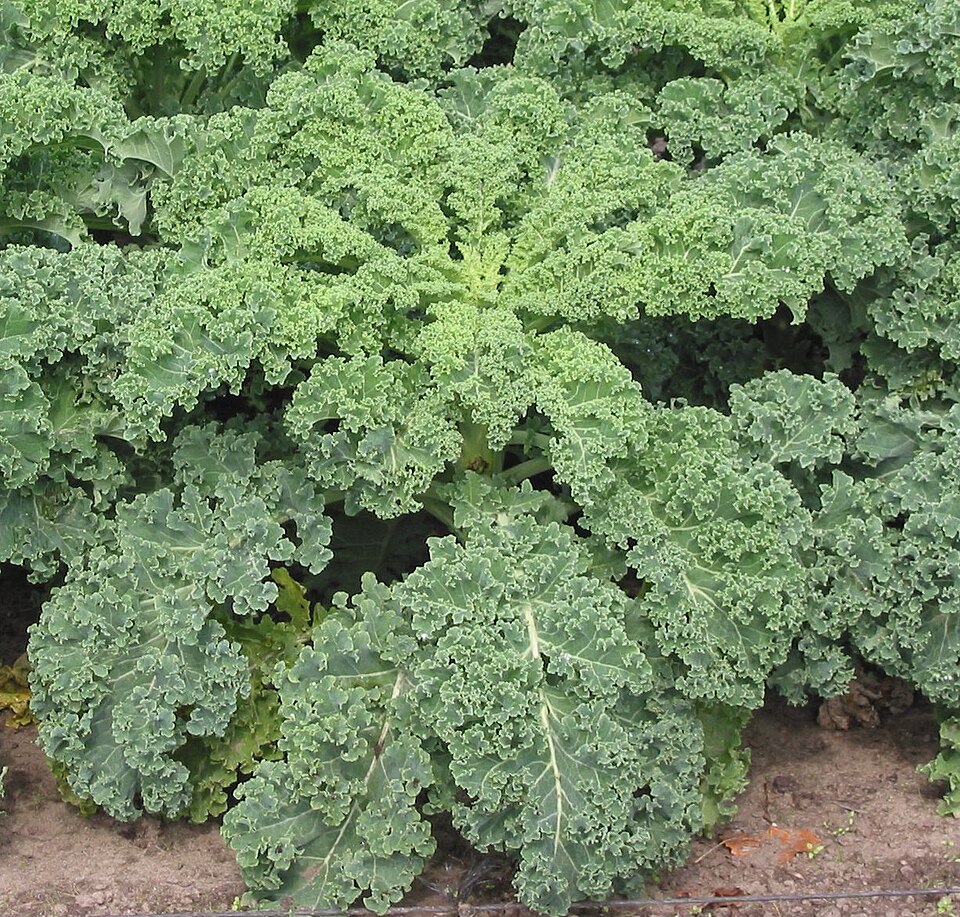
Photo: Wikimedia Commons
Kale went from cattle feed to superfood, but gardeners always knew its secret: it is one of the toughest, most generous greens you can grow. It shrugs off frost that kills lesser crops, keeps producing for months, and tastes better after a cold snap. A row of kale is winter insurance for your table.
Vegetables like this one are the heart of the home garden for a simple reason: nothing you buy tastes like what you pick yourself. Fresh-picked produce carries flavor that shipping and storage strip away, and a modest bed can cut your grocery bill while it improves your cooking. The advice below is written for real American backyards, from small raised beds to full rows, with timing tied to your frost dates rather than a calendar that ignores your climate.
Direct sow 1/4 to 1/2 inch deep or start indoors for transplanting; kale is tough and forgiving either way. Space 12 to 18 inches apart in rich, well-drained soil with compost. It tolerates cold remarkably and actually sweetens after frost, so plan for it to hold late into the season.
At a Glance
When it comes to how to grow kale, getting the details right makes all the difference.

Many homeowners find that how to grow kale is easier than they expected once they know the basics.
- Plant: Kale (Brassica oleracea)
- Type: Vegetable
- Sun: Full sun
- Soil: Fertile, well-drained soil
- Water: Even moisture
- Spacing: 18 inches
- Planting depth: Plant about a quarter inch deep
- Time to maturity: 55 to 75 days
- USDA zones: 3–10
Getting Started: Picking the Right Variety
Many homeowners find that how to grow kale is easier than they expected once they know the basics.
The key to how to grow kale is choosing the right approach for your space and budget.
Seed racks and catalogs can overwhelm a beginner with choices, so keep variety selection simple: match the variety to your season length first, flavor second, and novelty last. Look for types described as suited to your region - short-season or heat-tolerant types where summers run long, cold-hardy or bolt-resistant types where spring warms up fast. Disease resistance is worth paying for, since it cuts spraying and disappointment alike. If you are new to this crop, start with a well-known, widely adapted variety rather than chasing the newest introduction; the classics became classics by performing for ordinary gardeners in ordinary soil.
Botanically this is Brassica oleracea, and how you start it shapes the whole season. Start seeds indoors about six weeks before your last spring frost. Set transplants out about two weeks before your last spring frost - it handles the chill. Buy healthy, stocky starts - leggy, root-bound plants never fully recover. The University of Minnesota Extension publishes detailed, research-based growing guides for home gardeners. You can confirm the native range and growing conditions in the USDA PLANTS Database.
When and How to Plant
The key to how to grow kale is choosing the right approach for your space and budget.
With a little planning, how to grow kale can fit even a busy schedule.
Timing is the skill that separates good results from disappointing ones, and it all hangs on your frost dates, not the calendar on the wall. Start seeds indoors about six weeks before your last spring frost. Set transplants out about two weeks before your last spring frost - it handles the chill. Sow directly about two weeks before your last spring frost - this one goes in while the soil is still cool. For a fall crop, sow about ten weeks before your first fall frost.
Plant about a quarter inch deep. Space plants about 18 inches apart. From sowing to harvest takes roughly 55 to 75 days. Firm the soil gently around seeds or roots and water everything in well - that first watering settles soil against the roots and starts growth off right.
To pin down the right week for your zip code, check your USDA zone planting dates on our planting calendar. It lists indoor sowing, transplanting, and direct sowing windows for hundreds of plants by zone, so you can plan the whole season in one sitting.
Starting Seeds Indoors
Count back about six weeks from your expected last spring frost and sow in cell packs or small pots filled with damp seed-starting mix. Cover lightly (or leave uncovered if the seed needs light), keep the mix moist but not soggy, and give warmth for germination followed by the strongest light you have - a sunny window is rarely enough, and leggy seedlings are the classic indoor failure. Harden plants off for a week before they move outside: a few hours of outdoor shade at first, building to full days.
Sowing Directly Outdoors
Sow directly about two weeks before your last spring frost - this one goes in while the soil is still cool. Rake the bed smooth, sow at the depth noted above, and keep the seedbed evenly moist until seedlings are up - a light mulch of straw or a floating row cover holds moisture and foils birds. Thin seedlings to their final spacing on time; crowded seedlings compete, stretch, and never quite recover.
Planting for a Fall Crop
Count back about ten weeks from your first fall frost and sow then. Fall crops often outperform spring ones - cooler weather, fewer pests, and sweeter flavor. Keep the seedbed watered through late-summer heat, and be ready with row cover if an early cold snap threatens young plants. The Old Farmer's Almanac offers practical, beginner-friendly growing advice for this crop. Gardenia.net offers clear, gardener-written growing guides for this plant.
Soil and Sun
With a little planning, how to grow kale can fit even a busy schedule.
Before you start, it helps to understand how how to grow kale works in real homes.
Kale wants full sun. Aim for at least six hours of direct sun a day - more is better for flavor, bloom, and disease resistance.
For soil, give it fertile, well-drained soil. Before planting, work several inches of finished compost into the top 6 to 8 inches of soil. Compost feeds the soil life that feeds your plants, improves drainage in clay, and helps sand hold water. Most vegetables prefer a near-neutral pH; if you have never tested your soil, a simple test through your local extension office is cheap and tells you exactly what to add.
Zone-wise, it is at home in USDA zones 3 through 10. If you are at the warm edge of that range, afternoon shade and deep mulch help; at the cold edge, a sheltered microclimate near a south-facing wall can make the difference. Cross-check your frost dates against the Almanac's planting calendar before you sow. The Missouri Botanical Garden plant profiles are excellent for checking mature size and culture.
Watering and Feeding
Before you start, it helps to understand how how to grow kale works in real homes.
A good plan for how to grow kale saves time, money, and frustration.
Plan your watering around this: even moisture. Mulch is your best friend here - it holds moisture in the root zone and keeps watering even between rains.
Feed vegetables modestly but steadily. A balanced organic fertilizer or compost side-dressing at planting and again mid-season covers most crops; leafy types appreciate extra nitrogen, while fruiting types do better with less. Water deeply and less often rather than sprinkling daily - deep watering grows deep roots. Mulch with straw or shredded leaves to hold moisture and keep soil off the leaves. For pest and disease identification, Clemson's Home and Garden Information Center is one of the best free resources available.
Care Through the Season
A good plan for how to grow kale saves time, money, and frustration.
For most people, how to grow kale comes down to a few smart choices.
Water steadily and mulch to keep soil cool and moist. Feed with nitrogen for vigorous leaf growth. Watch for cabbage worms, loopers, and flea beetles -- floating row cover from day one prevents most damage, and Bt spray handles caterpillars organically. Strip yellowing lower leaves to improve airflow.
A few grower tips specific to kale: Flavor sweetens after a light frost. Extremely cold-hardy - often survives winter under snow in zones 4+. Small habits make the difference with vegetables: mulch early, water deeply, and walk the rows every few days so problems never get a head start.
Stay ahead of weeds while plants are small - a quick hoeing every week or two beats a weekend of wrestling later. Watch the undersides of leaves for the first aphids or caterpillars; catching pests early means a strong spray of water or handpicking solves what later needs spraying. Keep a simple garden notebook: what you planted, when, and how it did. That record is worth more than any book. UF/IFAS Gardening Solutions covers growing basics that apply well beyond Florida.
Harvest
For most people, how to grow kale comes down to a few smart choices.
If you are new to how to grow kale, start with the simplest option and build from there.
Harvest outer leaves from the bottom up once they reach hand size, always leaving the central growing bud intact; the plant keeps producing for months. Frost-kissed leaves are sweetest. Refrigerate in bags; kale also freezes well after blanching. Pro tip: leave plants standing through hard frost -- the cold converts starches to sugars and the flavor transforms.
Eat the harvest at its peak - vegetables lose sweetness and texture with every hour after picking, so plan meals around the garden, not the other way around. Most vegetables store best unwashed in the refrigerator, and many freeze well after a quick blanch. When a planting is finished, pull it and sow a fall crop or a cover crop; bare soil is a wasted opportunity. Clemson Cooperative Extension has solid fact sheets on planting and care.
A Season With Kale
If you are new to how to grow kale, start with the simplest option and build from there.
When it comes to how to grow kale, getting the details right makes all the difference.
Spring is the busy season: prepare beds, sow or transplant on schedule, and get supports and row cover in place before you need them. Early attention pays off all year - a week lost to weeds in spring costs a month of growth later. Summer is about maintenance: water deeply, mulch, harvest often, and sow fall crops while the days are still long. Fall brings the second harvest and clean-up - pull finished plants, compost the healthy ones, and sow a cover crop or mulch bare beds. Winter is for planning: note what worked, order seed early for the best selection, and sharpen tools. A garden run on this rhythm gets easier every year.
Troubleshooting
When it comes to how to grow kale, getting the details right makes all the difference.
Many homeowners find that how to grow kale is easier than they expected once they know the basics.
Struggles through hot summers in zones 11-13; grow as a winter crop there. In practical terms, match the plant to your climate before you buy - fighting a plant's nature is a losing game, while choosing one suited to your zone makes everything else easy.
Why did my plants bolt or go to seed? Heat and long days trigger bolting in cool-season crops - the fix is earlier planting, afternoon shade, or switching to a fall crop. Why are leaves full of holes? Identify the chewer first: caterpillars (handpick or use Bt), flea beetles (row cover), slugs (trap and remove). Why no fruit? Usually heat, poor pollination, or excess nitrogen - check each in turn before changing anything.
Every garden has a learning curve, and this plant is a forgiving teacher. Start small, follow the steps above, and adjust based on what you see - your own patch will teach you the rest faster than any guide. The USDA National Agricultural Library holds deep reference material on this plant's cultivation and history.
Keep Exploring
Many homeowners find that how to grow kale is easier than they expected once they know the basics.
The key to how to grow kale is choosing the right approach for your space and budget.
If you enjoyed this guide, keep going with our guide to growing garlic, our guide to growing potato, our guide to growing sweet potato - and check your USDA zone planting dates on our planting calendar to plan what goes in next.
References
The key to how to grow kale is choosing the right approach for your space and budget.
With a little planning, how to grow kale can fit even a busy schedule.
U.S. Department of Agriculture. (n.d.). National Agricultural Library. https://www.nal.usda.gov/
U.S. Department of Agriculture. (n.d.). PLANTS database. https://plants.usda.gov/home
Gardenia.net. (n.d.). Growing kale in home gardens. https://www.gardenia.net/
Missouri Botanical Garden. (n.d.). Plant finder. https://www.missouribotanicalgarden.org/
Was this guide helpful?

About My Garden US
The My Garden US editorial team writes practical, in-depth home and garden guides for American homeowners — tested advice, no fluff.
You May Also Like
Snake Plants Indoor Deals Near Me: A Simple Buying Guide
May 23, 2026 13 views
How to Grow Turkish Rocket: Perennial Greens
October 21, 2026 29 views
Sunflower Seed Packs: A Guide for American Homes
July 13, 2026 14 views