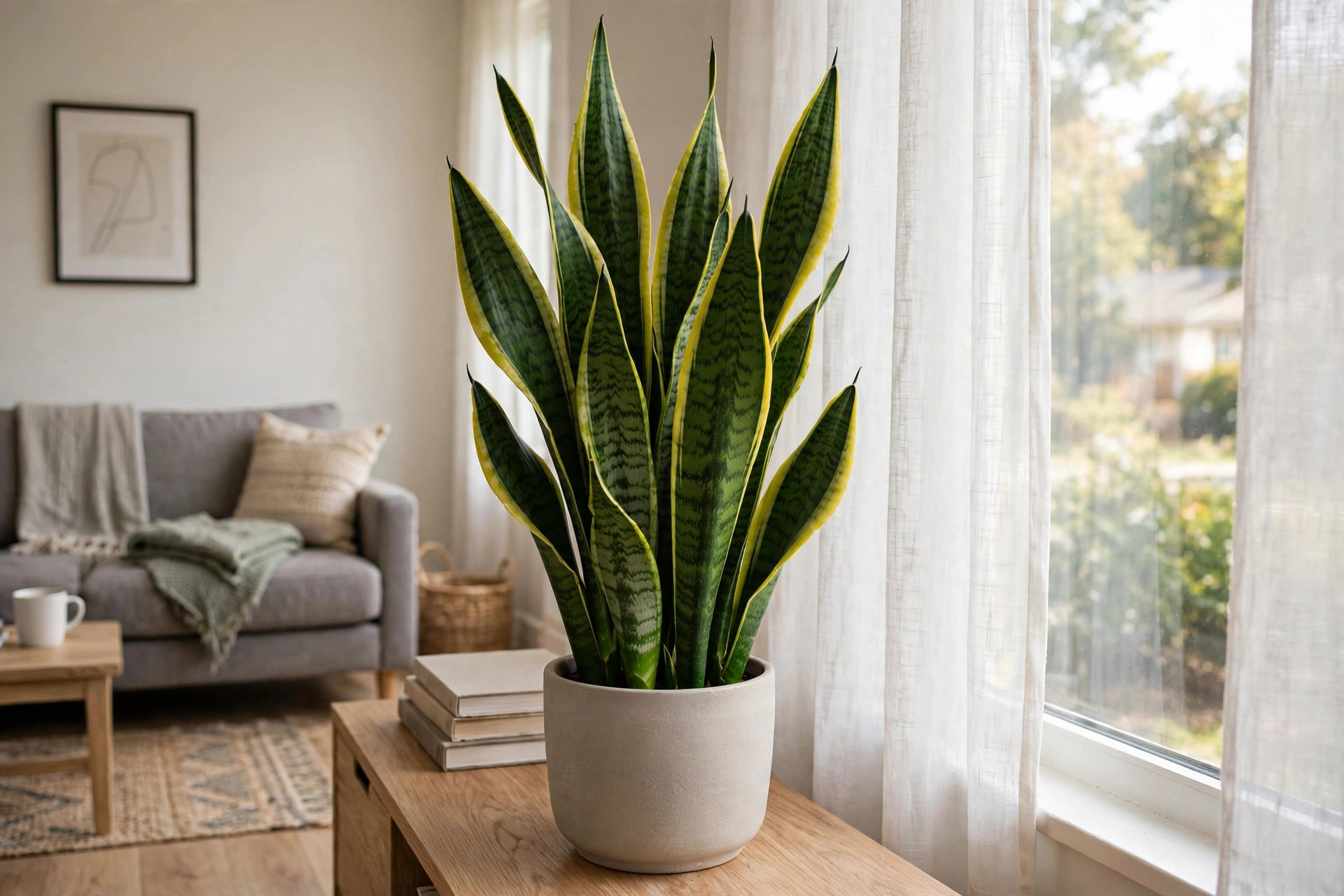
A snake plant is one of the easiest houseplants a person can own. When you search for snake plants indoor deals near me, you will find many options. Local shops, big stores, and small growers all carry this plant. Prices range from low to high. The key is to know what a fair price looks like and what a healthy plant looks like before you hand over your money.
Why Snake Plants Make Sense Indoors
The snake plant, also called mother-in-law’s tongue, has thick upright leaves that hold water. This trait lets the plant live through dry air and missed watering. A beginner can keep one alive with little work. A busy worker can keep one alive too.
The plant fits many rooms. It stands tall in a corner. It sits small on a desk. It lines a hallway. It gives a room a clean, modern look without much effort from the owner.
Snake plants also ask for little light. Many houseplants need bright sun all day. The snake plant does fine in low light or medium light. This makes it a good pick for offices, bedrooms, and rooms with small windows. Care guides from trusted plant care sites note the plant’s strong tolerance for neglect, which is why it suits new plant owners so well. Seed and plant suppliers also publish simple care notes for indoor types each season.
Buying local has its own value. A plant from a nearby shop has not sat in a dark truck for days. The staff can tell you how long the plant has been in the store. They can tell you how it was watered. That local knowledge helps you avoid a weak plant.
How to Choose a Healthy Snake Plant: Snake Plants Indoor Deals near Me
Look at the leaves first. They should stand firm and upright. They should feel thick and solid when you press them gently. Leaves that bend, flop, or feel soft at the base may have root rot. Root rot is the main killer of snake plants. It comes from too much water.
Check the color next. Deep green leaves with yellow edges are the classic look. Some types have gray-green stripes. Pale or yellow leaves can mean too much sun or too much water. Small brown spots can mean a pest problem.
Lift the plant from its pot if the store allows it. The roots should look firm and light in color. They should hold the soil in a tight ball. Mushy dark roots are a bad sign. Put that plant back and pick another.
Smell the soil. Healthy soil smells like earth. A sour or rotten smell tells you the plant has been overwatered. Walk away from that one.
Check the size against the price. A four-inch pot usually holds a young plant with a few leaves. A six-inch pot holds a fuller plant. An eight-inch pot holds a tall, full plant that is several years old. Bigger plants cost more because they took longer to grow.
Ask the shop about the pot. Some deals look cheap because the plant comes in a flimsy nursery pot. You may need to buy a real pot with a drain hole. A fair deal should count the full cost, not just the sticker price.
For more on snake plants indoor for sale, it helps to compare a few shops before you decide. Prices for the same size can differ by several dollars from one store to the next.
Types and Options Worth Knowing
Not all snake plants look the same. The common type is Sansevieria trifasciata. It grows tall with green leaves and yellow edges. It is the cheapest and most common type in stores.
The laurentii type has wide yellow borders on each leaf. It grows to about three feet. It is popular and easy to find.
The moonshine type has pale silver-green leaves. It looks soft and modern. It can cost a little more because it grows slower.
The cylindrica type has round, spear-like leaves. Some growers braid the leaves for a sculpted look. These cost more because of the extra labor.
Dwarf types stay short. They fit on shelves and desks. They often sell in small pots at low prices. They make good gifts.
When you read snake plants indoor reviews online, you will see people praise the classic tall types for low light rooms. Dwarf types get praise for small spaces. Pick the type that fits your room, not just the lowest price.
Some sellers group plants in deals. A three-pack of small snake plants may cost less per plant than one large one. This works well if you want plants for several rooms. Catalog nurseries and plant brands list such packs during sale seasons, so it pays to check a few sources. Large plant growers also label each pot with light and water basics, which helps at the store.
Cost and Price: What a Fair Deal Looks Like
A small snake plant in a four-inch pot often sells for five to ten dollars. A medium plant in a six-inch pot often sells for twelve to twenty dollars. A large plant in an eight or ten-inch pot can sell for twenty-five to fifty dollars or more.
Local nurseries may charge a bit more than big box stores. The plants are often better rooted and better cared for. That small extra cost can save you from buying a sick plant that dies in a month.
Big box stores run seasonal deals. Spring and early summer bring the best prices because new stock arrives. Fall clearance can bring deep cuts as stores clear space. Watch the weekly ads if you want the lowest price.
Online prices can look low. Add the shipping cost before you compare. A twelve-dollar plant with fifteen dollars of shipping is not a deal. Greenhouse growers ship plants in sturdy pots, but the freight still adds up. Local pickup beats shipped plants on cost most of the time. Mail-order nurseries often run spring sales, so check their shipping terms before you order.
Cash-and-carry plant swaps are another path to a deal. Many towns have plant groups where members trade cuttings and small plants. A snake plant leaf cutting roots easily in soil or water. This is the cheapest way to start, though it takes months to grow a full plant.
If you are weighing snake plants indoor where to buy, write down the price per pot size at three shops. The pattern will show itself fast. The shop with the fair mid-range price and healthy stock usually wins.
Deals that seem too good can hide problems. A tray of wilting plants at half price is not a bargain. You pay for the plant and then you pay with your time to save it. A healthy plant at a fair price costs less in the long run.
Care and Upkeep After You Buy
Snake plants want little water. Let the soil dry out fully between waterings. In summer, that may mean water every two weeks. In winter, once a month can be enough. Always check the soil first. If the top two inches feel dry, it is safe to water.
Use a pot with a drain hole. Water should run out the bottom. Never let the plant sit in a tray of water. Standing water rots the roots fast.
Light can be low, medium, or bright. The plant will grow faster in bright, indirect light. It will grow slowly in a dark corner. Keep it out of hot, direct sun all day. The leaves can burn.
Room temperature suits it fine. Keep it above fifty degrees. Cold drafts near doors and windows can harm it in winter. Move it a few feet back from a cold pane of glass.
Feed it rarely. A light dose of houseplant food once or twice in the growing season is plenty. Too much food burns the roots. Plain water and patience do most of the work.
Dust the leaves with a damp cloth now and then. Clean leaves look better and take in light better. This small chore keeps the plant looking sharp for years.
Repot when the roots push hard against the pot or crack it. Move up one pot size. Use a fast-draining mix made for cactus or succulents. Regular potting soil holds too much water for this plant.
Growing calendars from garden resources remind owners that indoor plants follow the seasons too. Growth slows in winter. Do not water or feed on a summer plan during the dark months.
Safety Notes for Homes With Pets and Kids
Snake plants contain compounds that can upset the stomach if eaten. Dogs and cats that chew the leaves may drool or vomit. The plant is not among the most toxic houseplants, but it is not safe to eat.
Place the plant where pets cannot reach it. A tall stand or a high shelf works well. Dwarf types belong on desks, not on the floor near a dog bed.
Teach children not to bite or chew the leaves. The leaves are tough and bitter, so most children leave them alone after one try. Still, keep small plants out of reach of toddlers.
Wash your hands after handling the plant if your skin is sensitive. The leaf sap can irritate some people. Gloves help when you repot or divide a large plant.
Home and garden advice sites remind owners to know which plants sit in their homes. If a pet eats part of a snake plant, call your vet. Bring a leaf or a photo so the vet can see what was eaten.
Frequently Asked Questions
How long do snake plants live indoors?
A snake plant can live for many years with basic care. Some owners keep the same plant for a decade or more. The plant grows slowly, so it does not outgrow its space fast. Divide it every few years to keep it fresh and to share new plants with friends.
Why are my snake plant leaves falling over?
Falling leaves often point to overwatering. Soft, mushy bases mean the roots are rotting. Let the soil dry out fully. If the rot is bad, take the plant out, cut away the dark roots, and repot in dry mix. Underwatering rarely causes this problem.
Can a snake plant grow in a room with no windows?
It can survive for a while in a very dark room, but it will not thrive. Growth stops and leaves may fade. A small grow light or a move to a room with some daylight helps. Even a few feet from a north window is better than a dark hall.
How often should I water in winter?
Water much less in winter. The plant rests in the dark months. Check the soil once a month. Water only when it is fully dry. Cold, wet soil is the fastest way to kill a snake plant in winter.
Are expensive snake plants better than cheap ones?
Not always. A healthy cheap plant beats a sick costly one. Check the leaves, roots, and soil before you judge by price. Rare types cost more because they grow slowly, not because they live longer. For a first plant, a common type at a fair price is the smart buy.
Where can I find the best local deals?
Check local nurseries first, then big box stores, then plant swaps. Compare the same pot size across shops. Spring brings new stock and fair prices. Fall clearance can bring real cuts. Online shops work when local stock is thin, but add shipping before you compare prices.
A Short Final Word
A snake plant is a strong, quiet plant for an indoor room. It asks for little and gives a lot of green. When you hunt for snake plants indoor deals near me, let health guide you more than price. A firm leaf, a clean pot, and a fair price make a good buy. Take the plant home, give it light and little water, and it will stand tall for years.
References
Burpee. (n.d.). Seeds, plants, and gardening supplies. https://www.burpee.com Gardening Know How. (n.d.). Gardening guides and plant care. https://www.gardeningknowhow.com Gurney’s Seed & Nursery Co. (n.d.). Seeds, plants, and garden supplies. https://www.gurneys.com Monrovia. (n.d.). Plants for home gardens. https://www.monrovia.com Park Seed. (n.d.). Seeds, plants, and gardening supplies. https://www.parkseed.com Proven Winners. (n.d.). Plants and gardening inspiration. https://www.provenwinners.com The Old Farmer’s Almanac. (n.d.). Gardening calendars and advice. https://www.almanac.com The Spruce. (n.d.). Home and garden advice. https://www.thespruce.com White Flower Farm. (n.d.). Plants, bulbs, and garden supplies. https://www.whiteflowerfarm.com
Was this guide helpful?

About Sarah Mitchell
The My Garden US editorial team writes practical, in-depth home and garden guides for American homeowners — tested advice, no fluff.