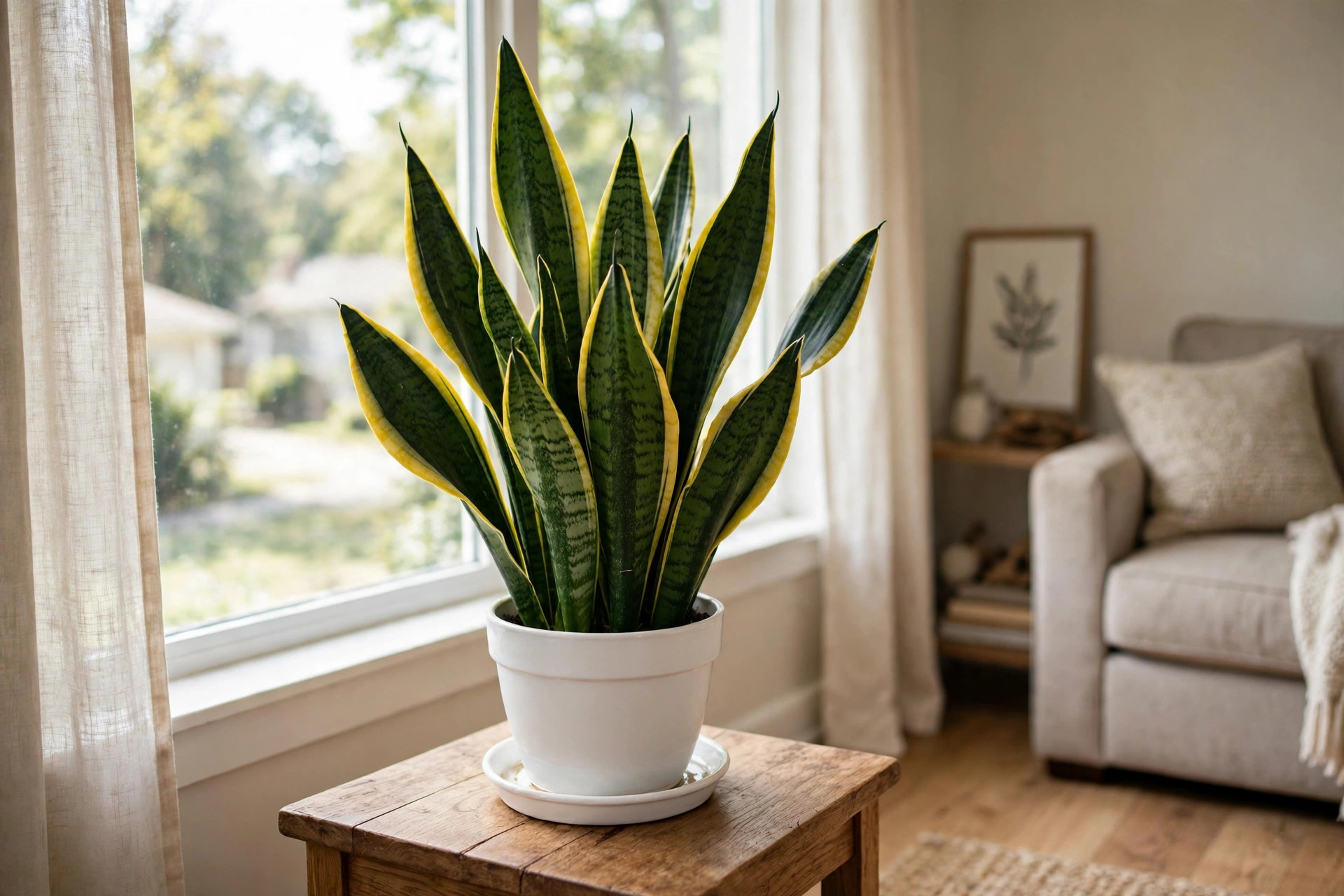

A snake plant is one of the easiest houseplants an American home can hold. This snake plants indoor reviews buying guide USA will help you read reviews with care, pick a healthy plant, and keep it alive for years. The focus keyword matters because buyers want honest facts, not hype. Many shops sell snake plants. Some sell strong plants. Some sell weak ones. Reviews help you tell the two apart.
Snake plants are known for their tall, stiff leaves. They stand up like blades. They grow slow. They forgive a lot of mistakes. A beginner can keep one alive with little work. That is why they rank high in indoor plant reviews across the United States.
Why Snake Plants Work Well Indoors
A snake plant asks for very little. It can live in bright light or a dim corner. It can go weeks without water. It does not drop leaves on the floor. It does not need much food. For a busy home, that is a rare mix.
Reviews often praise the plant for its calm look. The leaves are deep green with pale marks. Some kinds have a gold edge. They fit a modern room, an office desk, or a quiet hallway. The plant keeps its shape for a long time. It does not grow wild overnight.
Another reason reviews stay positive is the low care load. People who forget to water plants still see their snake plant stand tall. People who travel for work come home to a plant that looks the same. Few houseplants offer that kind of patience.
Still, reviews are not all praise. Some buyers report plants that arrive with soft leaves or brown tips. Others report pots with no drain holes. A few report slow growth in very dark rooms. This guide will show you how to read those reviews and buy with open eyes.
How to Read Reviews Before You Buy: Snake Plants Indoor Reviews Buying Guide Usa
Reviews are useful only if you read them the right way. Start with the most recent reviews. Old reviews may describe a shop that has changed. Look for reviews from the last three to six months. They tell you how the seller is doing right now.
Read the one star reviews first. They show the worst that can happen. Common complaints include damaged leaves, root rot, and late shipping. Then read the four and five star reviews. They show what most buyers got. If most reviews praise the plant health, the seller is likely sound.
Look for detail. A good review names facts. It says the plant arrived in two days. It says the pot had drain holes. It says the leaves were firm and green. Short reviews like “great plant” say less. Long reviews with photos say more. Photos of the actual plant beat stock photos every time.
Check how the seller answers bad reviews. A good seller replies fast and offers a fix. A poor seller stays silent. That reply pattern is one of the best signs in any snake plant review roundup. Sites like The Spruce gather houseplant advice and buyer tips in one place, and they help you spot honest seller ratings.
Watch for fake reviews. Signs include many short reviews posted on the same day. Signs include reviews that never mention the plant itself. Real reviews talk about leaves, pots, soil, and shipping. Trust the reviews that sound like a real person wrote them.
What to Look for When You Choose
A healthy snake plant has firm, upright leaves. The color should be rich. Green leaves may show light bands or edges. No leaf should feel soft or mushy. Soft leaves point to rot. Brown tips point to stress. A few brown tips on an old leaf are normal. Many brown tips are not.
Leaves and Roots
Look at the base of the plant. The leaves should rise from the soil in a tight cluster. If the base feels loose, the roots may be weak. If you can see the roots, they should be firm and pale. Dark, slimy roots mean rot. A buyer should pass on such a plant.
Leaf height tells you about age. A plant with leaves twelve to twenty four inches tall is well grown. Shorter plants are young but often cheaper. Young plants grow fine if the roots are sound. Ask the seller for the pot size. A four inch pot holds a small plant. A six inch pot holds a mid size plant. An eight inch pot or larger holds a full plant.
Check the leaf surface. It should be smooth and clean. Dust is fine and wipes off. White powder may be mealybugs. Webs may be spider mites. Skip plants with pests. They can spread to your other houseplants.
Size and Variety
Think about where the plant will live. A tall Laurentii fits a floor corner. A short Hahnii fits a shelf or a desk. Measure your space before you shop. Read the listed height in the product page. Compare it with reviews that mention true size on arrival.
Big box stores, local nurseries, and online shops all sell snake plants. Local nurseries let you inspect the plant in person. That is a clear plus. Online shops like Burpee and Park Seed ship plants across the country and show buyer reviews on each listing. Compare prices across at least three sellers before you decide.
Types of Snake Plants to Know
Reviews often name the exact variety. Knowing the main types helps you read those reviews with skill. Each type has a different look and a different price.
Sansevieria Laurentii
Laurentii is the classic snake plant. Its leaves are dark green with a bold gold edge. It grows tall, often two to four feet indoors. Reviews rate it high for its striking look. It is also the most common, so prices stay low. If you want the standard look, start here.
Sansevieria Zeylanica
Zeylanica has green leaves with pale horizontal bands. It lacks the gold edge. It looks a bit softer than Laurentii. Reviews praise it for a calm, clean style. It costs about the same as Laurentii. Growers like Monrovia and Proven Winners carry popular varieties and note how each type grows indoors.
Compact Varieties
The Hahnii group stays short, often under eight inches. Leaves form a tight rosette. These fit small desks and shelves. Reviews from apartment buyers favor them. They cost a bit more per inch because they grow slow.
Rare and New Types
Some sellers offer rare types like Moonshine, with silvery leaves, or Black Gold, with a dark center and gold edge. Reviews for rare types are fewer, so read each one with care. Prices run higher. Make sure the seller can prove the variety name. A snake plant care article can help you confirm what a true Moonshine leaf should look like.
If you like bold indoor plants, you may also enjoy our guide to fiddle leaf figs. For trailing green in bulk, see our pothos plants bulk buying guide.
Cost and Price
Snake plant prices in the United States stay friendly. A small plant in a four inch pot often costs eight to fifteen dollars. A mid size plant in a six inch pot often costs fifteen to thirty dollars. A large plant in an eight to ten inch pot often costs thirty to sixty dollars. Rare varieties can cost more.
Price depends on size, variety, and seller. Local nurseries may charge more but let you pick the exact plant. Online sellers may charge less but add shipping. Watch shipping cost in reviews. Some sellers ship free over a set amount. Some pack well. Some do not. A plant that arrives crushed is no bargain at any price.
Season matters too. Spring is the best time to buy. Plants ship well in mild weather. Summer heat and winter cold raise the risk of damage. Reviews from January often mention cold damage. If you must buy in winter, pick a seller who adds a heat pack. White Flower Farm and Gurney’s are known for careful packing, and their seasonal guides note when plants ship safest.
Do not chase the cheapest listing alone. A five dollar plant with dead roots costs more in the end. Pay a fair price for a healthy plant from a seller with strong reviews.
Care and Upkeep
Snake plants need little care, but a few habits keep them at their best. Follow these simple rules and your plant can live for many years.
Light
Give the plant bright, indirect light when you can. A spot near an east or north window works well. The plant can also live in low light. Growth will slow in a dark corner. It will not die fast, but it will not grow much. Avoid harsh midday sun through glass. It can scorch the leaves.
Water and Soil
Water only when the soil is fully dry. Push a finger two inches into the soil. If it feels dry, water well. If it feels damp, wait. In winter, you may water once a month. In summer, you may water every two to three weeks. Overwatering is the top killer of snake plants. When in doubt, skip the watering.
Use a fast draining mix. A cactus or succulent mix works well. The pot must have drain holes. Never let the plant sit in standing water. Empty the saucer after watering. These simple steps prevent root rot, the main cause of bad reviews.
Feeding and Repotting
Feed lightly in spring and summer. A half strength houseplant food once a month is enough. Do not feed in fall and winter. The plant rests then. Repot every two to three years, or when roots fill the pot. Move up only one pot size. A pot that is too large holds wet soil and invites rot.
Wipe leaves with a damp cloth a few times a year. Dust blocks light. Clean leaves look better in every room. If you want more small green plants for your shelves, our succulent variety packs buying guide covers another low care option.
For indoor growing calendars and frost dates that affect when to buy, The Old Farmer’s Almanac keeps plain tables by state. And for research based plant care, the USDA National Institute of Food and Agriculture supports extension programs that publish free houseplant fact sheets.
Safety
Snake plants are toxic to cats and dogs if chewed. The leaves hold saponins that can cause nausea and drooling in pets. Place the plant where pets cannot reach it. High shelves work well. Hanging planters work too, though tall snake plants rarely hang.
The plant is not a food crop. Keep it away from small children who may bite the leaves. Wash hands after handling if skin feels irritated. These risks are low, but a safe home is a calm home.
When you bring a new plant home, keep it apart from other plants for two weeks. Watch for pests. This short quarantine protects your whole indoor garden.
Frequently Asked Questions
How fast do snake plants grow indoors?
They grow slow. In good light, a snake plant may add a few new leaves each year. In low light, it may add almost none. Reviews that promise fast growth often mislead. Plan for slow, steady growth.
Why are the leaf tips brown?
Brown tips often come from overwatering, dry air, or salts in tap water. Let the soil dry between waterings. If your tap water is hard, try filtered water. Trim dead tips with clean scissors, but leave a thin brown edge so you do not cut live tissue.
Can a snake plant live in a room with no windows?
It can survive for a while, but it will not thrive. A grow light helps a lot. Even a small LED grow bulb on a timer keeps the plant healthy. Without any light, the plant slowly weakens over months.
Should I mist my snake plant?
No. Misting adds little and can invite rot in the leaf crown. Water the soil, not the leaves. If the air is very dry, the plant still copes. Snake plants handle dry indoor air better than most tropical plants.
What size pot should I buy first?
A four or six inch pot suits most beginners. The plant looks full but the price stays low. You can move it to a larger pot in a year or two. Make sure any pot you buy has drain holes.
Are expensive snake plants worth it?
Sometimes. Rare varieties cost more because they grow slow and few growers stock them. For a first plant, a common Laurentii at a fair price is the smart buy. Spend more only when you know the exact variety you want.
A Final Word
A snake plant is a patient friend for an American home. Read reviews with care. Pick firm leaves and sound roots. Give it light, little water, and a pot that drains. This snake plants indoor reviews buying guide USA has given you the facts. Now you can shop with calm and bring home a plant that will stand tall for years.
References
Burpee. (n.d.). Seeds, plants, and gardening supplies. https://www.burpee.com Gardening Know How. (n.d.). Gardening guides and plant care. https://www.gardeningknowhow.com Gurney’s Seed & Nursery Co. (n.d.). Seeds, plants, and garden supplies. https://www.gurneys.com Monrovia. (n.d.). Plants for home gardens. https://www.monrovia.com National Institute of Food and Agriculture. (n.d.). Agricultural research and extension. https://www.nifa.usda.gov Park Seed. (n.d.). Seeds, plants, and gardening supplies. https://www.parkseed.com Proven Winners. (n.d.). Plants and gardening inspiration. https://www.provenwinners.com The Old Farmer’s Almanac. (n.d.). Gardening calendars and advice. https://www.almanac.com The Spruce. (n.d.). Home and garden advice. https://www.thespruce.com White Flower Farm. (n.d.). Plants, bulbs, and garden supplies. https://www.whiteflowerfarm.com
Was this guide helpful?

About Emily Rodriguez
The My Garden US editorial team writes practical, in-depth home and garden guides for American homeowners — tested advice, no fluff.
You May Also Like

Where to Buy Wildflower Seed Mixes in the USA
March 10, 2026 1 views
Succulent Variety Packs Buying Guide USA
July 1, 2026 0 views
A Native Grass Seed American Homes Guide: How to Choose, Plant, and Keep a Native Lawn
August 19, 2026 0 views