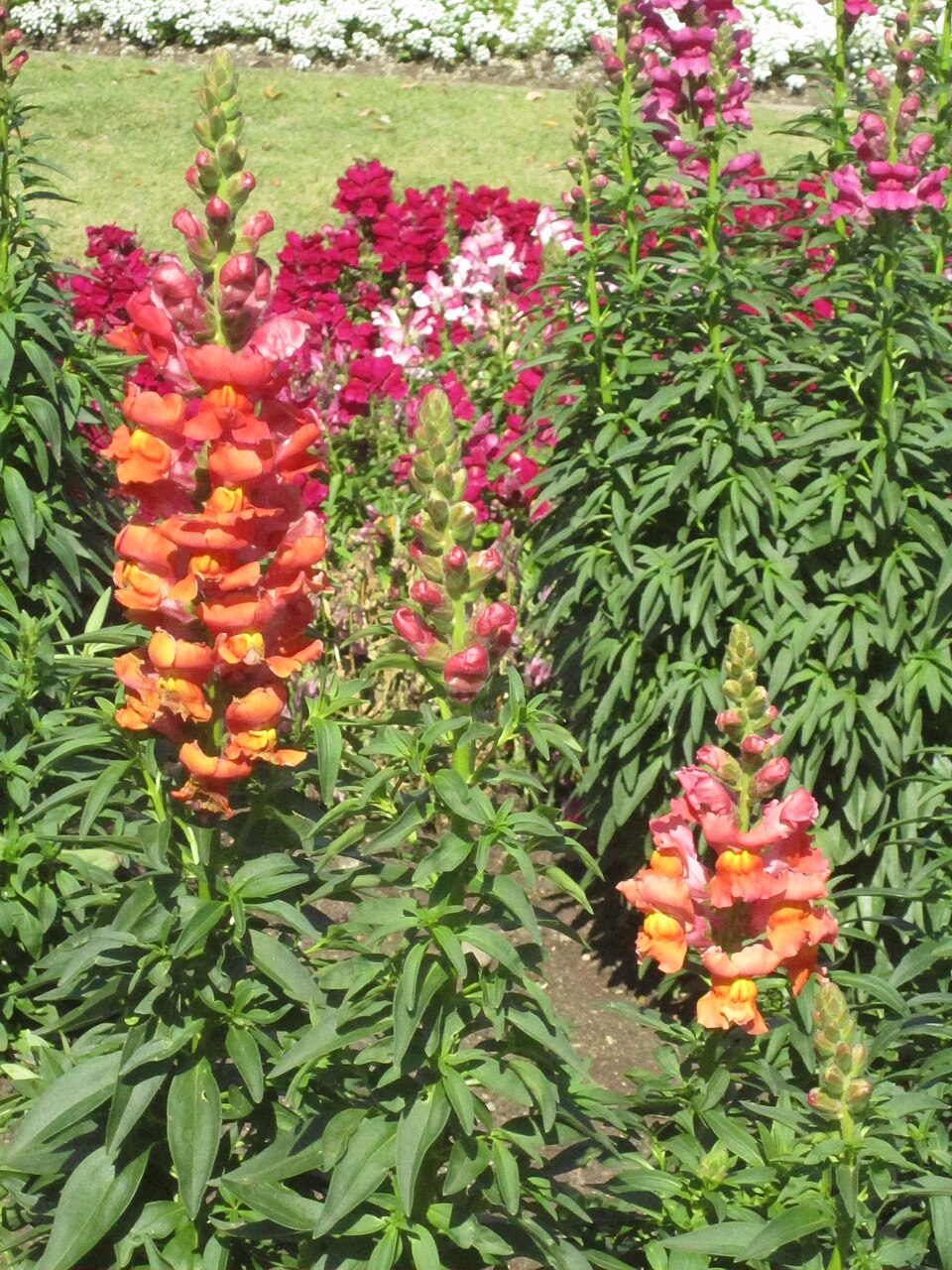
Snapdragon (Antirrhinum majus) is a flower that earns its keep. Hardy in zones 4 to 11, it wants full sun to part shade and rich, well-drained soil. A cool-season flower - transplant before last frost for spring blooms and again in late summer for fall. Get those basics right and the plant does the rest.
When it comes to how to grow snapdragons, getting the details right makes all the difference.
Table of Contents
Table of Contents
- At a Glance
- Choosing a Variety
- When and How to Plant
- Soil and Sun
- Watering and Feeding
- Care Through the Season
- Season by Season
- Harvest
- Storing and Preserving the Harvest
- Troubleshooting
- Frequently Asked Questions
- How long does snapdragon take to grow?
- Can I grow snapdragon in containers?
- What is the hardest part of growing snapdragon?
- When should I plant snapdragon?
- References
What follows is the complete season, step by step: varieties, planting dates by zone, soil and water, seasonal care, and harvest. Gardenia also carries a solid growing profile for snapdragon as a second opinion.
Snapdragon earns its bed. The return is a fast payoff by garden standards: roughly 80 to 100 days from planting to harvest. Few other plantings turn a packet of seed into this much food or color this quickly. Gardeners in zones 4 through 11 can grow it outdoors without heroics. Fades in summer heat; perennial only in zones 7-11.

Photo: Wikimedia Commons
At a Glance
When it comes to how to grow snapdragons, getting the details right makes all the difference.
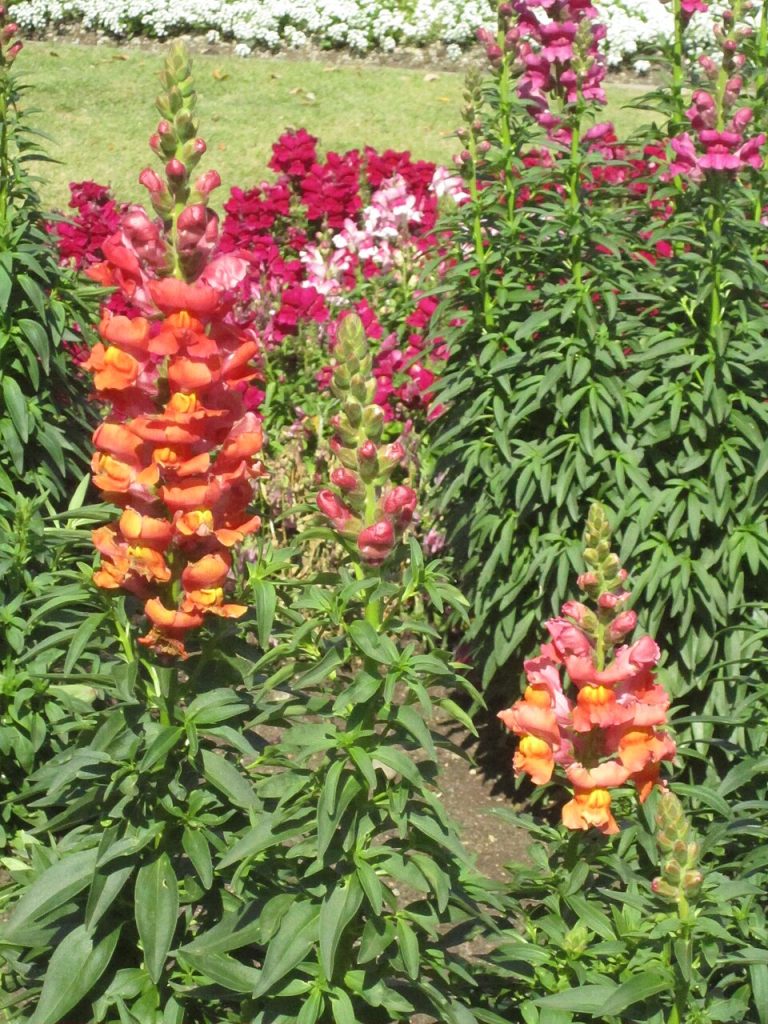

Many homeowners find that how to grow snapdragons is easier than they expected once they know the basics.
- Botanical name: Antirrhinum majus
- Type: Flower
- USDA zones: 4 to 11
- Sun: Full sun to part shade
- Soil: Rich, well-drained soil
- Water: Even moisture
- Spacing: 10 inches apart
- Planting depth: barely covered, about 1/8 inch deep
- Days to maturity: 80 to 100 days
- How to start: Start indoors; buy transplants as a shortcut
Choosing a Variety
Many homeowners find that how to grow snapdragons is easier than they expected once they know the basics.
The key to how to grow snapdragons is choosing the right approach for your space and budget.
Rocket types grow tall for cutting. Dwarf and medium types suit beds and pots. Tetraploid varieties have thicker stems and bigger flowers. Rust-resistant series matter in humid regions where the disease defoliates plants. Butterfly types have open faces that bees prefer. Since snapdragons bloom best in cool weather, plan two plantings: one early for spring, one in late summer for fall. Colors range from pastels to near-black - mix them freely, since snapdragons never clash. Our guide to growing petunias pairs well with this one if you are planning the bed. Compare variety descriptions at the Missouri Botanical Garden before you buy seed.
When and How to Plant
The key to how to grow snapdragons is choosing the right approach for your space and budget.
With a little planning, how to grow snapdragons can fit even a busy schedule.
Plant at the wrong time and snapdragon sulks; plant at the right time and it takes off. Start seeds indoors about 8 weeks before your last spring frost.
Set transplants out about 2 weeks before your last spring frost; they handle a light frost.
Do not guess your frost dates - check your USDA zone planting dates on our planting calendar and work backward from there. The Almanac’s planting calendar gives a second reference.
Set plants 10 inches apart with seed or crowns barely covered, about 1/8 inch deep, in ground loosened a good 8 inches down. Tight spacing starves plants of air and light. Fades in summer heat; perennial only in zones 7-11. The Almanac planting calendar has more on timing snapdragons by region.
Soil and Sun
With a little planning, how to grow snapdragons can fit even a busy schedule.
Before you start, it helps to understand how how to grow snapdragons works in real homes.
Two things decide how your snapdragon performs: light and ground. Give it full sun to part shade, and plant in rich, well-drained soil. Compost - 2 to 3 inches mixed into the bed - is the single best amendment for almost any soil.
Do not plant in a low spot where water stands after rain; roots rot there. Raised beds solve most drainage sins. The UF IFAS Gardening Solutions covers soil prep for snapdragons in plain detail.
Watering and Feeding
Before you start, it helps to understand how how to grow snapdragons works in real homes.
A good plan for how to grow snapdragons saves time, money, and frustration.
Snapdragon does best with even moisture. Water early in the day so leaves dry by nightfall, and aim the hose at the base - wet foliage invites half the diseases in this guide's troubleshooting section.
Container plants dry out far faster than garden beds - check pots daily in summer heat. In the ground, mulch 2 to 3 inches deep to even out moisture. See the USDA PLANTS database for watering schedules by region.
Fertilizer is seasoning, not the meal. A bed enriched with compost at planting, plus one light feeding mid-season, carries snapdragons through. Too much nitrogen gives leaves instead of the harvest you actually want.
Care Through the Season
A good plan for how to grow snapdragons saves time, money, and frustration.
For most people, how to grow snapdragons comes down to a few smart choices.
Once established, snapdragon runs on routine. Water at the base to keep foliage dry, since rust disease disfigures leaves in wet weather. Deadhead individual faded florets or cut the whole spent spike to the side shoots to trigger a second flush. Mulch to keep roots cool, and in mild climates plants may overwinter and bloom again. Watch for aphids on the tender growing tips. A weekly walk-through to check water, weeds, and pests keeps small issues small.
And do not skip this: a cool-season flower - transplant before last frost for spring blooms and again in late summer for fall. Simple, free, and effective - the best kind of garden advice. For a neighboring planting, see our guide to growing sweet alyssum. For pest ID with photos, the USDA PLANTS database guides are hard to beat.
Keep a simple garden log: planting date, variety, weather quirks, what worked. Next season that notebook is worth more than any new product, because your own yard's history beats generic advice every time.
For the longest bloom season, treat snapdragons as two crops. The spring planting goes in before the last frost, blooms until heat slows it, then gets sheared back by a third in the worst of summer - new side shoots appear as the air cools. A second planting, started indoors in midsummer and set out when nights cool down, blooms into fall frost. In mild-winter areas the fall planting often survives winter and flowers again in spring, giving you the same plant working three seasons running.
Season by Season
For most people, how to grow snapdragons comes down to a few smart choices.
If you are new to how to grow snapdragons, start with the simplest option and build from there.
A simple seasonal rhythm keeps snapdragon productive. Spring - Start seeds indoors about 8 weeks before your last spring frost. Set transplants out about 2 weeks before your last spring frost; they handle a light frost. Work compost in early and harden seedlings before transplanting. Summer - consistent water, a fresh mulch layer, and a weekly pest check; harvest promptly and often. Fall - final pickings, then cleanup: In mild-winter areas, a late planting can carry the harvest into cool weather; elsewhere, finish up before hard frost. Compost what is healthy and mulch the bare ground. Winter - plan, order, and maintain.
In winter, rest: clean tools, order seed early for the best selection, and sketch next year's bed plan while the garden sleeps.
Harvest
If you are new to how to grow snapdragons, start with the simplest option and build from there.
When it comes to how to grow snapdragons, getting the details right makes all the difference.
Harvesting snapdragon well is a skill worth learning: pick at peak ripeness, handle gently, and store correctly, and the harvest lasts far longer.
Cut flower spikes when the bottom third of florets are open; the upper buds will open in the vase for a week or more of display. Recut stems and use flower preservative for longest life. Pro tip: snapdragons bloom heaviest in cool weather, so plant early for spring flowers and again for a fall show; midsummer heat pauses them. Pair this planting with our guide to growing zinnias and the two harvests will overlap nicely. The Lady Bird Johnson Wildflower Center covers harvest handling for snapdragons in more depth.
Storing and Preserving the Harvest
When it comes to how to grow snapdragons, getting the details right makes all the difference.
Many homeowners find that how to grow snapdragons is easier than they expected once they know the basics.
Cut snapdragons last longest when you treat them right from the stem up. Cut in the cool of morning, strip any leaves that would sit below the waterline, and place stems in clean water immediately - a long drink before arranging doubles vase life. Recut stems every few days and change the water; cloudy water means bacteria, and bacteria mean wilt. For seed saving, let a few of your best flowers dry fully on the plant, then collect seed on a dry day and store it cool, dark, and dry in labeled envelopes.
Home-saved seed of open-pollinated varieties grows true and costs nothing. Leave some spent flowers standing into fall too - the seed heads feed birds and give the garden winter interest.
Troubleshooting
Many homeowners find that how to grow snapdragons is easier than they expected once they know the basics.
Rust disfigures leaves in wet weather - water at the base and choose resistant types. Aphids on the tips - hose them off. Fading in heat is normal - shear and wait for cool weather. Damping off in seedlings - do not overwater indoors. The National Agricultural Library problem guides cover these issues with photos, which helps when words fall short.
Frequently Asked Questions
How long does snapdragon take to grow?
About 80 to 100 days from planting to harvest, depending on variety and weather. Warm seasons and good soil hit the early end of that range.
Can I grow snapdragon in containers?
Yes - snapdragon suits containers well. Use a pot at least 12 inches wide and deep with drainage holes, good potting mix, and a sunny spot. Pots dry fast, so check water daily in summer.
What is the hardest part of growing snapdragon?
A cool-season flower - transplant before last frost for spring blooms and again in late summer for fall. Master that one point and most other problems never show up.
When should I plant snapdragon?
Work backward from your frost dates: Start seeds indoors about 8 weeks before your last spring frost. Set transplants out about 2 weeks before your last spring frost; they handle a light frost. Check your USDA zone planting dates on our planting calendar to pin down your exact window.
References
Lady Bird Johnson Wildflower Center. (n.d.). Antirrhinum majus. Native Plant Database. https://www.wildflower.org/plants/
Missouri Botanical Garden. (n.d.). Antirrhinum majus. Plant Finder. https://www.missouribotanicalgarden.org/
Clemson Cooperative Extension. (n.d.). Snapdragon. Home & Garden Information Center. https://hgic.clemson.edu/
U.S. Department of Agriculture. (n.d.). Antirrhinum majus. National Agricultural Library. https://www.nal.usda.gov/
Was this guide helpful?

About My Garden US
The My Garden US editorial team writes practical, in-depth home and garden guides for American homeowners — tested advice, no fluff.