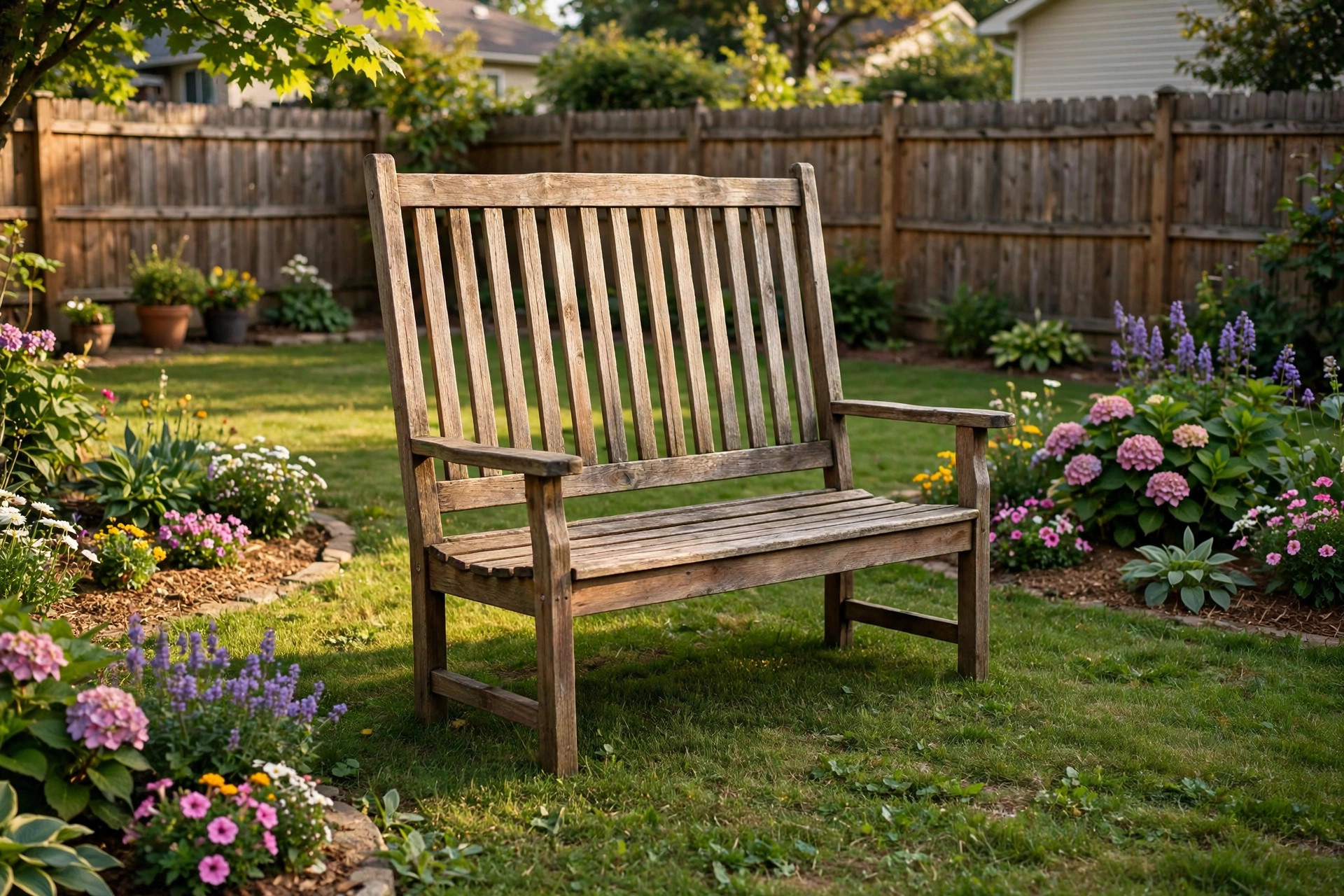

A bench with a backrest turns a patch of grass into a place to rest. The best outdoor bench with backrest reviews agree on one point. A good bench must be strong, easy to care for, and easy on the back. Shoppers often buy the cheapest bench they can find. Then they learn a hard lesson. Cheap benches crack, rust, or sag within two summers. A little research goes a long way. This guide pulls together what careful reviewers look for. It covers materials, comfort, types, price, care, and safety. By the end, you will know how to read reviews with a sharp eye and how to pick a bench that suits your yard and your budget.
Why a Backrest Matters
A flat bench with no back is fine for a quick seat. But most people want more. A backrest lets you lean back and relax. It supports your spine. It makes long talks on the porch feel easy. Older folks in particular like a backrest. It helps them sit down and stand up with less strain.
Reviews that rank the best outdoor bench with backrest models often test this first. They sit on the bench for ten or twenty minutes. A bench that feels fine for two minutes may hurt after fifteen. Reviewers look at the angle of the back. A slight tilt, about one hundred to one hundred and ten degrees from the seat, tends to feel best. If the back stands straight up at ninety degrees, it can feel stiff. If it leans too far, you may slide forward.
Arm rests often come with the backrest. They give your arms a place to rest. They also give you something to push against when you stand. Reviewers note that arm rests add real comfort, but they add cost and weight too.
What to Look for When You Choose: Best Outdoor Bench with Backrest Reviews
Reading the best outdoor bench with backrest reviews becomes easier when you know the key points. Start with the frame. The frame carries all the weight. Wood, metal, and heavy plastic are the main choices.
Weight capacity comes next. A standard two-person bench should hold at least four hundred pounds. Three-person benches should hold five hundred or more. Reviews often test this by having two adults sit down and rock the bench. A bench that wobbles or creaks is a bad sign.
Seat depth matters more than people think. A seat that is too shallow leaves your legs hanging with no support under the thighs. A seat that is too deep pushes against the back of your knees. Sixteen to nineteen inches of depth works well for most adults. The backrest should reach the middle of your back or higher. A low back looks nice but gives little support.
Check the assembly too. Some benches arrive in many small parts. Reviews often count the bolts. A bench with pre-set parts and clear pictures goes together in under an hour. Look for reviews that mention the instruction manual. Bad manuals cause most of the pain in assembly.
Drainage is a small point that matters. Rain must run off the seat. Slatted wood and mesh seats drain on their own. Solid seats need a slight tilt or drain holes. Standing water rots wood and rusts metal.
Types of Outdoor Benches with Backrests
Benches come in a few main styles. Each has its fans.
Wooden Benches
Wood is the classic choice. Teak, cedar, and eucalyptus resist rot and insects. Acacia is cheaper and looks good, but it needs more care. Pine is the cheapest wood. It looks fine at first but can crack and warp fast unless it is sealed well. The best outdoor bench with backrest reviews often rank teak at the top. Teak has natural oils. It can sit in rain for years and turn a soft silver gray. Cedar is lighter and less costly. It has a fresh smell that many people like.
Wood feels warm in cool weather. It does not get as hot in the sun as metal does. The downside is care. Wood needs oil or sealant once a year in most climates. Without care, it fades and roughens.
Metal Benches
Cast iron and steel benches are very strong. They last a long time. A powder-coated steel frame resists rust well. Cast aluminum is lighter than iron and never rusts. That makes it a good pick for wet climates.
Metal benches often have scroll work or slats that look fine from the street. They can add a formal feel to a garden. The main drawback is heat. A black metal bench in full summer sun can burn bare legs. A cushion or a spot in partial shade helps.
Resin and Recycled Plastic Benches
High-density polyethylene and recycled plastic look like wood from a few feet away. They do not rot, rust, or need paint. They clean with a hose. That is their whole appeal. The best outdoor bench with backrest reviews for low-care buyers often favor this type. The frame is heavy, so the bench does not blow over in wind. The color runs through the whole piece, so scratches do not show much.
The downside is price. Good resin benches cost more than cheap wood. Cheap resin benches can fade in strong sun. Look for reviews that mention UV stabilizers.
Storage Benches
A storage bench has a box under the seat. You can keep cushions, toys, or garden tools inside. Reviews like them for small patios where every inch counts. The lid must close tight to keep rain out. Check that the box has a way to drain. A sealed box with no drain can trap water and grow mold.
Curved and Arched Benches
Some benches curve around a tree or a fire pit. Others have an arched back that looks like a garden gate. These are mostly about style. They seat fewer people for their size. Reviews treat them as accent pieces, not main seating.
Cost and Price
Prices vary widely. A simple pine bench with a backrest can cost sixty to one hundred dollars. A mid-range acacia or steel bench runs one hundred fifty to three hundred dollars. Teak and good resin benches often run three hundred to seven hundred dollars. Large three-seat storage benches can reach eight hundred dollars or more.
The best outdoor bench with backrest reviews remind readers that price and value are not the same thing. A ninety-dollar pine bench that lasts three years costs thirty dollars per year. A four-hundred-dollar teak bench that lasts twenty years costs twenty dollars per year. The dearer bench is the better deal.
Watch for sales in late summer and fall. Stores clear patio stock to make room for holiday goods. Reviewers often note the best prices in August and September. Buying off season can save a third of the cost. Check the return policy before you buy. A bench is large and heavy. Return shipping can cost more than the bench itself.
Cushions add to the bill. A pair of bench cushions costs thirty to eighty dollars. Cheap cushions flatten in one season. Look for thick foam with a weatherproof cover. Some reviews test cushions by sitting on them daily for a month and checking for flat spots.
Care and Upkeep
Care depends on the material. Wood needs the most attention. Once a year, scrub it with mild soap and water. Let it dry. Then apply teak oil or an outdoor sealant. This keeps the color rich and stops small cracks from growing. If you like the silver look of aged teak, skip the oil. The bench will still last. It will just turn gray.
Metal needs less work. Wash it once a season. Check for chips in the coating. A chip lets water reach bare metal. Touch up chips with outdoor paint made for metal. Keep the bench on a patio or on gravel if you can. Grass holds dampness against the legs.
Resin needs the least care. A hose and a soft brush handle most dirt. For tough stains, use a mix of water and white vinegar. Avoid harsh cleaners. They can dull the finish.
All benches last longer under a cover or in a shed during winter. Snow and ice are hard on joints. If you leave the bench out, tip it on its side so water runs off. Tighten bolts once a year. Wood shrinks and swells with the seasons. Bolts loosen over time.
Cushions should come inside when it rains. Even weatherproof cushions last longer when stored dry. A small deck box or the storage bench itself works well.
Safety
Safety is simple but worth a few words. Set the bench on level ground. A bench on a slope can tip when someone sits on one end. Keep benches away from grills and fire pits. Heat can warp plastic and scorch wood. Leave at least three feet of space.
Check weight limits before a crowd sits down. Kids love to stand on benches. Teach them that a bench is for sitting. Look over the bench each spring. Pull on the backrest. If it moves more than a little, tighten the bolts. Feel for splinters on wood benches. Sand rough spots smooth.
If your bench has a storage box, keep small children in mind. Heavy lids can pinch fingers. Some lids have slow-close hinges. Reviews often praise this feature for families.
For shoppers who compare many models, sites like IKEA and Wayfair carry wide ranges of patio benches with reader ratings. Independent testers at Consumer Reports publish buying guides that explain how they score outdoor furniture for strength and weather resistance.
Frequently Asked Questions
How long should an outdoor bench with a backrest last?
It depends on the material. Cheap pine may last three to five years. Cedar and acacia often last seven to ten years with care. Teak and good resin can last fifteen to twenty years or more. Metal lasts long too, as long as the coating stays intact. Long-term updates in reviews are worth more than first-day praise.
What is the most comfortable backrest height?
A backrest that reaches the middle of the back gives fair support. A high back that reaches the shoulder blades gives the most comfort. Many reviewers like a back height of eighteen to twenty-four inches above the seat. Taller people may want more. If you plan long sits, favor a high back.
Are cushions needed on a bench with a backrest?
Not always, but they help. A cushion softens a hard slatted seat. It also keeps you warm on cold wood or metal. Buyers who read the best outdoor bench with backrest reviews often add cushions later. Measure the seat first. A cushion that hangs over the edge looks sloppy and wears fast.
Can I leave my bench out all winter?
You can, but it will age faster. Snow, ice, and freeze-thaw cycles stress every joint. Wood can crack. Metal coatings can chip. Resin holds up best in cold. If you must leave it out, cover it with a breathable furniture cover. Do not use a plastic tarp with no vents. Trapped dampness causes mold.
What size bench do I need for my patio?
Measure your space before you shop. A two-person bench is about four feet wide. A three-person bench is about five to six feet wide. Leave at least two feet behind the bench for the backrest and leg room. Leave three feet in front for people to walk past. On a small patio, a bench with built-in storage earns its space twice.
Is assembly hard?
Most benches take thirty to ninety minutes to build. Reviews often name the tools you need. A socket wrench and a Phillips screwdriver cover most models. Work on a soft surface like grass or a blanket to avoid scratches. Do not fully tighten bolts until all parts are in place. Then go back and tighten each one.
How to Read Reviews Like a Pro
Not all reviews are equal. The best outdoor bench with backrest reviews share a few marks of trust. They name the material and the weight limit. They say how long the bench has been outside. They post photos after rain and after sun. They mention assembly time and tool needs.
Be wary of reviews that only praise. Every bench has a weak point. Honest reviews name it. A review that says “perfect, no flaws” after one week of use tells you little. Look for reviews from buyers in your climate. A bench that thrives in dry Arizona may rot in wet Florida.
Star ratings help, but read the words too. A four-star review that lists one small flaw is often more useful than a five-star review with no detail. Sort by most recent. Makers change designs and suppliers. A review from three years ago may describe a different bench.
Shoppers who want related seating ideas can look at the best adirondack chair for tall people for deep lounge seats, the best porch swing for two people for covered porches, or outdoor loveseat with storage box reviews for small patios that need hidden storage.
A Short Final Word
A bench with a backrest is a small thing that gives a lot. It gives you a spot for morning coffee. It gives guests a place to sit. It gives a garden a focal point. Take your time. Read the best outdoor bench with backrest reviews with care. Match the material to your weather and your will to do upkeep. Measure your space. Buy the best frame you can afford. Do that, and your bench will be there for you, season after season, for many years to come.
References
IKEA. (n.d.). Outdoor furniture. https://www.ikea.com Wayfair. (n.d.). Patio furniture. https://www.wayfair.com Consumer Reports. (n.d.). Outdoor furniture buying guide. https://www.consumerreports.org
Was this guide helpful?

About Sarah Mitchell
The My Garden US editorial team writes practical, in-depth home and garden guides for American homeowners — tested advice, no fluff.
You May Also Like

Solar Deck Post Lights Reviews USA: A Buyer’s Guide to Outdoor Deck Lighting
July 15, 2026 0 views
Teak Patio Set Maintenance Tips Guide
March 15, 2026 0 views
Outdoor Bar Height Chairs Set of Four: A Plain Guide for Your Patio
May 22, 2026 0 views