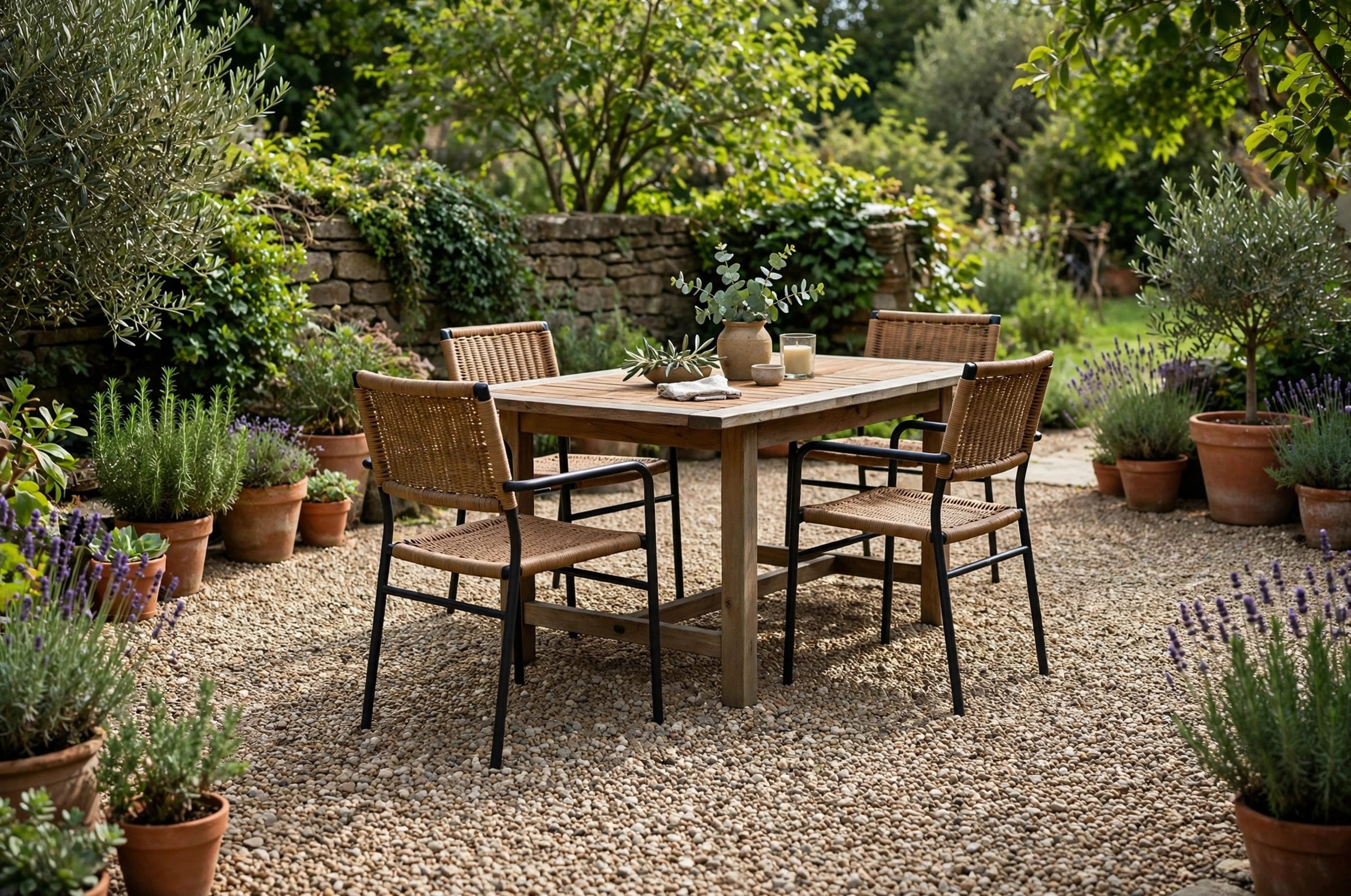
A gravel patio is one of the cheapest and fastest ways to build an outdoor living space. No concrete to pour. No pavers to level one by one. You clear the ground, lay a base, spread the stone, and you have a patio in a weekend. It looks natural, drains well, and costs a fraction of a stone or concrete slab. The rest of this guide covers gravel patio surface in plain language.
Table of Contents
Table of Contents
But gravel raises a fair question: will your furniture sit steady on it? The short answer is yes, with the right setup. Chairs and tables can be perfectly comfortable on a gravel patio surface. You just need to understand how gravel behaves under weight, pick the right stone, and build the base properly. Here is the full picture.
Why Gravel Works as a Patio Surface
When it comes to gravel patio surface, getting the details right makes all the difference.
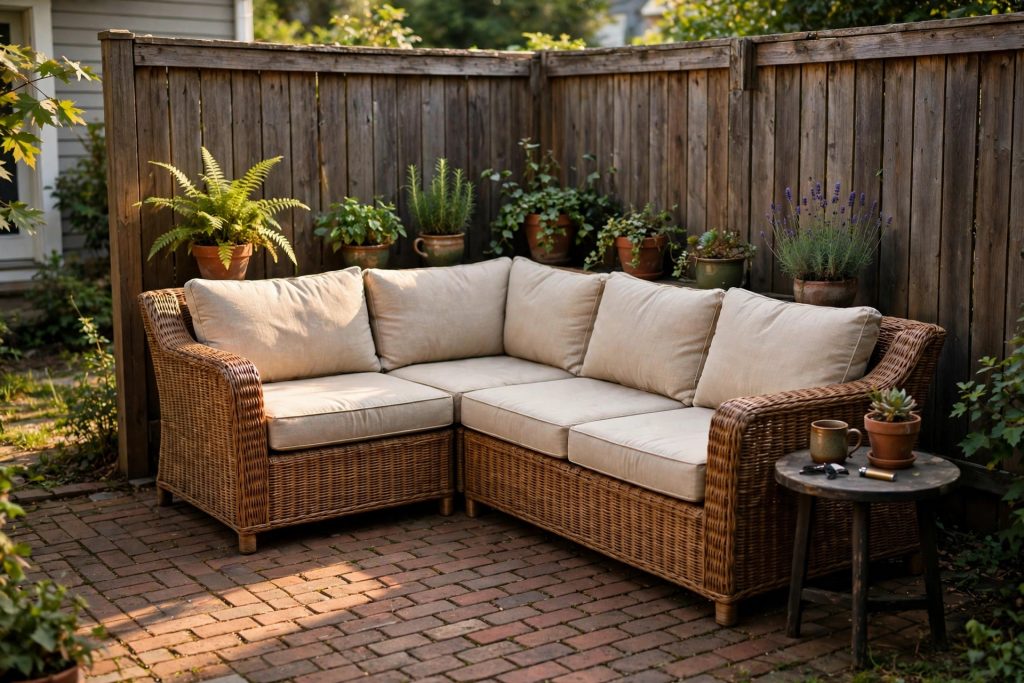
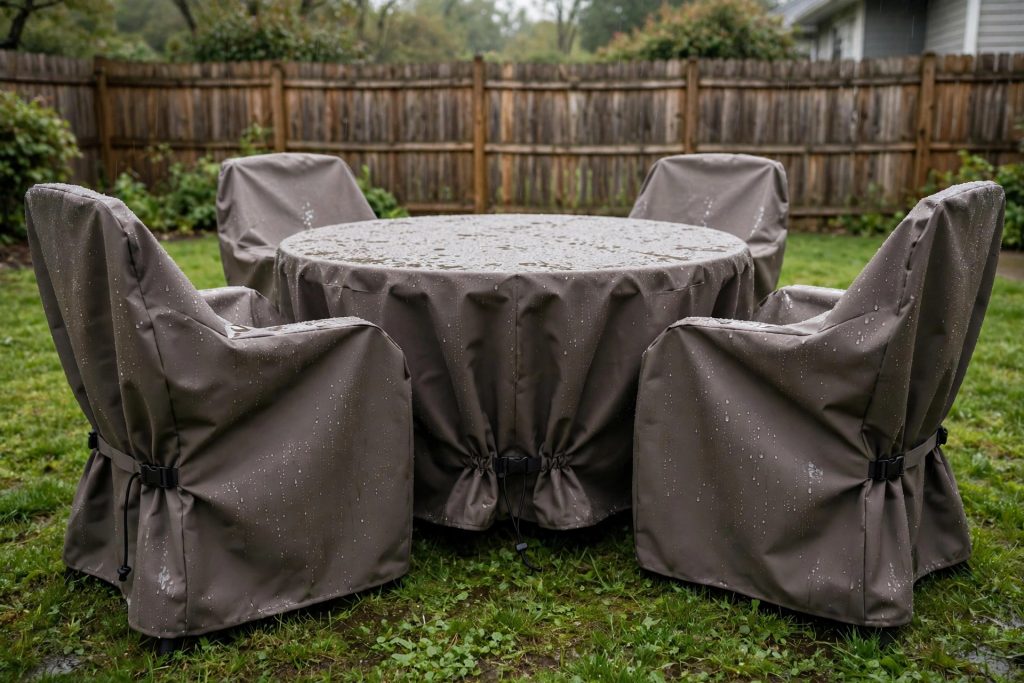
Many homeowners find that gravel patio surface is easier than they expected once they know the basics.
Gravel has real advantages over solid surfaces. The first is drainage. Water runs straight through gravel instead of pooling on top. After a hard rain, a gravel patio is usable again fast, while a concrete slab can stay slick and puddled for hours.
The second is cost. Bagged or bulk gravel runs far less per square foot than pavers, flagstone, or poured concrete. For a big patio, the savings add up fast.
The third is ease. A handy homeowner can build a gravel patio in a weekend with basic tools. There is no mortar to mix, no cuts to make, and no curing time. If you change your mind about the shape later, you just rake the gravel into a new shape. Try that with concrete.
Gravel also suits awkward spaces and is quick and easy to lay, which is half the appeal for a weekend project.
The Honest Downsides
Many homeowners find that gravel patio surface is easier than they expected once they know the basics.
The key to gravel patio surface is choosing the right approach for your space and budget.
Gravel is not perfect, and you should know the trade-offs before you spread a single bag.
The biggest one is stability. Loose stone shifts under weight. Chair legs can settle into soft spots. A table leg that lands between stones may wobble. Lightweight furniture is the worst on gravel. It slides, tips, and sinks. Heavy pieces with wide feet do much better, because they spread the weight and stay put.
The second is comfort underfoot. Pea gravel is smooth and rounded, but walking barefoot on any gravel takes getting used to. It is fine in shoes, less fine without them. If your patio doubles as a play area for kids, plan on outdoor rugs in the seating zone.
The third is upkeep. Gravel migrates. Stones get kicked onto the lawn and tracked toward the door. Wind and foot traffic push it into thin spots. Expect to rake it level now and then and top it up every year or two. Leaves and twigs work their way down between the stones, and a leaf blower on a low setting is about the only easy way to clean them out.
Weeds are the fourth. They will sprout through gravel eventually, no matter what you do. A good weed barrier under the stone slows them way down, but plan on pulling a few weeds each season.
Choosing the Right Gravel
The key to gravel patio surface is choosing the right approach for your space and budget.
With a little planning, gravel patio surface can fit even a busy schedule.
Not all gravel behaves the same under furniture. The shape and size of the stone matter more than the color.
Pea gravel is the most popular choice for patios. The stones are small, usually about three-eighths of an inch, and rounded. It packs down into a fairly smooth surface that is comfortable to walk on and kind to furniture feet. It does shift more than angular stone, so a firm base and good edging matter.
Crushed stone, sometimes called crusher run, is angular. The sharp edges lock together when compacted, which makes a firmer surface that resists shifting. It is not as pretty as pea gravel and rougher underfoot, but furniture sits steadier on it. Many builders use crushed stone as the base layer and pea gravel as the top layer to get the best of both.
Decomposed granite is another option. It is finely crushed rock that packs down almost like pavement. It makes a smooth, firm surface that furniture loves. It can get dusty in dry spells and a little soft in long rains, but for a patio it performs well.
River rock is smooth and decorative but usually too large for a comfortable patio surface. Save it for borders and beds.
For a patio that holds furniture, plan on a top layer two to three inches deep over a compacted base. Shallower than that and chair legs punch through to the dirt below. Deeper than four inches and the surface stays too loose to walk on comfortably.
Building the Base: The Steps That Matter
With a little planning, gravel patio surface can fit even a busy schedule.
Before you start, it helps to understand how gravel patio surface works in real homes.
A gravel patio is only as good as what is underneath it. Skip the base work and you will have ruts, weeds, and sinking furniture within a season. Do it right and the patio can last for years with light maintenance.
Start by marking the area and clearing it. Remove grass, roots, and debris. Dig down four to six inches so the finished surface sits about level with the surrounding ground. Slope the dig slightly away from the house, about a quarter inch per foot, so water drains off instead of pooling against the foundation.
Lay down landscape fabric over the dug area. This is the weed barrier, and it also keeps the gravel from sinking into the soil over time. Overlap the seams by a good six inches and pin the fabric down with landscape staples. Cheap thin fabric tears and lets weeds through. Spend a little more on a heavy-duty woven fabric. It pays for itself.
Add the base layer next. Spread two to four inches of crushed stone or coarse gravel over the fabric. Rake it level, then compact it with a hand tamper or a rented plate compactor. This base layer is what carries the weight of your furniture. A solid, compacted base is the difference between a patio that stays firm and one that develops soft spots.
Install edging around the perimeter before you spread the top gravel. Steel edging, pressure-treated lumber, or stone borders all work. Edging keeps the gravel from wandering onto the lawn and gives the patio a finished look. Set it a touch above the finished gravel height so it holds the stone in.
Finally, spread the top layer of pea gravel or your chosen surface stone. Rake it smooth. Compact it lightly. Walk on it and look for soft spots, then add stone and re-rake where needed.
Setting Furniture on Gravel So It Stays Steady
Before you start, it helps to understand how gravel patio surface works in real homes.
A good plan for gravel patio surface saves time, money, and frustration.
This is the part most guides skip, and it is the part that decides whether your patio is pleasant or annoying.
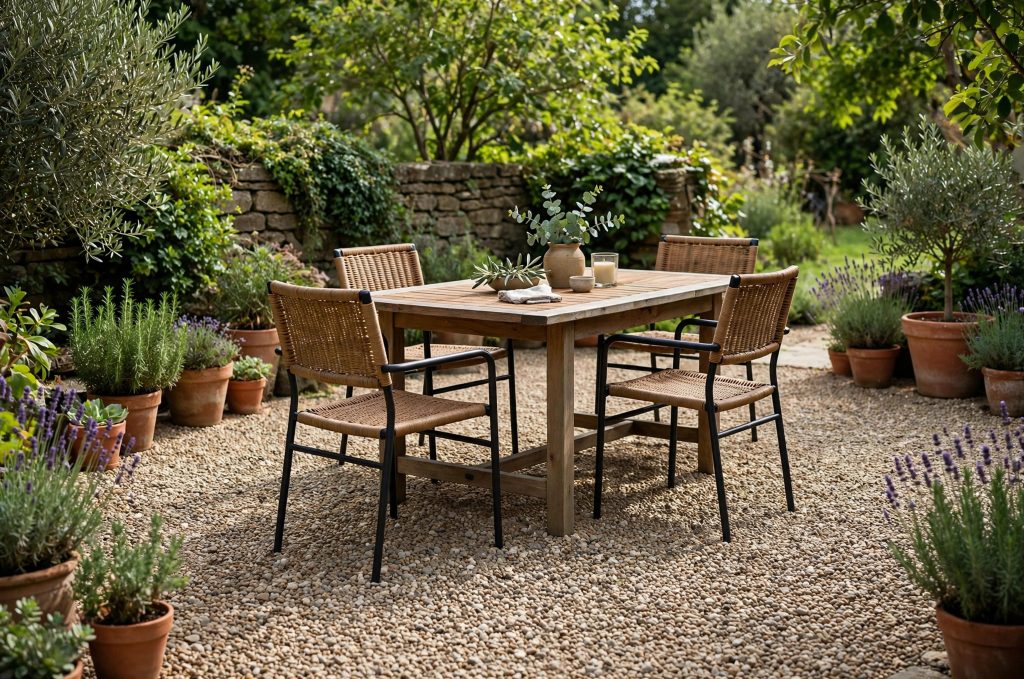
Choose heavy furniture. Cast aluminum, teak, and steel pieces sit far better on gravel than light resin chairs. Wide feet beat narrow feet. A chair with four skinny legs will dig in. A bench or a chair with a broad base will float.
Give each leg a stable footing. Flat paver stones set flush into the gravel under each table leg work like little foundations. They spread the load and stop the legs from sinking or wobbling between stones. For a dining table, four twelve-inch pavers are cheap insurance.
Use outdoor rugs in the seating area. A rug does three jobs at once. It gives chairs a stable surface to sit on, it feels better underfoot than bare gravel, and it visually anchors the furniture group so the patio looks pulled together. Choose a rug made for outdoor use, and pick one big enough that the front legs of every chair sit on it.
Compact the gravel in the seating zones more firmly than in the walkways. A well-tamped area under the table stays level longer. When ruts do form, and they will, rake the gravel back level. It takes five minutes and keeps the furniture steady.
Keep furniture in the same arrangement if you can. Moving pieces around constantly churns the surface. Pick a layout you like and let the gravel settle into it.
For help picking pieces that handle outdoor life, see our guide to patio furniture for rooftop decks, which covers sturdy frames that also work on gravel. If you are weighing gravel against a solid surface, our Texas patio tile guide and screened porch tile guide lay out the alternatives.
Living With a Gravel Patio
A good plan for gravel patio surface saves time, money, and frustration.
For most people, gravel patio surface comes down to a few smart choices.
A gravel patio asks for a little routine care. Rake it smooth every few weeks during the season you use it most. Top up thin spots once a year. Pull weeds when they are small. Keep the edging intact so the stone stays where it belongs.
In cold climates, know that gravel can get icy and that freeze-thaw cycles will heave the surface a bit each winter. A spring raking levels it out again.
Keep a small pile of matching gravel on hand for touch-ups. It is much easier to fix a thin spot the week it appears than to re-level the whole patio later.
Done right, a gravel patio is a comfortable, good-looking home for your outdoor furniture. It will not be as firm as concrete or as smooth as pavers. But it will cost less, drain better, and go in faster than any other patio surface. For many backyards, that is exactly the right trade. Keep this guide handy the next time gravel patio surface comes up.
References
For most people, gravel patio surface comes down to a few smart choices.
If you are new to gravel patio surface, start with the simplest option and build from there.
Angi. (n.d.). Pros and cons of pea gravel patios. https://www.angi.com/articles/pea-gravel-patio-pros-and-cons.htm?page=99
Darby Pit. (n.d.). Sand vs. gravel for outdoor patios. https://darbypit.com/blog/the-pros-and-cons-of-sand-vs-gravel-for-outdoor-patios
Dream Outdoor Living. (n.d.). Can you put patio furniture on gravel. https://dreamoutdoorliving.com/can-you-put-patio-furniture-on-gravel/
Eco-savvy. (n.d.). Gravel & landscape fabric: A gardener's guide. https://eco-savvy.blog/gravel-landscape-fabric-gardeners-guide
Gardening Etc. (n.d.). How to choose patio materials for your outdoor seating area. https://www.gardeningetc.com/advice/patio-materials
My Garden Plans. (n.d.). Transform your outdoor space: A step-by-step guide on how to lay a gravel patio. https://mygardenplans.com/how-to-lay-a-gravel-patio/
Storables. (n.d.). How to install a gravel patio. https://storables.com/furniture/outdoor-furniture/how-to-install-a-gravel-patio/
YTOW. (n.d.). Patio furniture on pea gravel: Enhance your outdoor space. https://ytow.net/patio-furniture-on-pea-gravel/
When it comes to gravel patio surface, getting the details right makes all the difference.
If you are new to gravel patio surface, start with the simplest option and build from there.
When it comes to gravel patio surface, getting the details right makes all the difference.
Many homeowners find that gravel patio surface is easier than they expected once they know the basics.
Was this guide helpful?

About My Garden US
The My Garden US editorial team writes practical, in-depth home and garden guides for American homeowners — tested advice, no fluff.
You May Also Like

Patio Furniture for Narrow Balcony Ideas That Work in Small Spaces
June 4, 2026 15 views
Outdoor Kitchen Island With Storage Reviews: A Plain Buyer's Guide
June 7, 2026 15 views
Outdoor Side Table for Adirondack Chairs: A Complete Buyer's Guide
May 16, 2026 21 views