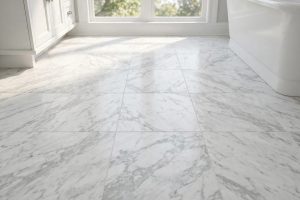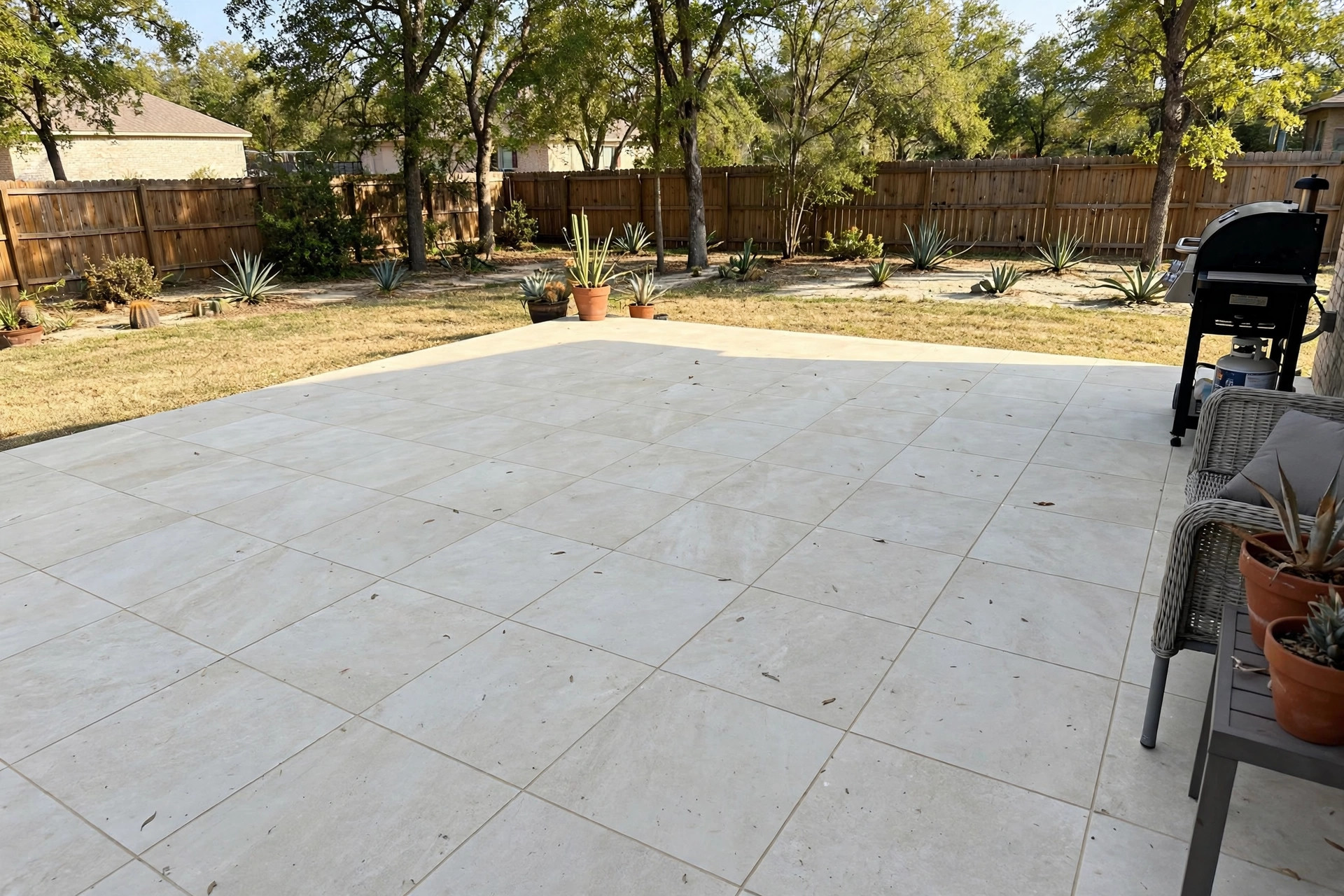

A patio in Texas takes more punishment than most. The sun beats down for months at a time. Summer afternoons push surface temperatures far past the air temperature. Heavy spring storms dump inches of rain in a single night. Some winters bring hard freezes that catch homeowners by surprise. When you are looking for the best tile for outdoor patio in texas, these conditions must guide every choice.
The wrong tile will crack, fade, or turn slick as glass when wet. The right tile will stay cool under bare feet, keep its color for decades, and need little more than a broom and a hose. This guide walks through the options in plain terms. It covers what matters in the Texas climate, the main tile types, what they cost, how to install them right, and how to keep them safe and clean.
Why It Matters
A patio is not a living room floor. It sits outside all year. Texas weather is hard on building materials in ways that do not show up in a showroom. Tile that looks fine in the store can fail within two summers on a Dallas patio or one freeze in Amarillo.
The Texas sun is the first problem. Ultraviolet light breaks down some materials and fades bright colors. Dark tile absorbs heat and can reach temperatures that burn bare feet. Lighter tile reflects more heat and stays kinder to walk on in July and August.
The second problem is water. Texas storms are sudden and heavy. Water must drain off the patio, not sit on it. Tile that absorbs water can grow algae, stain, and crack when a freeze follows a soaking rain. The Panhandle and North Texas see real freezes. Even Central and South Texas get a hard freeze some years.
The third problem is soil. Much of Texas sits on clay that swells when wet and shrinks when dry. A patio base that moves will crack rigid tile. A good base and the right tile reduce this risk.
Choosing well at the start saves real money. Tearing out a failed patio and starting over costs far more than choosing the right tile the first time. A good tile patio in Texas can last twenty years or more with basic care.
What to Look For When Choosing Patio Tile in Texas: Best Tile for Outdoor Patio in Texas
Heat and Sun
Pick tile that stays cool enough to walk on. Light colors reflect heat. Porcelain and natural stone with a honed finish stay cooler than dark, glossy tile. Some tile makers now rate how hot their outdoor products get in direct sun. Ask for this rating if you can find it.
Color fastness matters too. Strong Texas sun fades dyed or painted surfaces. Through-body porcelain keeps its color because the color runs all the way through the tile. Natural stone varies in color by nature, and most types handle sun well, though some slate can fade over time.
Rain, Frost, and Clay Soil
Look for tile rated for outdoor use in freezing weather. Porcelain with a low water absorption rate resists freeze damage because water cannot get inside it and expand. Tile boxes carry ratings for water absorption. Lower is better for outdoor use.
The base under the tile matters as much as the tile itself. On Texas clay, a thick compacted gravel base with a concrete slab, or a well-built sand bed, keeps the surface stable. An installer who has worked in Texas will know how to handle the soil. If you want to compare tile and stone surfaces more broadly, see our guide to porcelain vs ceramic tile for floors.
Slip Rating
Wet tile can be dangerous. Tile carries a slip resistance rating. For patios, choose tile with a rating meant for wet outdoor areas. Textured surfaces grip better than polished ones. This matters near pools, outdoor kitchens, and anywhere rain pools. For areas right next to water, our notes on non-slip outdoor tile for pool decks cover the details.
Types of Tile That Suit Texas Patios
Porcelain Tile
Porcelain is the most popular choice for Texas patios, and for good reason. It is dense, hard, and absorbs almost no water. It resists stains, fading, and freeze damage. It comes in many styles, including patterns that look like stone, wood, or concrete. Major makers such as Daltile and Shaw Floors offer outdoor-rated lines made for this purpose.
Through-body porcelain holds its color in strong sun. It needs no sealing, though grout lines still benefit from a sealer. Porcelain is hard to cut, so installation takes skill and the right tools. It is one of the best all-around answers to the question of the best tile for outdoor patio in texas.
Travertine
Travertine is a natural stone with a warm, soft look that fits Texas homes well. It stays fairly cool in the sun, which makes it a favorite around pools. Its surface has small natural pits that give it texture and grip. Mohawk Flooring and other stone suppliers carry outdoor travertine in many finishes.
Travertine is softer than porcelain and can scratch or chip. It needs sealing to resist stains from food, drink, and leaves. Over many years, the surface can wear down in high-traffic spots. Homeowners who love natural stone accept this trade. The cost of natural stone patios can run high; for a comparison with stone slabs, see our piece on bluestone patio cost per square foot.
Slate
Slate is a dark natural stone with a rough, layered surface. It gives excellent grip when wet. It looks natural and rustic, and it suits Texas ranch and Hill Country styles. Slate handles sun well and weathers slowly.
Slate splits into thin layers by nature. Cheap slate can flake or split after repeated wetting and drying. Buy dense, high-quality slate rated for outdoor use. It needs sealing to slow fading and water damage. Like travertine, it is cooler than concrete but warmer than pale porcelain.
Other Options Worth Knowing
Saltillo tile is a handmade clay tile common in the Southwest. It looks warm and traditional, but it is porous and needs regular sealing. It can crack in hard freezes, so it suits South Texas better than the Panhandle.
Brick pavers are not tile, but many Texas patios use them. They handle clay soil well because they flex. They fade little and repair easily. Concrete pavers are a lower-cost cousin with many colors.
Glazed ceramic tile is not a good choice for most Texas patios. The glaze can craze and flake in sun and freeze cycles, and many ceramic tiles absorb too much water for outdoor use.
Cost and Price
Prices vary by region and by who does the work. The numbers below are rough ranges for Texas in recent years. Material cost is per square foot. Labor usually doubles or triples the total.
– Porcelain outdoor tile: 3 to 8 dollars per square foot for the tile. Total installed cost often runs 12 to 20 dollars per square foot. – Travertine pavers or tile: 4 to 9 dollars per square foot for the stone. Installed cost often runs 14 to 22 dollars per square foot. – Slate: 4 to 10 dollars per square foot for the stone. Installed cost often runs 13 to 22 dollars per square foot. – Saltillo tile: 2 to 5 dollars per square foot. Installed cost often runs 8 to 15 dollars per square foot.
Large patios get a lower price per square foot because setup costs spread over more area. Complex patterns, curves, and steps raise the price. Getting three written bids from local installers is the best way to learn the true cost in your town. Big-box retailers such as Home Depot and Lowe’s list current material prices, and specialty floors stores like LL Flooring carry outdoor-rated products too.
Do not forget the base. A patio that needs a new concrete slab or deep gravel base will cost more up front. A cheap base is the most common reason patios fail on Texas clay. Spending on the base is money well spent.
Installation: What a Good Job Looks Like
Good installation matters more than the brand of tile. Ask the installer these questions before you sign. How will you prepare the base on my soil? What slope will the patio have for drainage? What setting material and grout will you use outdoors? The answers should be clear and specific.
The patio should slope away from the house at about one quarter inch per foot. This moves rain off the surface. Standing water stains tile, grows algae, and makes surfaces slick.
Outdoor tile needs setting materials made for outside use. Standard indoor thinset can fail in heat and moisture. The installer should use a polymer-modified mortar rated for exterior work. Grout should be rated for outdoor use and for the width of your grout joints.
Expansion joints are strips that let the patio move a little with heat and soil shifts. Without them, a large Texas patio can crack in the first hot summer. The installer should place them at the edges and across large areas.
For a clear look at how pros handle outdoor projects, This Old House publishes step-by-step guides on patio and masonry work. The Spruce also keeps practical how-to articles for homeowners who want to understand the process before hiring.
Care and Upkeep
Tile patios ask for little, but they do ask for something. Sweep the patio once a week in the dusty months. Texas dust and oak pollen settle fast. A garden hose washes off most dirt. For stains, use a cleaner made for your tile type. Acid cleaners can harm natural stone, so read the label first.
Sealing is the main upkeep task. Porcelain needs no sealer, but its grout lines last longer with a sealer applied every few years. Travertine and slate need a penetrating sealer when water stops beading on the surface. In Texas sun, that may be every one to three years.
Check the patio each spring. Look for cracked grout, loose tiles, and spots where water pools. Small grout cracks are easy to fix and keep water out of the base. A pressure washer can clean a tile patio, but keep the pressure low and the nozzle moving. High pressure can blast grout out of the joints and etch soft stone.
Keep plants and sprinklers in mind. Overhanging plants drop leaves that stain. Sprinklers that hit the patio every day leave mineral spots. Aim sprinklers at the lawn, not the tile.
Safety
A safe patio is a dry-footed patio. Choose tile with a textured surface and a slip rating meant for wet areas. Avoid polished or high-gloss tile outdoors. They look sharp in the store and turn into a hazard in a rainstorm.
Keep the surface clean. Algae and moss grow in shady, damp corners and turn tile slick. A yearly wash with a mild cleaner keeps them away. Trim plants that shade the patio so the sun can dry it after rain.
Good drainage protects safety too. Water should run off the patio, not across it in sheets. If puddles form where people walk, have the drainage fixed. Outdoor lighting along steps and edges prevents trips after dark. Consumer Reports tests outdoor products for safety and durability, and Family Handyman offers plain-spoken safety tips for outdoor living spaces.
Frequently Asked Questions
What is the best tile for outdoor patio in Texas heat?
Porcelain tile is the strongest all-around pick for Texas heat. It absorbs little water, resists fading, and stays stable through hot summers. Light-colored porcelain or travertine stays coolest under bare feet. Avoid dark, glossy tile, which can get hot enough to burn skin in August.
Can tile survive a Texas freeze?
Yes, if you choose the right tile. Porcelain with low water absorption handles freeze-thaw cycles well. Travertine and slate can survive freezes if they are dense, sealed, and set on a stable base. Saltillo and glazed ceramic are the most likely to crack in a hard freeze.
Is porcelain or natural stone better for a Texas patio?
Porcelain wins on durability and low upkeep. It needs no sealing and resists stains and fading. Natural stone wins on look and feel. Travertine and slate feel cooler and more natural underfoot, but they need sealing and more care. Your budget and how much upkeep you want should decide.
How long does a tile patio last in Texas?
A well-built tile patio lasts twenty years or more. Porcelain can last longer still. The base and the installation decide the lifespan more than the tile brand. Patios on poor bases over clay soil fail first, often within five years.
Do I need to seal outdoor patio tile?
Porcelain needs no sealer, though sealing the grout helps. Travertine, slate, and saltillo need a penetrating sealer to resist stains and water damage. Reseal when water stops beading on the surface, usually every one to three years in Texas sun.
How much does a tile patio cost in Texas?
Installed tile patios in Texas usually run 12 to 22 dollars per square foot, depending on the tile and the base work. A 400-square-foot patio might cost 5,000 to 9,000 dollars. Get written bids from three local installers to pin down the price in your area.
A Final Word
The best tile for outdoor patio in texas is the one that stands up to your part of the state. Porcelain is the safe, low-upkeep choice for most homeowners. Travertine and slate reward those who want natural stone and will seal it on schedule. Whichever you pick, spend on the base, hire an installer who knows Texas soil, and keep up with simple cleaning. Do that, and your patio will serve you through many hot summers and the odd hard freeze alike.
References
Consumer Reports. (n.d.). Product reviews and ratings. https://www.consumerreports.org Daltile. (n.d.). Ceramic and porcelain tile. https://www.daltile.com Family Handyman. (n.d.). DIY home repair and maintenance. https://www.familyhandyman.com LL Flooring. (n.d.). Hardwood, vinyl, and tile flooring. https://www.llflooring.com Lowe’s. (n.d.). Home improvement products. https://www.lowes.com Mohawk Flooring. (n.d.). Flooring products. https://www.mohawkflooring.com Shaw Floors. (n.d.). Flooring products. https://www.shawfloors.com The Home Depot. (n.d.). Home improvement products. https://www.homedepot.com The Spruce. (n.d.). Home and garden advice. https://www.thespruce.com This Old House. (n.d.). Home renovation guidance. https://www.thisoldhouse.com
Was this guide helpful?

About David Wilson
The My Garden US editorial team writes practical, in-depth home and garden guides for American homeowners — tested advice, no fluff.
You May Also Like
Waterproofing Shower Before Tile Guide USA
March 6, 2026 0 views
Pool Deck Resurfacing Options and Costs in the USA
June 9, 2026 0 views
Stamped Concrete Patio Cost Per Square Foot: What Homeowners Should Know
September 19, 2026 0 views