
Introduction
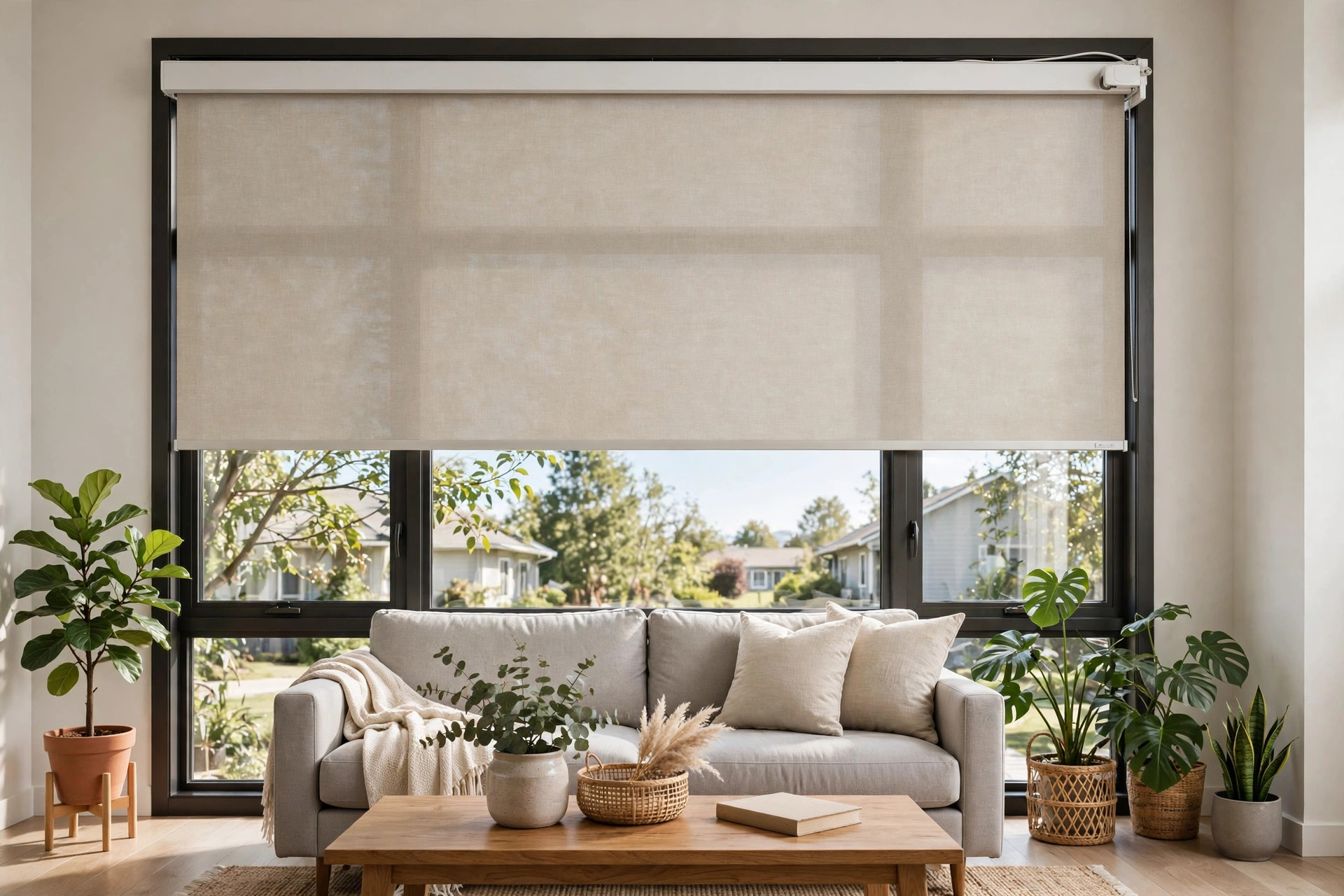
Finding the best motorized roller shades for usa homes takes some study, but the result is worth the time. These shades move up and down at the touch of a button. No cords hang from the side. No tugging is needed. A small motor inside the roller tube does all the work.
American homes have changed over the years. Windows are larger now. Ceilings are taller. Reaching a high window to pull a shade by hand is not easy. Motorized roller shades solve this problem in a simple way. They also give rooms a neat, modern look.
This guide explains what these shades are, how they work, and how to choose the right ones. It covers types, prices, care, and safety. It also answers common questions. The language is kept plain so any homeowner can follow it.
Why It Matters: Best Motorized Roller Shades for Usa Homes
A window shade does more than block light. It shapes how a room feels. The best motorized roller shades for usa homes bring several clear gains.
First, they add comfort. With one press on a remote, every shade in a room can close at once. In the evening, the house darkens in seconds. In the morning, light flows in just as fast. This matters in homes with many windows or tall glass doors.
Second, they save energy. A closed shade in summer keeps heat out. An open shade in winter lets warm sun in. When shades run on a timer, they can open and close at the best hours each day. Over a year, this cuts strain on air conditioners and heaters.
Third, they protect privacy. Bedrooms, bathrooms, and street-facing rooms need cover at night. A motorized shade closes fully and evenly, with no gaps from an uneven pull.
Fourth, they remove cords. Corded blinds have caused injuries to small children for decades. A motorized shade has no loop for a child to reach. Safety groups in the United States have pushed for cordless windows for years. Motorized models answer that call.
Finally, they last well. A motor moves the shade with steady force. It does not jerk or tug. The fabric stays even and smooth. This gentle action helps the shade last longer than a hand-pulled one.
What to Look For: How to Choose
Choosing the best motorized roller shades for usa homes starts with a few key points. Work through them in order.
Size and Fit
Measure each window with care. Use a steel tape. Measure the width at the top, middle, and bottom of the frame. Keep the smallest of the three. Measure the height at the left, center, and right. Keep the longest of the three. Motorized shades come in inside mount and outside mount styles. Inside mount fits within the frame and looks tidy. Outside mount covers the frame and blocks more light at the edges.
Fabric Type
The fabric sets the mood of the room. Light filtering fabrics soften daylight but keep the room bright. They suit living rooms and kitchens. Blackout fabrics block nearly all light. They suit bedrooms and media rooms. Sheer fabrics lower glare while keeping the view. Some makers offer dual fabrics on one roller, with a sheer layer and a blackout layer side by side.
Power Source
Most home models run on batteries. A rechargeable battery tube hides behind the shade. One charge can last six to twelve months. Plug-in models draw from a nearby outlet through a thin wire. Hardwired models connect to the house wiring. Hardwiring is best planned during a remodel, since it needs an electrician. Battery models suit most homes and need no new wiring.
Control Method
Basic models use a hand-held remote. Each remote can group several shades at once. Mid-range models add a wall switch. High-end models link to a phone app or a home hub. With an app, shades can follow a daily schedule. With a voice assistant, a spoken command moves them. Think about how much control the household truly needs. A remote is enough for many families.
Motor Quality
The motor is the heart of the shade. Look for motors rated for many thousands of cycles. Ask about noise. Good motors hum softly. Poor ones grind or click. Many of the best motorized roller shades for usa homes use well-known motor brands that service shops can repair.
Types of Motorized Roller Shades
Several types exist. Each fits a different need.
Standard Battery Roller Shades
These are the most common. A rechargeable battery powers a small motor in the tube. They hang cleanly and need no cords. They work well in bedrooms, dens, and offices. Charging is simple: plug in a cable once or twice a year.
Solar-Powered Shades
A small solar panel sits behind the shade or on the window frame. It tops up the battery each day. These suit sunny windows and cut charging to almost never. For rooms with strong southern light, such as a sunroom, solar shades for sunrooms with solar charging are a smart pairing.
Hardwired Shades
These connect to the home electrical system. They never need charging. They suit new builds and full remodels. An electrician installs them. They cost more up front but run for years with no battery care.
Dual Shades
Also called zebra or day-night shades, these use two fabric layers. One layer is sheer. One is solid. The layers slide past each other as the shade moves. This gives fine control of light. Motorized versions adjust with great precision.
Blackout Shades
Blackout models use thick fabric and side channels to block light. They are favored in bedrooms and nurseries. A blackout roller shade price comparison can help buyers weigh fabric grades before they commit to a motorized model.
Luxury and Custom Shades
High-end makers offer wide widths, fine fabrics, and quiet motors. If the home has oversized windows, luxury motorized roller shades may be the only fit. Custom shops cut fabric to the exact inch and match colors to the room.
Cost and Price
Price is a common worry. Motorized roller shades cost more than manual ones. The motor and controls add to the bill. Still, prices have fallen in recent years.
A basic battery-powered shade for a standard window often runs from about 150 to 350 dollars. Mid-range models with app control run from about 300 to 600 dollars per window. High-end or oversized shades can reach 800 dollars or more each. Hardwired models add electrician labor on top.
Several factors move the price. Larger windows cost more. Blackout fabric costs more than sheer. Smart home links add cost. Custom colors and trims add cost. Installation adds 50 to 150 dollars per window when hired out, though many battery models are easy to hang with basic tools.
A full house adds up fast. Ten windows at 300 dollars each is 3,000 dollars. Many owners shade the main rooms first and add more later. Remotes and hubs can be shared, so adding shades later costs less per window.
To judge value, think in years. A well-made shade lasts ten years or more. Spread over a decade, the yearly cost is modest. Energy savings from timed shading add to the return. Compare this with the cost of replacing cheap manual blinds every few years.
Care and Upkeep
Motorized roller shades need little care. A few habits keep them in good shape.
Dust the fabric every month or two. Use a soft cloth or a vacuum with a brush head. Work from top to bottom. Do not press hard. For spots, dab with a damp cloth and mild soap. Test soap on a hidden edge first. Never soak the fabric. Never use bleach.
Keep the battery charged. Most apps or remotes show a low battery warning. Charge when the warning first appears. Letting the battery run flat can shorten its life. A full charge often takes a few hours.
Check the brackets once a year. Make sure screws are tight. A loose bracket strains the motor. Also check that the shade rolls straight. If one side sags, the fabric may need a gentle nudge back onto the tube while it is fully down.
Keep the motor dry. These shades suit most rooms, but not showers or saunas. In humid rooms like kitchens, run the vent fan while cooking. Wipe any steam from the fabric with a dry cloth.
When a problem appears, read the manual first. Many issues come from a lost remote signal or a dead battery. A simple reset often fixes it. For motor failure under warranty, call the maker before opening anything. Opening the tube can void the warranty.
Safety
Safety is one of the strongest reasons to choose motorized shades. Still, a few rules apply.
The main gain is the lack of cords. Federal safety data in the United States has long shown that cord loops can harm small children. The U.S. Consumer Product Safety Commission supports cordless window coverings in homes with young children (https://www.cpsc.gov). A motorized shade removes this hazard by design.
Keep remotes out of the reach of small children. A child who plays with a remote may trap fingers as the shade moves. Many remotes have a lock feature. Use it.
Do not hang shades where they block a fire escape route. Windows that serve as exits must open freely. Check local building codes if a shade covers an egress window.
For smart models, set a strong password on the home hub and the phone app. An open network can let strangers reach connected devices. Updates from the maker often fix security gaps, so install them when offered.
If the home has pets, watch how they react to moving shades. Most pets ignore them. A nervous animal may need the schedule set to move shades while it is in another room.
How Smart Features Work in Daily Life
It helps to picture a normal day. At sunrise, bedroom shades rise on their own. The kitchen shade opens as breakfast starts. At midday, west-facing shades close to block harsh sun and keep the house cool. At dusk, all shades lower for privacy. All of this can run from a schedule set once in an app.
Voice control adds ease. Simple commands like “close the living room shades” work with common voice assistants. Guests and older family members find this easier than learning a remote.
Some systems link shades to the thermostat. When a room grows warm, shades close to block sun. When it cools, they open. This kind of link is found in higher-end setups, and it shows where home shading is headed.
For renters, battery models are kind. They mount with a few screws and leave small holes that are easy to fill. Take them down when moving. They can hang in the next home.
Frequently Asked Questions
How long does the battery last on a motorized roller shade?
Most rechargeable batteries last six to twelve months on one charge. Heavy daily use shortens this. A solar panel on a sunny window can stretch it much further. The remote or app warns when power runs low.
Can I install motorized roller shades myself?
Yes, in most cases. Battery models mount like standard shades with two or three brackets. The steps are measure, level, screw, and click the shade in place. Hardwired models need an electrician. Very wide or heavy shades may need two people to lift.
Do motorized shades work during a power outage?
Battery models do. They draw from their own battery, not the wall. Plug-in models stop unless they have a backup battery. Hardwired models stop with the house power. This is worth noting for rooms that rely on shades for privacy.
Are motorized roller shades noisy?
Good ones are quiet. Most produce a soft hum that lasts a few seconds. Noise varies by motor brand and shade size. Larger shades work harder and sound louder. Reading reviews before buying helps. Makers often list a decibel rating.
Can one remote control many shades?
Yes. Most remotes handle five to fifteen channels, and each channel can hold one shade or a group. A channel can move every shade in a room at once. Wall switches and apps offer the same grouping. This makes whole-house control simple.
Do these shades work with smart home systems?
Many do. Common models link with major voice assistants and home hubs. Some use their own bridge device. Check the box or listing for the exact systems named. If smart control matters, confirm it before purchase, since not every motor supports it. Shoppers comparing fabric choices may also like light filtering roller shades for rooms that need bright but soft daylight.
Final Word
The best motorized roller shades for usa homes blend ease, safety, and style. They suit busy families, tall windows, and homes that value clean design. Start with careful measurements. Pick a fabric for each room. Choose the power and control that fit the household. Then enjoy windows that take care of themselves. A well-chosen shade pays back its cost in comfort and calm for many years.
For more background, see IKEA, Wayfair, and The Home Depot. Buying guides are also published by The Spruce and HGTV. See also Target for further detail.
References
Blinds.com. (n.d.). Window blinds, shades, and shutters. https://www.blinds.com HGTV. (n.d.). Home and garden ideas. https://www.hgtv.com IKEA. (n.d.). Home furnishings. https://www.ikea.com Target. (n.d.). Retail store. https://www.target.com The Home Depot. (n.d.). Home improvement products. https://www.homedepot.com The Spruce. (n.d.). Home and garden advice. https://www.thespruce.com U.S. Consumer Product Safety Commission. (n.d.). Product safety information. https://www.cpsc.gov Wayfair. (n.d.). Furniture and home goods. https://www.wayfair.com
Was this guide helpful?

About Lisa Anderson
The My Garden US editorial team writes practical, in-depth home and garden guides for American homeowners — tested advice, no fluff.
You May Also Like
Reliable Window Treatment Installation Services in California
March 3, 2026 0 views
Best Rod Pocket Curtains for Midwest Homes
September 28, 2026 0 views
A Practical Guide to Window Treatment Installation Services Cost in the USA
February 12, 2026 0 views