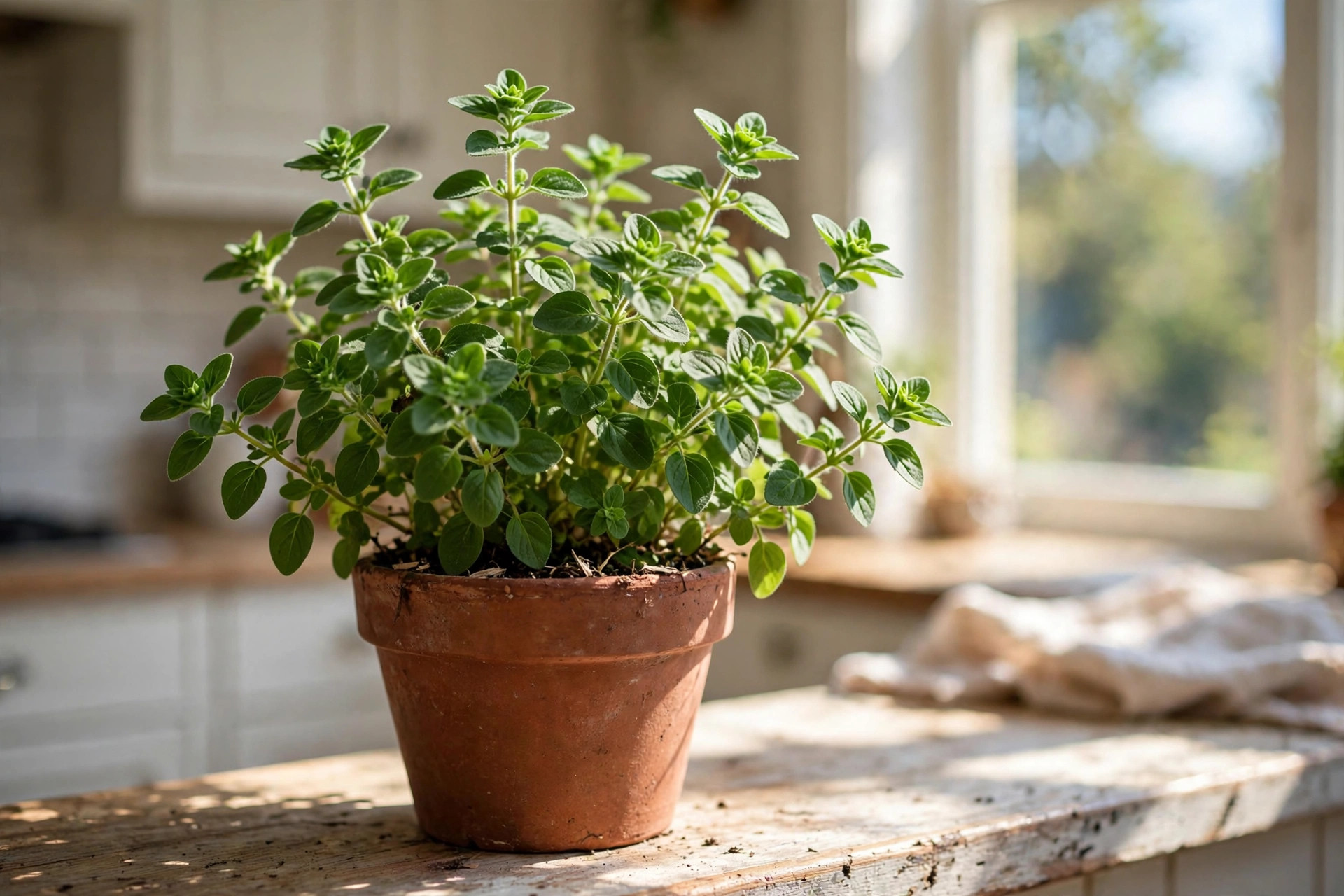

Many cooks keep a small jar of dried oregano in the cabinet. Few realize how simple it is to learn how to grow oregano indoors year round and cut fresh leaves any day of the year. Oregano is a tough Mediterranean herb. It asks for little and gives much. With a sunny spot, a plain pot, and a few minutes of care each week, you can keep this herb alive through winter, spring, summer, and fall. This guide walks through the full process in plain language, from the first pot of soil to the last harvest of the season.
Why It Matters to Grow Oregano Inside the Home
Fresh oregano tastes stronger and brighter than the dried kind. The dried herb in stores can sit on shelves for months before it reaches your kitchen. A leaf cut seconds before cooking keeps its oils and its sharp, warm flavor. That flavor lifts pizza sauce, soups, roast chicken, and vegetable dishes.
Growing the herb at home also saves money. A small pack of fresh oregano at the store can cost several dollars. One indoor plant can give you cuttings for a full year at almost no cost.
There is another reason to study how to grow oregano indoors year round. The plant is forgiving. It tolerates missed waterings and poor soil. It grows back fast after a hard cut. For a first herb, few choices are better.
What to Look For When You Start: How to Grow Oregano Indoors Year Round
Begin with a healthy plant or a packet of seed. Buying a small started plant from a nursery is the fastest route. Look for deep green leaves with no brown spots and no sign of insects. The stems should feel firm, not soft. A four-inch pot plant is large enough to begin.
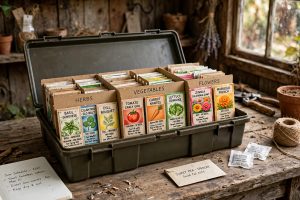
If you prefer seed, check the date on the packet. Old seed grows slowly or not at all. Oregano seed is tiny and takes one to two weeks to sprout. For more on starting herbs from seed, see our guide on how to start seeds indoors guide.
Choose a pot with holes in the bottom. Oregano hates wet feet. Water that cannot drain will rot the roots. A clay pot works well because the sides let extra moisture escape. A six-inch pot suits one plant for a year. Make sure you have a saucer under it to protect the windowsill.
Soil matters more than many beginners think. Use a light mix that drains fast. A simple blend of potting soil with a handful of coarse sand or perlite works well. Read our review of the best potting soil for container gardens before you buy.
A small set of tools makes the work easier. You will want a watering can with a narrow spout, a pair of sharp scissors or small shears, and a spray bottle for misting. A garden tool set for beginners often includes these basics at a fair price.
Types of Oregano for Indoor Growing
Not all oregano plants are the same. The common kitchen type is Greek oregano, known by the name Origanum vulgare hirtum. It has small gray-green leaves and a strong, sharp taste. This is the type most recipes mean when they call for oregano.
Italian oregano is a milder hybrid, which suits cooks who find Greek oregano too strong. It grows in much the same way indoors.
Syrian oregano, sometimes called zaatar, has larger leaves and grows taller, so it needs a larger pot. It still does well indoors.
Mexican oregano is a different plant entirely, though cooks use it in similar ways. It needs more heat and more light than the common types, so it is a harder choice for a north-facing window.
For most indoor growers, Greek oregano is the best first choice. It is compact, hardy, and its flavor is the classic taste most people expect. The Burpee seed catalog lists several herb varieties each spring, and their site at Burpee gives clear notes on which types suit indoor pots.
Light, Temperature, and the Right Spot
Oregano comes from the sunny hills of the Mediterranean. It wants light, and lots of it. A south-facing window is the best spot in most American homes. The plant should get six or more hours of direct sun each day.
Many homes lack a truly sunny window. In that case, a simple grow light solves the problem. A basic fluorescent or LED shop light hung a few inches above the plant works fine. Leave it on for twelve to fourteen hours a day. Guidance on matching lights to houseplants appears at The Spruce, which keeps clear, plain guides for indoor growers.
Oregano likes ordinary room temperature. Daytime air between sixty-five and seventy-five degrees suits it well. Night air can drop to sixty without harm. Keep the plant away from hot radiators and from cold drafts near a drafty door. Sudden swings of heat and cold stress the plant more than a steady cool room.
Air flow helps too. Stale, still air invites mildew on the leaves. If the room feels closed up, run a small fan on a low setting across the room, not straight at the plant.
Watering and Feeding Through the Year
Water is where most beginners go wrong. Oregano prefers to dry out a little between drinks. Push your finger one inch into the soil. If it feels dry at that depth, water the plant. If it feels damp, wait a day and check again.
When you water, water deeply. Pour until water runs out of the drainage holes. Then empty the saucer. In winter, when growth slows, the plant drinks less. In the bright heat of summer, it may need water every two or three days.
Feed the plant lightly. Oregano is not a heavy feeder. Too much fertilizer makes weak, pale growth with poor flavor. A half-strength liquid fertilizer once a month in spring and summer is enough. In fall and winter, stop feeding entirely.
A spray bottle of plain water can help in dry winter homes. Mist the leaves once or twice a week in the morning. Do not mist in the evening, when wet leaves sit in the dark and invite disease.
Hand tools from makers like Fiskars and Corona make pruning and repotting simple. Sharp, clean cuts heal faster than torn stems, and clean blades carry less disease from plant to plant.
Planting and Repotting Step by Step
If you start from seed, fill a small pot or tray with moist seed-starting mix. Scatter the tiny seeds on the surface and press them down gently. Do not bury them deep. Oregano seed needs light to sprout. Cover the tray loosely with clear plastic to hold in moisture. Set it in a warm spot, around seventy degrees. Check daily. When green sprouts appear, remove the plastic and move the tray to the brightest spot you have. Thin the seedlings so the strongest one or two remain.
If you start with a nursery plant, the job is simpler. Fill your six-inch pot one-third full of soil mix. Set the plant in at the same depth it grew in its old pot. Fill around the sides, press gently, and water well. Set the pot in its sunny spot and leave it alone for a few days to settle.
Repot once a year in spring. Lift the plant from its pot. If the roots circle the soil ball in a tight mat, move up to a pot one size larger. Loosen the outer roots gently with your fingers. Fresh soil gives the plant new strength for the growing season. Retailers such as Home Depot and Lowes carry pots, saucers, and bagged mixes in every size, and Gardener’s Supply offers pots made for indoor herb growing.
Harvesting Leaves in Every Season
You can begin cutting leaves once the plant stands six inches tall with several strong stems. Always use sharp scissors. Cut stems just above a pair of leaves, and the plant will branch out and grow back fuller. Never take more than one-third of the plant at a single cutting.
Harvest in the morning for the best flavor. The oils in the leaves are strongest before the heat of the day. Pinch or snip the tender tips of stems.
In summer, the plant may try to flower. Small white or pink buds will appear at the stem tips. Pinch them off when you see them. Flowering tells the plant to slow leaf growth. If you keep the buds pinched, the plant keeps making leaves.
You can dry extra leaves for winter cooking, even though the plant itself keeps growing. Tie small bundles of stems and hang them upside down in a warm, dark, airy spot. In a week or two they will be crisp. Strip the leaves into a jar.
Pests, Disease, and Common Trouble
Tiny white flies, called whiteflies, sometimes gather under the leaves. Aphids, which are small soft green or black insects, may cluster on new growth. A strong spray of water knocks most of them off. For stubborn cases, insecticidal soap from the garden center works and is safe for herbs. Spray in the morning and rinse the leaves before you cook with them.
Spider mites are harder to see. They leave fine webbing and a speckled, dusty look on the leaves. They love dry winter air. Raising humidity with a pebble tray of water under the pot helps drive them off. A pebble tray is simple: fill a shallow tray with pebbles, add water to just below the top of the pebbles, and set the pot on top.
Root rot comes from too much water. The leaves turn yellow and the stems feel soft at the base. If you catch it early, let the soil dry out fully and trim away the dead parts. If the whole plant is soft, it is best to start fresh with a new plant. Prevention is simple: a pot with drainage holes and a light hand on the watering can.
Powdery mildew shows as a white dust on the leaves. It spreads in still, humid air. Better air flow and morning watering keep it away. Remove badly affected leaves and throw them in the trash.
Practical troubleshooting guides from Bob Vila and Family Handyman walk through common houseplant problems with plain steps.
Cost and Price of an Indoor Oregano Garden
One of the pleasures of this herb is its low cost. A packet of seed costs a few dollars and can start dozens of plants. A started nursery plant costs a little more but gives you leaves weeks sooner. A bag of potting mix, a clay pot, and a saucer complete the setup.
A simple grow light is the only item with a real price tag, and even that is modest. Basic LED grow bulbs cost little and use little power.
Compare this with the price of fresh herbs at the store. A small plastic pack of fresh oregano can cost three or four dollars and wilts in days. One indoor plant can match that value in a single month of cuttings. Independent product tests at Consumer Reports often compare the long-term cost of grow lights and indoor garden kits for home growers.
Safety Notes for the Home Grower
Oregano is a safe, well-known kitchen herb. Still, a few cautions apply. Wash all leaves before eating them. Indoor air carries dust, and spray products used on nearby houseplants can drift onto herb leaves.
Keep fertilizers and insecticidal soaps out of reach of children and pets. Store them in a closed cabinet. Read every label before use and follow the directions exactly.
Some people with allergies to plants in the mint family may react to oregano. The mint family includes basil, thyme, sage, and mint itself. If you have known allergies to these plants, taste a tiny amount first and wait a day before using more.
Frequently Asked Questions
How much light does indoor oregano really need? Six hours of direct sun is the goal. A south-facing window in most homes gives this. With less light, the plant grows tall and thin with weak flavor. A simple grow light for twelve to fourteen hours a day fixes a dark room.
Can oregano live indoors all winter? Yes. This is the whole point of learning how to grow oregano indoors year round. Growth slows in the short, dim days of winter. Water less and stop feeding. When spring light returns, it wakes up and grows fast.
How often should I water my indoor oregano? Check the soil, not the calendar. Water when the top inch feels dry. In summer this may mean every two or three days. In winter it may mean once a week. Deep watering with full drainage beats small daily sips.
Why are my oregano leaves turning yellow? Yellow leaves most often mean too much water or poor drainage. Let the soil dry out and check that the pot holes are open.
Should I let my oregano flower? Pinch the flower buds off if you want the most leaves. Flowering shifts the plant’s energy from leaves to seed. The flowers are pretty and bees love them outdoors, but indoors they reduce your harvest.
How long will one indoor oregano plant last? With yearly repotting and regular cutting, a plant can thrive for three to five years. When the stems turn fully woody and leaf growth slows, start a fresh plant from a cutting or a new nursery pot.
A Short Final Word
Learning how to grow oregano indoors year round is one of the simplest wins in home gardening. The plant asks for sun, a draining pot, and a light hand with water. In return it gives fresh flavor in every season and a small daily pleasure each time you snip a few leaves for dinner. Start with one pot this week.
References
Bob Vila. (n.d.). Home improvement advice. https://www.bobvila.com Burpee. (n.d.). Seeds, plants, and gardening supplies. https://www.burpee.com Consumer Reports. (n.d.). Product reviews and ratings. https://www.consumerreports.org Corona Tools. (n.d.). Garden and landscape tools. https://www.corona-tools.com Family Handyman. (n.d.). DIY home repair and maintenance. https://www.familyhandyman.com Fiskars. (n.d.). Garden and cutting tools. https://www.fiskars.com Gardener’s Supply Company. (n.d.). Gardening tools and supplies. https://www.gardeners.com Lowe’s. (n.d.). Home improvement products. https://www.lowes.com The Home Depot. (n.d.). Home improvement products. https://www.homedepot.com The Spruce. (n.d.). Home and garden advice. https://www.thespruce.com
Was this guide helpful?

About Robert Taylor
The My Garden US editorial team writes practical, in-depth home and garden guides for American homeowners — tested advice, no fluff.
You May Also Like
Best Garden Kneeling Pad Thick Reviews
February 16, 2026 0 views
How to Attract Pollinators to Garden: A Practical Guide
October 1, 2026 0 views
Seed Starting Supplies Checklist for Beginners
January 9, 2026 0 views