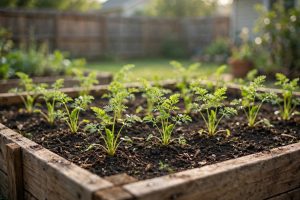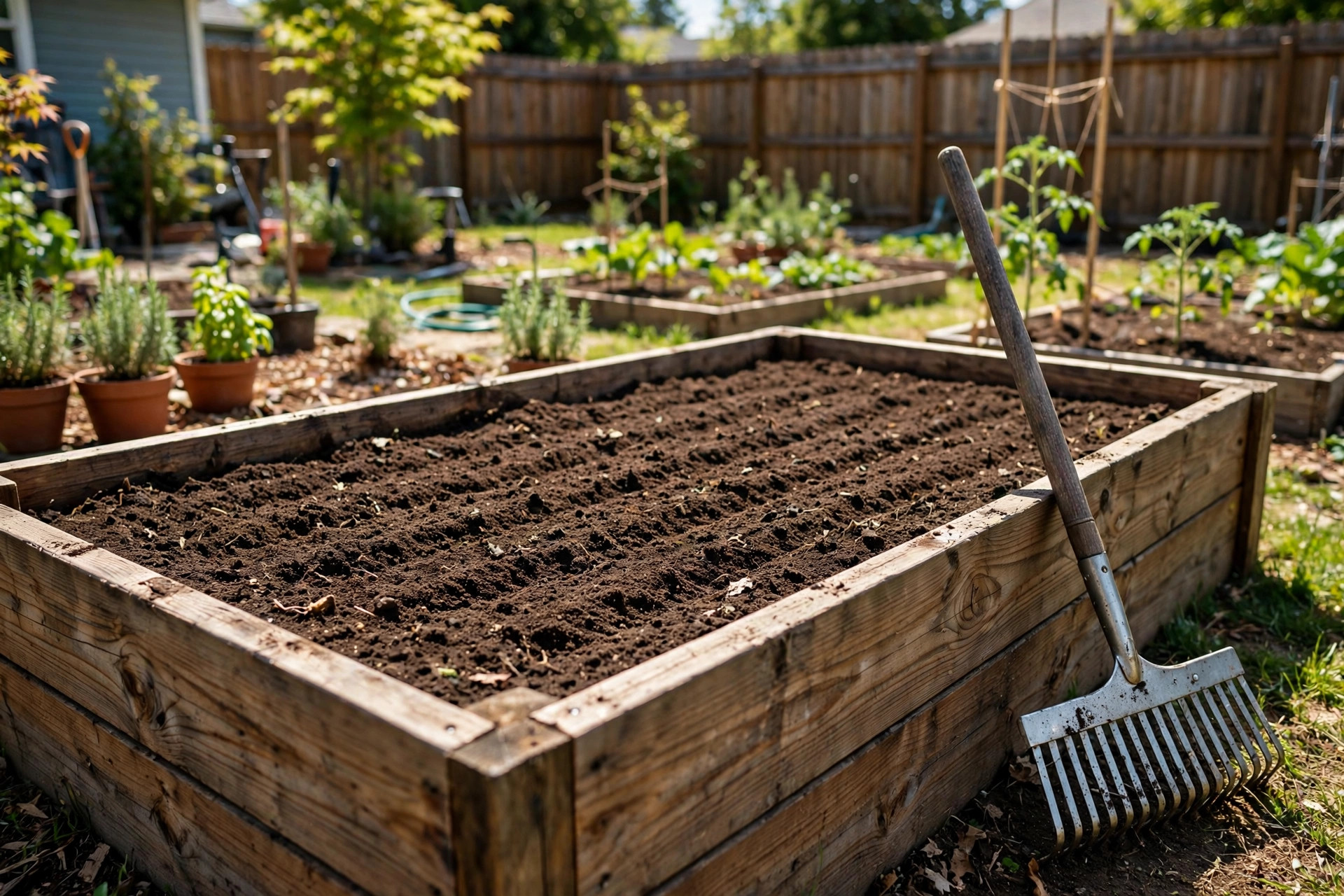

Good plants start with good soil. The best garden soil for raised beds gives roots air, water, and food in the right balance. This guide explains what to look for, what to avoid, and how to fill your beds without wasting money.
Why the Right Soil Matters in Raised Beds
A raised bed is a closed box. Unlike open ground, the soil inside cannot pull water or nutrients from deep earth. Every inch of it is placed there by the grower. That is why the best garden soil for raised beds matters more than the soil in a regular garden.
In the ground, poor soil can be helped by deep roots and worms that travel far. In a raised bed, roots reach the wood or stone edge and stop. If the soil is heavy, water sits and roots rot. If the soil is too light, water runs through and the plants go hungry. Many new growers blame their seeds or the weather when the real trouble is the fill.
Good raised bed soil does three jobs at once. It holds enough water for hot days. It drains fast enough after rain. And it feeds plants with slow, steady nutrients. Bagged soil sold as raised bed mix is made to do these jobs. Native soil from the yard often is not. A bag from a trusted seller, such as those reviewed at Consumer Reports, can save a whole season of poor growth.
What to Look for in the Best Garden Soil for Raised Beds
Texture
Pick up a handful and squeeze it. Good soil holds its shape for a moment, then crumbles when poked. If it stays in a hard ball, it has too much clay. If it falls apart at once like dry sand, it has too little body. The ideal mix feels soft and springy. This texture lets roots push through with ease and lets water move at a steady pace.
Drainage
Water should pass through the bed in minutes, not hours. Puddles that stand for a day mean the mix is too dense. Beds that dry out by noon on a warm day mean the mix drains too fast. The best garden soil for raised beds sits in the middle. It drinks water slowly and releases it to roots over time. Adding coarse perlite or bark helps heavy mixes drain.
Nutrients
Soil tests show what plants can eat. Most bagged mixes list the nutrients on the back of the bag. Look for compost or composted bark in the ingredients. These give slow food that lasts weeks. Fresh mixes also start with some starter fertilizer. This feeds young plants while the compost breaks down. A Burpee growing guide notes that rich organic matter is the base of strong garden soil.
pH Balance
Most vegetables grow best when soil pH sits between 6.0 and 7.0. Many bagged mixes land near 6.5. Cheap fill dirt can be far off this mark. A simple pH test kit from a garden center costs little and takes minutes. If the soil is too sour, garden lime can raise the pH. If it is too sweet, sulfur lowers it. Test each year, since water and fertilizer shift pH over time.
Weight and Structure
Raised beds need soil that stays loose. Heavy clay packs down after a few rains. It squeezes out air pockets that roots need. A mix with perlite, vermiculite, or coarse bark keeps air channels open. These light materials also make the bed easier to dig in spring. Many growers at Gardeners favor mixes that include both perlite and compost for this reason.
Types of Soil and Mixes for Raised Beds
Bagged Raised Bed Mix
This is the simplest choice. Bagged raised bed mix is sold in one to two cubic foot bags at home centers like The Home Depot and Lowes. It is blended to drain well and feed plants. It costs more per foot than bulk, but it works for small beds. For a new grower filling one or two beds, this is often the best garden soil for raised beds by convenience.
Topsoil
Topsoil is the dark layer scraped from the top of fields. It is cheap in bulk. On its own, it is too dense for raised beds. It packs down and drains poorly. Mixed with compost at a ratio of about half and half, it can work well. Always check the source. Some topsoil carries weed seeds or clay lumps. Screen it if it looks rough.
Compost
Compost is rotted plant matter and food scraps. It feeds soil life and adds nutrients. It should not fill a bed alone. Pure compost settles, sinks, and holds too much water. Mixed with topsoil or a bagged blend, it is excellent. A home compost bin, like those reviewed at Corona Tools, gives a free yearly supply.
Mel’s Mix
Mel Bartholomew made this mix famous for square foot gardens. It is one third coarse vermiculite, one third peat moss or coconut coir, and one third blended compost. It drains well and stays light. It costs more than other fills. For small beds where top yield matters, it performs very well. Many guides at The Spruce describe this recipe for first-time bed builders.
Homemade Blend
Many growers make their own fill. A common recipe is 60 percent topsoil, 30 percent compost, and 10 percent aeration such as perlite or bark. This costs less than bagged mix. It takes more labor. The result can be as good as store blends if the parts are quality. For a step-by-step approach, see our guide to a raised garden bed soil mix recipe.
How Much Soil Does a Raised Bed Need
Measure the bed. Multiply length by width by depth in feet. That gives cubic feet. A common 4 by 8 foot bed, one foot deep, needs 32 cubic feet. Most bagged soil comes in 1.5 or 2 cubic foot bags. Divide the total by the bag size to count bags.
Deep beds can be filled partly with logs, branches, and leaves at the bottom. This method, called hugelkultur, saves soil and adds slow nutrients. The bottom layer rots over years and feeds the soil above. Only the top eight to twelve inches need the best garden soil for raised beds. The lower layers can be rougher material.
Buy a little extra. Soil settles after the first rains. Plan to top up beds each spring with one or two inches of fresh compost. This yearly refresh keeps nutrients up without a full refill.
Cost and Price Guide
Prices shift by region and season. The figures below give a fair range for the United States.
– Bagged raised bed mix: 6 to 12 dollars per 1.5 cubic foot bag. A full 4 by 8 bed costs roughly 120 to 250 dollars in bags alone. – Bulk topsoil: 20 to 50 dollars per cubic yard delivered. Much cheaper for large beds. – Bulk compost: 25 to 60 dollars per cubic yard delivered. – Perlite or vermiculite: 15 to 30 dollars per 2 cubic foot bag. – Soil test kit: 10 to 20 dollars.
Buying in bulk cuts cost sharply. A single cubic yard equals 27 cubic feet. For three or more beds, a truckload of blended bulk soil is often the smart buy. For one small bed, bags are simpler and cleaner. Price guides and product tests at Consumer Reports and Family Handyman help compare brands.
How to Fill a Raised Bed Step by Step
1. Lay cardboard or landscape fabric at the bottom to block weeds. 2. Add rough material first if the bed is deep: logs, sticks, and leaves. 3. Pour in the soil mix in layers. Wet each layer lightly. 4. Break up clumps with a garden fork or rake as you go. 5. Fill to one or two inches below the rim. This leaves room for mulch and water. 6. Water the bed well and let it settle for a day before planting. 7. Top with two inches of mulch after plants are in.
Do not pack the soil down with your feet. Loose soil grows better roots. Let water do the settling. A checklist from Bob Vila walks through bed building for beginners in more detail.
Care and Upkeep Through the Seasons
Soil in raised beds needs yearly care. Each spring, pull out old roots and weeds. Add two inches of fresh compost. Mix it into the top few inches with a fork. This feeds the soil life that feeds the plants.
Watering method matters. Drip lines or soaker hoses, like the setups described in our drip irrigation kit for raised beds guide, water the soil slowly. They waste less water than sprinklers. They also keep leaves dry, which cuts disease.
Test the soil every year or two. A test shows pH and key nutrients. Add lime or sulfur to fix pH. Add specific fertilizers only if the test shows a lack. Guessing wastes money and can harm plants.
Rotate crops where you can. Do not plant tomatoes in the same spot each year. Rotation breaks disease cycles. It also balances nutrient use, since different plants feed on different foods. Cover empty beds with mulch or a cover crop in winter to stop erosion.
Safety Tips for Raised Bed Soil
Wear gloves when handling bagged soil. Some mixes contain sharp bark or perlite dust. A dust mask helps when pouring dry bags on a windy day.
Check bag labels for biosolids. Some cheap composts use treated sewage sludge. These can carry heavy metals. Look for compost made from yard waste or food scraps instead.
Keep fresh manure away from food crops. Manure needs months to age before it is safe. Use only aged or composted manure, and apply it well before planting. Wash all produce before eating, even from your own bed.
If you build beds from treated wood, line the inside with heavy plastic. Old pressure-treated lumber can leach chemicals. Newer treated lumber is safer, but a liner adds peace of mind. Guides at Family Handyman cover safe bed construction materials.
Frequently Asked Questions
Can I use regular garden soil in a raised bed?
You can, but it is not ideal. Native soil is often heavy and full of weed seeds. Mixed half and half with compost, it can work. For best results, use a blend made for raised beds or build your own mix.
How deep should raised bed soil be?
Eight to twelve inches suits most vegetables. Deep roots like carrots and parsnips want twelve inches or more. Shallow beds of six inches can grow herbs and greens. Deeper is almost always better.
Should I mix compost into raised bed soil?
Yes. Compost is the single best add-on. Mix two to three inches into the top of the bed each spring. It feeds plants slowly and improves texture year after year.
What is the difference between garden soil and potting soil?
Garden soil is made for the ground and is often dense. Potting soil is made for pots and is very light. Raised bed mix sits between the two. Do not fill a whole bed with potting soil. It dries out too fast and costs too much. For vegetable-focused beds, read our guide on the best soil for raised vegetable beds.
How often should I replace raised bed soil?
Rarely. Good soil gets better with yearly compost. Replace it only if it is full of disease or heavy clay. Most beds need only a yearly top-up of compost and mulch.
Can I reuse soil from last year?
Yes. Old soil is fine once you feed it. Pull weeds, add compost, and test the pH. Reused soil with fresh compost often grows better than brand new mix.
Final Word
The best garden soil for raised beds is not one magic brand. It is any mix that drains well, holds water, and feeds plants through the season. Start with a quality base, add compost each year, and test now and then. Your beds will reward you with strong plants and full harvests for many years.
References
Bob Vila. (n.d.). Home improvement advice. https://www.bobvila.com Burpee. (n.d.). Seeds, plants, and gardening supplies. https://www.burpee.com Consumer Reports. (n.d.). Product reviews and ratings. https://www.consumerreports.org Corona Tools. (n.d.). Garden and landscape tools. https://www.corona-tools.com Family Handyman. (n.d.). DIY home repair and maintenance. https://www.familyhandyman.com Fiskars. (n.d.). Garden and cutting tools. https://www.fiskars.com Gardener’s Supply Company. (n.d.). Gardening tools and supplies. https://www.gardeners.com Lowe’s. (n.d.). Home improvement products. https://www.lowes.com The Home Depot. (n.d.). Home improvement products. https://www.homedepot.com The Spruce. (n.d.). Home and garden advice. https://www.thespruce.com
Was this guide helpful?

About Sarah Mitchell
The My Garden US editorial team writes practical, in-depth home and garden guides for American homeowners — tested advice, no fluff.
You May Also Like
Best Garden Thermometer for Soil Reviews: A Plain Guide for American Gardeners
January 5, 2026 0 views
Seed Packet Organizer for Gardeners: A Simple Way to Keep Every Packet in Order
May 26, 2026 0 views
The Best Garden Hand Tools for Seniors: Comfort and Control in the Yard
February 23, 2026 0 views