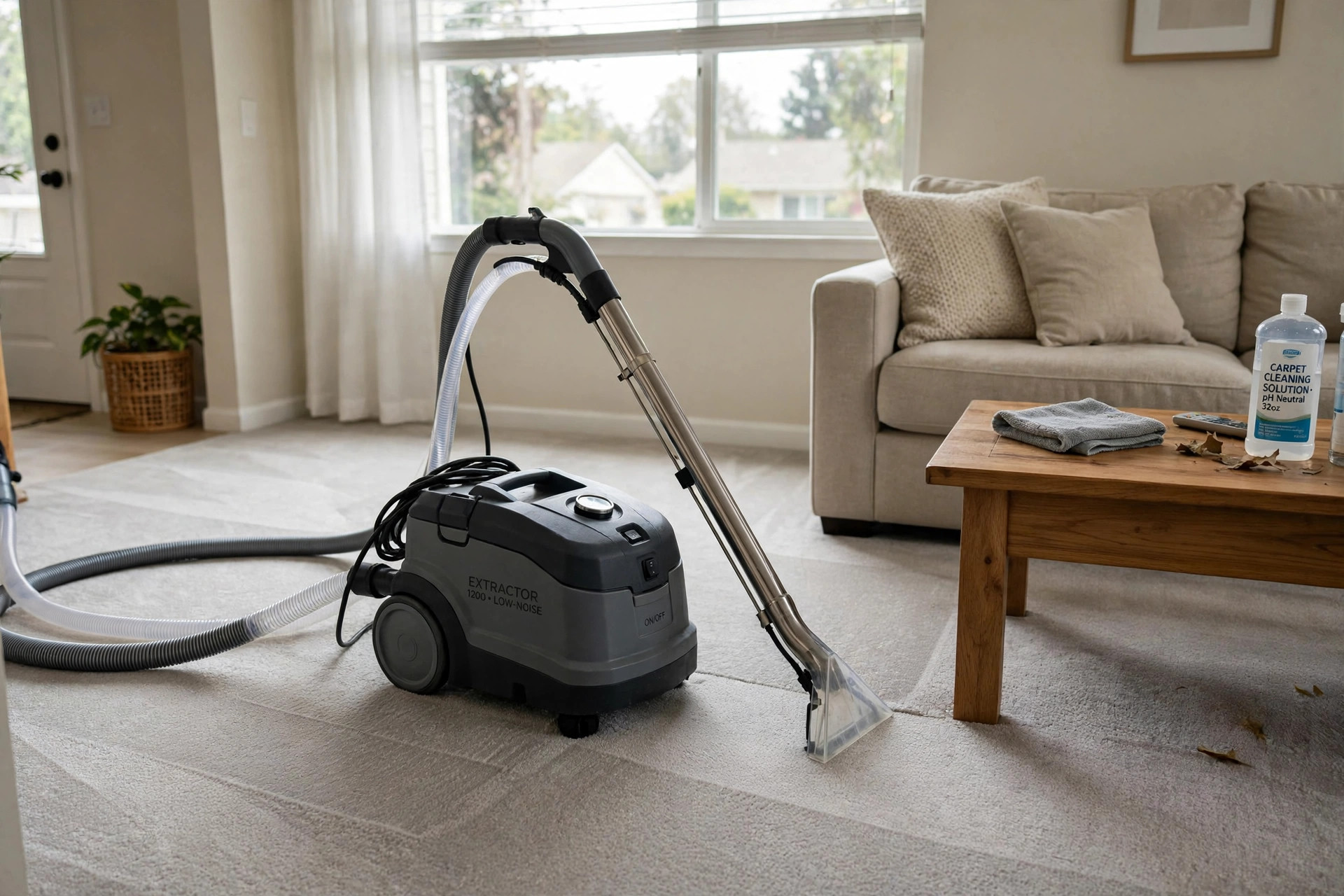
Carpet cleaning day does not have to be a loud one. Many homeowners dread the roar of a big machine in the hall. The noise shakes the windows. It scares the dog. It wakes the baby. The good news is simple. Quiet carpet cleaning service companies for homeowners now exist in most towns. They use low-noise tools. They plan the work so your day stays calm. This guide explains how to find them, what they do, and what to pay.
Why a Quiet Service Matters
Noise in an Ordinary Home
A standard truck-mounted carpet cleaner can be loud. The engine sits in the van. Hoses run to your door. The sound can carry through every room. Some owners work from home. A loud job can ruin a whole day of calls. A quiet service solves this. The tech works with small, soft-spoken machines. The visit feels like a repairman stopping by, not a construction site.
Children, Pets, and Older Family
Small children notice loud machines first. A toddler may cry for an hour after the noise stops. Cats may hide under the bed all day. Dogs may bark without pause. Older parents or grandparents may have hearing aids that make loud sounds worse. Quiet carpet cleaning service companies for homeowners care about this. They pick tools that run soft. They keep the doors closed to hold the sound in. The home stays peaceful.
Apartment and Condo Life
Many people live close to neighbors. A loud cleaning job can cause complaints. Some condo rules set quiet hours in the middle of the day. A quiet crew fits into these rules. The tech can clean one room at a time. The neighbor below may never hear a thing. This is one strong reason to ask about noise before you book.
How to Choose the Right Company: Quiet Carpet Cleaning Service Companies for Homeowners
Questions to Ask on the Phone
Call two or three firms before you pick one. Ask plain questions. Do they use low-noise machines? Will they work room by room? Can they clean during your child’s nap time? Ask how long each room takes. Ask if the van must idle outside your home. A good company answers these questions with ease. A weak one may rush you off the phone. Trust the one that listens. Good consumer guides often list Consumer Reports ratings for home service firms, and you can compare notes there.
Check the Equipment They Bring
Portable machines are the quietest choice. They run on house power. They hum like a strong vacuum. Truck-mounted systems clean well but they are louder. Ask which kind the crew will bring. Some firms own both. They can pick the quieter set for homes with babies or pets. Ask about the noise in plain terms. You can also read equipment reviews on sites like The Spruce to learn which machines run soft.
Read Reviews the Smart Way
Do not read only the star count. Read the words. Look for reviews that say “quiet,” “gentle,” or “polite.” Look for complaints about noise. One loud job in a review may mean a loud fleet. Many review sites let you sort by keyword. Take ten minutes to do this. It can save you from a bad morning. Angi is one place where local cleaning reviews often mention noise levels.
Get It in Writing
Ask for the price, the method, and the machine type in the quote. A short email is fine. This protects you if a louder crew shows up. You can point to the agreement. A firm that puts details in writing is usually a firm that keeps its word. The Better Business Bureau notes that written quotes are a sign of a sound business.
Types of Low-Noise Cleaning Methods
Low-Moisture Extraction
This is one of the quietest deep-clean methods. The machine sprays a small amount of water and soap. It pulls the dirty water back at once. The motor is small. It sounds like a mid-size vacuum cleaner. Dry time is short, often two to four hours. This method suits busy homes. It also suits rentals where fast dry time matters.
Encapsulation Cleaning
Encapsulation uses a special soap that turns dirt into tiny crystals. A soft brush works the soap in. A regular vacuum then lifts the crystals out. The loudest step is the final vacuum. Many owners like this method for office rooms at home. It is quiet and the carpet looks bright after. Dry time can be under one hour.
Dry Compound Cleaning
In this method the tech spreads a dry powder on the carpet. A machine brushes it through the fibers. The powder soaks up soil. A vacuum lifts it away. There is no wet step at all. Noise is low from start to finish. This is a good pick for wool carpet or for rooms with wood floors nearby that must stay dry.
Hot Water Extraction With Portable Units
Hot water extraction is the classic “steam cleaning” method. A truck-mounted unit is loud. A portable unit is much softer. It cleans deep and rinses well. Dry time runs four to eight hours. Ask the firm to bring the portable unit if quiet matters to you. Some firms charge a little more for this choice. It is worth it in a home with small children.
Spot and Stain-Only Visits
Some quiet carpet cleaning service companies for homeowners offer small visits. The tech cleans only the stains. The job may take thirty minutes. The noise is slight. This is a smart pick between full cleanings. It keeps high-traffic spots fresh all year.
Cost and Price
Typical Price Ranges
Prices vary by town, but common ranges hold across the country. A single room often costs between $25 and $70. A whole house with three to five rooms often runs $120 to $300. Stairs may add $2 to $5 per step. Spot treatment may add $10 to $40 per stain. Ask for the full price before the work starts. A quiet machine does not have to cost more, but some firms price it higher. Shop around.
What Changes the Price
Carpet size is the main driver. Room count comes next. Bad stains take more time and more soap. Pet odor treatment adds cost. Furniture moving adds cost too. Some firms move light chairs for free and charge for heavy sofas. Ask which pieces they will move. Clear the small items yourself to save money.
How to Compare Quotes Fairly
Do not compare by price alone. One quote may cover pre-treatment and one may not. One may include deodorizer and one may charge extra. Ask each firm the same list of questions. Write the answers side by side. The best value is rarely the lowest price. It is the firm that is clear, quiet, and honest about the work. If you want a full home refresh, you may also compare professional grade house cleaning services for the rest of the house.
Care and Upkeep Between Visits
Vacuum on a Steady Schedule
A plain vacuum does most of the work between cleanings. Run it once a week in low-traffic rooms. Run it twice a week where people walk most. Use slow passes. Fast passes leave dirt behind. Empty the bag or bin before it fills. A full bin cuts suction in half.
Treat Spills at Once
Blot, never rub. Rubbing pushes the stain deep. Use a clean white cloth. Press down hard. Work from the edge of the spill toward the center. For most food spills, warm water and a drop of dish soap is enough. Rinse with clean water after. Pat dry with a towel. Old advice from home experts at Good Housekeeping still holds: speed matters more than any special product.
Use Rugs and Mats in Busy Spots
A mat at each door traps soil before it reaches the carpet. A runner in the hall takes the wear of daily steps. Wash the mats often. They are cheap and they save the carpet. Rotate area rugs once a year so wear spreads evenly.
Plan Professional Cleans Once a Year
Most makers suggest a deep clean every 12 to 18 months. Homes with pets may need it every 6 to 12 months. Mark it on the calendar like a dental visit. Regular care keeps the carpet soft and the colors true. It also guards your warranty. Many carpet warranties require proof of yearly professional cleaning. Keep your receipts.
Safety for Children, Pets, and the Home
Ask About the Cleaning Soaps
Soaps and rinses matter when kids and pets live in the home. Ask what products the crew will use. Many firms now carry low-odor, plant-based soaps. Some carry soaps rated safe around pets. A quiet firm that uses mild products is the best mix. You can check product safety basics at the EPA site, which posts plain guidance on household chemicals.
Keep Pets in a Safe Room
Even a quiet job brings strangers and hoses. Put the dog or cat in a closed room with water. Let the tech know where they are. This keeps the pet calm and the tech safe. It also keeps hair off the wet carpet.
Mind Slippery Floors
Hoses cross hard floors on the way to the carpet. Wet hard floors can be slick. Ask the tech to wipe them down before leaving. Put a towel at each doorway. Tell kids to walk, not run, until the floors dry. Older advice from This Old House reminds owners to plan a dry path through the home during the visit.
Ventilate After the Job
Open a window or two after the crew leaves. Run a ceiling fan. Air flow cuts dry time in half. It also clears any soap smell fast. In cold months, crack a window for an hour. The small heat loss is worth the faster dry time.
Frequently Asked Questions
How quiet is a quiet carpet cleaning visit, really?
A quiet visit sounds about like a strong home vacuum. You can hold a phone call in the next room. A standard truck-mounted job is much louder. It can shake pictures on the wall. If noise is your main worry, say so when you book. The firm can plan the quietest method for you.
Will a quiet method clean as deeply?
Yes, in most homes. Low-moisture and portable hot-water units clean deep. They may need one extra pass on bad stains. Truck-mounted units have more power, but power is not the whole story. Soap choice and tech skill matter just as much. Ask how the tech handles tough stains. A skilled tech with a quiet machine beats a rushed tech with a loud one.
Can I stay home during the cleaning?
Most owners stay home. It is normal. You can work in another room. Tell the crew your schedule. Ask them to start with the far rooms. Keep children and pets in a closed room. Plan to be out of each room while it dries. Practical scheduling tips from Bob Vila suggest booking morning slots so carpet dries by evening.
How long before I can walk on the carpet?
Light socks-only traffic is fine after one to two hours with low-moisture methods. Hot water extraction needs four to eight hours. Shoes and heavy furniture should wait a full day. Ask the tech for a dry-time estimate before they leave. Place clean towels or foil under furniture legs to stop stains from wood finishes.
What if I have mold or musty carpet odor?
Musty smell can point to moisture deep in the pad. A surface clean may not fix it. Ask the firm if they test for moisture. In bad cases you may need a different kind of help. You can read about quiet mold remediation services if the smell points to a deeper problem. Fix any leak first, or the odor will return.
Should I rent a machine instead of hiring a firm?
Rental machines are cheap and they run quiet. They clean the surface well. They often leave too much water behind. Wet carpet can smell musty in a day or two. A pro machine pulls more water out. If you rent, make slow passes and do extra dry passes. For a yearly deep clean, a pro visit is still the safer choice. Compare machine types in any upholstery cleaning machines buying guide before you decide.
A Short Final Word
A clean carpet should not cost you a loud, tense day. Quiet carpet cleaning service companies for homeowners make the whole job easy. The crew arrives with soft machines. They work room by room. They leave the home calm and the carpet fresh. Ask about noise when you call. Ask about the method. Read the reviews with care. Pick the firm that treats your quiet home with respect. Your carpet, your kids, and your dog will all thank you.
References
Angi. (n.d.). Home services marketplace. https://www.angi.com Better Business Bureau. (n.d.). Business reviews and ratings. https://www.bbb.org Bob Vila. (n.d.). Home improvement advice. https://www.bobvila.com Consumer Reports. (n.d.). Product reviews and ratings. https://www.consumerreports.org Good Housekeeping. (n.d.). Product reviews and home advice. https://www.goodhousekeeping.com The Spruce. (n.d.). Home and garden advice. https://www.thespruce.com This Old House. (n.d.). Home renovation guidance. https://www.thisoldhouse.com U.S. Environmental Protection Agency. (n.d.). Protecting human health and the environment. https://www.epa.gov
Was this guide helpful?

About Lisa Anderson
The My Garden US editorial team writes practical, in-depth home and garden guides for American homeowners — tested advice, no fluff.