
Buying a first grill can feel like hard work. The store has rows of steel boxes with burners, knobs, and grates, and each one promises the best food. This gas grill buying guide for beginners breaks the choice down into plain parts. It explains how gas grills work, what to look for, and what to avoid. It also covers cost, care, and safety. By the end, a new cook should know exactly which grill fits the home and the budget.
Why a Gas Grill Makes Sense for a Beginner
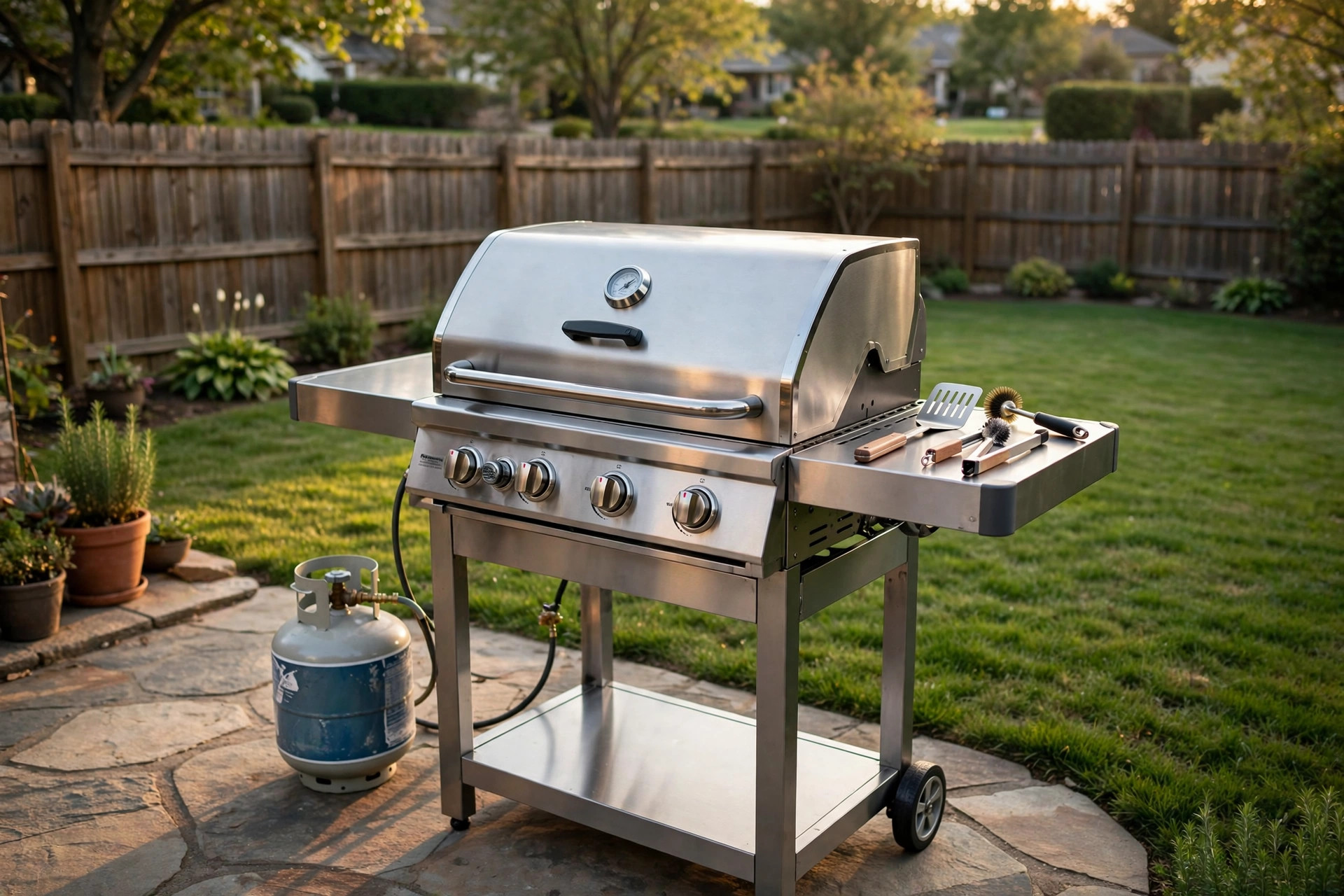
A gas grill uses propane or natural gas for heat. The cook turns a knob, presses an igniter, and the burners light in seconds. There is no charcoal to pile, no chimney to light, and no long wait for coals. This ease is the main reason new cooks choose gas.
Heat control is the second reason. A gas grill has separate burners with their own knobs. The cook can set one side high and the other side low. This gives steady, repeatable heat. Food cooks evenly, and the results are easy to repeat week after week.
The third reason is clean up. Gas leaves no ash. The grates brush off after cooking. The grease cup slides out and empties in a minute. A beginner spends time learning to cook instead of learning to clean.
Some cooks prefer the smoke taste of charcoal or wood pellets. That choice can come later. Many grill owners keep a gas grill for weeknight meals and add a smoker or pellet grill years later. Gas is the simple start.
How to Choose the Right Gas Grill: Gas Grill Buying Guide for Beginners
Size and Cooking Space
Cooking space is measured in square inches. A small grill has about 300 square inches. A large grill has 700 square inches or more. The right size depends on the number of people at a normal meal.
A couple or small family can work with 400 to 500 square inches. This space holds about 15 burgers at once. A large family or a host of parties needs 600 square inches or more. Bigger grills cost more and take more patio space, so measure the deck or patio before shopping.
Also count the side shelves. Fold-down shelves hold tools and plates during cooking. Some models have a side burner for pots. These extras add width. Check the full width with the lid open to be sure the grill fits.
Burners and Heat Output
Burners sit under the grates and give the heat. Most grills have two, three, or four main burners. Two burners suit small meals. Three or four burners suit larger meals and give more heat zones.
Heat output is measured in British thermal units, or BTUs. Total BTU matters less than most ads suggest. A good rule is to look for about 80 to 100 BTUs per square inch of main cooking space. A grill with 40,000 BTUs over 450 square inches is in a fair range.
What matters more than raw power is even heat. Even heat means the whole grate reaches about the same temperature. Even heat comes from good burner layout and solid heat tents over the burners. Reviews from testing groups often measure this with a toast test or thermometer grid. The test results at Consumer Reports show how models compare.
Ignition
Almost all new grills have a push-button igniter. Better models use electronic ignition with one button per burner or a single button that lights all burners in sequence. Cheap match-light grills need a long match through a hole. Beginners should choose electronic ignition. It is safer and simpler.
Build Quality
A grill sits outside in sun and rain for years. Thin steel rusts fast. Look for a lid and body made of heavy stainless steel or thick porcelain-coated steel. Cast aluminum bodies also last well.
The grates matter too. Cast iron grates hold heat and give strong sear marks, but they need seasoning and care. Stainless steel grates are easy to clean and last long. Porcelain-coated grates are a fair middle choice. Many new cooks do well with stainless steel because it asks little upkeep.
Wheels should be sturdy. The grill may move across a patio. Side shelves should feel solid, not wobbly. The lid should open smoothly and stay in place.
Fuel Type
Most home gas grills run on a 20-pound propane tank. The tank sits under or beside the grill and connects with a hose and regulator. Propane grills work anywhere and need no hookup.
Some grills run on natural gas. A natural gas grill connects to the home gas line with a fixed pipe. It never runs out of fuel in the middle of a cookout, but it cannot move. Most grills are built for one fuel or the other. A few can convert with a kit. A beginner with no gas line should buy propane.
Types of Gas Grills
Gas grills come in four main shapes. Each suits a different kind of cook.
Freestanding cart grills are the most common. They stand on wheels with shelves on the sides. They come in many sizes and prices. Most beginners buy this type.
Built-in grills drop into an outdoor kitchen counter. They look fine and last long. They cost more and need a fixed island or cart. They suit a planned outdoor kitchen, and a guide to building one on a budget can help with planning.
Portable gas grills are small and light. They use small propane canisters or an adapter hose. They suit camping, tailgating, and small balconies. Read portable grill reviews before buying one.
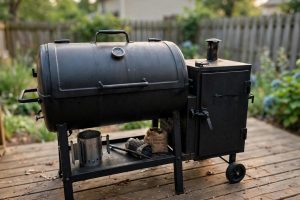
Pellet grills run on wood pellets and an electric feed system. They are not gas grills, but shoppers often compare them. A pellet grill versus gas grill comparison explains the pros and cons of each.
What to Look For Before You Buy
A short checklist helps in the store or online.
First, check the cooking space and count the burners. Second, check the ignition type. Third, open and close the lid. Fourth, look at the grease management. A full-width drip pan or deep grease cup is easy to clean. Fifth, check the warranty. Good brands give 5 to 10 years on burners and the firebox, and 2 years on other parts.
Brand history helps. Makers like Weber, Char-Broil, Napoleon, Broil King, and Traeger have long records and wide part supplies. Parts matter because burners and grates wear out. A grill with cheap parts is a short-life grill.
Read the assembly notes before buying. Most grills need one to two hours of assembly. Some retailers such as The Home Depot offer assembly service for a fee. If tools and patience are short, that service is worth the cost.
Look at guides on cooking sites like The Spruce Eats and AmazingRibs.com for beginner recipes and two-zone setup advice. The recipes build skill fast.
Cost and Price
Gas grills sell from about 100 dollars to over 2,000 dollars. Price follows size, steel thickness, and extras.
Under 300 dollars, grills are basic. Two burners, thin steel, and short warranties. They cook fine for a season or two. Many beginners start here to learn the craft, then upgrade. A guide to the best gas grill under 500 for beginners shows strong picks in this range.
From 300 to 700 dollars, quality rises fast. Three burners, thicker steel, better grates, and longer warranties. This is the sweet spot for most first-time buyers. A grill in this range can last five to ten years with care.
Over 700 dollars, grills get premium steel, more burners, sear stations, rotisserie kits, and built-in lights. They suit serious cooks. Beginners do not need this level to start, but the extra build can be worth it for those who grill often.
Count the full first-year cost. The grill, a propane tank, a cover, tools, and a thermometer add up. A good grill cover is cheap and adds years of life. A basic instant-read thermometer is the best safety tool a new cook can own.
Care and Upkeep
A gas grill asks little work, but the work matters.
After each cook, brush the grates while they are still hot. Then close the lid and turn the burners high for ten to fifteen minutes. This burns off stuck food. Brush again and let the grill cool.
Once a month, check the grease cup and drip pan. Grease fires start from built-up grease. Empty the cup before it gets full. This is the single most important habit.
Each season, look at the burners. Brush away rust and food. Check the holes in the burner tubes. Spider webs and nests can block gas flow, which is a known cause of uneven heat and yellow flames. A full guide on how to clean gas grill burners properly walks through the steps.
Check the hose and regulator each year. Look for cracks and wear. If the grill will not reach full heat, the regulator may need a reset or a change. A gas grill regulator replacement guide covers that fix.
Cover the grill when not in use. A cover keeps rain and sun off the steel. Even good stainless steel lasts longer under a cover. Store the propane tank upright in a shaded spot, never in a closed garage or shed.
At season end, do a deep clean. Remove the grates and heat tents. Brush and wash them with warm soapy water. Empty and wipe the grease pan. If the grill sits unused through winter, read tips on how to winterize a gas grill for storage.
Safety Rules for Beginners
Gas is safe when the rules are followed.
Always open the lid before lighting. Gas can collect under a closed lid. Light with the lid open so gas vents freely.
Place the grill at least ten feet from the house, siding, and rails. Never grill in a garage, even with the door open. Grills belong outdoors only.
Keep children and pets away from the hot grill. Set a three-foot kid-free zone around it.
Check for gas leaks each season. Mix dish soap and water and brush it on the hose joints. Turn on the gas. Bubbles mean a leak. Tighten the joint or change the part before cooking.
Never move a hot or lit grill. Let it cool fully first.
Keep a spray bottle of water near the grill for small flare-ups, and keep the lid close at hand. Closing the lid starves a grease fire of air. Never pour water on a large grease fire. If a fire grows out of control, call the fire department and move away.
Turn off the burners, then the tank valve, when done. This stops gas flow and saves fuel.
FAQ
How long does a propane tank last? A 20-pound tank holds about 4.6 gallons of propane. A medium grill uses roughly one gallon per hour at full heat. Normal cooking at medium heat gives 18 to 20 hours per tank. Most families refill or exchange a tank a few times each summer.
Do I need to season the grates? Cast iron grates need seasoning. Rub them with a thin layer of high-heat oil and heat the grill for 15 minutes before the first cook. Stainless steel and porcelain-coated grates do not need seasoning. Many beginners prefer stainless steel to skip this step.
What is the first food I should grill? Start with something easy and forgiving. Chicken thighs, burgers, and vegetables are good first cooks. Save thick steaks for later. A simple method for how to grill steak on gas grill will help when the cook is ready for beef.
Can I use a gas grill in the rain? Light rain is fine. The lid keeps water off the food. Heavy rain or storms are not fine. Wind blows heat away and makes cooking uneven. Lightning near the grill is a clear sign to stop.
How hot should the grill be? Most cooking happens between 350 and 450 degrees. Searing uses 500 degrees or more. Low and slow cooking uses 225 to 300 degrees. A grill thermometer in the lid helps, but a probe thermometer in the food gives the true reading. Cook to temperature, not to time.
Should I buy natural gas or propane? Propane fits most beginners. It needs no gas line and the grill can move. Natural gas suits a fixed outdoor kitchen with a gas hookup. Natural gas costs less per cook but needs professional installation of the line.
A Final Word
A first gas grill does not need to be large or costly. It needs to light easy, hold steady heat, and clean fast. Measure the space, pick three burners if the budget allows, and choose thick steel with a fair warranty. Spend the savings on a cover, tools, and a good thermometer. The grill is a tool. The cook is the craft. With a few cooks under the lid, the beginner becomes the host.
References
AmazingRibs.com. (n.d.). Barbecue and grilling science. https://www.amazingribs.com Broil King. (n.d.). Gas and charcoal grills. https://www.broilkingbbq.com Char-Broil. (n.d.). Gas and charcoal grills. https://www.charbroil.com Consumer Reports. (n.d.). Product reviews and ratings. https://www.consumerreports.org Napoleon. (n.d.). Fireplaces, grills, and heating products. https://www.napoleon.com The Home Depot. (n.d.). Home improvement products. https://www.homedepot.com The Spruce Eats. (n.d.). Recipes and cooking guides. https://www.thespruceeats.com Traeger. (n.d.). Wood pellet grills. https://www.traeger.com Weber. (n.d.). Grills and outdoor cooking. https://www.weber.com
Was this guide helpful?

About Michael Thompson
The My Garden US editorial team writes practical, in-depth home and garden guides for American homeowners — tested advice, no fluff.
You May Also Like
Best Outdoor Grill for Florida Humidity
May 1, 2026 0 views
How to Grill Lobster Tails at Home Like a Cookout Pro
July 27, 2026 0 views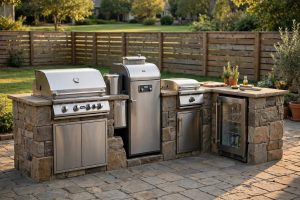
Outdoor Kitchen Appliance Package Deals: A Complete Buyer’s Guide
September 20, 2026 0 views