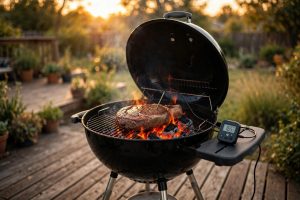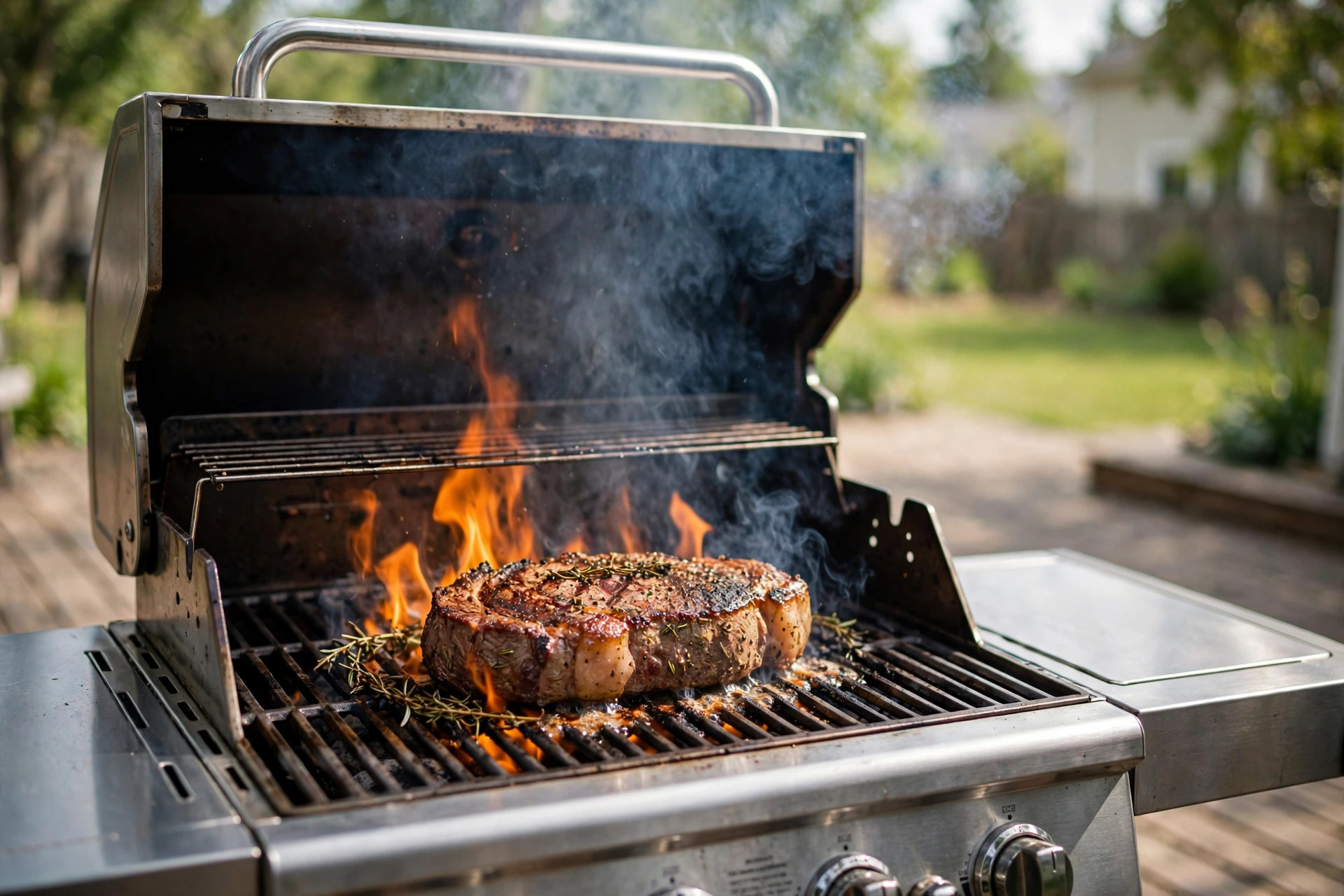

A good steak does not ask for a fancy kitchen or years of practice. It asks for heat, timing, and a little patience. Learning how to grill steak on gas grill is one of the most useful skills a home cook can pick up, because a gas grill gives you steady, even heat at the turn of a knob. You preheat, you sear, you rest, and you eat.
Many people overcook their first steaks on a gas grill. They rush the preheat, or they poke the meat too often, or they cut into it the moment it leaves the grate. This guide walks through the whole process in plain steps: how to pick the steak, how to set up the grill, what the finished temperatures should be, and how to keep your grill in good shape.
Why It Matters
A gas grill cooks steak with clean, direct flame. That matters for two reasons. First, the high heat creates a browned crust on the outside of the meat, where much of the flavor lives. Second, the knobs let you move from high heat to low heat in seconds, which gives you control over the inside of the steak. You can sear the outside hot and fast, then finish the center gently with the lid closed.
That control is what separates a juicy steak from a dry one. A steak cooked with two zones of heat gets a seared crust and a tender middle at once.
There is also a practical side. Grilling keeps heat and grease out of the kitchen. It feeds a crowd with little fuss. And a well-grilled steak at home costs far less than the same meal at a restaurant. Once the steps become habit, the whole cook takes about half an hour.
What to Look For Before You Light the Grill: How to Grill Steak on Gas Grill
Choosing the Steak
Start with thickness. A steak at least one and a quarter inches thick forgives small mistakes, because the center warms more slowly. Thin steaks can go from perfect to overdone in under a minute. If you are new to this, pick a thick-cut ribeye, New York strip, or top sirloin.
Look for marbling, the thin white lines of fat running through the meat. Marbling melts as the steak cooks and keeps it moist. A ribeye has plenty of it. A filet mignon has less, but it is very tender. Cheap cuts like flank or skirt steak also grill well, but they do better with a hot, fast cook and a cut against the grain after resting.
Buy the steak a day ahead if you can. Salt it the night before and leave it uncovered in the refrigerator. This dry brine seasons the meat through and helps it brown. If you forgot, salt it at least forty minutes before grilling.
Getting the Grill Ready
A clean grill is not optional. Old grease and stuck-on bits cause flare-ups and stick to the meat. Scrub the grates with a stiff brush while the grill is hot. For a gentler method, many cooks use a halved onion on a fork to clean hot grates; the moisture steams off residue without harsh chemicals.
Check your propane level before you start. Nothing is worse than running out of fuel with a raw steak in hand. Brush the grates lightly with a high-heat oil such as canola or avocado oil after cleaning. Do not soak them. A thin coat is enough to keep the steak from sticking.
Setting Up Two-Zone Heat
Two-zone heat is the heart of learning how to grill steak on gas grill. Turn one side of the grill to high and leave the other side on low or off. The hot side sears. The cool side finishes.
On a two-burner grill, light one burner on high and leave the other off. On a three-burner grill, set the outer burners to medium-high and keep the middle one low or off. Close the lid and preheat for ten to fifteen minutes. The grates should reach 450 to 550 degrees on the hot side. Many grill makers publish guides to burner layout and heat zones, such as the grilling guides at Weber and the burner design notes at Broil King.
The Tools You Will Want
You need only a few tools. Long-handled tongs turn the steak without piercing it. A stiff grill brush keeps the grates clean. An instant-read thermometer removes all guesswork; it is the single most important tool for getting the gas grill temperature for steak right.
Step by Step: How to Grill Steak on a Gas Grill
Step 1: Warm the steak. Take the steak out of the refrigerator thirty to forty-five minutes before cooking. Pat the surface dry with paper towels. A dry surface browns better. Season with coarse salt and black pepper.
Step 2: Preheat with the lid closed. Light the grill, set up two-zone heat, and close the lid for ten to fifteen minutes. A fully heated grill gives you the hard sear that builds crust.
Step 3: Sear over direct high heat. Lay the steak on the hot side of the grill. Let it sit for two to three minutes without moving it. Moving it too soon tears the crust. Flip once with tongs and sear the other side for two to three minutes more.
Step 4: Finish over indirect heat. Move the steak to the cooler side of the grill and close the lid. This is where the center cooks through gently. For a one-inch steak at medium rare, this takes about four to six more minutes. Start checking the internal temperature early rather than late.
Step 5: Check the temperature. Use your thermometer. Pull the steak off the grill five degrees below your target, because the temperature will rise as it rests. Target temperatures are:
– Rare: 120 to 125 degrees, cool red center – Medium rare: 130 to 135 degrees, warm red center – Medium: 140 to 145 degrees, warm pink center – Medium well: 150 to 155 degrees, slightly pink center – Well done: 160 degrees and above, little or no pink
Most steak lovers aim for medium rare, which keeps the meat juicy while still warm through. The science of how heat moves through meat is explained in plain terms in the barbecue science articles at AmazingRibs.
Step 6: Rest the steak. Move the steak to a warm plate or cutting board. Tent it loosely with foil. Let it rest for five to ten minutes. During the rest, the juices settle back through the meat instead of running out onto the plate. Cutting too soon is the most common way to lose juiciness.
Types of Steak and Which Approach Suits Each
Not every cut wants the same treatment. Thick cuts, such as a two-inch ribeye or porterhouse, do best with a reverse sear: cook them first on the cool side with the lid closed until nearly done, then sear hot at the very end. This gives an even pink center from edge to edge.
Medium-thick steaks, around one to one and a half inches, are the classic case for the sear-first method described above. This covers the ribeye, strip, and sirloin that most families buy.
Thin steaks, under an inch, want hot and fast. Sear them over the highest heat for one to two minutes per side and serve. There is no indirect stage. Skirt steak, flank steak, and thin-cut sirloin fall in this group. Slice them thin against the grain.
Lean cuts like filet mignon benefit from a little oil and careful temperature checks, since they dry out faster than marbled cuts. Bone-in cuts like a T-bone or cowboy ribeye take a few extra minutes on the indirect side because the bone slows the cooking. Wider grills make two-zone cooking easier, so compare models in a beginner-friendly grill roundup and the grill reviews at Consumer Reports before your next purchase.
Cost and Price
Grilling steak at home is a bargain next to eating out. A decent gas grill for a beginner runs between two hundred and five hundred dollars; a helpful starting point is a guide to the best gas grill under 500 for beginners. Higher-end models with more burners and heavier grates cost more, and premium gas grill makers like Napoleon sell full outdoor kitchen setups for serious cooks.
Steak prices vary by cut and by market. As a rough guide, expect chuck or top sirloin at eight to twelve dollars a pound, New York strip at twelve to eighteen, ribeye at twelve to twenty, and filet mignon at twenty to thirty or more. Thicker steaks from a butcher counter often cost a little more per pound but give better results on the grill.
Fuel is cheap per cook. A standard twenty-pound propane tank refill costs around twenty to twenty-five dollars and lasts for many grilling sessions. An instant-read thermometer costs fifteen to thirty dollars, and a good grill brush and long tongs add another twenty or so. All told, the first year of grilling costs far less than a handful of steakhouse dinners. Apartment and condo cooks should check building rules first, since many ban open-flame grills on balconies; compact options appear in a roundup of the best grill for apartment dwellers reviews.
Care and Upkeep
A gas grill lasts for years if you treat it well. Clean the grates after every cook while they are still warm. For a natural method, see how to clean grill grates with onion. Empty the grease tray often, because old grease is the main cause of dangerous flare-ups.
Once or twice a year, give the grill a deeper cleaning. Remove the grates and the heat tents and brush off the carbon. Check the burner tubes for debris, which can block gas flow, and look at the hoses for cracks. A quick once-over each spring keeps the grill lighting on the first try all summer. Portable models need the same care before camping trips.
Cover the grill between uses. A cover keeps rain out of the burners and slows rust. Store the propane tank upright, outdoors, away from the house, never in a garage or basement.
Safety
Gas grills are safe when you respect the fuel. Before the season starts, check for leaks. Mix dish soap with water, brush it on the hose connections, and turn on the gas with the lid open and the burners off. Bubbles mean a leak. Tighten the connection or replace the hose before you light anything.
Place the grill at least ten feet from the house, from railings, and from anything that can burn. Never use a gas grill indoors, in a garage, or under a low roof. Carbon monoxide has no smell and no color, and it can build up fast in closed spaces.
Keep the lid open when you light the grill. If the burners do not light in five seconds, turn everything off, wait five minutes for the gas to clear, and try again. Never lean over the grill while lighting it. For a grease fire, turn off the burners and keep the lid closed until the fire dies. Do not use water on a grease fire.
Frequently Asked Questions
What temperature should a gas grill be for steak? Aim for 450 to 550 degrees on the searing side. The finishing side can be 350 to 400 degrees with the lid closed. Let the grill preheat fully; a hot start is what builds the crust.
How long does it take to grill a steak on a gas grill? A one-inch steak takes about eight to ten minutes total for medium rare: two to three minutes per side over direct heat, then four to six minutes indirect with the lid closed. Thicker steaks take longer. A thermometer gives a truer answer than a clock.
Should the lid be open or closed? Open while searing, so moisture escapes and the crust forms. Closed while finishing, so heat circles the meat and cooks the center. This is the standard method in most grill guides, including the recipe library at The Spruce Eats.
Do I need to marinate the steak first? No. Salt and pepper are enough for good cuts like ribeye and strip. A marinade helps tougher cuts like flank, but pat the meat dry before grilling so it sears instead of steams.
Can I grill a steak from frozen? It is possible but not ideal. A frozen steak cooks unevenly. If you must, cook it entirely on the indirect side with the lid closed until thawed, then sear. Thawing in the refrigerator overnight gives far better results.
Why does my steak stick to the grates? Three causes are common: the grill was not hot enough, the grates were dirty, or you tried to flip too soon. Preheat fully, brush the grates clean, oil them lightly, and wait until the steak releases on its own. Retailers like The Home Depot stock brushes, covers, and replacement grates.
A Short Final Word
Grilling steak on a gas grill comes down to a few habits: buy it thick, salt it early, preheat fully, sear hot, finish gently, check the temperature, and rest the meat. Follow those habits and your steaks will come out juicy and browned, cook after cook. Pellet grill fans can compare notes in the steak guides at Traeger, and kamado owners in the cooking guides at Big Green Egg. For most American backyards, the gas grill remains the quickest road to a great steak. Light it, learn the zones, and trust the thermometer. Dinner will take care of itself.
References
AmazingRibs.com. (n.d.). Barbecue and grilling science. https://www.amazingribs.com Big Green Egg. (n.d.). Kamado grills and outdoor cooking. https://www.biggreenegg.com Broil King. (n.d.). Gas and charcoal grills. https://www.broilkingbbq.com Char-Broil. (n.d.). Gas and charcoal grills. https://www.charbroil.com Consumer Reports. (n.d.). Product reviews and ratings. https://www.consumerreports.org Napoleon. (n.d.). Fireplaces, grills, and heating products. https://www.napoleon.com The Home Depot. (n.d.). Home improvement products. https://www.homedepot.com The Spruce Eats. (n.d.). Recipes and cooking guides. https://www.thespruceeats.com Traeger. (n.d.). Wood pellet grills. https://www.traeger.com Weber. (n.d.). Grills and outdoor cooking. https://www.weber.com
Was this guide helpful?

About Michael Thompson
The My Garden US editorial team writes practical, in-depth home and garden guides for American homeowners — tested advice, no fluff.
You May Also Like
Best Rotisserie Attachment for Gas Grill: A Plain Guide to Picking the Right One
July 6, 2026 0 views
Best BBQ for Beginners Under 200: A Plain Guide to Your First Grill
September 27, 2026 0 views
Best Outdoor Fire Pit Grill Combo: A Complete Buying Guide
July 11, 2026 0 views