Few plants carry the charm of lavender. Its scent drifts from the garden bed to the front door. Its purple spikes brighten the dullest corner of a yard. This lavender seed packets american homes guide explains how to buy seed packets, how to start them, and how to raise strong plants in ordinary American homes. You do not need a greenhouse. You do not need rare skill. You need a packet of seed, good soil, and a little patience.
Why Lavender Matters in the Home Garden
Lavender earns its place in the home garden in several plain ways. First, it smells sweet. A row of lavender beside a walkway releases its perfume every time a visitor brushes past. Second, it asks for little. Once the plants settle, they need less water than most garden flowers. Third, it lasts. A well grown lavender bush can live ten years or more. It blooms each summer. It keeps its gray-green leaves through the winter in many states.
There is also a practical side. Lavender draws bees and butterflies, which help the whole garden. Its strong scent turns away deer and rabbits in many yards. The flowers dry well. Cut stems tied in bundles will keep their smell for months. Gardeners who shop with a lavender seed packets buying guide usa often start with seed rather than costly nursery plants.
Starting from seed has its own reward. A packet of seed costs little. It gives you twenty or more plants for the price of one nursery plant. It also lets you grow kinds of lavender that local stores never carry.
What to Look for When You Buy Seed Packets: Lavender Seed Packets American Homes Guide
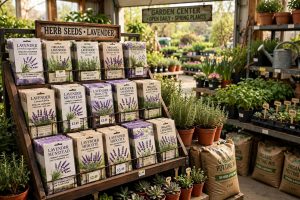
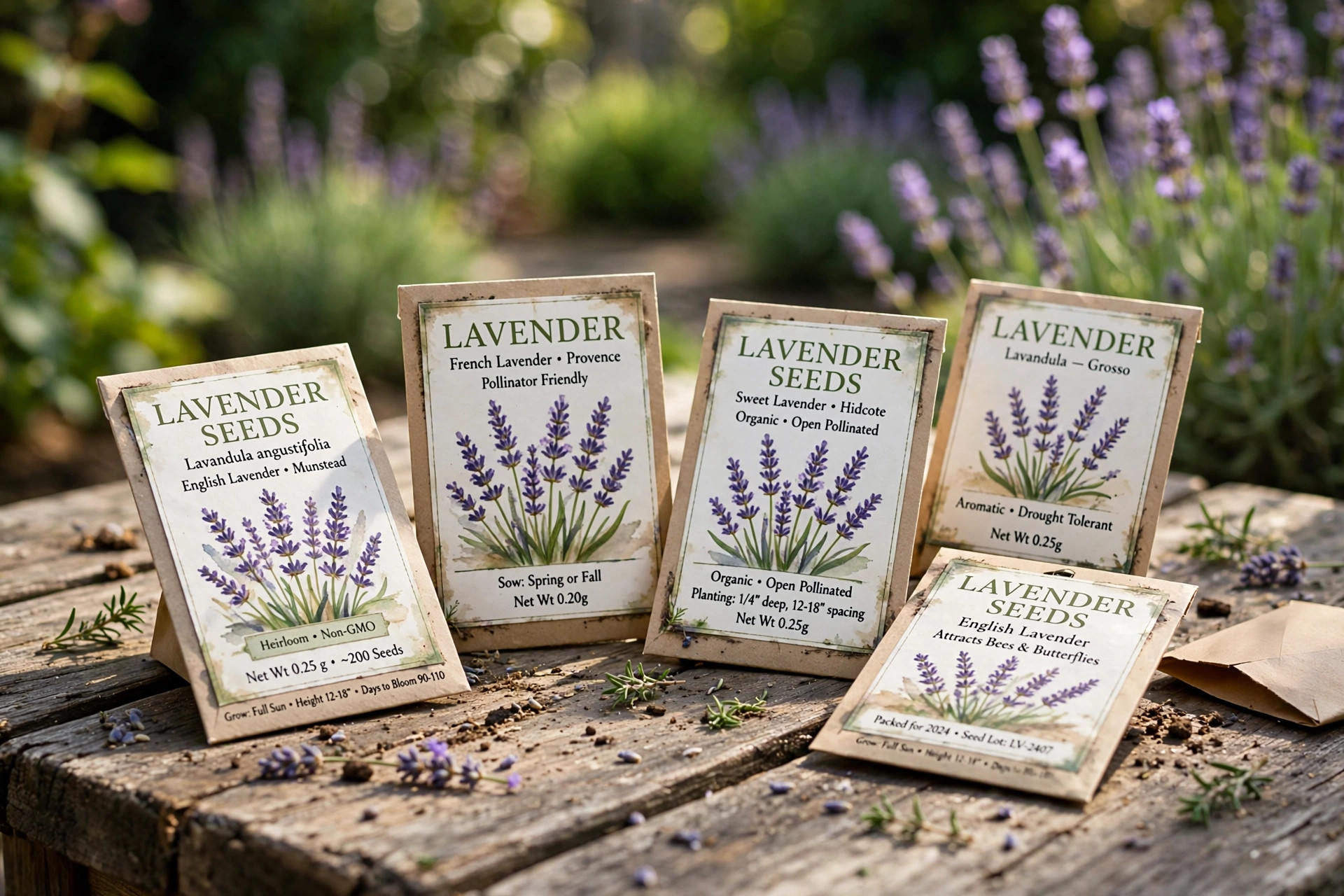
A lavender seed packet is a small thing, but the print on it tells you a great deal. Read the front and the back before you buy. Look for the full name of the kind, the number of seeds, the year the seed was packed, and the germination rate. Fresh seed matters. Lavender seed keeps fairly well, but seed packed this year sprouts better than seed packed three years ago.
Look for the kind of lavender named on the packet. English lavender, sold under names like Lavandula angustifolia, grows best in most American homes. It stands cold winters and gives the sweetest scent. French and Spanish lavenders look showy but die in hard winters. If you live north of zone 8, English lavender is the safer pick. If you live in the deep South, where summers are hot and wet, seek heat-loving kinds such as Lavandula x intermedia or Lavandula stoechas. The packet or the catalog page will say which is which.
Check the seed count. Some packets hold fifty seeds. Some hold hundreds. Lavender germination often runs forty to sixty percent, so half the seed may never sprout. A packet with two hundred seeds still gives a fine crop at a modest rate.
Note the words on the back. A good packet tells you when to sow, how deep to plant, and how many days the seed takes to sprout. Seed catalogs and large sellers such as Burpee print the same facts on their web pages for each kind they carry. Packets that skip this information may still be fine, but a full set of directions shows care on the maker’s part.
Types of Lavender Seed and Their Options
Home gardeners in America work mostly with three groups of lavender. Each group suits different homes and different plans.
English Lavender
English lavender is the classic kind. Its flowers are soft purple. Its scent is the one most people know from soap and sachets. Plants grow about two feet tall and two feet wide. They bear cold down to zone 5. Popular seed kinds include Munstead and Hidcote. Munstead grows from seed with fair ease and blooms in the first year. Hidcote is more even in color and makes a neat low hedge. Nursery guides from Proven Winners and Monrovia show how these named kinds differ in height, bloom time, and cold hardiness.
French and Spanish Lavender
French lavender, Lavandula stoechas, carries large showy heads with little wings of petals on top. It blooms long and loud. It stands heat well but fails in cold winters. It suits homes in zones 8 through 10 and makes bold pots and warm borders.
Hybrid Lavender
Hybrid kinds, often sold as Lavandin or Lavandula x intermedia, cross English lavender with a wild kind. They grow larger, with longer stems and stronger oil. Grosso and Provence are the best known. Hybrids do not always grow true from seed, so the packet should say so.
Seed also comes in forms. Plain seed is the common form and the cheapest. Coated or pelleted seed wears a thin clay coat that makes the tiny seed easier to hold. Treated seed may carry a light fungicide coat, though many home gardeners avoid it. Organic seed comes from plants grown without man-made chemicals. Gardeners who shop with an organic herb seeds buying guide usa often choose organic lavender seed for the same reasons.
How to Start Lavender Seed Packets at Home
Lavender seed asks for two things above all: light and patience. The seed sprouts slowly. It may take two weeks. It may take four. Plan ahead. Start the seed indoors eight to twelve weeks before the last frost in your town; the frost charts at the Old Farmer’s Almanac will give you your local date.
Use a fine seed starting mix, not garden soil. Garden soil packs too tight and holds disease. Fill small pots or cell trays with the mix. Wet it well. Press the seed lightly on the surface. Do not cover it deep. Lavender seed needs light to sprout, so a dusting of mix, or none at all, is best. Press each seed down with a fingertip so it touches the moist mix.
Cover the tray with a clear lid or a sheet of plastic. This holds the moisture in. Set the tray in a warm spot, near seventy degrees. Check daily. When the first green tips show, remove the cover and move the tray to bright light. A south window works. A shop light hung two inches above the tops works better.
Cold treatment helps stubborn seed. Many gardeners chill the seed in the refrigerator for two to four weeks before sowing, a method backed by agricultural research on herb and native seed. Mix the seed with damp sand in a small bag, seal it, and set it in the refrigerator, not the freezer. This cold step, called stratification, copies the winter the seed would know in nature.
Water with care. The mix should feel damp, never wet. Lavender seedlings rot quickly in soggy mix. Water from the bottom when you can. Set the tray in a shallow pan of water for a few minutes, then lift it out. Once the seedlings have two sets of true leaves, feed them with a half-strength liquid plant food every two weeks.
Harden the young plants before they move outside. Set them in shade for a few hours a day. Raise the hours and the sun over a week. Plant them out after the last frost, in a spot with full sun. Space them eighteen to twenty-four inches apart. Water them in well.
For gardeners who want a wider mix of color in the same border, sowing wildflower seed mixes buying guide usa beds nearby can fill the gaps while the slow lavender grows. The quick annuals bloom the first summer. The lavender takes over in the second.
Cost and Price of Lavender Seed Packets
Lavender seed packets cost little, which is part of their charm. A standard packet at a garden center runs about two to five dollars. Online shops and catalogs sell packets in the same range. Large packets or bulk seed for big beds may run eight to fifteen dollars. Specialty kinds, such as rare white-flowering forms, cost a little more.
Compare this to nursery plants. A single lavender plant in a gallon pot often sells for eight to fifteen dollars. Grown plants are also sold by White Flower Farm and other nurseries, but twenty plants at nursery prices would cost two hundred dollars or more.
Other costs stay small. A bag of seed starting mix and a tray with cells cost about six dollars each. A heat mat costs twenty to thirty dollars but lasts for years and serves many crops.
Watch for seed sales. Many catalogs cut seed prices in late summer and fall. Leftover packets still sprout well the next spring if they were stored cool and dry. Buying a year ahead at sale prices is a sound habit for the steady gardener.
Care and Upkeep Through the Seasons
Lavender asks for sun, sharp drainage, and a light hand with water. Give it those three and it thrives.
Plant lavender in full sun, at least six hours a day. The soil should drain fast. Sandy or gravelly soil suits it. Heavy clay can be fixed with grit and coarse sand mixed into the planting hole. A slightly alkaline soil, near pH 7, pleases lavender.
Water new plants for the first month. After that, water only when the soil feels dry an inch down. In most of the East and Midwest, summer rain is enough. Never let the plants sit in puddles.
Feed lightly. Lavender grows in poor soil in its native hills. Too much food makes soft, weak growth that rots in winter. A thin layer of compost in spring is enough. Garden care guides such as Gardening Know How and The Spruce give the same plain advice: skip the rich manure and the heavy doses of nitrogen.
Prune each year. Cut the plants back by about a third after the flowers fade, but never cut into the old bare wood at the base. Lavender does not sprout well from old wood. A yearly haircut keeps the bushes dense and round. It also stops them from splitting open in snow.
In cold zones, a light mulch of straw after the ground freezes guards the roots. Remove it in early spring. Snow itself is a fine blanket.
Cut flowers for drying just as the buds show color. Tie the stems in small bundles. Hang them upside down in a dark, airy room. In two weeks they are dry. They will hold their scent for a year.
Safety in the Home and Garden
Lavender is safe for most homes, but a few notes of care are worth keeping.
Lavender oil is strong. The plant itself is mild, but the concentrated oil can irritate skin in some people. Wear gloves if your skin is tender. Keep pure essential oil away from the eyes. Keep bottles of oil out of the reach of small children.
Lavender is listed as safe for dogs and cats in the garden, but pets should not eat large amounts of any plant. The ASPCA notes that lavender can cause mild stomach upset in pets if chewed in quantity. A dog that naps beside the lavender bed is fine. A dog that eats whole plants should be watched. Call your vet if you see vomiting or loss of appetite.
In the garden, lavender needs no sprays. That is part of its worth. Avoid strong insecticides near it, since bees work the flowers all day. If aphids appear, a hard spray of water from the hose knocks them off.
Watch the placement of paths and steps. Dry lavender is not slippery, but low bushes can trip a walker in the dark. Keep walkway edges trimmed. Site the plants a foot back from the path edge so the blooms can lean over without blocking the way.
Frequently Asked Questions
How long does lavender seed take to sprout?
Most lavender seed sprouts in fourteen to thirty days. Keep the mix damp and warm, near seventy degrees, and give the seed light. A cold chill in the refrigerator for two to four weeks before sowing speeds many kinds.
Can I sow lavender seed straight in the garden?
Yes, in warm states with mild winters you can sow seed outdoors in spring. Rake the bed fine, press the seed on the surface, and keep it damp until it sprouts. In cold states, indoor sowing gives a longer season and better results. The seedlings need a head start before frost returns.
Why did my lavender seedlings die?
The usual cause is too much water. Lavender seedlings rot in wet mix. Let the surface dry lightly between waterings. Water from the bottom. Give strong light and moving air. A small fan on low, set across the room, keeps the air fresh and the stems sturdy.
How many years will lavender plants live?
A well sited lavender bush lives eight to twelve years. Yearly pruning keeps the plants young. In wet winters, some plants die sooner. Sharp drainage adds years to their life.
Do deer eat lavender?
Deer usually leave lavender alone. The strong scent puts them off. Hungry deer in a hard winter may still nibble, but lavender ranks among the most deer-proof garden plants. It is a good pick for yards near woods.
Is lavender seed hard to grow for a beginner?
Lavender seed is slower than many seeds, but it is not hard. The rules are simple: fresh seed, light, warmth, and dry-ish soil. Many beginners fail only by watering too much.
A Short Final Word
A packet of lavender seed holds more than plants. It holds summer scent, winter color, and a small piece of garden history. The work is simple. Read the packet. Sow with care. Give sun and drainage. Then wait, and let the plants do the rest. Few garden tasks pay so well for so little money. Pick up a packet this season.
References
Burpee. (n.d.). Seeds, plants, and gardening supplies. https://www.burpee.com Gardening Know How. (n.d.). Gardening guides and plant care. https://www.gardeningknowhow.com Monrovia. (n.d.). Plants for home gardens. https://www.monrovia.com National Institute of Food and Agriculture. (n.d.). Agricultural research and extension. https://www.nifa.usda.gov Park Seed. (n.d.). Seeds, plants, and gardening supplies. https://www.parkseed.com Proven Winners. (n.d.). Plants and gardening inspiration. https://www.provenwinners.com The Old Farmer’s Almanac. (n.d.). Gardening calendars and advice. https://www.almanac.com The Spruce. (n.d.). Home and garden advice. https://www.thespruce.com White Flower Farm. (n.d.). Plants, bulbs, and garden supplies. https://www.whiteflowerfarm.com
Was this guide helpful?

About David Wilson
The My Garden US editorial team writes practical, in-depth home and garden guides for American homeowners — tested advice, no fluff.