No jar of dried leaves comes close to fresh curry leaf. The moment a sprig hits hot oil, it releases a citrusy, nutty aroma that is the backbone of South Indian cooking, and dried leaves are a pale shadow of it. If you cook curries, dals, or chutneys, growing your own curry leaf tree is one of the most rewarding things you can do.
Table of Contents
Table of Contents
Here is the honest truth about how to grow curry leaf in the United States: it is a tropical tree, hardy outdoors only in zones 9 through 12. Everyone else grows it in a pot and brings it inside for winter. That sounds like work, but a potted curry leaf tree is a handsome, glossy houseplant that happens to flavor your dinner. Buy a nursery sapling rather than starting from seed, give it sun and warmth, and be patient. It grows slowly at first, then picks up speed. lemongrass makes a good tropical companion in the same warm corner.

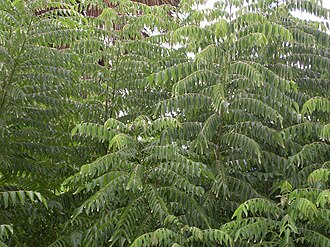
Photo: Wikimedia Commons
Getting Started: Seed or Sapling
When it comes to how to grow curry leaf, getting the details right makes all the difference.

Many homeowners find that how to grow curry leaf is easier than they expected once they know the basics.
Curry leaf is Murraya koenigii, and there is essentially one species in cultivation. Nurseries sometimes sell regular and dwarf forms; the dwarf stays more compact in pots, which suits indoor growers. Do not confuse it with curry plant, Helichrysum italicum, a Mediterranean herb with silvery leaves that smells faintly of curry powder but is a different plant entirely. What you want is the glossy green leaflets of true Murraya koenigii.
Buy a grafted or seedling sapling from a nursery that specializes in tropical fruit or Indian vegetables. Seed is slow and erratic, losing viability within weeks of harvest, so fresh nursery stock saves you a year of frustration. A one- or two-foot sapling in a gallon pot is the ideal starter size: big enough to survive, small enough to adapt to your conditions. The USDA PLANTS Database carries the species entry with its native range.
If you can only find seed, buy it fresh and sow immediately; curry leaf seed loses viability within weeks. Sow in warm, moist mix, keep it near 80 degrees, and be patient, since germination is erratic and slow. Even with fresh seed, expect a month or more. This is why a nursery sapling is worth every penny: it skips a year of uncertainty. The University of Minnesota Extension seed-starting guides note the same viability warning for tropical seeds.
When and How to Plant
Many homeowners find that how to grow curry leaf is easier than they expected once they know the basics.
The key to how to grow curry leaf is choosing the right approach for your space and budget.
Plant your curry leaf tree in the hottest, sunniest spot you have. Outdoors in zones 9 through 12, choose a sheltered location with deep, well-drained soil enriched with compost, and space trees six feet apart if you plant more than one. They eventually reach ten to fifteen feet in frost-free climates, so give them room.
In colder zones, plant in a large pot with drainage holes, using a rich potting mix. A fifteen-gallon container suits a young tree for several years. Set the plant at the same depth it grew in the nursery pot, water thoroughly, and mulch the surface. Move the pot outdoors after all danger of frost has passed, once nights stay warm, and bring it back inside well before the first fall frost. check your USDA zone planting dates to time the move for your area. The UF IFAS Gardening Solutions site offers solid guidance on growing tropical trees in containers.
When potting up, choose a container with excellent drainage and use a chunky mix with perlite or bark. Curry leaf hates wet feet more than almost any container plant, and a heavy peat mix stays soggy. A fabric grow pot is a good choice, since it air-prunes roots and dries evenly. Repot every two or three years in spring, moving up one pot size. The USDA National Agricultural Library container gardening references cover mix recipes for tropicals.
Soil and Sun
The key to how to grow curry leaf is choosing the right approach for your space and budget.
With a little planning, how to grow curry leaf can fit even a busy schedule.
Curry leaf wants full sun and well-drained, fertile soil. Indoors, that means the brightest window you own or a grow light; a dim corner produces leggy, pale growth with weak flavor. Outdoors, eight hours of direct sun is ideal. The tree tolerates heat that wilts lesser plants, so the south side of the house is perfect.
Drainage is critical. Soggy roots kill curry leaf faster than almost anything, so never let a pot sit in a saucer of water. Mix perlite or coarse sand into heavy potting soil, and make sure outdoor beds drain freely. Fertile soil with plenty of compost feeds the steady flush of new leaves you are growing it for. A slightly acidic to neutral pH is fine. The Missouri Botanical Garden notes the same sun and drainage needs for container tropicals.
Watering and Feeding
With a little planning, how to grow curry leaf can fit even a busy schedule.
Before you start, it helps to understand how how to grow curry leaf works in real homes.
Water regularly but let the soil dry out between waterings. Curry leaf tolerates short dry spells far better than wet feet, so when in doubt, wait a day. Indoors in winter, cut back sharply; the tree grows slowly in low light and needs little water. Overwatering a winter houseplant is the classic way to kill it.
Feed lightly through the warm months with a balanced fertilizer or compost tea every month or so. Ease off in fall as growth slows. Yellowing leaves on an indoor tree in winter usually mean too much water or too little light, not hunger, so fix the conditions before reaching for fertilizer. basil in nearby pots wants similar summer feeding, so tend them together. The Clemson HGIC container gardening pages cover this seasonal rhythm well.
Care Through the Season
Before you start, it helps to understand how how to grow curry leaf works in real homes.
A good plan for how to grow curry leaf saves time, money, and frustration.
Pinch the stem tips regularly to force branching. Left alone, a curry leaf tree grows one straight trunk with leaves only at the top; pinched trees branch low and bush out, giving you far more leaves to pick. Prune in spring as new growth starts, shaping the tree and removing any weak shoots.
Watch for scale insects and mealybugs on the stems, especially on indoor trees. Wipe them off with a cotton swab dipped in rubbing alcohol, or spray with insecticidal soap. Outdoors, aphids may cluster on new flushes; a strong jet of water dislodges them. In winter indoors, give the tree the brightest spot available and keep it away from cold drafts and hot radiators. Some leaf drop in winter is normal; the tree rebounds in spring. The Gardenia.net tropical plant guides describe these houseplant pests in detail.
Each spring, as new growth starts, prune for shape and pinch every stem tip. This annual shaping keeps the tree bushy and productive rather than tall and sparse. Remove any suckers from the base unless you want a multi-stemmed tree. Wipe the leaves occasionally with a damp cloth; clean leaves photosynthesize better and show pests sooner. The Clemson Cooperative Extension indoor plant guides recommend the same spring pruning for overwintered tropicals.
Harvest
A good plan for how to grow curry leaf saves time, money, and frustration.
For most people, how to grow curry leaf comes down to a few smart choices.
Start picking once the tree is well established, ideally in its second or third season. Take whole leaf stems from the outer branches, never stripping a young tree bare. Regular light picking actually encourages bushier growth, so harvest with confidence once the plant is strong.
Use the leaves fresh. The true curry leaf aroma lives in fresh leaflets; dried ones lose most of it within weeks. For cooking, temper whole sprigs in hot oil at the start of the dish, then fish them out before serving. That hot-oil bloom is how the signature flavor infuses curries and dals. Freeze surplus sprigs in bags; frozen leaves keep their aroma far better than dried ones. The Old Farmer's Almanac herb pages note the same fresh-beats-dried rule for tender herbs.
Troubleshooting
For most people, how to grow curry leaf comes down to a few smart choices.
If you are new to how to grow curry leaf, start with the simplest option and build from there.
Frost is the hard limit. Even a light freeze can kill a curry leaf tree to the ground, and hard freezes kill the roots. In zones colder than 9, the pot must come inside before frost threatens, with no exceptions. If an outdoor tree in a marginal zone gets nipped, wait until spring to prune; the roots may resprout.
Slow growth in the first year is normal, not a problem. The tree often puts energy into roots before top growth, then takes off in year two or three. Yellow leaves with wet soil mean overwatering; yellow leaves with dry soil and good light may want feeding. Leaf drop indoors in winter is usually a light issue; move the tree closer to the window. If scale keeps returning, check nearby houseplants, since the pests spread. mint is tougher about indoor winters, but the same bright-window rule applies.
Overwintering Your Curry Leaf Tree
If you are new to how to grow curry leaf, start with the simplest option and build from there.
When it comes to how to grow curry leaf, getting the details right makes all the difference.
For most American gardeners, winter is the curry leaf season that matters most. Well before the first fall frost, move the pot indoors to the brightest spot you own: a south-facing window or a grow light. Expect some leaf drop as the tree adjusts to lower light; this is normal and not a sign of failure. Cut watering back sharply, letting the soil dry well between drinks, and stop feeding entirely until spring.
Keep the tree away from cold drafts and hot, dry radiators, both of which stress it. A cool room around 60 degrees is ideal; the tree rests in winter and needs little. Check occasionally for scale and mealybugs, which love the dry indoor air. In spring, after all danger of frost has passed and nights stay warm, move the tree back outside gradually, hardening it off over a week. It will flush with new growth within weeks of returning to sun and warmth. The Old Farmer's Almanac planting calendar helps you time the move both ways against your local frost dates, so the tree never faces a surprise freeze.
A curry leaf tree asks for sun, warmth, drainage, and a winter indoors everywhere but the warmest zones. In return it gives you fresh leaves no store can match and a handsome tree that perfumes the kitchen every time you cook. Start with a nursery sapling, pinch it into a bushy shape, and harvest patiently. Once you have cooked with leaves picked minutes before the pot, you will never go back to the jar.
References
When it comes to how to grow curry leaf, getting the details right makes all the difference.
Many homeowners find that how to grow curry leaf is easier than they expected once they know the basics.
UF IFAS Gardening Solutions. (n.d.). Growing tropical fruit trees in containers. https://gardeningsolutions.ifas.ufl.edu/
Missouri Botanical Garden. (n.d.). Murraya koenigii. https://www.missouribotanicalgarden.org/
USDA PLANTS Database. (n.d.). Murraya koenigii. https://plants.usda.gov/home
Clemson Cooperative Extension. (n.d.). HGIC: Container gardening. https://hgic.clemson.edu/
The key to how to grow curry leaf is choosing the right approach for your space and budget.
Many homeowners find that how to grow curry leaf is easier than they expected once they know the basics.
Was this guide helpful?

About My Garden US
The My Garden US editorial team writes practical, in-depth home and garden guides for American homeowners — tested advice, no fluff.